Macroeconomics
How China’s export policy impacts the Global South


International trade is currently experiencing a period of profound shifts, and China is an important factor. With goods exports of about $ 3.8 trillion and a trade surplus in goods of about $ 1.2 trillion in 2025, China was the world’s largest exporter of goods by a wide margin. For comparison, in 2025, the EU achieved a trade surplus in goods equivalent to about $ 150 billion, whereas the USA recorded a trade deficit of about $ 1.25 trillion.
China’s surplus is the result of a structural change and a modified trade policy: cecause domestic demand is flagging, the Chinese government is selectively promoting the expansion of industrial capacities in sectors that are in high demand internationally – from electromobility to batteries to solar technology. In many of these sectors, China has created significant overcapacities in production that it wants to sell abroad.
The growing volume of goods is encountering markets that are increasingly saturated or closed off. In the USA and EU, governments are reacting with anti-dumping tariffs and industrial policy countermeasures. As a result, China’s exports to the USA, for example, fell by 20 % in 2025 in response to higher US tariffs. Chinese suppliers are now facing greater pressure to expand into other markets, particularly in developing and emerging market countries.
More Chinese exports to Africa, Latin America and Southeast Asia
Significant shifts in global trade flows prove that they are succeeding. Whereas the importance of traditional markets like the USA and Europe is stagnating or receding, China’s integration in developing regions continues to grow dynamically. Imports from China have markedly increased in Africa and Latin America in particular: in 2025, Chinese exports to Africa grew by 25.8 %, to ASEAN countries by 13.4 %, to India by 12.8 % and to Latin America by 7.4 %.
In each region, variations on the same basic pattern play out: while consumers and companies profit from the lower prices of goods imported from China, local industries experience increasing competitive pressure – particularly in labour-intensive sectors like the textile industry or basic machinery manufacturing.
In Latin America in general, there is a pronounced structural asymmetry: according to data from the Chinese customs authority, in 2025, China exported goods worth just under $ 300 billion to the region. At the same time, the region delivered goods worth about $ 250 billion to China, primarily from Brazil, Chile and Peru. The corresponding trade deficit is increasing in many countries as a result.
Dependency on trade in primary commodities is intensifying as well: countries are mainly exporting unprocessed raw materials and agricultural products and importing higher-value industrial goods. This practice exposes them to fluctuating commodity prices and makes it difficult for them to develop their own industrial capacities.

In Africa, China has now become the most important trading partner for many national economies. The total bilateral trade volume has reached around $ 350 billion, though Chinese exports, worth $ 225 billion, far exceed the country’s $ 123 billion in imports from Africa. At the same time, Africa only makes up a comparatively small share – about 5.5 % – of all Chinese foreign trade.
A more integrated pattern can be observed in Southeast Asia. The ASEAN region is deeply embedded in Asian supply chains and is profiting from rising investments. Its total trade volume with China amounts to just over $ 1 trillion, though Chinese exports, valued at $ 665 billion, also far exceed the $ 389 billion in goods that China imports from ASEAN countries. Moreover, the majority of technologically demanding value creation is still concentrated in China.
Short-term gains, long-term goal conflicts
From a macroeconomic perspective, the influx of cheap imports offers advantages at first. For one thing, it curbs inflation. For another, lower prices on investment goods facilitate important infrastructure projects and industrial modernisation. One example is renewable energy: the cost of solar modules has fallen dramatically over the past decade, which made this technology broadly competitive in many countries for the first time.
But these advantages are offset by structural risks. The increasing pressure from imports particularly impacts local industries, which often do not produce on the same scale or receive state support. As a result, domestic companies lose market shares, investors stay away and industrial learning processes slow down. This can lead to declines in industrial employment, such as those described using the term “China Shock” in the mid-2010s in connection with the USA and later Brazil and other countries.
In Southeast Asia, the effect of cheap imports is less pronounced at the moment: countries like Vietnam and Indonesia are successfully integrating into global supply chains, but they often remain in production segments that create less value. In some industries, including the electronics and textile sectors, the majority of intermediate products comes from abroad, while the local supply remains limited.
In African national economies, this pressure to conform is exerted especially early in the development process. Competition from cheap imports can make it more difficult to develop an industrial base right from the start. The export structure, often dominated by raw materials, exacerbates this dynamic.
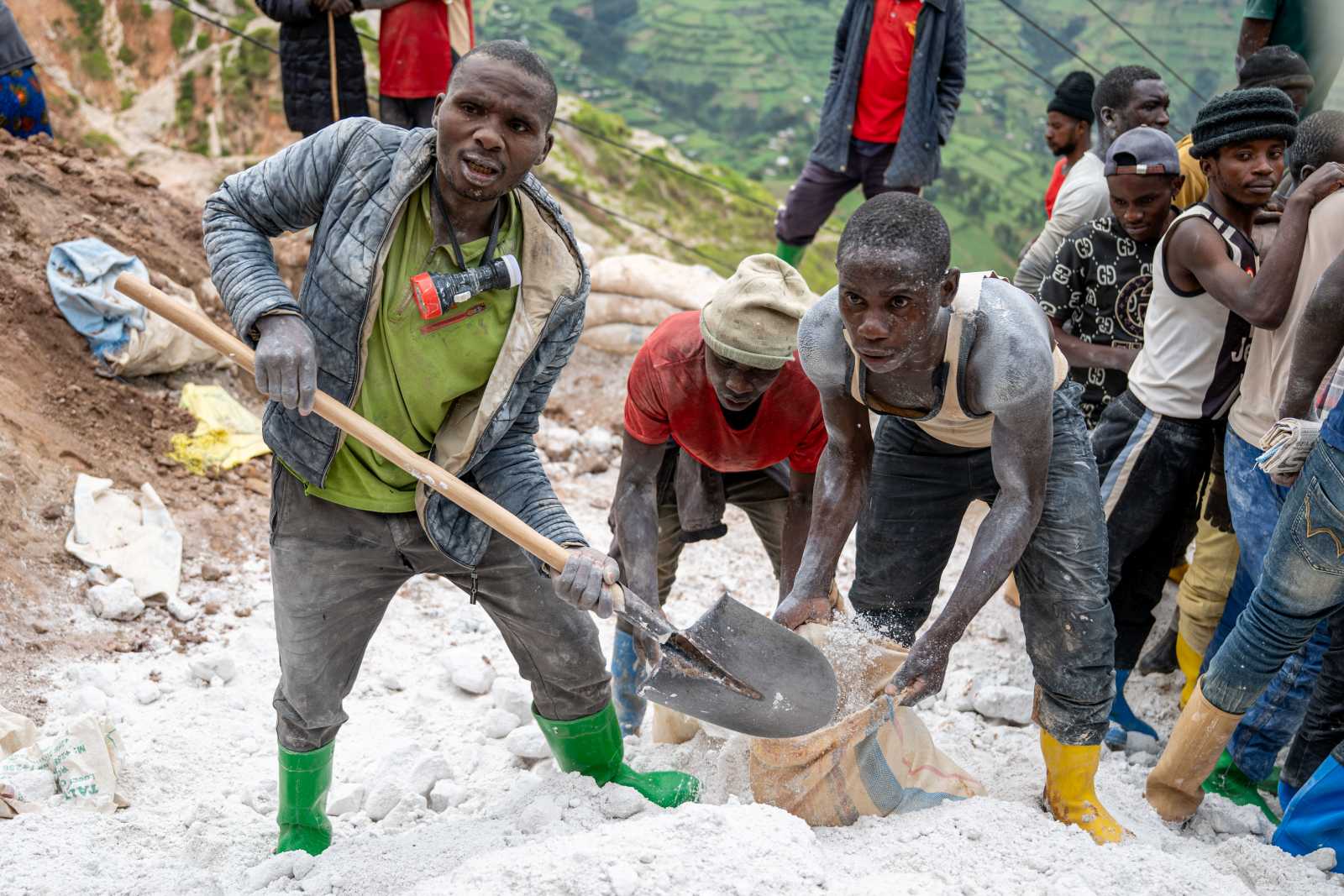
The development policy debate about industrial policy as an instrument for structural change and employment is taking on a new dimension because of these developments. For example, the time windows in which new industries can establish themselves in developing and emerging market countries are narrowing significantly. Classic approaches, such as providing temporary protection for some industry branches or targeted support, are reaching their limits earlier because global competition has become fiercer.
The limited economic policy leeway in many countries is exacerbating the situation. Trade policy protection measures are often restricted by international obligations or difficult to implement politically. Moreover, the countries in question are often highly indebted and closely economically interdependent, not least with China. The latter is true of Zambia, which, in response to its debt crisis, has had to negotiate debt restructuring with Chinese creditors in particular, and Laos, whose economic development is being strongly shaped by China-financed infrastructure projects such as the China-Laos railway.
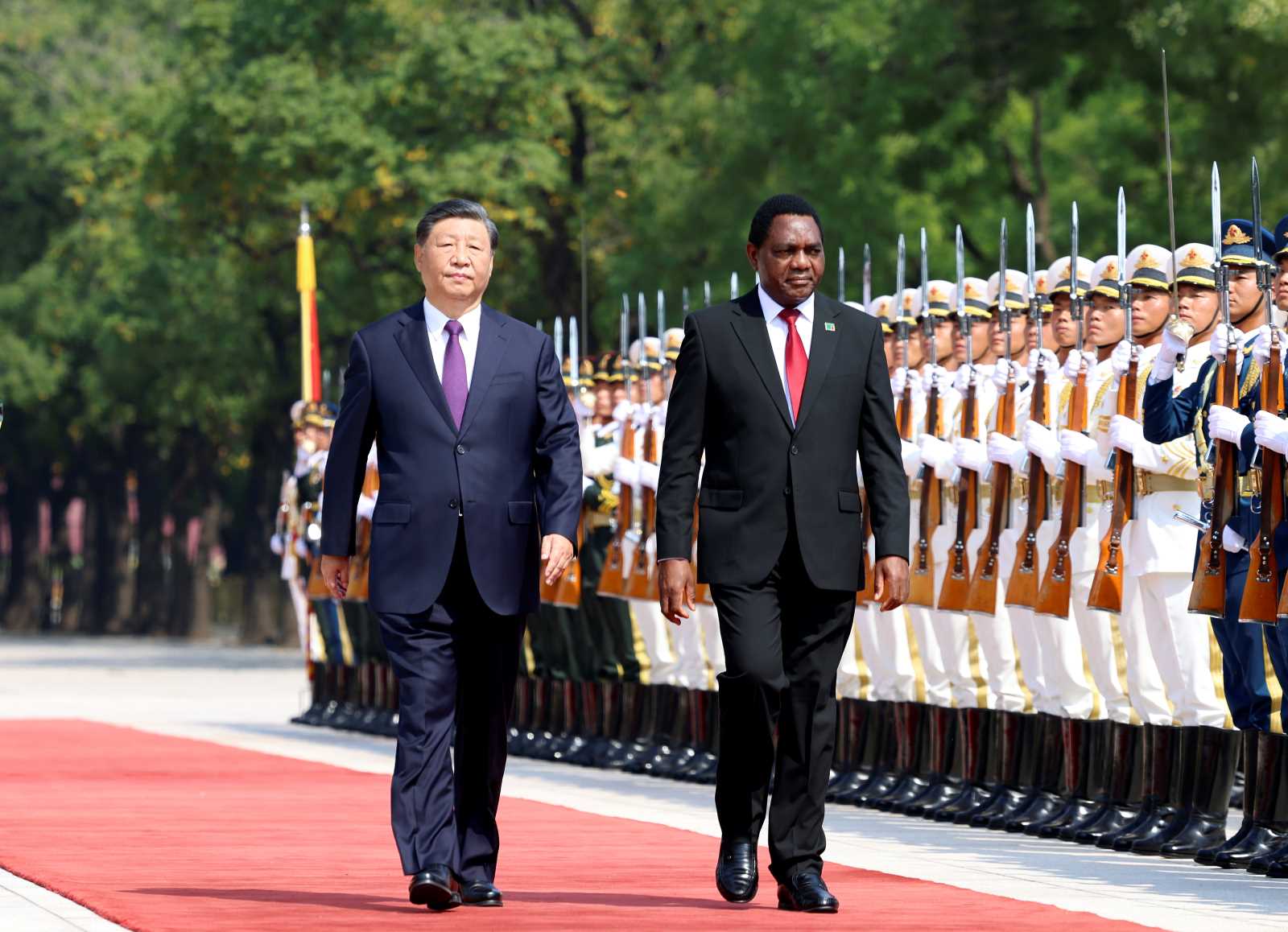
An active industrial policy also requires institutional capacities, long-term planning and fiscal resources – conditions that obtain only to a limited degree in many places.
Starting points for a differentiated strategy
Against this backdrop, developing and emerging market countries need a differentiated economic policy strategy. At the national level, selective industrial policy measures can help actively steer adaptation processes. Protection measures for strategic sectors that are temporally limited and tied to performance goals could be useful. Strengthening local value creation, for instance through appropriate qualification programmes, is equally important.
Regional integration is becoming more significant in this context. Larger internal markets – for instance as part of the African Continental Free Trade Area (AfCFTA) – create opportunities to achieve price advantages through increased production volumes and to reduce dependency on imports. This is particularly relevant because intra-African trade so far makes up only about 15 % of the total foreign trade of African countries and therefore lags far behind other world regions.
The role of the WTO
At the international level, multilateral institutions like the World Trade Organization (WTO) can help make competitive distortions more transparent and at the same time ensure that developing countries have sufficient leeway for their own industrial policy strategies. Possible measures include stricter transparency and notification requirements for state subsidies and preserving Special and Differential Treatment (SDT) for developing and emerging market countries.
However, the WTO is currently experiencing a serious crisis. Its Dispute Settlement Body is only marginally functional following the US blockade at the end of 2019. Furthermore, the WTO has been criticised for years because some member states – particularly China – do not always completely fulfil their notification requirements relating to subsidies or do not do so on time. This makes it more difficult for the WTO to monitor measures that could distort competition.
If China itself were to adopt a different economic policy, that could also be part of the solution. Existing inequalities would be reduced if China were to pursue a more balanced growth model, particularly one that shifts away from export-oriented industrial expansion and towards stronger domestic and service-driven growth. At the moment, however, it is unlikely that it would make such a change to its economic strategy.
Implications for development financing
Development financiers like the DEG – Deutsche Investitions- und Entwicklungsgesellschaft believe that while financing for private investments in industry and infrastructure is important, its quality is paramount. Projects should strengthen local value creation, facilitate technology transfer and create skilled, fair jobs. Special focus should be placed on investments that go beyond mere assembly. Equally central is the promotion of qualifications that allow employees to access better jobs and implement technical advancements.
In sum, China’s export policy and current changes to the global economy are creating enormous challenges for the national economies of developing and emerging market countries. How well they overcome them depends in large part on the extent to which they are able to take advantage of the short-term opportunity presented by cheap imports without undermining the foundation of their own industrial development.
LINK
World Bank, 2026: Industrial policy for development: Approaches in the 21st century.
Wolfgang Krieger is the economist at DEG, the Deutsche Investitions- und Entwicklungsgesellschaft, which finances investments by private companies in developing and emerging market countries with loans and equity investments from its own funds. DEG is a subsidiary of the KfW Banking Group.
presse@deginvest.de