Sanctions
The USA’s attack on international law


Shopping online, booking hotels or conducting any kind of digital transaction – which are part of everyday life for many people – have become almost impossible for Nicolas Guillou. The USA imposed sanctions on the French national after he condemned Israeli Prime Minister Benjamin Netanyahu in his capacity as presiding judge at the International Criminal Court. US companies are no longer allowed to provide services to him, and since few digital transactions can be conducted without them, even in Europe, Guillou has few alternatives. The Trump administration’s sanctions are hitting him hard.
The International Criminal Court (ICC), headquartered in The Hague in the Netherlands, has put individuals on trial for war crimes, crimes against humanity, genocide and the crime of aggression since 2002. It was founded by the international community in reaction to the mid-1990s genocides in Rwanda and the former Yugoslavia with the hope of preventing perpetrators and responsible parties, like high-ranking officials, from escaping punishment.
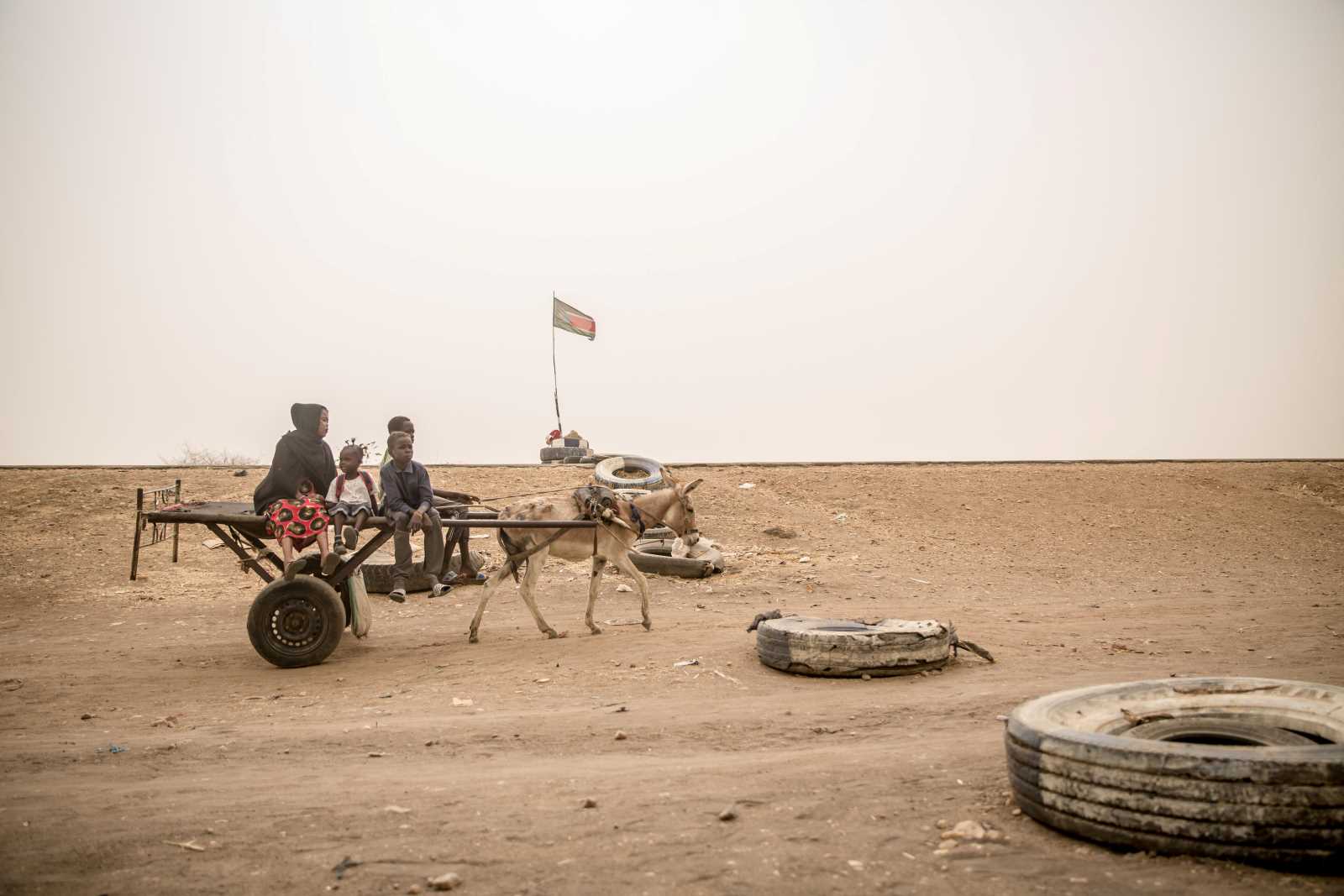
Now the ICC is being openly attacked by the USA: Secretary of State Marco Rubio is threatening to “dismantle” the Court. His weapons include sanctions, visa and entry restrictions for people who work for the ICC, as well as diplomatic pressure on states that continue to support the Court.
As early as February 2025, US President Donald Trump issued an executive order authorising sanctions against ICC staff, judges and other personnel who were involved in proceedings relating to genocide, war crimes and crimes against humanity. Trump justified the measure by claiming that the ICC had engaged in “illegitimate and baseless actions” targeting US personnel and allies and that this “malign conduct” threatened the sovereignty of the USA and undermined its national security.
At the time of the executive action, however, only the proceedings related to Palestine were underway; by the end of 2024, these had led to arrest warrants against Israeli Prime Minister Benjamin Netanyahu, former defence minister Yoav Gallant and three Hamas leaders, who have been killed in the meantime. The USA imposed sanctions on prosecutors and judges like Nicolas Guillou who were investigating Israel’s actions in Gaza, as well as against the United Nations Special Rapporteur on the occupied Palestinian territories, Francesca Albanese, and three Palestinian human rights organisations.
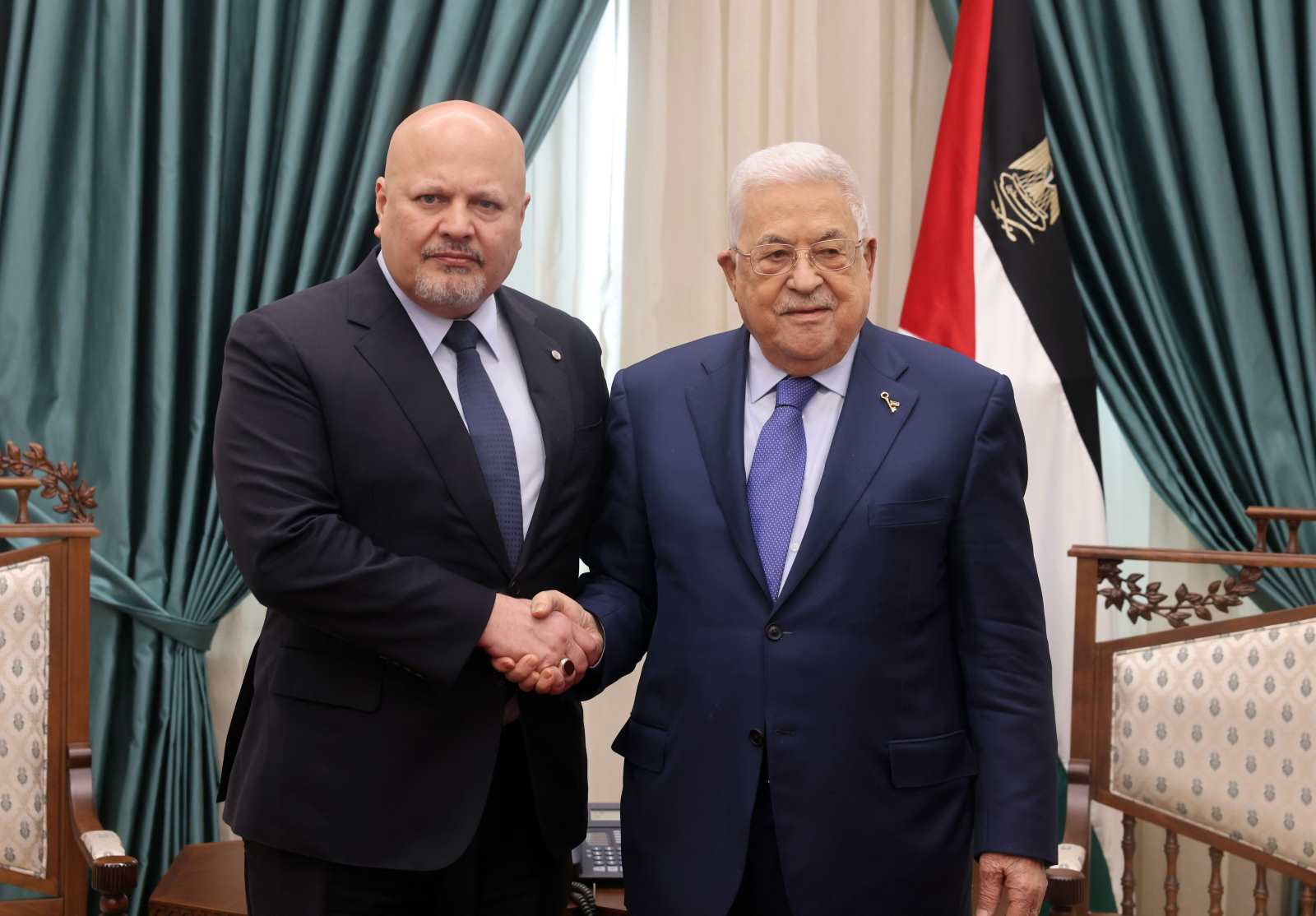
The sanctions dilemma
The USA’s actions represent an unprecedented attack on international jurisdiction. And a particularly irritating one, since the United States has not even ratified the Rome Statute, the international treaty that forms the legal basis of the ICC. It is therefore not formally bound by the Court.
The actions of the Trump administration are also unusual because they use an instrument that the UN itself employs to force compliance with international law: sanctions. The USA is resorting to them to undermine international justice instead.
If sanctions are imposed by international organisations like the UN, they can contribute to peacekeeping. According to the Diplomatic Service of the EU, they are a “peaceful instrument to defend international law” and “strengthen international security and peace”. If, on the other hand, sanctions are imposed by individual countries to promote their own interests, they are often less powerful.
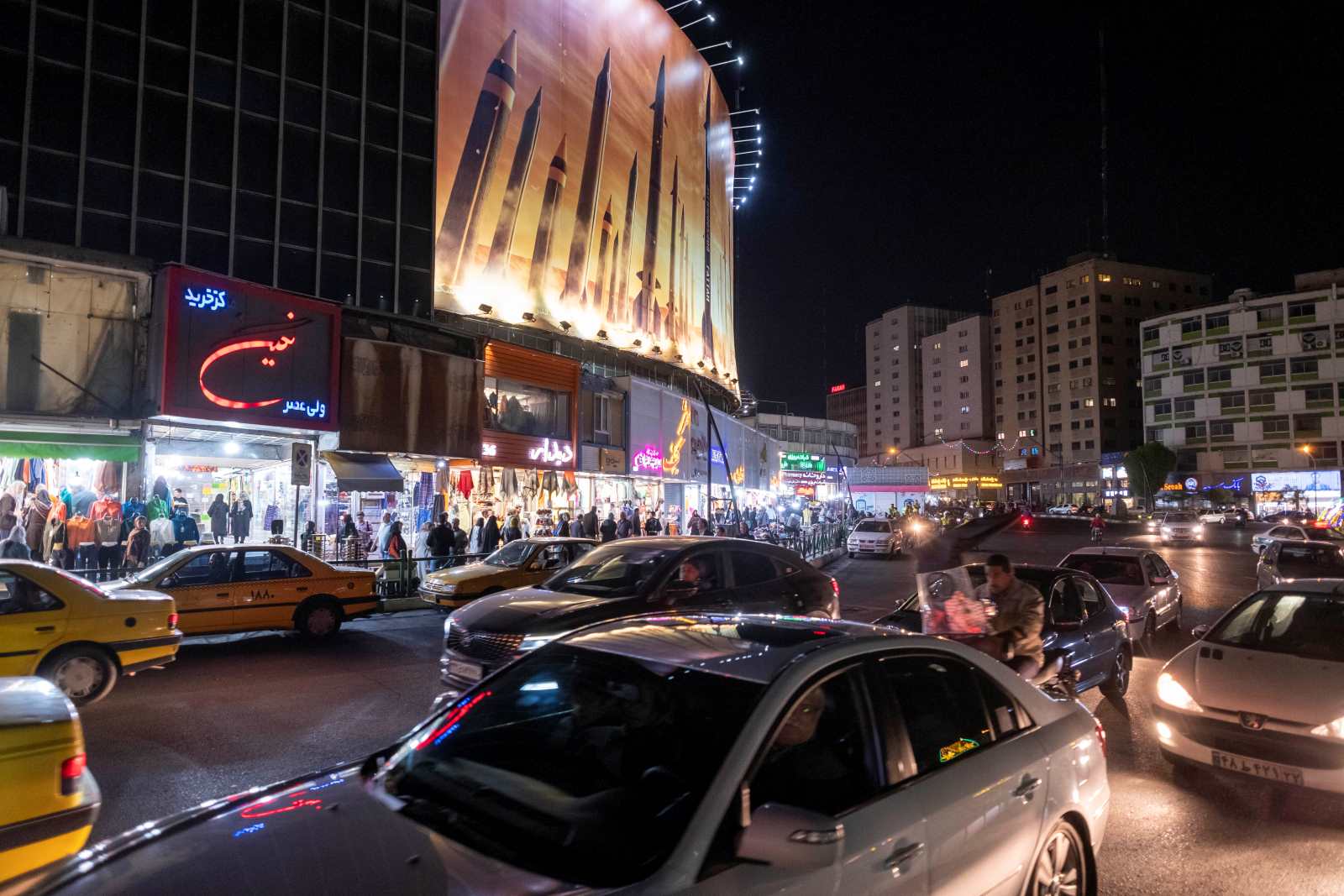
The situation is different when it comes to the USA: its sanctions are particularly painful because their impact stretches far beyond the country’s borders. Numerous important financial services can be involved, including PayPal, Visa and Mastercard, as well as tech companies like Google and Amazon. ICC judges who have been affected by sanctions, like Nicolas Guillou, report problems with credit cards, bank accounts and digital accounts, for example. Whoever the US government has designated as an enemy can experience a domino effect of additional secondary sanctions by companies in their own country that capitulate to the US government out of fear. United Nations Special Rapporteur Francesca Albanese, for instance, also had her Italian bank account terminated.
Criticism of US sanctions
The USA’s sanctions against the ICC have drawn harsh criticism. On Verfassungsblog, a global forum on public law, German criminal and international law expert Kai Ambos called them “a fundamental attack on the separation of powers and the work of justice”. Ambos argues that the Trump administration has destroyed the everyday lives of the affected representatives of the Court. “Independent prosecutors and judges are being equated with terrorists, organised criminals and corrupt dictators,” he criticises.
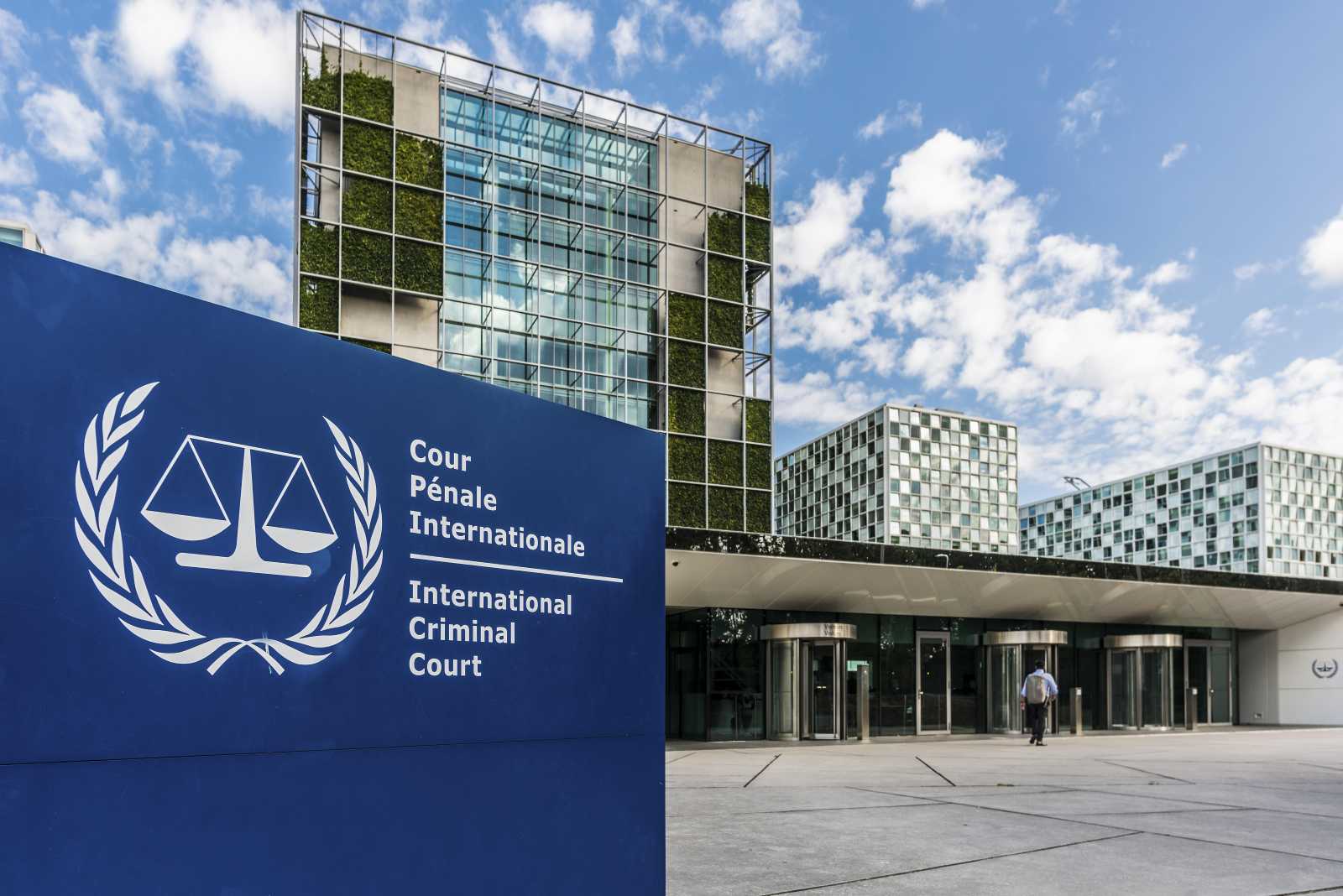
An end to the sanctions is nowhere in sight, however. On the contrary: In August, the USA announced sanctions against Japanese ICC president Tomoko Akane and the Senegalese prosecutor Abdoulaye Seye. The ICC described the announcements as a “flagrant attack against the independence of an impartial judicial institution”.
Ambos, the international law expert, believes that the US government is only interested in attacking the ICC to protect its own and allied (Israeli) citizens, not because it is opposed to the Court’s proceedings and criminal charges in general. “As long as these are directed against opponents and enemies of the USA (the Taliban) or Israel (Hamas), the US government has no problem with the supposed “overreach” of the ICC. If, however, the law is to be applied to the USA or its friends, the Court itself becomes the enemy,” Ambos argues.
A coalition of US human rights organisations is now protesting the USA’s attack on international justice. In August 2026, the American Friends Service Committee, the Center for Constitutional Rights, Human Rights Watch and the Open Society Institute filed a lawsuit in a US federal court to challenge the sanctions. “When Marco Rubio announces that he intends to dismantle the International Criminal Court “brick by brick”, we must defend international law brick by brick,” confirms Andreas Schüller, Co-Director of the International Crimes and Accountability Program of the European Center for Constitutional and Human Rights (ECCHR). “Against authoritarian power politics, only international cooperation, political courage and the integrity of the rule of law can prevail.”
Source
Ambos, K., 2025: Die Sanktionierung des Rechts. Zur Sanktionspolitik der US-Regierung gegen den Internationalen Strafgerichtshof. (Available only in German.)
Sonja Peteranderl is a journalist and founder of BuzzingCities Lab, a think tank that focuses on digital innovation, security and organised crime.
euz.editor@dandc.eu