Rules-based world order
Whose rights does international law protect?


This is not an argument against international law. It is an argument for taking it seriously. I grew up believing that international law should be the foundation for a fairer world: human rights, sovereignty, accountability and rules capable of keeping even the most powerful in check. When those rules governing war, democracy and sovereignty are breached, the courts are called upon, sanctions follow and diplomatic consequences are imposed.
In Europe, this system may seem straightforward. I am writing from Nairobi, and things look very different from here. The problem is not that there are no longer any rules under international law, but that the consequences of breaching these rules are apparently not borne equally by all.
When Russia invaded Ukraine, European governments rightly invoked territorial sovereignty and international law. Russia found itself facing sweeping sanctions, diplomatic isolation and sustained condemnation.
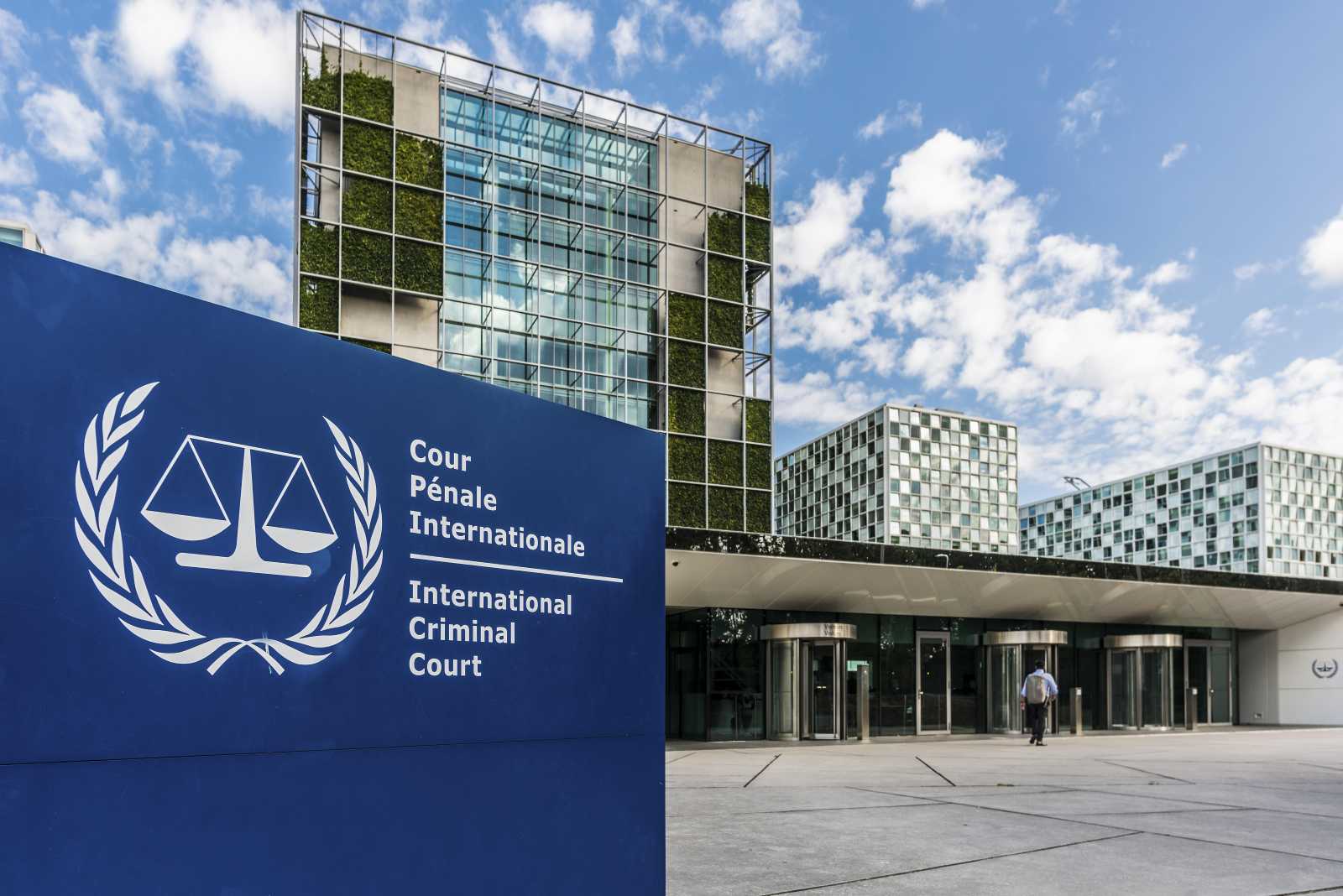
However, when it comes to Israel’s actions in Palestine, which contravene international law, the application of these supposedly universal principles becomes far more conditional. In November 2024, the International Criminal Court issued arrest warrants for Israeli Prime Minister Benjamin Netanyahu and former Defence Minister Yoav Gallant. These arrest warrants are not convictions, yet the willingness of powerful states, for example Germany and France, to enforce them remains highly questionable.
For many young people observing this, the question inevitably arises: if international law is universal, why does its enforcement so often depend on who you are, who you are allied with – and whose suffering is politically less inconvenient?
The economic dimension
The debate around international law has another dimension which might look different to Europeans: economic sovereignty.
The Generation Z uprising in Kenya in 2024 was triggered by a draft finance bill, but it was about more than that. It was a dispute over who decides what the Kenyan state owes its citizens – and to whom it is ultimately accountable. The government argued that new taxes were necessary to bring public debt under control and stabilise the economy. The IMF-backed programme for Kenya envisaged fiscal consolidation, increased revenue and curbing expenditure.
The austerity measures imposed by international institutions did not take the form of abstract macroeconomic policy. They took the form of bread prices, transport costs, unemployment and dilapidated hospitals. They took the form of a sense that ordinary citizens were being made to foot the bill for a crisis they had not caused.
The proposed finance bill was intended to raise billions of dollars and, to that end, included measures affecting essential goods and mobile money transactions – which are ubiquitous in Kenya. Human Rights Watch urged that Kenya’s economic reforms must respect human rights, progressive taxation and accountability for public funds.
Austerity measures are rarely presented directly as coercion. They are wrapped in technical jargon: fiscal consolidation, debt sustainability, revenue mobilisation, structural reforms. These are all legitimate economic concepts, but when a government is in urgent need of funding and relies on international institutions such as the IMF for it, the line between political advice from these institutions and the imposition of conditions for access to capital can become very fine.
So, who holds sovereignty?
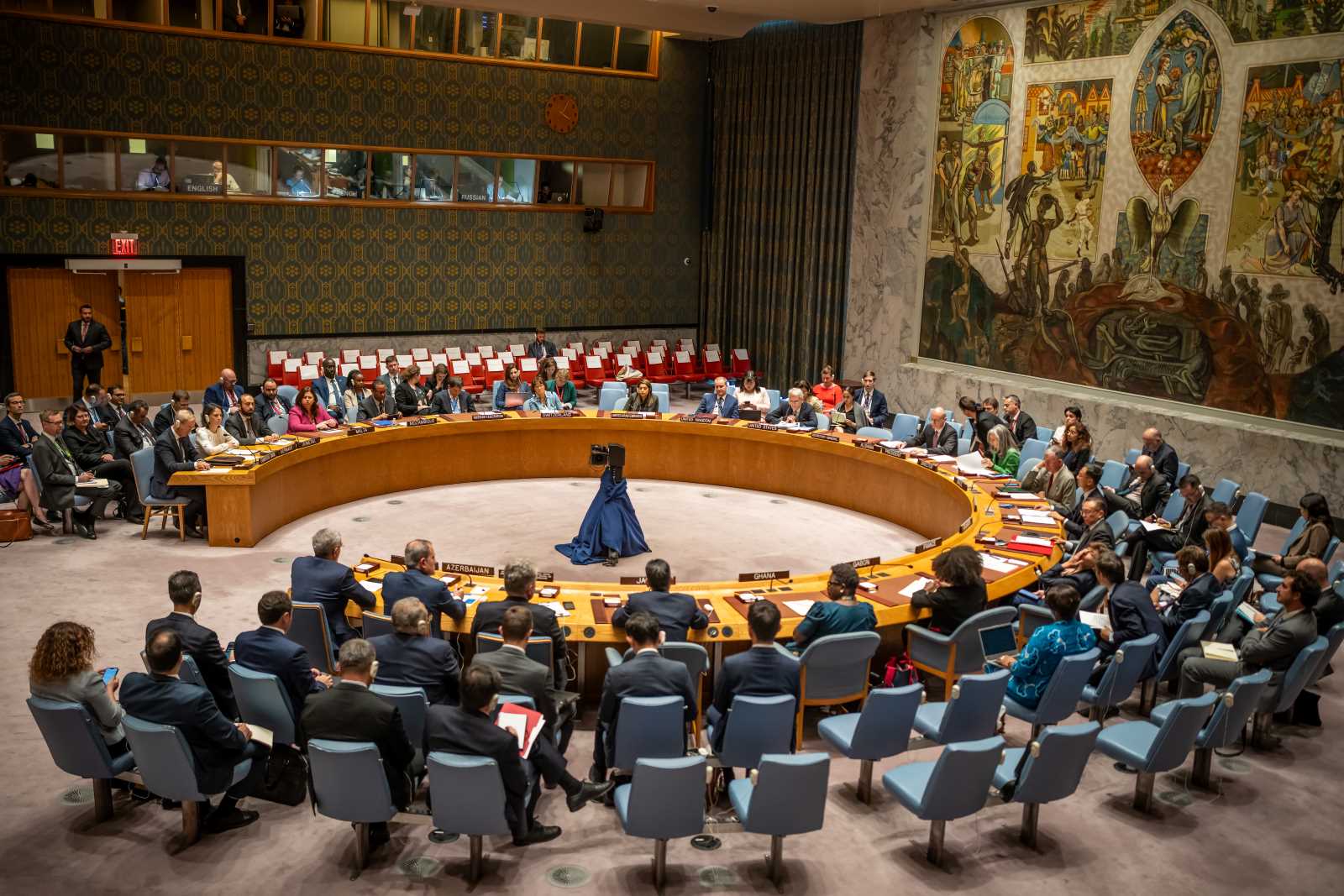
The Kenyan Constitution is clear: sovereignty lies with the people. Citizens have the right to participate in public affairs and to hold their government to account. What happens when economic decisions are restricted by institutions that are far removed from the people who suffer the consequences?
We, the young people of Kenya, do not reject responsible fiscal policy. Rather, we ask why it so often falls on ordinary citizens, whilst political privileges remain protected. We ask why debt repayment should automatically take precedence over the social contract between the government and its citizens.
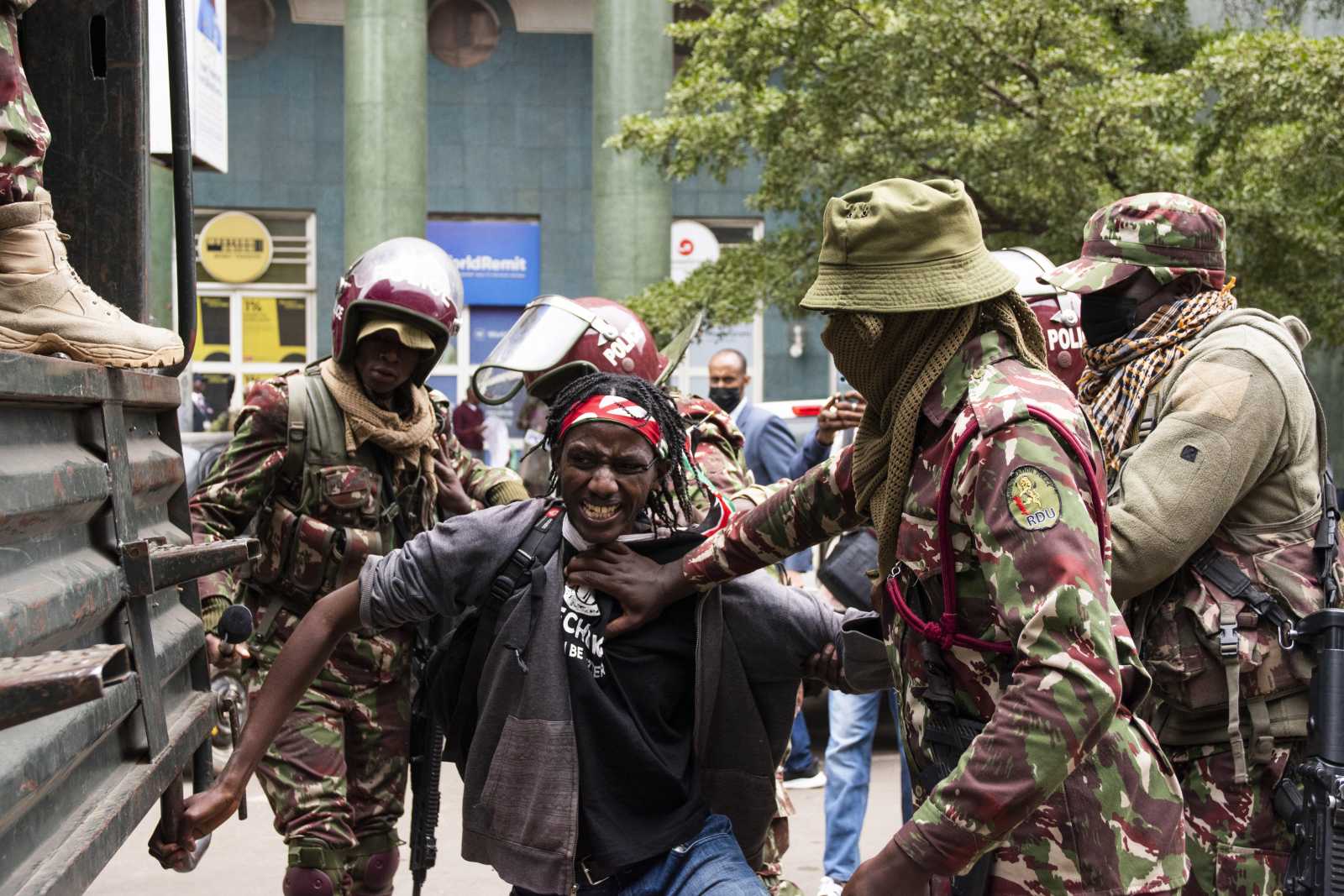
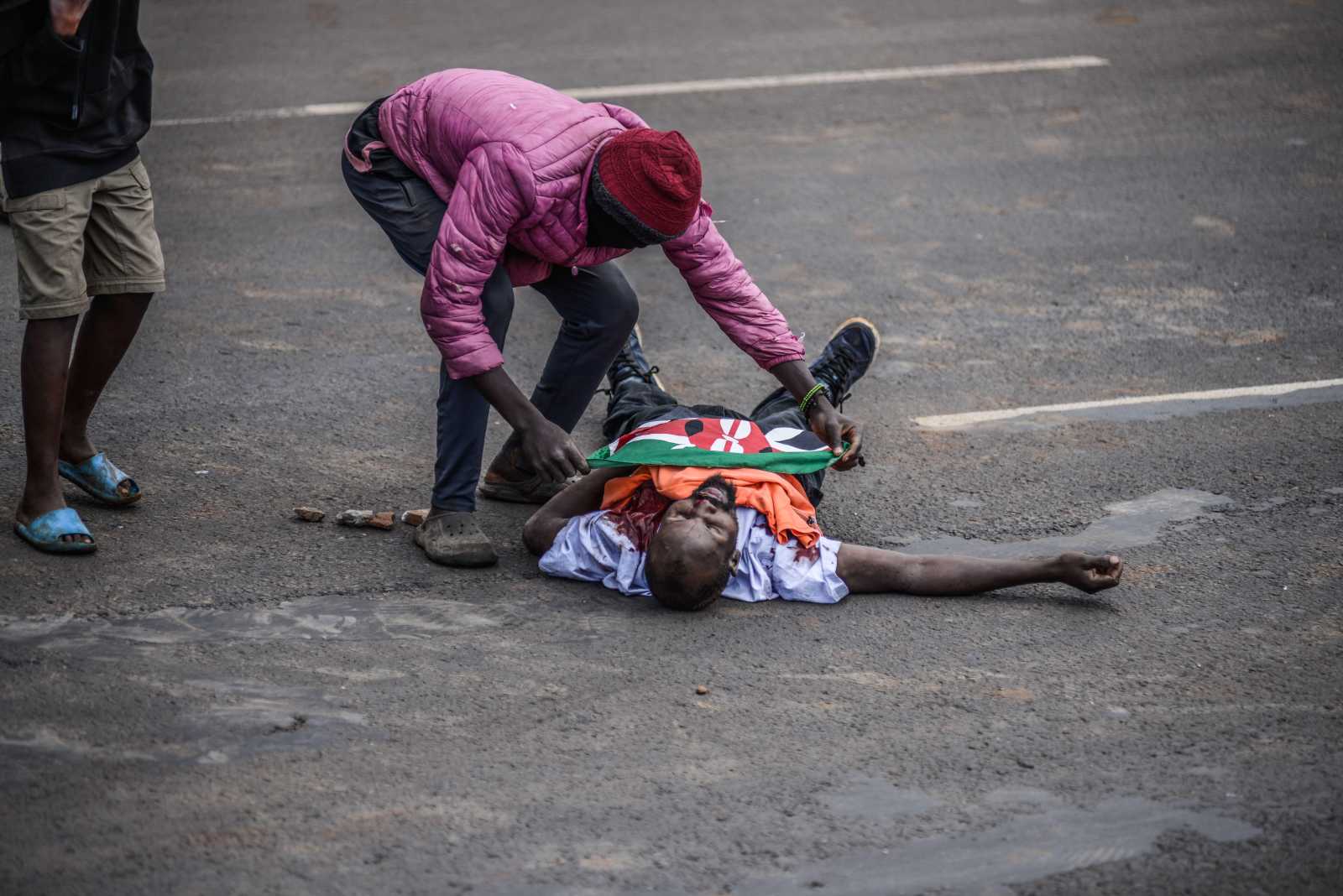
On 25 June 2024, thousands took to the streets. President William Ruto eventually withdrew the Finance Bill, but Amnesty International documented the use of unlawful and lethal force against demonstrators, resulting in deaths, enforced disappearances and arbitrary arrests.
This is where Africa’s experience of international law becomes uncomfortable. Young Kenyans are being killed during protests because they are demanding a say in a national budget shaped by global financial constraints, yet this has no diplomatic or legal consequences for their government.
We would have expected more from Europe in particular, given that it is still European governments that continue to lecture Africa on democratic governance. We are told that sovereignty is important – until it becomes inconvenient. We are told that human rights are universal – until upholding them threatens a strategic ally. We are told that democracy is important – yet when citizens question the structures that govern their lives and take to the streets to protest, their country is deemed unstable. But don’t get me wrong: the Gen Z movement in Kenya did not want to be rescued by Europe. It wanted to be heard. It demanded a government that remembers who it works for.
We and many other movements from the Global South are calling for an end to all exceptions to international law. We are calling for consistency. We insist on a different world order – one in which no passport shields a head of state from accountability, no alliance makes violations acceptable, and no loan agreement imposes costs on poor people’s lives. Until these demands are met, “rule of law” will continue to mean something entirely different in Nairobi than it does in Brussels.
Shakira Wafula is a sports science student and an active citizen.
sfitermined@gmail.com