Youth
“Our generation will lead differently”


Selma Bichbich in an interview with Eva-Maria Verfürth
You’ve taken part in several UN Climate Change Conferences (COPs) over the years. Will you be attending again this year, despite the disappointing outcomes of recent summits?
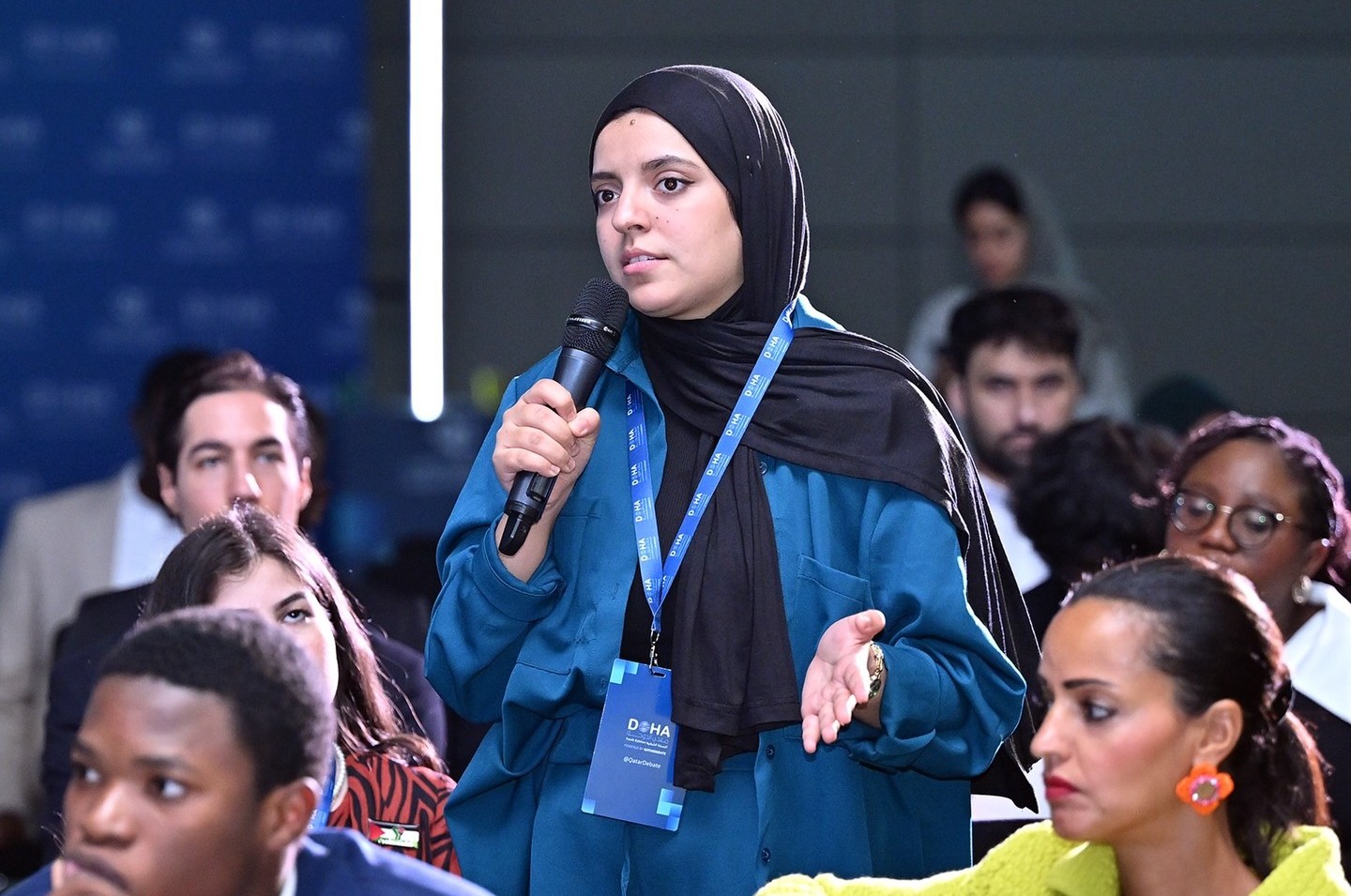
Yes, I will, and I’m still convinced it is worth it. COP is an important space where young people can participate in policymaking, critically engage with policies, propose alternatives and speak directly with political leaders and decision-makers. It allows us to bring greater attention to issues that have not been prioritised. As a climate activist and representative of a global youth-led network, I’m usually accredited as an observer, but on one occasion I was accredited through an official delegation with negotiator status. This gave me broader access to formal negotiation rooms, party briefings and coordination meetings, allowing me to understand different countries’ positions and to contribute the perspectives of young people. At COP, young people build networks and develop solutions for their communities together. Many initiatives and partnerships have emerged from these exchanges. This year, COP will take place in Turkey, within my broader region, which is particularly exciting for us.
Many activists seem disillusioned with the UN right now. Do you share that sense of frustration?
I do, but I still have some hope for the UN. That said, I think the organisation needs to shift its priorities towards what’s really at stake and act more pre-emptively. Water still isn’t sufficiently prioritised, for instance, even though we are heading towards a catastrophe in the coming years. Some countries are already in conflict over water. In my region, old colonial-era land divisions are resurfacing precisely because water and security have become contested. In addition, the UN needs to switch from a Western to a Global South perspective. We can’t keep assuming that what works in the Global North will work in the Global South. Not every country has the same capacities, resources and abilities to fund solutions, nor the same mindset within its communities. Under the current system, the Global South is always the weaker party, dealing with more problems and more conflict.
Nonetheless, you describe COP as a space where young people are given room to speak up. How does the UN make this possible?
The UN has mechanisms to involve us in decision-making. For example, statements are gathered from the Local Conferences of Youth around the world and combined to compose the Global Youth Statement, the GYS. It contains recommendations across every major area: water, energy, technology, climate adaptation, loss and damage, education and climate empowerment. The GYS is presented to the United Nations Framework Convention on Climate Change (UNFCCC) leadership as well as to senior UN officials. They review it, and sometimes the outcomes are even reflected in UNFCCC negotiations, where it reaches national negotiators and decision-makers.
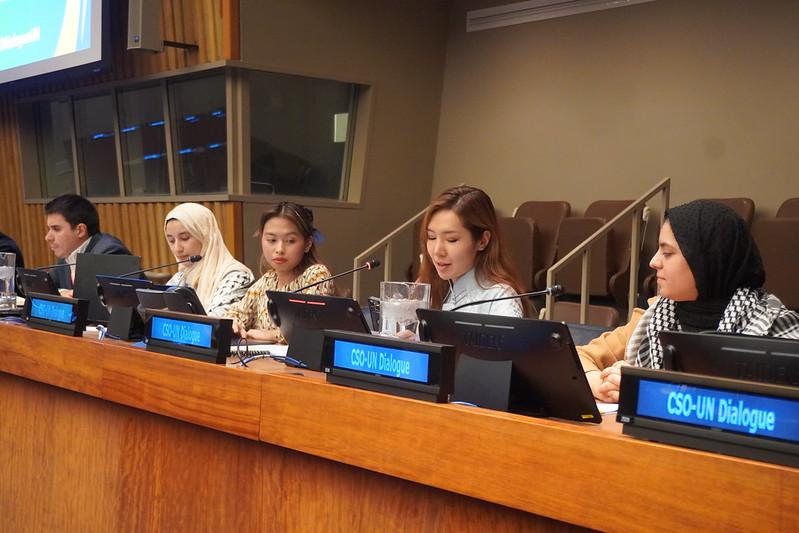
What opportunities are there for young people to participate in your country, and how does the UN system support this?
Young people in Algeria are increasingly contributing their ideas and perspectives to national discussions, including through the government’s youth council. However, there is still considerable potential to strengthen their participation in decision-making processes. Young people’s contributions could have a greater impact if they were engaged earlier in the process, from setting priorities to developing and implementing decisions.
Last year, I organised the Local Conference of Youth in Algeria. Hosting the conference during the Algerian Council of the Nation elections presented some coordination challenges. However, with financial and institutional support from the International Organization for Migration (IOM), we were able to engage relevant stakeholders and create an important space for young people to contribute to climate discussions. This experience demonstrated the value of partnerships between youth-led networks, public institutions and international organisations.
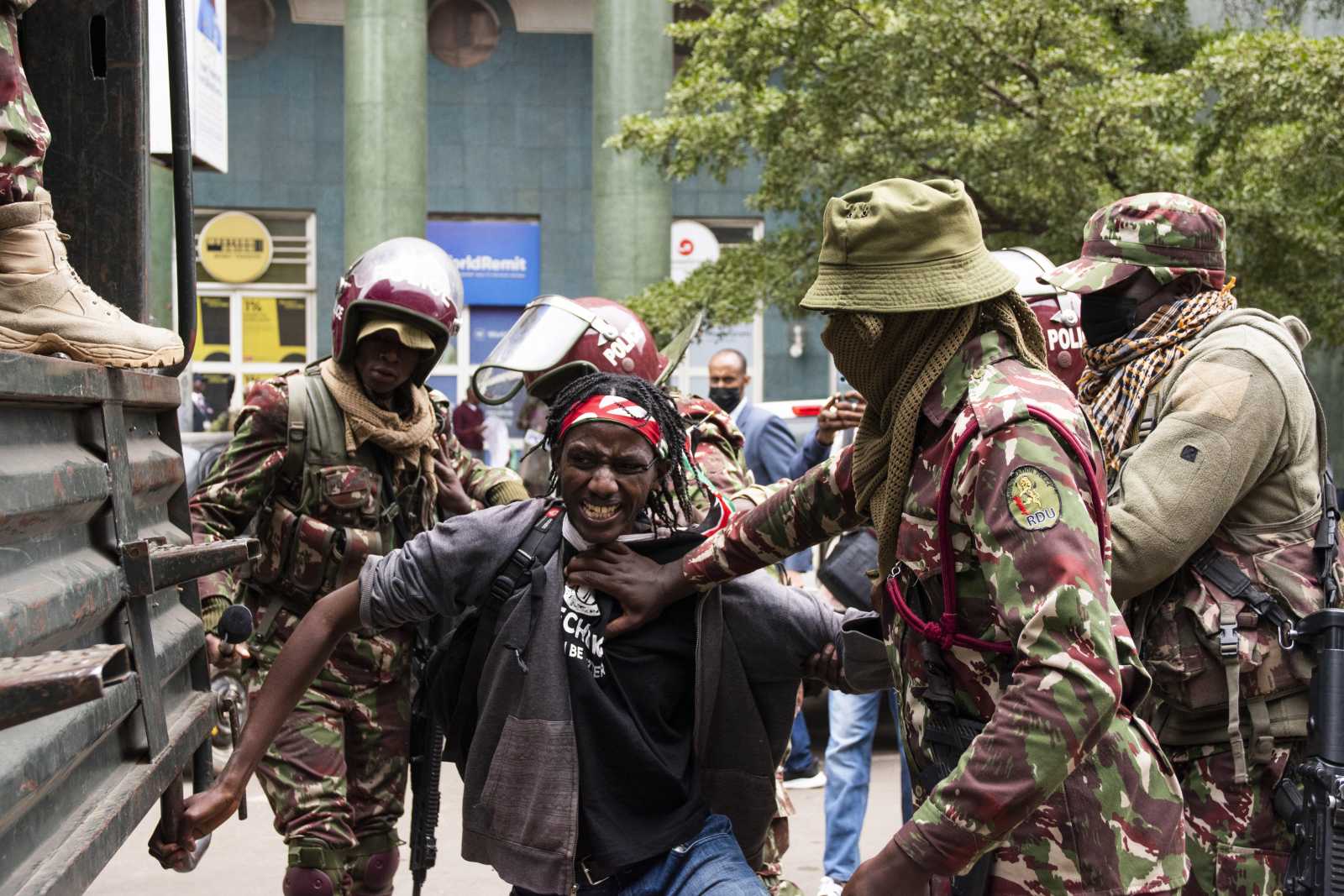
In founding the youth-led environmental network “Together for Blue and Green” in Algeria, you aimed to encourage young people to advocate for the UN 2030 Agenda. Do its broader goals still feel right?
The goals are good, but they are not being implemented sufficiently. That’s why our aim is to prepare young people to take on political leadership roles. Youth activism shouldn’t be limited to tree-planting and clean-up days. It is about being part of policymaking and policy reform while also proposing solutions and taking action.
The 2030 Agenda is under growing pressure. Has the Trump administration changed the way you view the international order?
Personally, I’ve benefited a great deal from the US – I studied at the American University of Beirut, and my scholarship was fully US-funded. But I’m very unhappy with the current administration’s decision to pull out of agreements like the Paris Agreement and with its interventions in the Middle East – that’s not something I want to see from a country like the US. It’s the powerful countries that are running the world; what we need is the right leaders in place – not people tweeting whatever comes to mind at 3 a.m. I’m concerned that international law is being increasingly undermined. No one respects it anymore and it’s starting to feel like nothing more than a piece of paper. And it’s always regions like mine that end up paying the price.
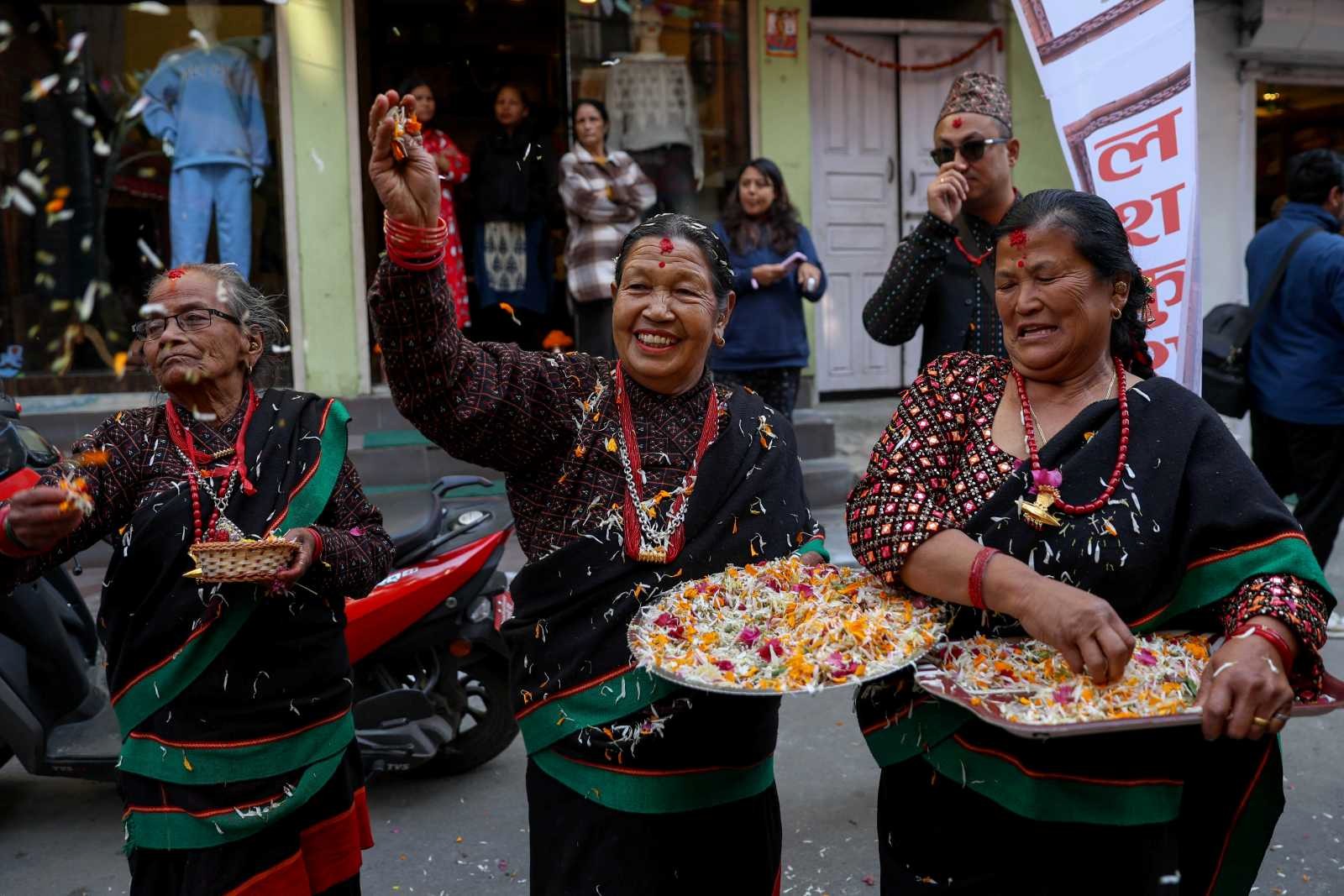
What needs to change for international law to become more powerful again?
International law can only regain its credibility if it protects everyone equally, regardless of political alliances or power dynamics. Our generation is witnessing entire communities being displaced, cities being destroyed and civilians suffering, from Gaza and southern Lebanon to Iran. We cannot keep waking up to such news and simply moving on. Fundamental rights and civilian protection must never depend on geopolitical interests. We need stronger international institutions, genuine accountability for all states and diplomacy that prevents violence before more lives are lost. The international community must prioritise stopping the ongoing destruction across the Middle East, rather than responding only after the damage has been done by focusing on recovery and reconstruction. Our generation must challenge double standards and help build a global system centred on justice, dignity and humanity, not selective silence.
What form might this take?
Our generation can lead differently, but first we need to be trusted and heard. Too many decisions that define our future are made without our meaningful involvement. If we are barely allowed to influence decisions or understand how institutions work, how can we be expected to lead them one day? Yet young people are developing new forms of participation. In Nepal, for example, young people used Discord, an online communication platform, to discuss policies and help choose an interim prime minister. I hope future governance will embrace such innovations, give us young people a role in shaping the decisions that affect our lives and enable us to lead differently in the future.
Selma Bichbich is a climate activist and human rights advocate from Algeria and founder of the youth-led network Together for Blue and Green. She is also a UN Climate Change Conference (COP) delegate.
LinkedIn | Selma Bichbich
selmaworks9@gmail.com
This story is part of The 89 Percent Project, an initiative of the global journalism collaboration Covering Climate Now.