Nutrition
How school meals build resilient food systems


When Mary first started delivering food to the Food4Education kitchens, she did so by motorbike. Today, her company has 65 trucks. She was one of the project’s first food suppliers.
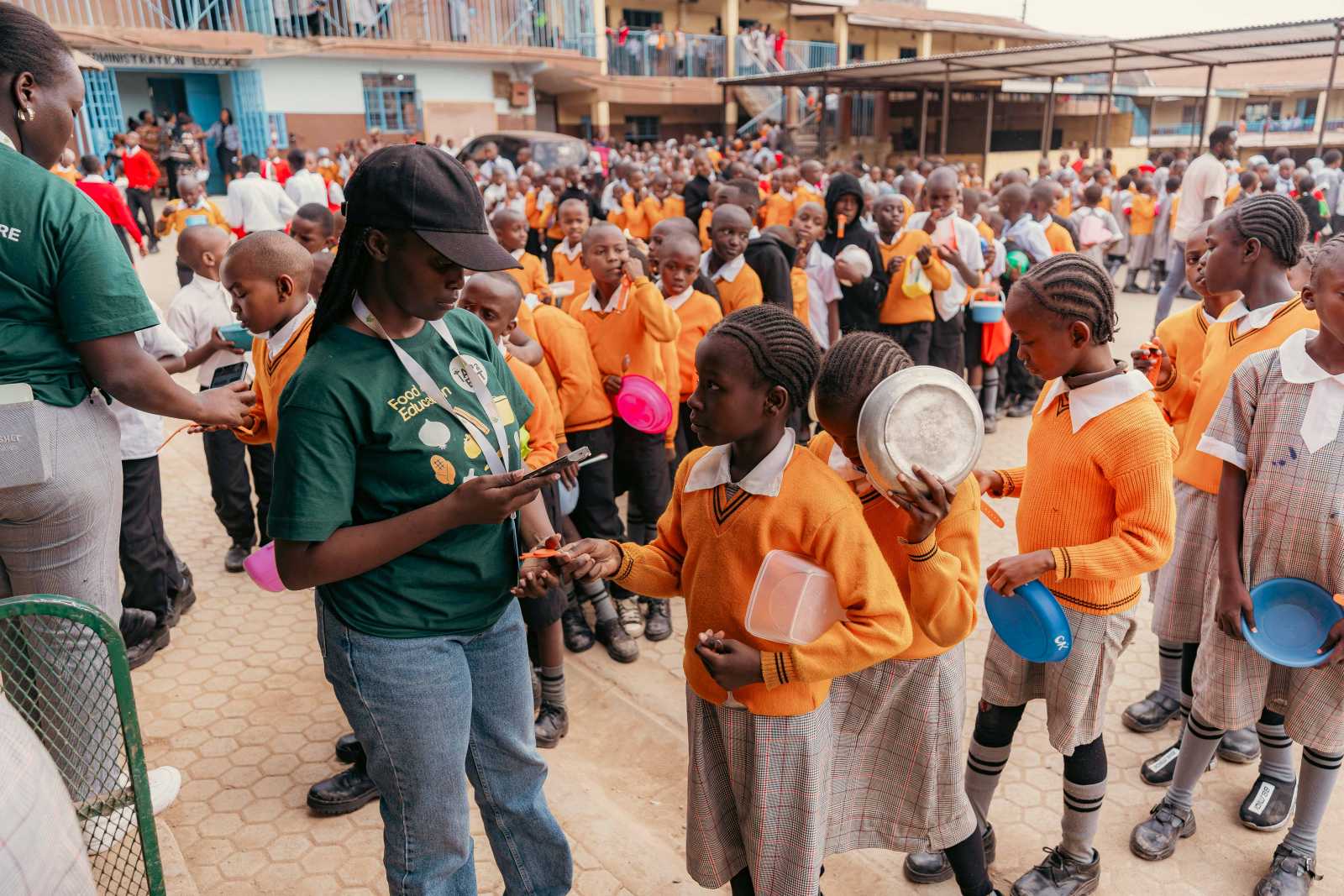
At Food4Education, we currently serve about 700,000 meals every school day in Kenya, with more than 80 % of our food sourced locally or regionally. By mid-2027, when we expect to reach one million meals per day, we’ll need to purchase, transport and cook about 200 tonnes of food each school day. Most people only see the final stage: a child sitting down to eat. That is incredibly important. But I have learned to also look at the whole value chain.
I want to reflect on the market that made Mary’s business growth possible. The security needed for such growth remains rare in many African food systems, and in recent years it has become even harder to achieve. Floods and prolonged droughts have affected harvests across East Africa. The war in Ukraine and this year’s disruptions around the Strait of Hormuz in the wake of the Iran war have exposed how vulnerable food, fertiliser and transport costs are to events far beyond the continent.
For farmers and food businesses, this volatility has become a permanent part of the business environment. When shocks hit, the response continues to focus primarily on the supply side: climate-resilient seeds, irrigation, storage and increased production. All of that matters. But resilience also depends on something we talk about far less: predictable demand.
A farmer can double his yield and still lose money if prices collapse at harvest time or if there are no buyers. A supplier will not buy another truck just in the hope that customers will show up. Without confidence in future sales opportunities, farmers and businesses cannot justify the investments that would make the food system stronger.
School meals are a stable demand
School meals offer an exceptionally effective way to create that confidence. Children need to eat every school day, year after year. When governments commit to providing this food and purchase it from local agriculture, this recurring public need becomes a market that farmers, transport companies, processing plants and other companies can base their planning on. Well-designed school menus can also create demand for more nutritious and diverse crops, which encourages farmers to grow them while simultaneously improving the quality of the meals that end up on children’s plates.

Generally, we tend to classify school meals as social spending and measure its value through improvements in nutrition, attendance and learning. On a continent where two in three people cannot afford a healthy diet and where nearly one billion children will be living by mid-century, these benefits are reason enough to invest. But they do not represent the full value. By linking them to local production, school meals become part of a country’s economic infrastructure. We estimate that the school feeding system we are helping to build will generate an economic impact of approximately $ 450 million across Kenya by 2030, of which about $ 150 million will go directly to Kenyan farmers.
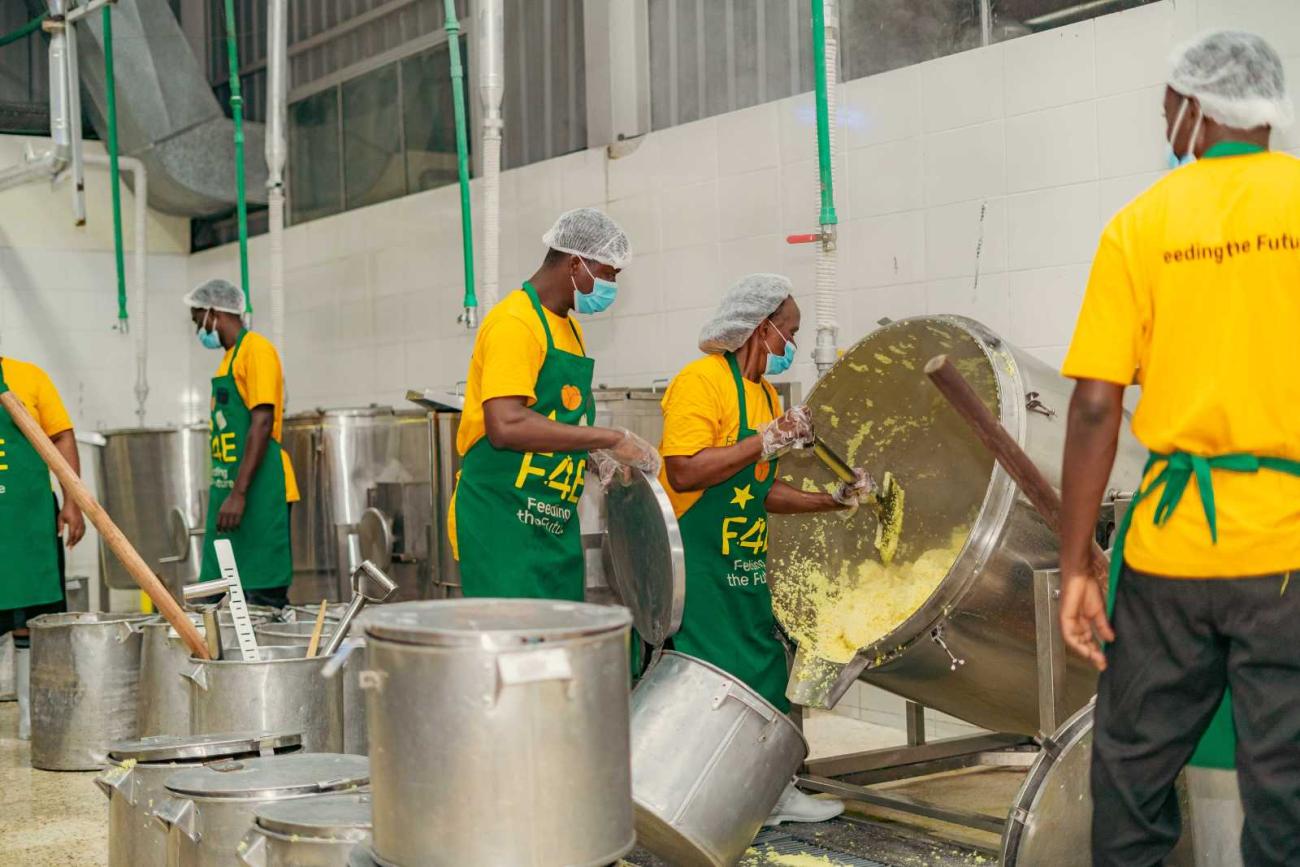
The question is how to make this market reliable and resilient. From our experience, four things matter most.
- Ensure long-term public commitment:
Farmers cannot plan based on a programme that lasts only 18 months, and buyers who are months behind on payments are not reliable buyers. That is why governments should make school meals a national priority, fund them consistently and establish procurement rules that businesses can rely on. In Nairobi, the county has been supporting the “Dishi na County” initiative since 2023 with public funds, supplemented by a small contribution from families. Food4Education handles the operation of the kitchens and the logistics. This division of labour is important: the government ensures financial continuity, while implementation must remain efficient and accountable.
- Establish procurement systems that smaller producers can actually use:
Local sourcing targets alone do not guarantee that farmers will benefit. Smallholder farmers often struggle to meet the volume requirements and standards demanded by large buyers. Cooperatives, middlemen and local businesses can bridge this gap by organising deliveries and managing logistics. Reliable contracts can also help these companies secure financing for their growth. However, affordability, food safety, timely payments and continuity of supply remain essential. In Zambia, for example, where a national school feeding programme already reaches millions of children, we are preparing to support improvements in procurement, infrastructure and long-term financing. The aim is to strengthen Zambia’s system rather than replicate the Kenyan model. - Build flexibility into the system:
Reliable demand must also be able to respond to changing conditions. When maize prices doubled in 2022, we changed our meal plans and switched to rice, beans and lentils. When a mango surplus in Murang’a County left around 5000 smallholder farmers without buyers, we bought 1.3 million mangoes for school meals. When a crop fails, children still need to eat. When harvests boom, farmers still need buyers.
- Invest in production and demand together:
Development finance often focuses on helping farmers produce more. But additional harvests need reliable buyers. Through the Ending School-Age Hunger initiative, backed by the African Development Bank and the Children’s Investment Fund Foundation, Food4Education provides technical advice on government-led school feeding, with an ambition to support 10 African countries by 2030. In Uganda, a $ 207 million agricultural transformation programme will strengthen school feeding linked to local food production, alongside investments in irrigation, agro-industrialisation and rural livelihoods. This is a practical example of how we connect what farmers can grow with a reliable market for their produce.
The next shock will come, whether from drought, conflict or another price spike. Governments cannot prevent every disruption, but they can use public purchasing power to strengthen local supply chains and give farmers and businesses the confidence to invest.
Wawira Njiru is a Kenyan entrepreneur and founder and CEO of Food4Education.
Wawira Njiru | LinkedIn