Wetlands
How the village of Kasibo in Zimbabwe reinvented itself


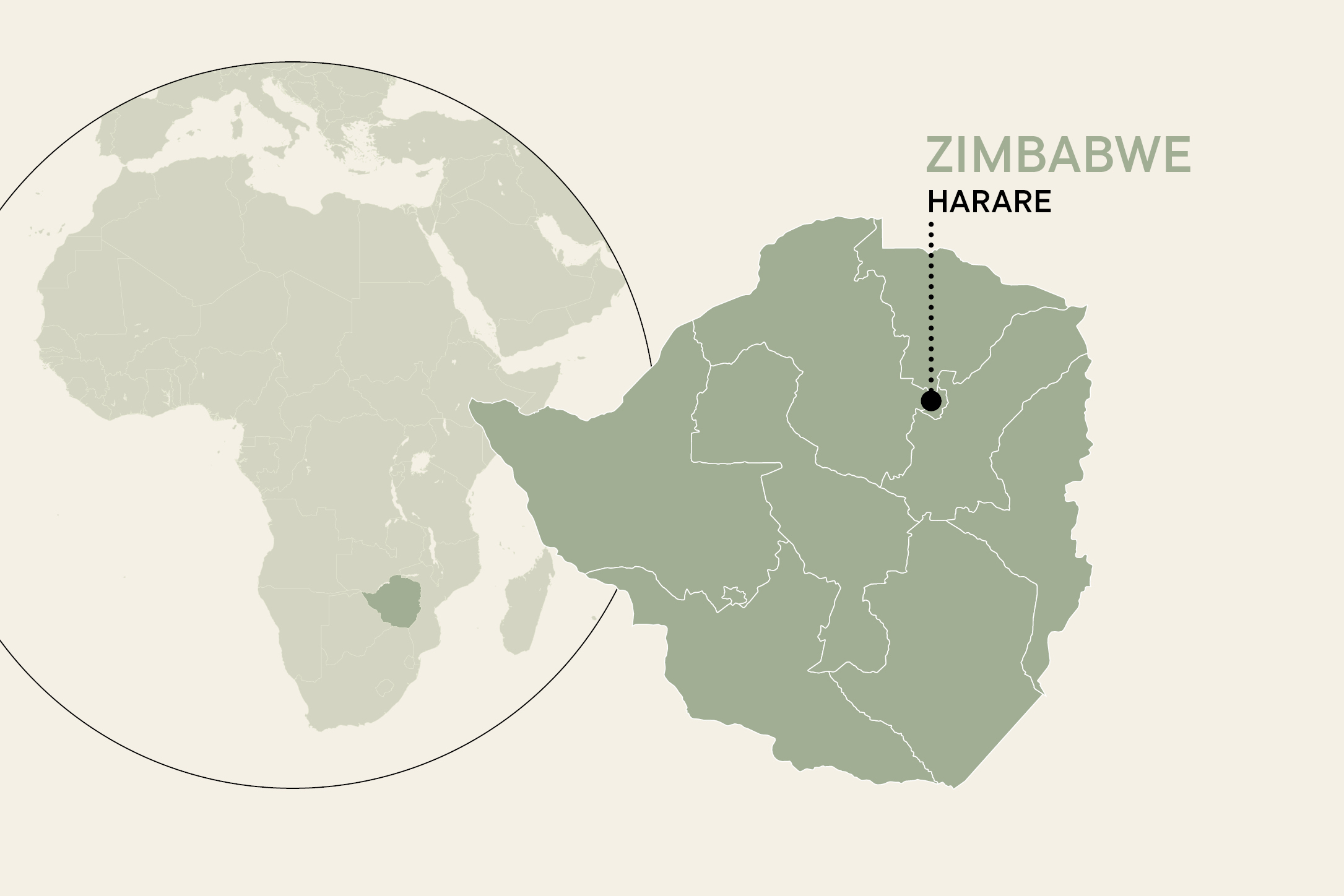
Soon after getting her child ready for school, Gertrude Moyo heads to her village’s community field. It is a routine she has grown accustomed to over the past few years. The field in the village of Kasibo, in the Hwange district in western Zimbabwe, has become her workplace; it provides the vegetables her family needs.
Just a few years before she started growing vegetables, the 43-year-old had almost given up hope of earning a living in Kasibo. There had been several successive years of drought, which, for many villagers, was a clear sign of climate change in a region already characterised by low rainfall and high temperatures. “The situation was dire. I couldn’t sustain my family through farming,” Gertrude Moyo recalls.
The main economic sectors in the Hwange district include coal mining, nature conservation and tourism. However, the majority of the population relies on agriculture to make a living.
While some community members were weighing the risks of emigrating to South Africa due to the droughts, others recalled that a wetland had once provided the area with sufficient water. But then the population grew, and people started keeping more and more livestock. Water demand rose and the cattle encroached on sensitive areas of the wetland, which was not well managed and degraded over time.
“Our children did not know about this wetland because it was wholly destroyed,” says Nomsa Ncube, Gertrude Moyo’s neighbour. “As for us, we were among the people who had destroyed it and could see nothing wrong – until the effects of climate change were worsening.”
From degradation to targeted management
The community decided to restore the wetland. A group of 31 women and nine men from the community launched the Kasibo Wetland Project in 2017. With the help of government agencies and other supporters, they succeeded in significantly improving the management of the area. Among other measures, a core area was fenced off and steps were taken to better protect the springs. “We tried and it is working,” says Nomsa Ncube.
Supporters of the project include Zimbabwean authorities such as the Environmental Management Authority, the Agricultural Rural Advisory Services and the Hwange Rural District Council. Further support came from the UN World Food Programme, the civil society organisation World Vision and the Zimbabwe Parks And Wildlife Management Authority.
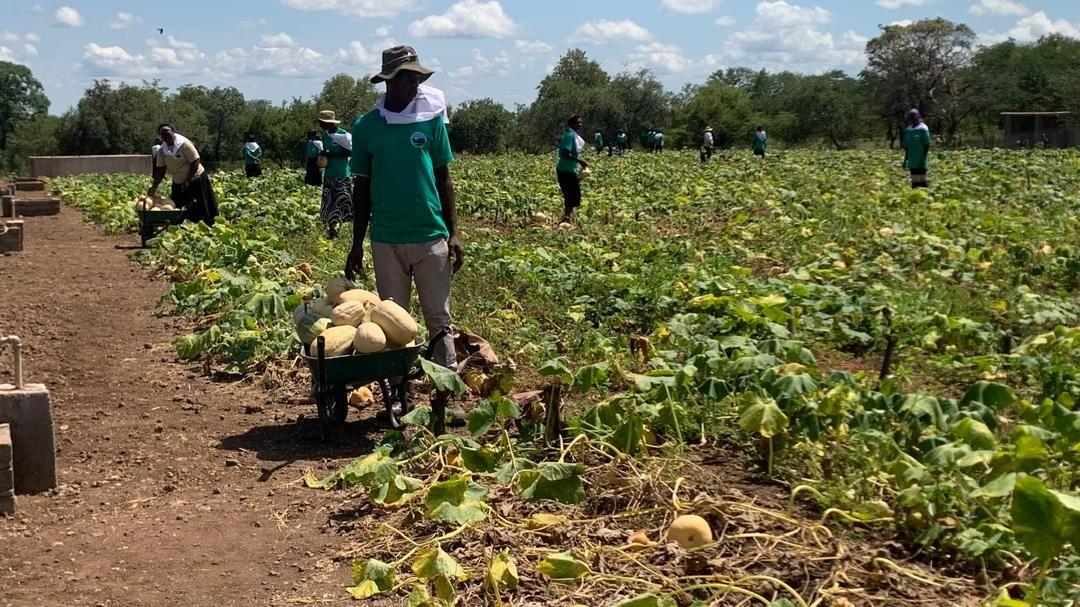
At the heart of the project is a farm covering two hectares of land. The community grows vegetables, mangoes and oranges, and it also keeps bees. The fruit and vegetables are shared amongst the members, some of whom sell them in the nearby city of Hwange. Some members are planning to tap into other lucrative markets, such as the nearby town of Victoria Falls, situated near the world-famous waterfalls of the same name.
Beyond providing economic benefits to the residents, the Kasibo Wetland is home to a rich ecosystem, featuring antelopes, otters and a variety of fish species. Kasibo is thus one of two functioning wetlands in the Hwange district. Three others are degraded, with no restoration plans currently in sight. According to the civil society organisation Zimbabwe Environmental Law Organisation (ZELO), wetlands cover around three percent of Zimbabwe’s land area. Of these, only 21 % are in a stable condition, while 18 % are severely degraded and 61 % are moderately degraded.
Seven particularly protected wetlands in Zimbabwe
Zimbabwe is a signatory to the Ramsar Convention, a global intergovernmental treaty promoting national measures and international cooperation for the protection of wetlands. The country has designated seven wetlands of international importance that are particularly protected: Victoria Falls National Park, Cleveland Dam, Mana Pools National Park, the Chinhoyi Caves, the Driefontein grasslands, Monavale Vlei and the area comprising the lakes Chivero and Manyame. The total area of the Ramsar sites in Zimbabwe is over 450,000 hectares.
The growing awareness of how important wetlands are to Zimbabwe is also reflected in the fact that the 15th Conference of the Contracting Parties to the Ramsar Convention took place in Victoria Falls in 2025. It was the first time that Zimbabwe had hosted the conference. Representatives from more than 170 countries reaffirmed, amongst other things, their intention to better protect waterbirds and river dolphins. As part of the conference, participants also visited the Kasibo Wetland.
Gertrude Moyo, Nomsa Ncube and other members of the project have become advocates for wetland conservation in their village and neighbouring communities. They are committed to protecting these precious resources, not least to mitigate the growing impacts of climate change.
Such commitment is more important than ever. Wetlands are not only useful as sources, reservoirs and filters of precious water and as habitats for numerous species. They can also store 50 times more carbon than rainforests and thereby help in the fight against the climate crisis. Nevertheless, according to the Global Wetland Outlook 2025, wetlands continue to degrade in many regions of the world, particularly in Latin America, the Caribbean and Africa, but also in Europe, North America and Oceania.
Source
Global Wetland Outlook 2025
Calvin Manika is an international journalist based in Zimbabwe. He reports on socio-economic issues, the environment, governance, sustainability and trade.
cloudgoreiyezi@gmail.com
This story is part of The 89 Percent Project, an initiative of the global journalism collaboration Covering Climate Now.