Agriculture
When the long wait for rain is finally over


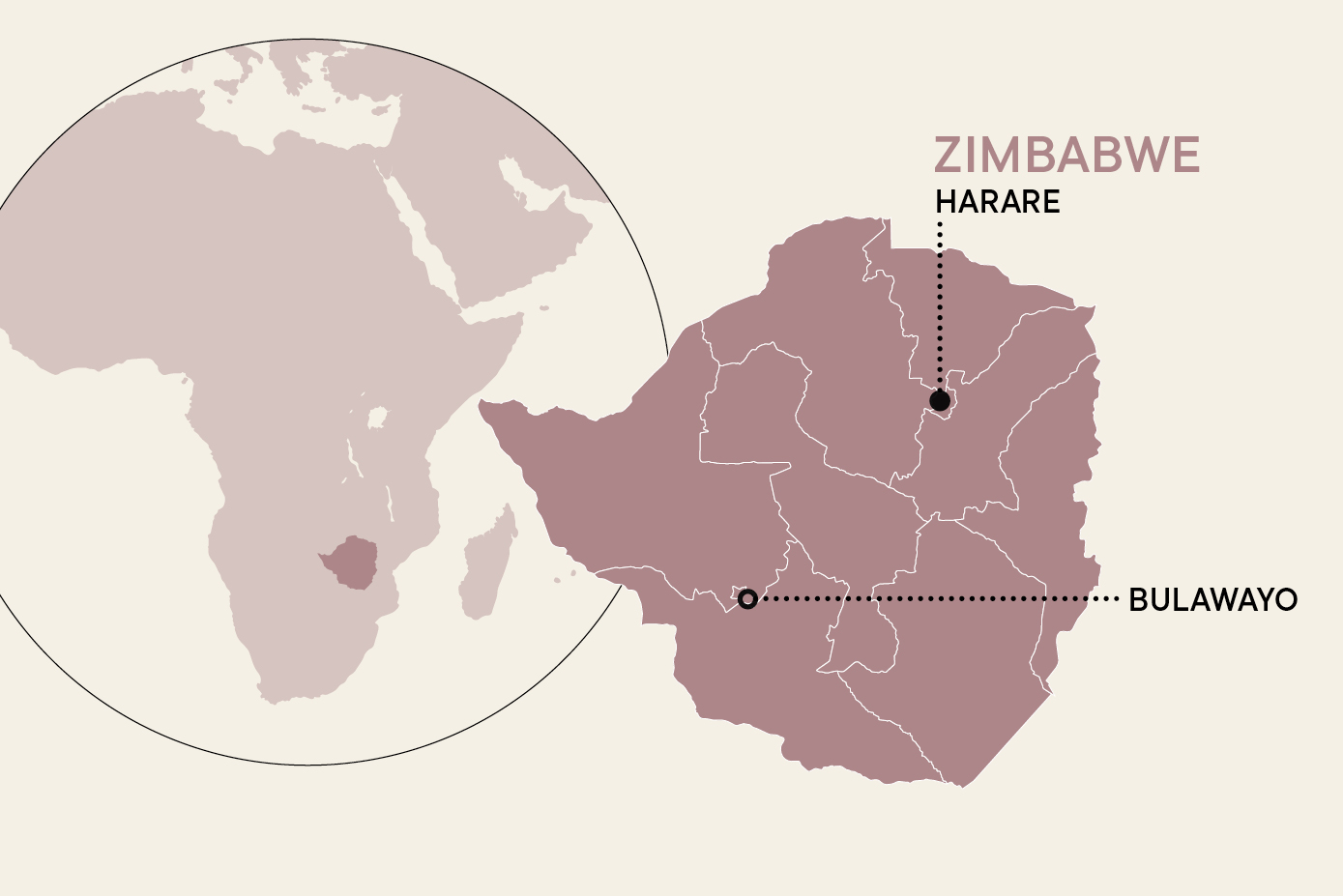
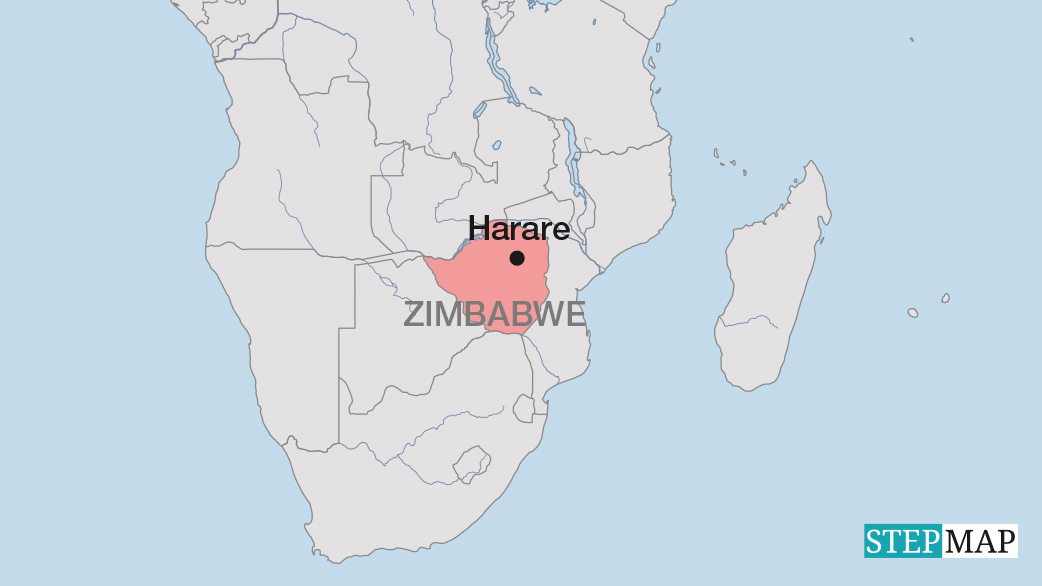
Just outside Bulawayo, Zimbabwe’s second-largest city, peri-urban farmer Moses Kumbweya tends to a small plot of lettuce, onions, cucumbers and coloured peppers. For years, his farming depended on two things he could not control: the arrival of the November rains and Zimbabwe’s unreliable national power grid, ZESA.
“For years, I did what most people do. I waited for the rains in November, and I waited for ZESA to come back so we could pump water and carry out our farming activities,” Kumbweya says. “If the rains were late, our crops wilted. And with power cuts of four to eight hours a day, production was badly affected.”
Yet, as of this year, Kumbweya no longer has to wait. He installed a solar-powered irrigation system on his plot. When the sun rises, photovoltaic panels now power a pump that draws water from a well and feeds it through small pipes to the roots of his crops. “The system means we no longer have to wait for rainfall before irrigating,” he says. “Now that we are no longer waiting for the rains, when the sun rises, we pump the water.”
Kumbweya says the system has allowed him to keep supplying Bulawayo markets with fresh produce during dry spells and power cuts. And he is not alone in trying to escape that dependence on rain and unreliable electricity. Much of Zimbabwean agriculture remains rain-fed, leaving farmers particularly vulnerable to drought and increasingly erratic rainfall.
Solar-powered irrigation can address two challenges at once: it gives farmers more consistent access to water while reducing their dependence on the national grid. But that independence does not come cheap. Kumbweya’s system cost about $ 850 and included a one-horsepower pump, two solar panels and an inverter. He could only afford it because a local supplier allowed him to pay in instalments.
Affordable financing is key
For many small farmers, the upfront price remains one of the biggest barriers. Research on solar irrigation in sub-Saharan Africa points to affordable financing as a key condition for wider adoption. Payment plans like Kumbweya’s can therefore mean the difference between technology being available in theory and actually reaching small farms.
Cheaper pumping brings yet another challenge. Solar power reduces the electricity costs, but it does not make water unlimited. Once a system is installed, farmers can pump more water at very little additional cost. Scientists therefore warn that wider use of solar irrigation needs to go hand in hand with careful groundwater management.
Across Africa and beyond, interest in the technology is growing. Ashish Khanna, Director General of the International Solar Alliance, points to Uganda, where solar pumps have supported year-round multi-crop farming and, in some cases, helped farmers increase their income. Even more impressive, he says, is the progress in India. The country has already deployed solar irrigation on a vastly larger scale, showing what government support and financing can make possible. “The difference in scale is striking. India has installed about 2.3 million solar pumps in three years, with another 5 million planned,” says Khanna.
Ultimately, the system cannot take away every uncertainty. Water can still run short, equipment can fail and $ 850 remains a large investment for a small farmer. But it has shifted one decision back into Kumbweya’s hands: choosing when to water his crops. No longer will he depend entirely on the rains or ZESA.
Lungelo Ndhlovu is a freelance journalist based in Bulawayo, Zimbabwe.
ndlovu.lungelo@gmail.com
This story is part of The 89 Percent Project, an initiative of the global journalism collaboration Covering Climate Now.