Media
Why we should not believe the doom and gloom we see online


At the end of October this year, the media in Western Europe were dominated by a single topic: the student protests. For the first time since the Fridays for Future demonstrations, huge numbers of young people took to the streets in countries like France, Germany, Spain and Belgium. The media focused primarily on the violent excesses at the margins of the demonstrations and repeatedly questioned whether the protests could be justified at all given this issue. The reporting revealed that Europe, as it so often does, was only looking at the events through the lens of its own experience.
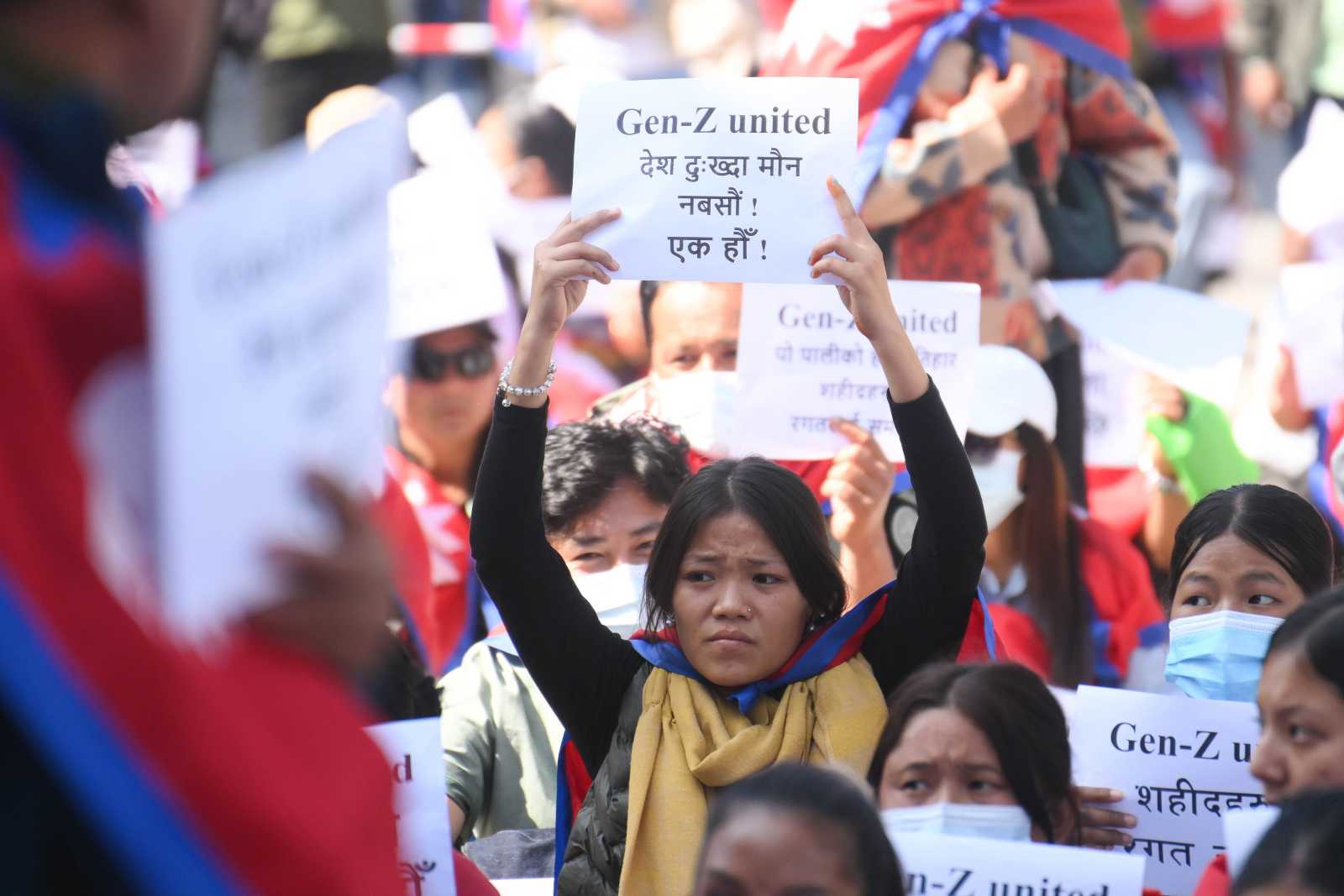
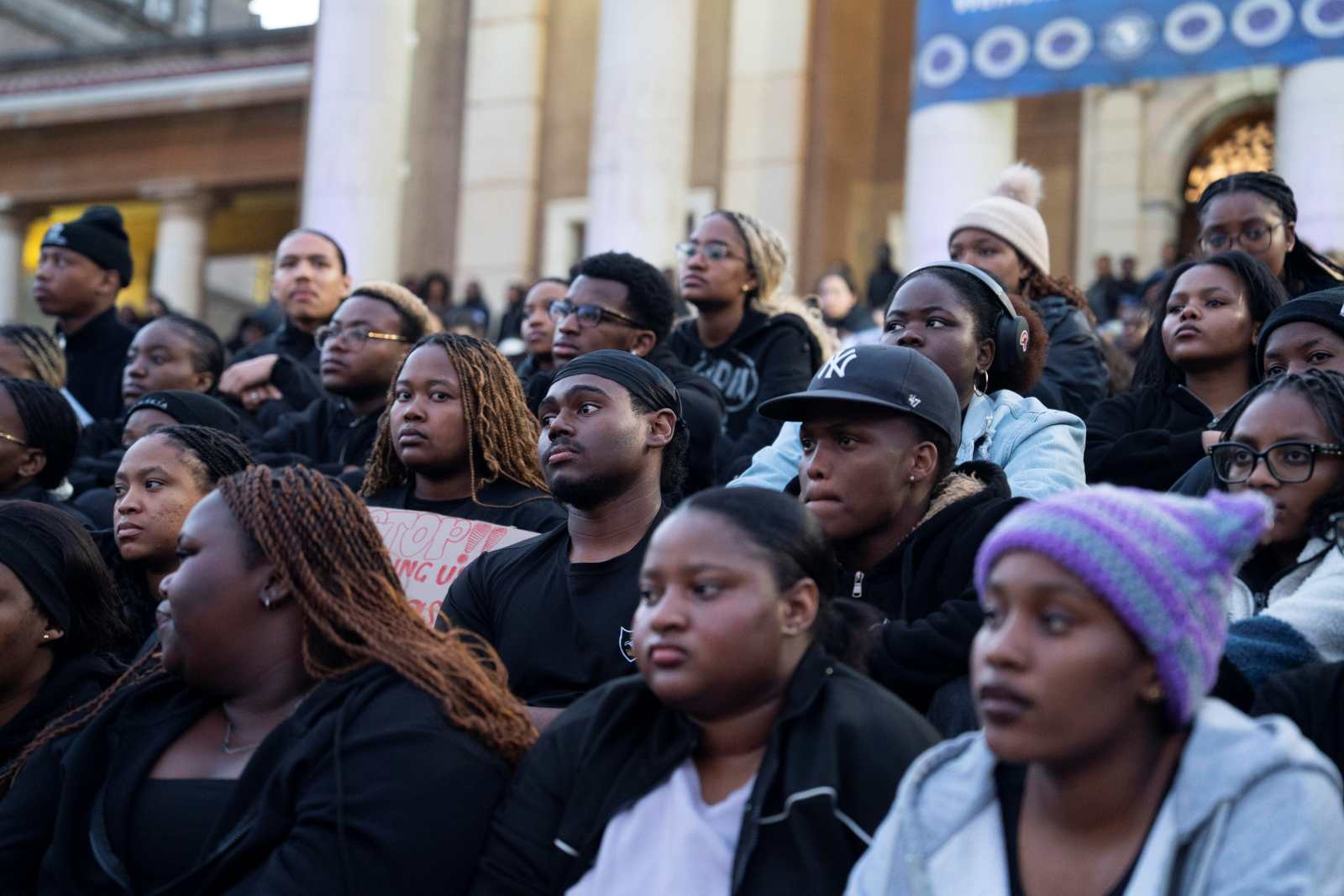
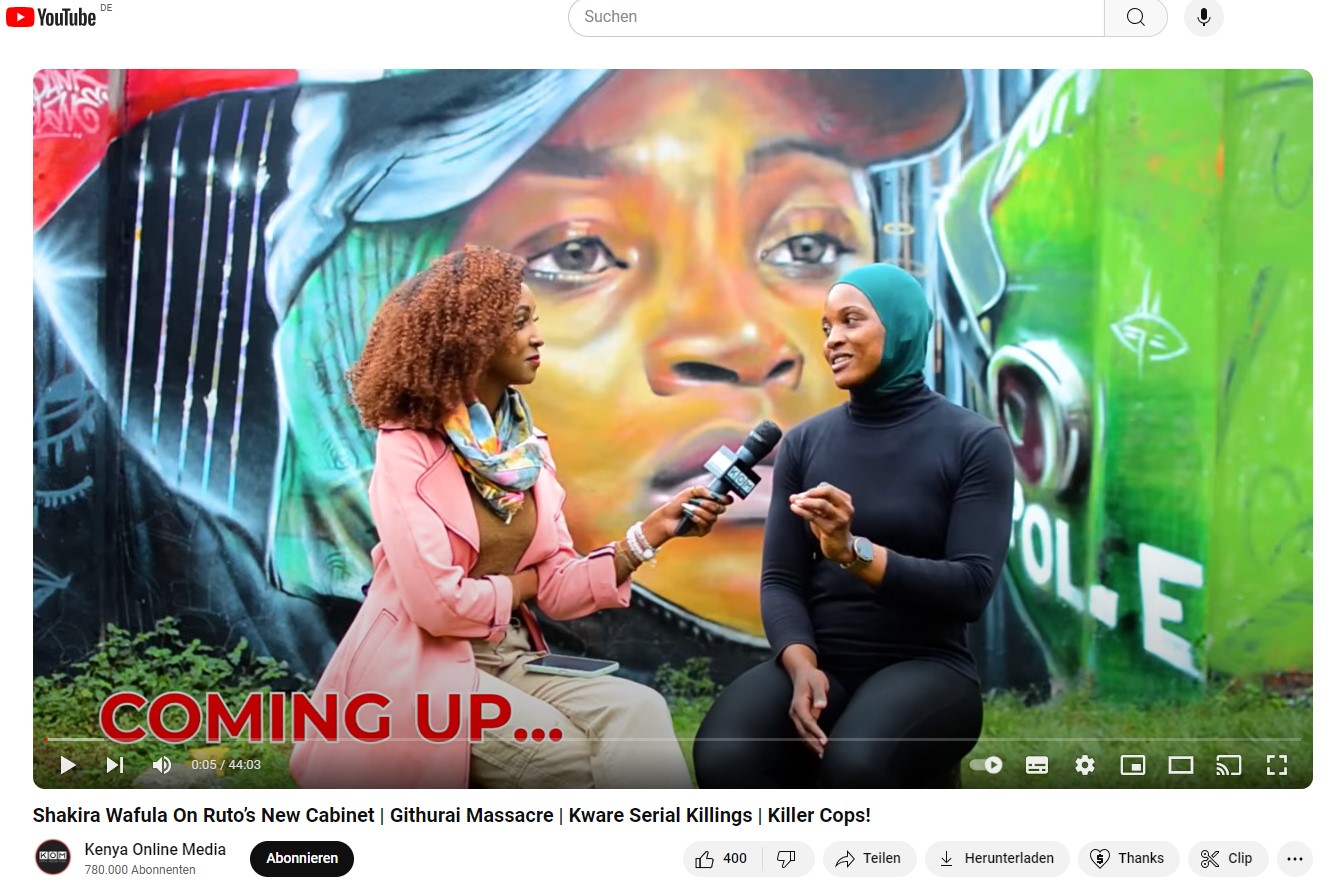
But the Gen Z protests were by no means invented by the young people of Europe. Over the past few years, these demonstrations have spread to almost every continent. In D+C, we have reported on protests in Kenya, Morocco, Nepal, India, Peru and elsewhere – and that is only a small sample of what has happened worldwide. In countries like Bangladesh, Nepal, Sri Lanka and most recently Serbia, these protests have led to new governments. The triggers in each case are different, but the underlying causes are surprisingly similar: young people are worried about corruption and the abuse of power, rising poverty, cuts to social services, a lack of investment in education, job opportunities and climate change.
If one keeps that in mind, then the protests here at home appear in a new light. It no longer makes sense to view them as the work of a group of poorly behaved kids. Instead, we are talking about a worldwide movement against inequality and a stolen future. European media have mentioned that only in passing, if at all.
Rage and doom are what drive social media
The fact that we often don’t look beyond Europe’s borders and don’t take the protests seriously as a result, and that we primarily see their destructive side, also has to do with the state of the media and our debate culture.
The Reuters Institute’s 2026 Digital News Report found that for the first time, more people around the world are sourcing information from social media and video platforms than from the websites and apps of traditional media. This also means that it is increasingly the non-transparent algorithms of tech companies that are determining what we know, think and feel.
According to an analysis by Ava Lee that appeared in D+C last year, these algorithms create “financial incentives for spreading emotive rather than informative content”. Social media primarily promotes content that provokes an emotional reaction – especially anger. Negative stereotypes, division and polarisation are what the algorithm prefers. In Germany, the English phrase for this phenomenon was recently chosen as 2026’s youth word of the year: “rage bait”.
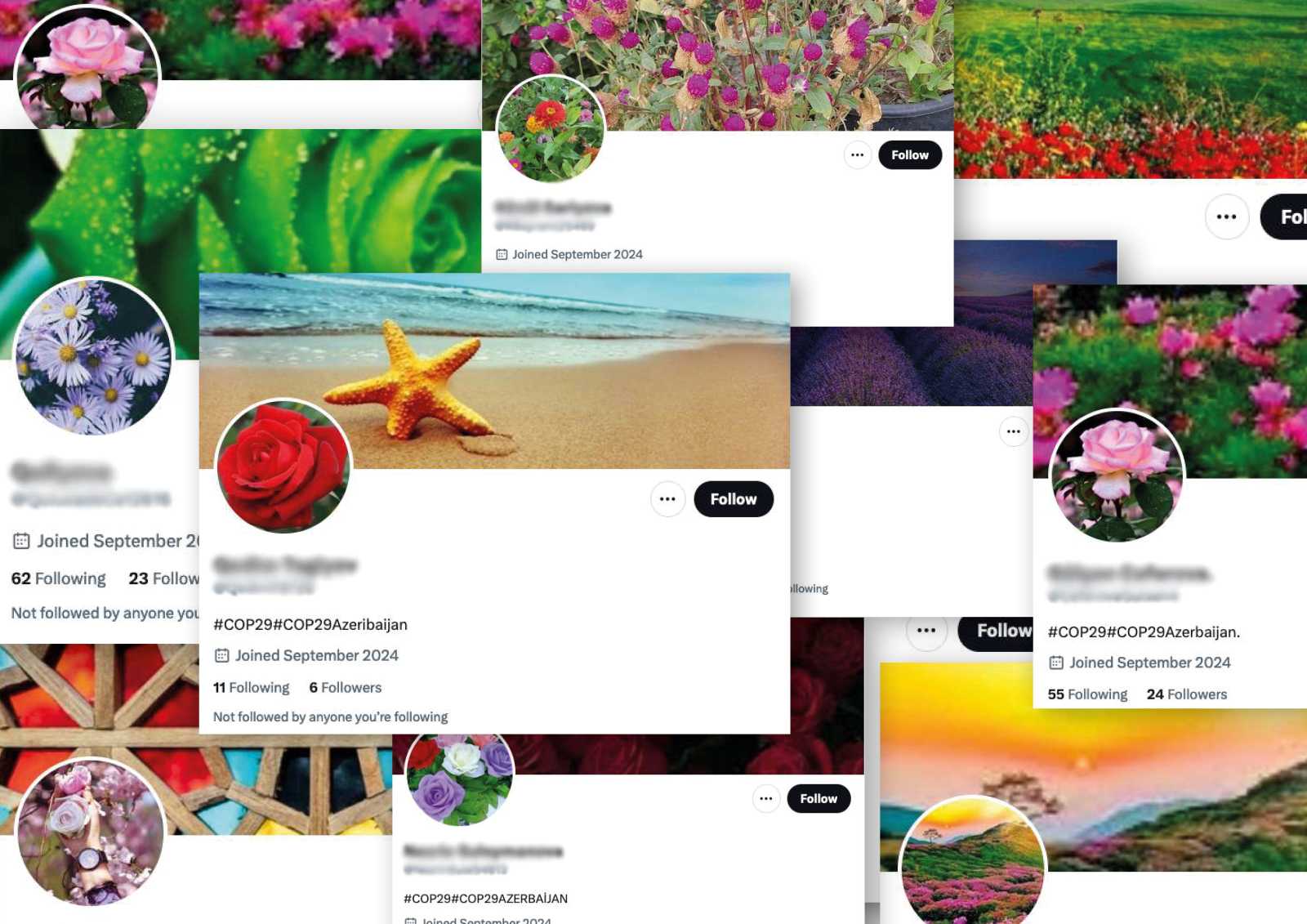
We are also increasingly exposed to the influence of what are often authoritarian forces that use trolling and disinformation to divide our societies. Their fake, frequently automated social media profiles make certain topics and opinions seem much more widespread than they actually are. False information also typically relies on outrage and spreads more quickly as a result.
The EU has designated “Foreign Information Manipulation and Interference” (FIMI) an important hybrid threat. It undermines trust in democratic institutions and amplifies the most extreme voices to weaken democratic societies. This affects all areas of society that advocate for tolerance, community and a better future – and, more specifically, international solidarity and development politics.
Loud is not the same as true
Fortunately, research also shows that what we experience online is not the whole truth. Experts like sociologist Steffen Mau have determined that in Germany, people’s attitudes are much less divided than public debates would suggest. Most people fundamentally support regulated immigration, greater gender equality and are for tolerance and against discrimination. Most would also support more climate protection, and over a third of Germans are involved in volunteer activities.
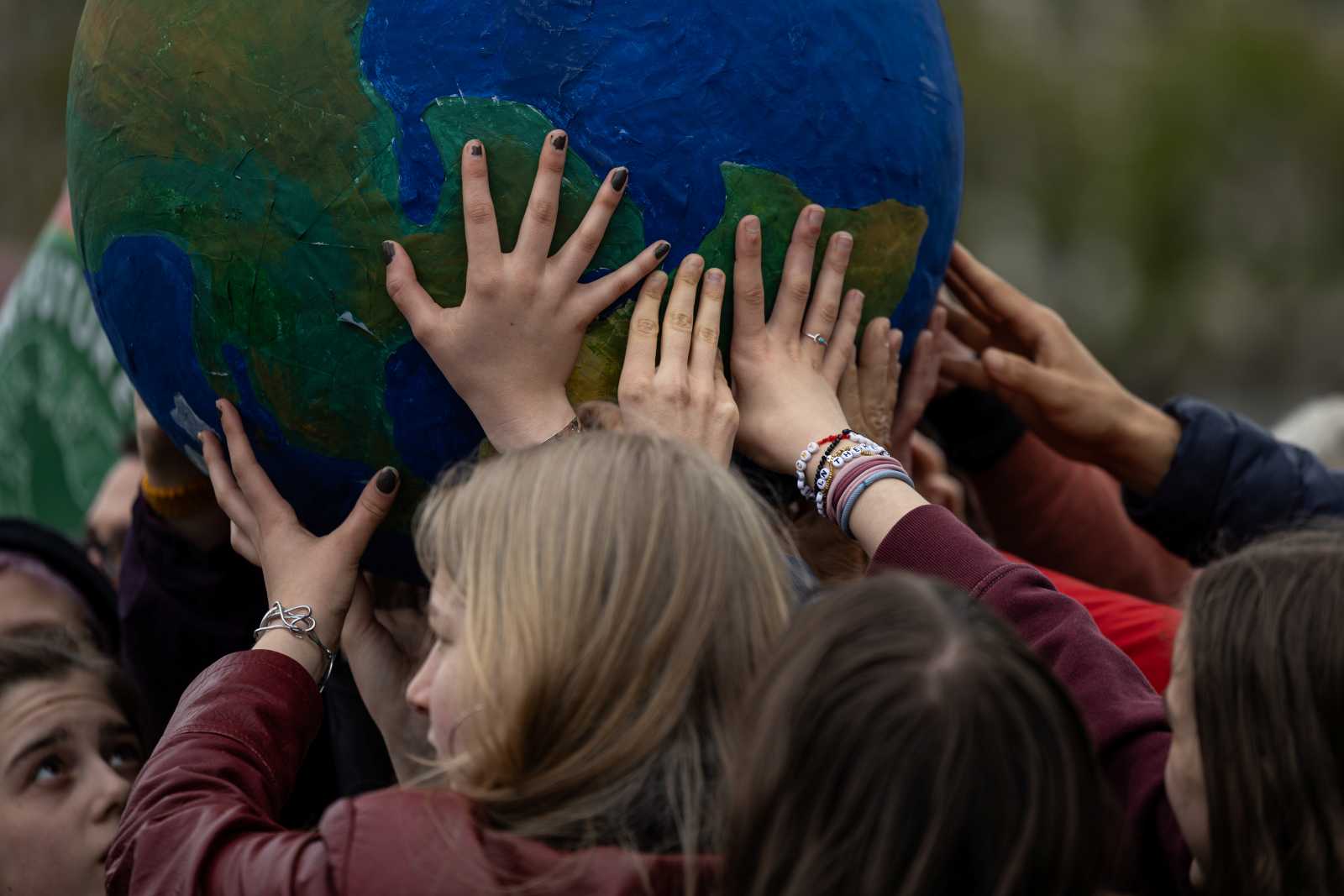
Therefore, our society is not too badly off. But our perception is different: for example, most people dramatically underestimate how many other people are in favour of climate protection. And while two out of three Germans experience cohesion and a sense of belonging in their own lives, they are concerned about social cohesion in the country as a whole.
Visibility creates relevance
The problem is that our perceptions have consequences for our actions. Content and topics that are more visible seem more important. Conversely, anyone who feels like their opinions are in the minority tends not to speak up.
That’s why it’s so important to make other perspectives visible online too: to show cohesion and empathy, to reach people emotionally, to create closeness. We need to see greater confidence in and better visions for the future online – and the belief that things can get better. Even though we don’t know yet how the political situations in Nepal, Bangladesh or Serbia will develop, the Gen Z protests show how much people can achieve when they work together.
This text is a summary of the keynote speech delivered by our editor-in-chief in November 2026 at the awards ceremony for the CHANGE! NRW-Medienpreis für entwicklungspolitisches Engagement in Cologne. The award recognises outstanding online content and social media campaigns that raise awareness of global development initiatives and their impact in a creative and impactful manner.
Eva-Maria Verfürth is editor-in-chief of D+C.
euz.editor@dandc.eu