International cooperation
An investment in water is an investment in security


“Water as a weapon” – that was a headline when Iran carried out targeted attacks on desalination plants in the Persian Gulf in early March this year. What was publicly declared to be retaliation for attacks by the US and Israel on Iranian water and energy facilities had a clear geostrategic objective: to cut off the civilian population and the economies of Bahrain, Kuwait and the United Arab Emirates from the essential resource of water.
The Middle East is one of the driest regions in the world. Millions of people in that region depend on desalination plants for their drinking water. In Kuwait, 90 % of drinking water comes from desalination plants; in the United Arab Emirates, the figure is more than 42 %. An attack on these facilities could trigger a humanitarian crisis within a very short space of time. Entire towns would have to be evacuated. The economic consequences would also be dramatic: agriculture, industry and energy production are at risk of coming to a standstill without sufficient water.
Water – the strategic resource of the 21st century
In March, the worst outcomes were prevented. But this incident is a prime example of just how vulnerable our societies have become in the face of increasing water scarcity. Water is becoming the most strategically important resource of the 21st century – comparable to the importance of energy in the last century. Cutting off access to water not only jeopardises people’s water supply, but also stability and peace.
Water is much more than just a natural resource. Clean drinking water and safe sanitation are essential for healthcare systems to function, for children to attend school and for people to be able to earn a living. They are a safeguard against disease, poverty and hunger. They support agriculture, industry and a reliable energy supply. That is why access to water and sanitation is a human right.
Yet water is becoming scarcer and scarcer everywhere in the world. As a result, the availability of water is increasingly becoming a security issue as well. Where water is in short supply or distributed very unevenly, there is a risk of conflict over water distribution, or even food and supply crises. Water scarcity is thus becoming a risk to social stability and to peace within and between countries.
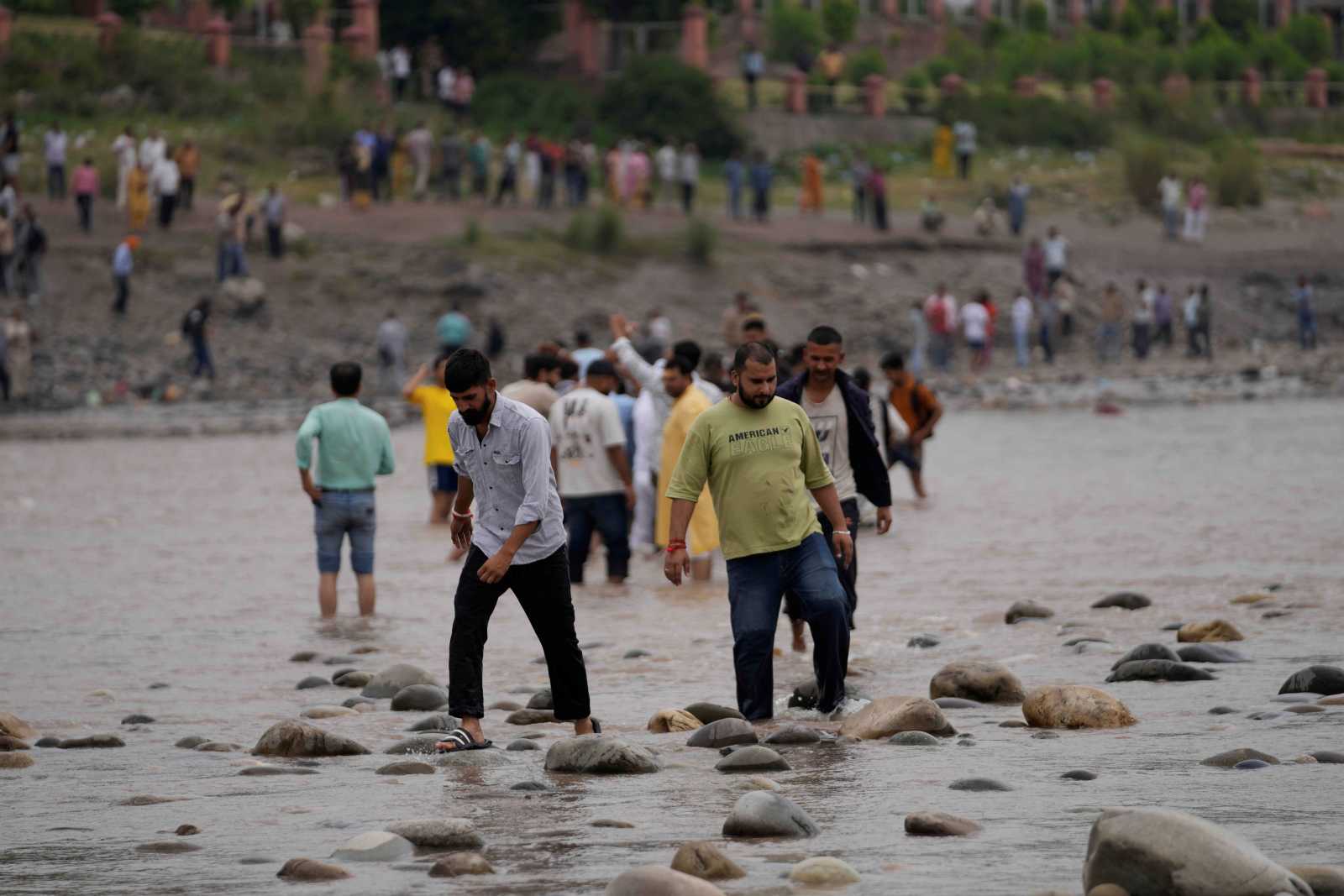
Climate change and the over-use of water resources are making the problem far worse: they disrupt the water cycle, cause water sources to dry up and make extreme weather events such as droughts or floods – with all their consequences – more likely and more severe.
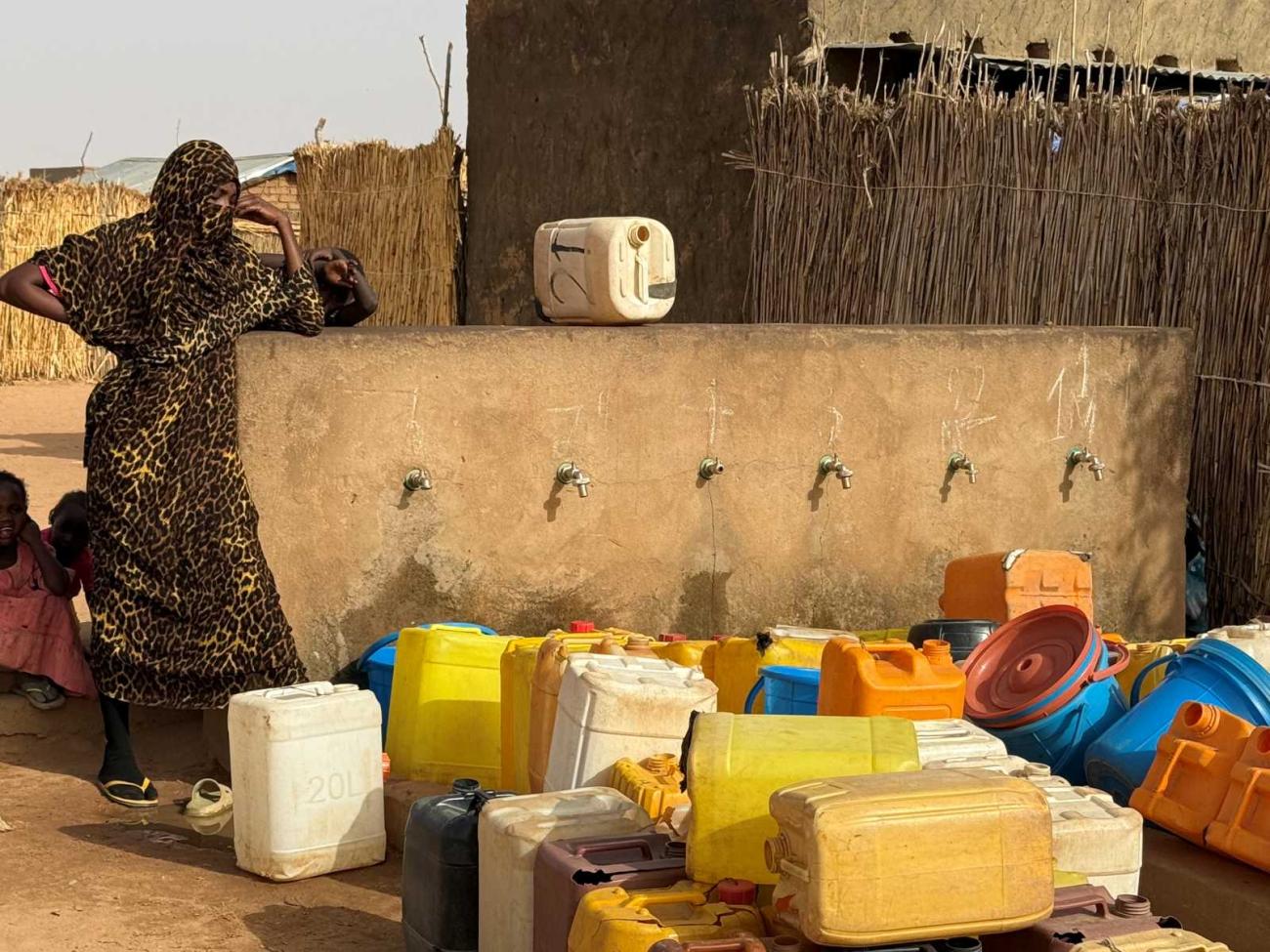
And water crises are by no means unique to war zones. There are still over 2 billion people worldwide who have no safe access to clean water. Only about half of all freshwater sources have good water quality. Every year, more than 1.4 million people, many of them children, die from diseases such as diarrhoea, which are linked to a lack of access to water, sanitation and hygiene. Women and girls are especially affected. They often spend hours every day fetching water. For many girls, this means less time at school, less education and, as a result, poorer prospects for the future.
Water security – a focus of German development cooperation
Access to water is therefore a determining factor when it comes to opportunities, health, economic development and peace. This is precisely why German development policy has made water a strategic priority and is stepping up its commitment – together with partner countries, at the regional and multilateral level. Water security for all, a core principle of the 2030 Agenda and its Sustainable Development Goal 6: Clean Water and Sanitation, is also at the heart of our commitment.
Together with our partner countries, we are working to realise the human rights to water and sanitation. Municipalities and municipal enterprises are key actors in this effort. They are often responsible for the planning, operation and maintenance of the water infrastructure. For example, we are assisting Iraq and Jordan in reducing water loss caused by leaks in the drinking water system and in recycling wastewater. In Mali and Kenya, we are supporting efforts to develop small-scale irrigation networks for smallholder farmers. And in Namibia, we are helping to modernise a sewage treatment plant and build a water treatment plant in the capital, Windhoek, which will treat wastewater back into drinking water, thereby strengthening the country’s resilience to drought.
We are also working with local and national authorities to strengthen water governance. This means shaping the legal and institutional framework so that water resources are protected and distributed in a socially equitable manner. We are helping countries such as Jordan and Tunisia in efforts to reform their national water strategies and modernise their water legislation. Our projects place particular emphasis on disadvantaged groups and regions, which often still have inadequate access to water and sanitation. It is important to structure water charges so as to make them affordable for all citizens. Socially equitable tariffs and targeted investment are key tools for achieving this.
Jordan is a prime example of why water security is now a matter of security policy. Jordan is one of the most water-scarce countries in the world. During the summer months, the available water is often insufficient. In addition, groundwater levels have been falling for years, and climate change and population growth are putting them under further pressure. Germany is supporting Jordan in its efforts to improve its water infrastructure and set up a centralised system for collecting water and energy data. This helps to reduce water loss, cut water consumption and protect groundwater. We are contributing to the financing of a seawater desalination plant and the construction of low-emission sewage treatment plants. This makes wastewater usable for agriculture and ensures that larger amounts of valuable drinking water are available for the population. In the north of the country, water and wastewater pipes have been installed, giving hundreds of thousands of local people and refugees access to drinking water and sanitation.
Water knows no borders
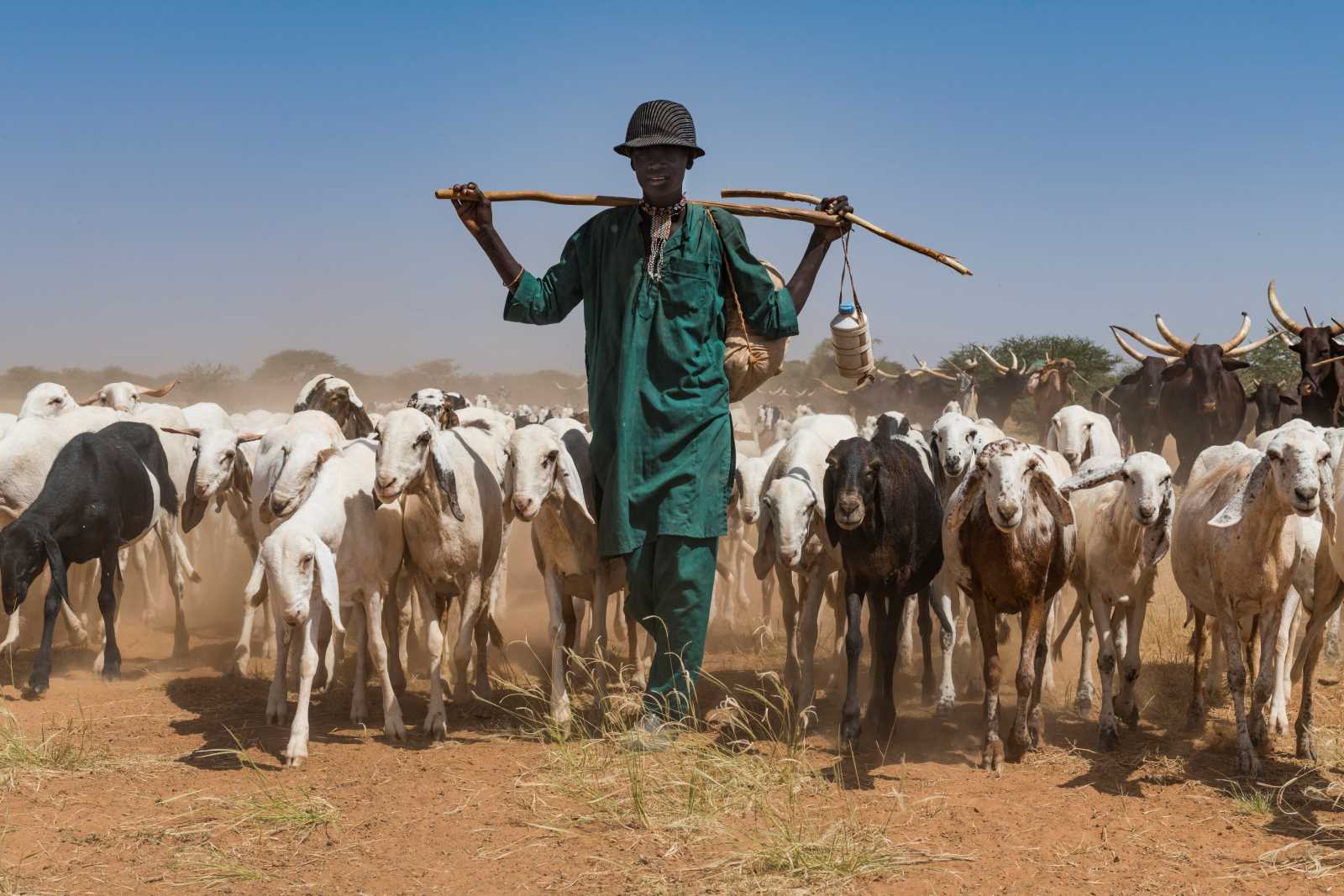
Countries like Jordan rely on rivers such as the Jordan for their water security. And, like a large proportion of the world’s available fresh water, the Jordan flows across national borders. This harbours the potential for conflict and makes cross-border cooperation essential. At the same time, peaceful cooperation on water issues also offers great opportunities.
Germany supports regional cooperation among countries sharing water resources. The aim is to prevent conflicts, promote the equitable distribution of water and protect ecosystems across borders. To this end, joint management plans for river basins, lakes and groundwater bodies are being developed, data on water resources is being exchanged, and coordinated early warning and crisis response mechanisms are being established. We support regional organisations – such as river basin organisations and regional banks – so that they can bring stakeholders together and promote joint investment in water infrastructure. This facilitates the development of binding rules on the use and abstraction of water.
This is evident, for example, in the Lake Chad Basin, whose waters are both a lifeline and a source of conflict between the bordering countries of Cameroon, Niger, Nigeria and Chad. The BMZ is working with the Lake Chad Basin Commission (CBLT) to establish climate-resilient, transboundary water resource management. A key aim in these efforts is to strengthen the Commission’s own capacities. Together, we want to expand regional information systems on water resources and establish planning tools that involve everyone.
Global alliances to promote water security
At the multilateral level, too, Germany’s development policy is committed to dialogue and to striking a balance between the interests of all user groups. We are working explicitly to strengthen partnerships for water security and are advocating for a stronger role for UN Water so that the water programmes of the various UN organisations can be better coordinated. The UN Water Conference in Abu Dhabi this December is an important milestone for agreeing on ambitious measures at the international level to ensure global water security. Similarly, we support an active role for multilateral development banks – for example as implementing partners for the World Bank’s Water Forward initiative, which mobilises additional funding for climate-resilient water and sanitation services. And as the host country for the Secretariat of the United Nations Convention to Combat Desertification (UNCCD), we are using our special responsibility to put the issue of drought resilience on the global agenda.
A matter of survival
Water crises are not a law of nature. They are often the result of political decisions, structural inequality and a lack of preparedness. That is why political responses are needed to the worsening water crisis: decisive action to uphold the human rights to water and sanitation, consistent climate action and close international cooperation.
During my visit to Amman last year, Jihad Al-Mahamid, Secretary-General of Jordan’s Ministry of Water, underscored just how vital this cooperation is. When asked what would happen if Germany were to withdraw its support, he said, “We would all die. There would be no more water in Jordan – we would all die.”
That sentence has stayed with me ever since. It makes it clear what water security is ultimately about: not pumps or pipelines, but human lives, economic prospects and peace. Especially in these times of geopolitical tensions, it is evident that investing in water today is not just investing in infrastructure. It is investing in health, resilience to climate change and economic development – and thus in security and peace.
Sources
UN, 2026: The Sustainable Development Goals Report.
World Health Organization (WHO), 2026: WHO water, sanitation, hygiene and waste strategy 2026-2035.
Reem Alabali Radovan is Germany’s federal minister for economic cooperation and development.
bmz.de/en