Conflict
Khartoum: a city picks up its pieces


In September 2025, once the Sudanese Armed Forces (SAF) had regained control of the city following the withdrawal of the paramilitary Rapid Support Forces (RSF) in March 2025, Osama Elrayah returned to Sayyid Abdul Rahman Street in central Khartoum. The capital was nothing like the city he had left when war had broken out two years earlier. It was now shrouded in destruction and silence, its usual bustle gone.
Elrayah is the owner of the Dar Al Musawarat Library and Publishing House. He found his bookstore’s doors wide open. It hadn’t been looted or burned, but neglect had left its mark: dust lay thickly on books scattered across the floor, and trees had sprouted between the shelves. “I arrived as soon as the area was liberated,” he says. “The first thing I did was clean the library with the help of two friends.”
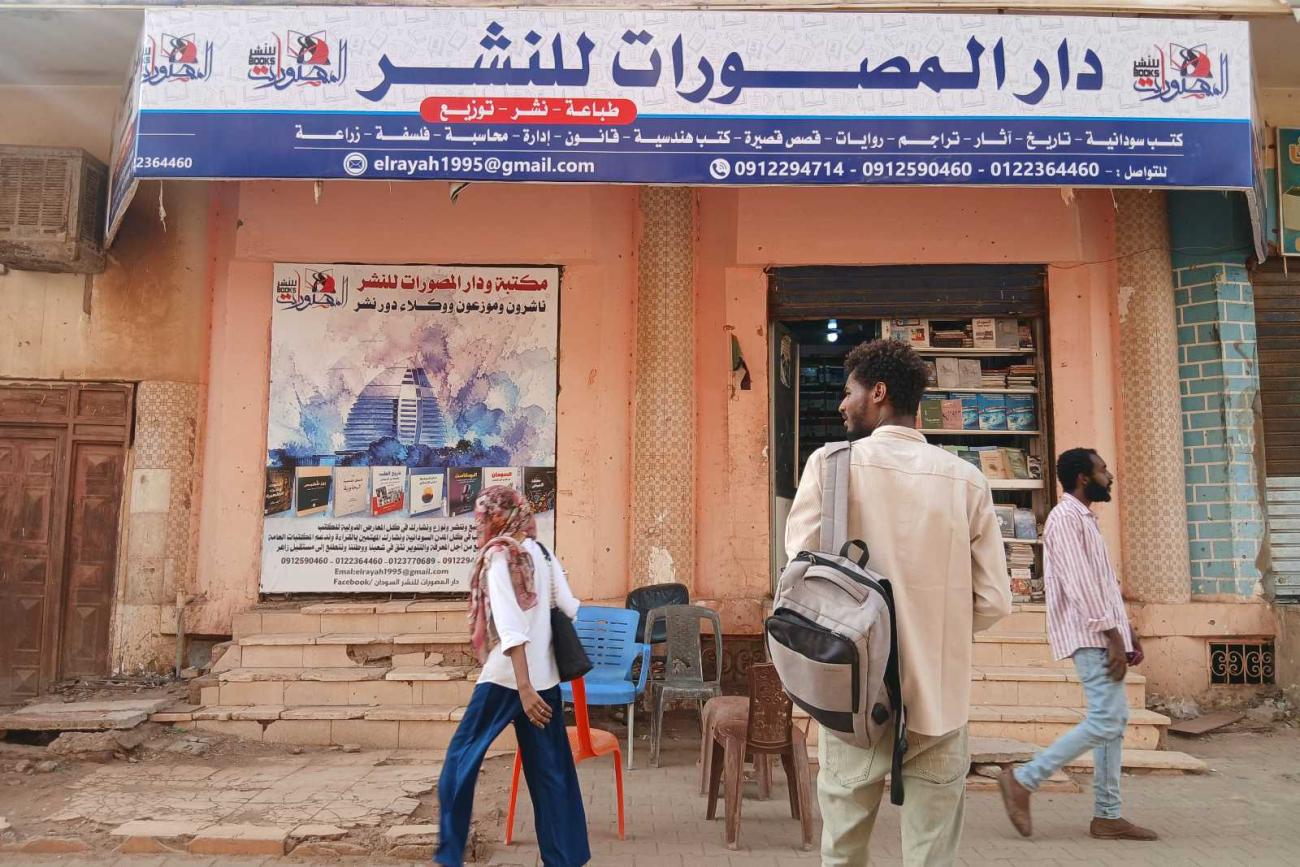
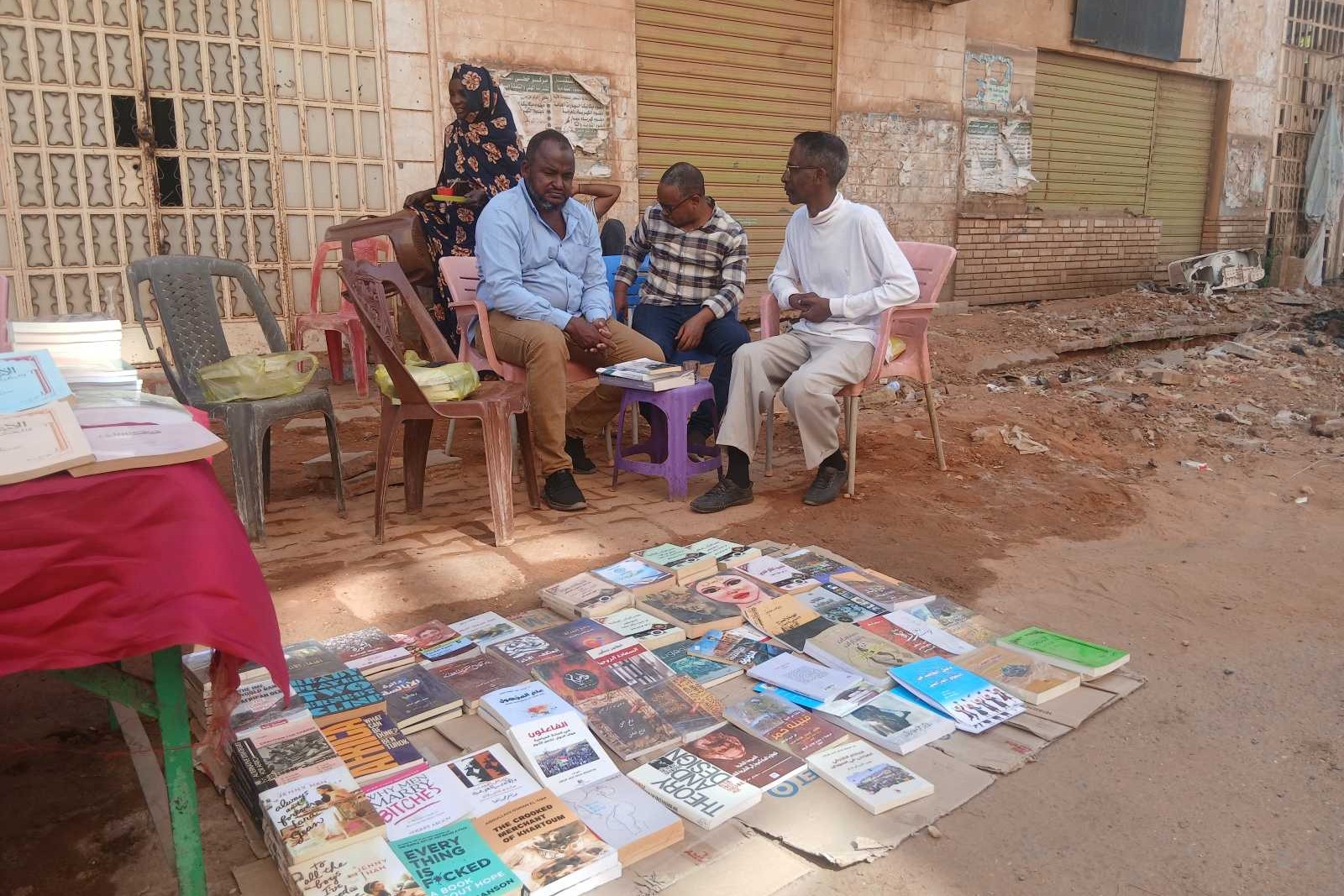
Reopening the library didn’t immediately bring readers and customers back. Elrayah opened the library three days a week into early 2026 but had few visitors. Rather than wait, he moved books out onto the pavement, selling them at discounted prices – with the help of some young volunteers – as part of the “Mafroush” street fair events. By the end of the year, the used book fair had attracted visitors and other small bookstores.
Mawada al-Tom, 30, is a regular visitor. She says the fairs used to be part of her cultural life before the war. “The war changed my relationship with books: at first it was driven by curiosity, then books became an escape, then a breath of fresh air, then friends and a refuge,” she says. “I saw the book fairs as a rose that had sprouted amid the rubble.”
Inspired by the “Mafroush” events, 52-year-old bookseller Muhammad al-Sheikh shows up daily at Al-Kalakla Al-Lafa market in southern Khartoum to display his books on philosophy, literature and history on the ground, despite falling sales. “People ask about books, but I don’t make sales every day,” he says. “All the same, I come every day, even if no one buys a book from me.”
By mid-2026, the Mafroush book fair initiative had expanded across all three cities of the tripartite metropolis of Khartoum – Khartoum proper, Omdurman and Khartoum North (Bahri). Working with bookstores like Nirvana and Opal, the initiative had also been extended to include other Sudanese cities such as Port Sudan, Atbara and Kosti.
Reclaiming public spaces on bikes
Civil society groups have also been reviving the city on two wheels. Bike clubs like the Sudanese Amateur Cyclist Club existed before the war, but when the fighting broke out, its members scattered and its bikes were destroyed.
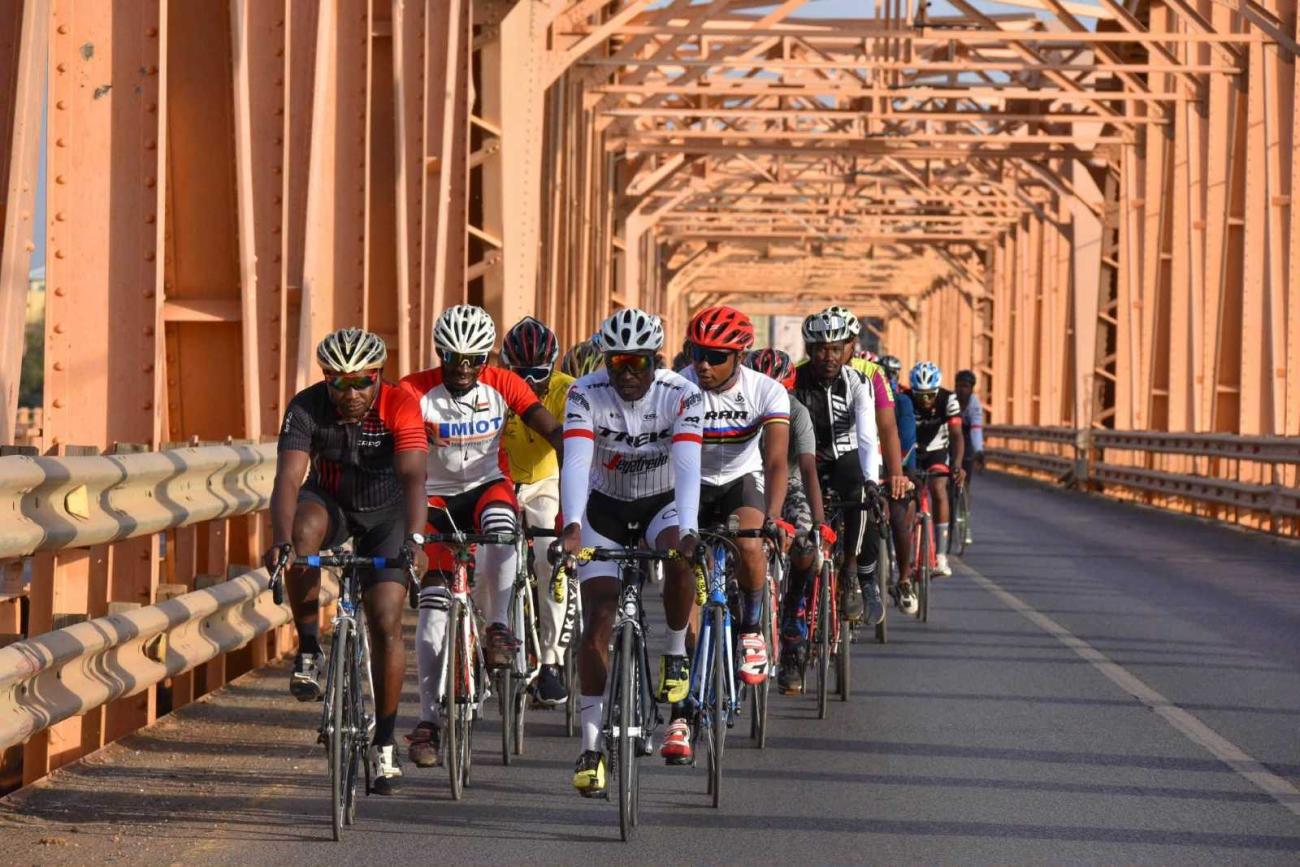
Ahmed Al-Murad, 34, returned to Khartoum as soon as the army regained control. The member of the men’s national cycling team decided, along with a teammate, not to wait for institutional support. They got hold of bicycles and organised training sessions, starting with 40- to 60-kilometre routes through Khartoum, which they then extended to 80- to 120-kilometre rides coordinated with the local authorities. As rides expanded in the capital, the group also started working to reunite the city’s various cycling clubs.
Islam Al-Sadiq was selected for the women’s national team in national qualifiers in August. However, for the 26-year-old, returning to her sport was hard. “The roads were in a terrible state and there was no security, not to mention the theft of professional-grade bicycles and the resulting rise in their prices”, she says. She also still faces social pushback against women cycling in public. “But my perseverance and that of my teammates led to races being organised and new members recruited, which helped to slightly increase social acceptance of women doing this sport.” She sees cycling as a way for women to reclaim their presence on the street.
The creation of a new city
Urban researcher Hassan Al-Nasser documents Khartoum’s postwar transformation in a book and in a series of discussions on the Sudanese cultural platform “The Muse multi studios”. He argues that what is happening in the city right now isn’t simply a matter of Khartoum regaining its former shape. “Khartoum is witnessing the actual creation of a ‘new city’ that is emerging from the rubble, with different geographical and social centres of gravity than those that characterised the city before the war,” he says.
He describes book fairs and cycling clubs not merely as recreational activities but as “primary networks of revitalisation” that are remapping the social boundaries of places that fell apart during the war. However, Al-Nasser warns against treating this surge in civic action as a substitute for state responsibility: “There is a real danger that the authorities will take this for granted and shirk their actual responsibilities by allowing community solidarity to take the place of official planning.” Operating water and electricity networks, repairing infrastructure and planning long-term urban development, he stresses, remain tasks that no volunteer initiative can shoulder alone.
These initiatives will not in themselves enable a city the size of Khartoum to recover. What they can do is restore fragments of daily life and create local networks that formal reconstruction could build on. A library reopening its doors, a bookseller returning to the pavement each day regardless of sales, a cycling club reorganising its ranks – though not solutions in themselves, these are very important first steps.
Khartoum is embarking on reconstruction. Despite the devastating war, which has led to one of the worst displacement crises in recent history and is still raging in other parts of the country, this presents an opportunity – provided that official planning takes into account the knowledge that residents have gained about their own neighbourhoods and needs.
Aunnab Alman is a Sudan-based freelance writer, researcher and journalist.
aunnabelman@gmail.com
This story was published in collaboration with Egab.