Conflict
Why military solutions keep failing in the Sahel


When the military governments of Mali, Niger and Burkina Faso expelled French forces from their countries and turned to Russia as a new security partner, many observers saw this as a geopolitical realignment. For the citizens of these countries, however, this change reflected something deeper: years of international cooperation in the fight against terrorism had brought neither security nor stability nor development.
The situation in Mali is particularly precarious at the moment. Since 2012, when Tuareg rebels launched an uprising in northern Mali, armed groups have steadily expanded their influence within the country and across the Sahel region. Hundreds of thousands have been displaced, and economic growth has stagnated. Around a decade later, a wave of military coups swept across the region. The inability of democratic leaders to end insecurity was cited as the main reason for the takeovers. The current debate continues to be dominated by the issues of terrorism, foreign intervention and rivalry between the major powers. All of these are important, but they are not at the heart of the problem.
The crisis in the Sahel is primarily political in nature. Armed groups in the region have gained influence not only because of state weakness, but also because many citizens feel marginalised, neglected and alienated by the governments that claim to represent them. Insurgent groups have exploited this situation by recruiting vulnerable young people into their ranks.
Until these problems are resolved, neither military operations nor new international alliances are likely to lead to lasting peace.
The rebellion that never really ended
The crises in Mali date back decades and began even before the emergence of jihadist groups. Since the country gained independence in 1960, the Tuareg communities in the north have repeatedly accused successive governments of political marginalisation, insufficient investment and economic neglect.
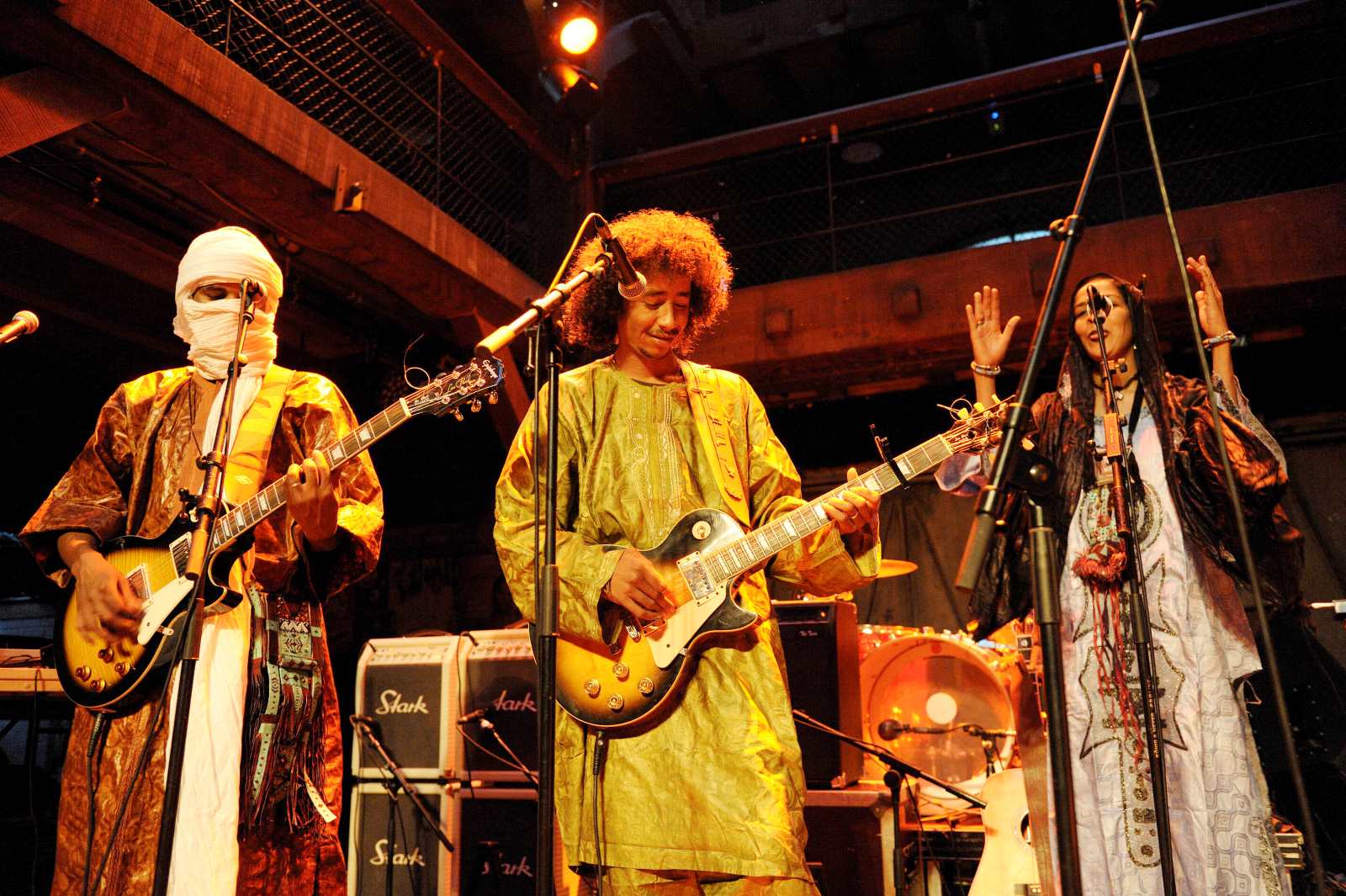
Several peace agreements have been signed between the Tuareg and the central government in Bamako, promising greater participation and development, but their implementation has had no tangible effect. This has fuelled mistrust and discontent, which have built up over generations.
Tensions reached their peak in 2012 with the major Tuareg uprising. Tuareg fighters who had fled to North Africa and returned with weapons from Libya following the fall of the dictator Muammar al-Gaddafi joined forces with Islamist rebels to attack government institutions in several parts of the country. The attack dramatically altered the regional security situation. What began as a nationalist uprising soon became intertwined with jihadist insurgencies and criminal networks.
Since the 2012 rebellion, national and international attention has increasingly focused on terrorism. However, many communities in northern Mali believe that issues such as political representation, state legitimacy and local governance have never been adequately addressed. They have simply been overshadowed by the debate on security.
Why France has lost the battle for legitimacy
At the request of the Malian government, France intervened in 2013 with Operation “Serval”, which was initially welcomed by many Malians. The French-led operation halted the Islamists’ advance southwards and prevented the collapse of the Malian government. Subsequently, the United Nations also became involved through the United Nations Multidimensional Integrated Stabilization Mission in Mali (MINUSMA).
As part of the operation to halt violent extremism, France deployed thousands of soldiers across the Sahel. Despite the foreign intervention – which was accompanied by substantial international funding and years of counter-terrorism operations – the security situation in many areas has deteriorated since then.
There was widespread disappointment amongst the population, as people had hoped for an improvement in the security situation but instead witnessed increased violence, deteriorating living conditions and increasingly unstable state institutions. The result was a rise in xenophobic sentiment, particularly anti-French sentiment, throughout the region.
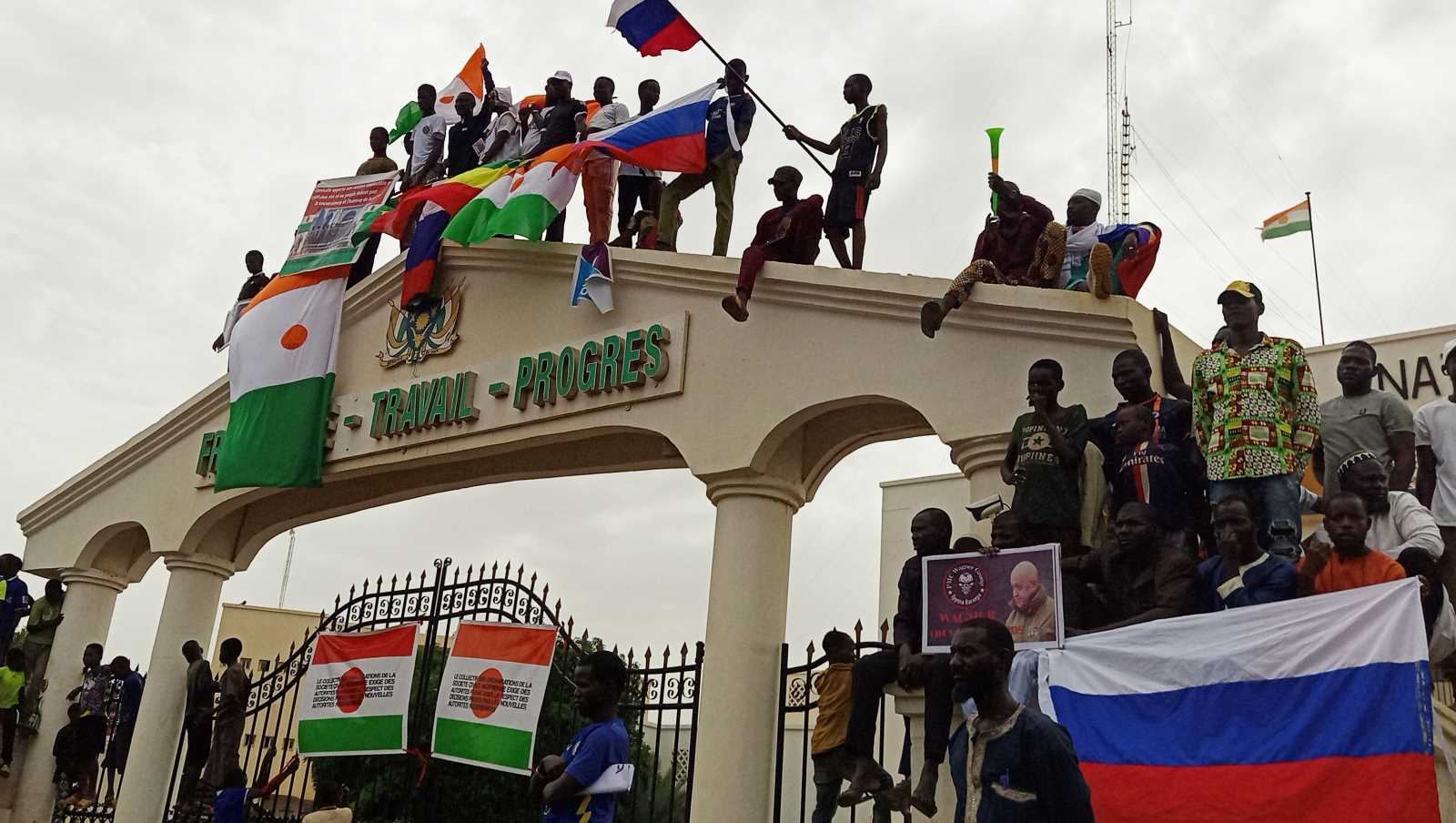
Following a long period of unsuccessful counter-terrorism measures, France came to be associated with the poor status quo. Many believe that France’s presence in the Sahel was solely to protect its political and economic interests. Whether this perception was entirely justified is of secondary importance compared to the fact that it gained political traction. Across the Sahel, politicians and citizens alike began to look for alternative partnerships.
Russia’s advantages and limitations
As dissatisfaction with traditional Western allies grew, Russia exploited this disappointment. By presenting itself as an alternative to Western partners, Moscow has successfully expanded its influence in Mali and other parts of the Sahel.
Whilst the partnership with Western allies has focused on issues of democracy, governance and human rights, cooperation with Russia in the fields of security and the economy offers governments in the Sahel an alternative partnership that provides political flexibility and places less emphasis on these issues.
However, the change in security partners has not resolved the crises in the region. The root causes of instability remain. The population of the Sahel continues to suffer from poverty, marginalisation, poor public services and limited political representation. Armed groups continue to exploit these frustrations. This has led to a democratic setback in the region. Since 2020, there have been five successful coups in Mali, Niger and Burkina Faso.
Climate change is exacerbating an already dire situation
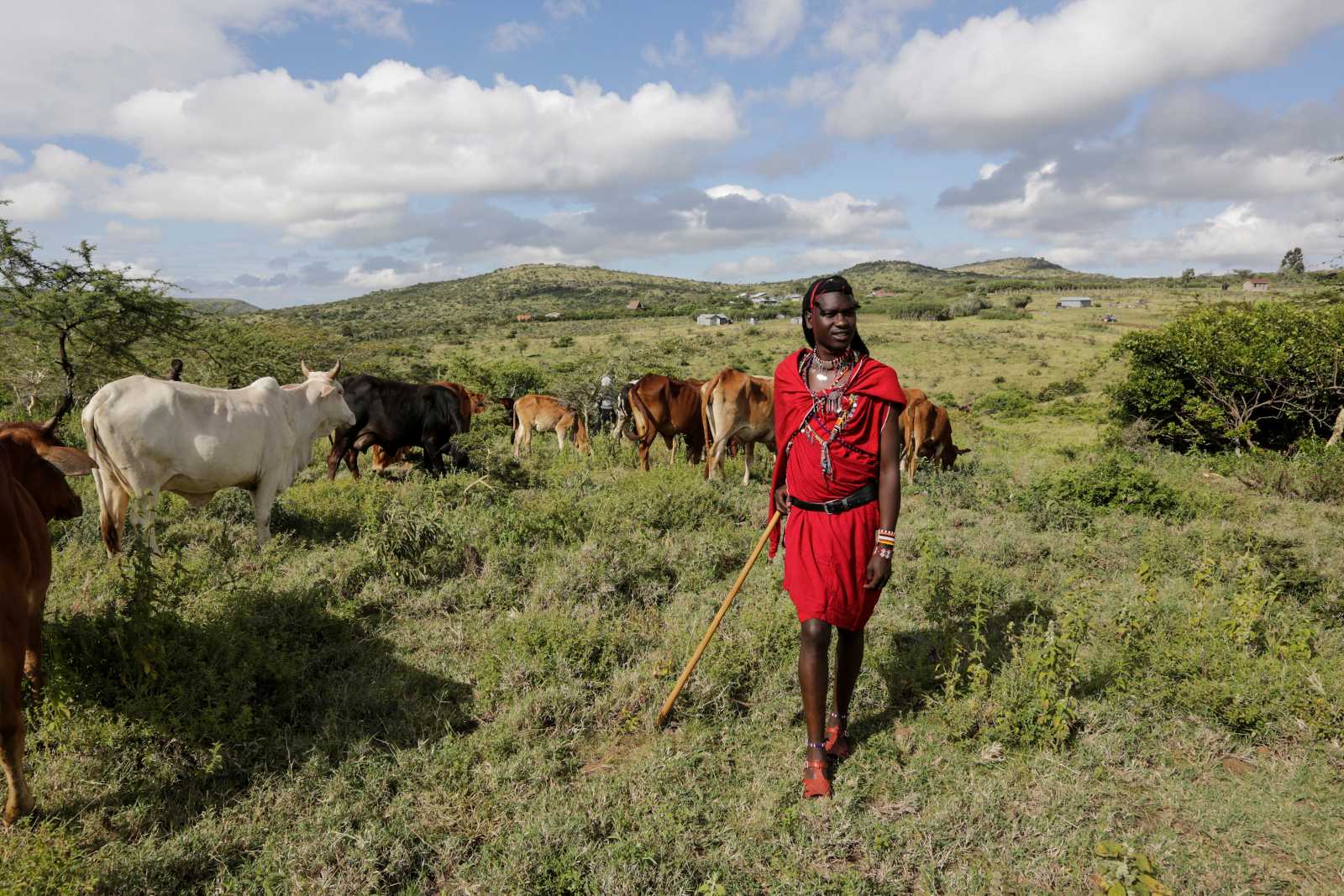
The region is facing increasingly unpredictable rainfall, prolonged droughts and severe environmental degradation. Communities that depend on arable farming, pastoralism and natural resources are under unprecedented pressure.
Whilst climate change does not directly cause conflicts, it has exacerbated existing hostilities. As grazing land shrinks, competition between herders and settled farmers has intensified, particularly over resources – above all, water. This has had a further impact on people’s livelihoods. When they collapse, armed groups exploit the situation. They boost their recruitment numbers by offering vulnerable local people alternative means of sustaining themselves.
Ironically, some measures – for example large-scale projects like building solar farms or bio-fuel plantations – to tackle climate change have caused further problems. Recent field research suggests that climate action can exacerbate existing tensions, particularly when it ignores local circumstances rather than focusing on initiatives led by the communities themselves.
The lesson that policymakers keep missing
The prevailing international response to the problems in the Sahel has so far focused on counter-terrorism. Over the past 10 years, a considerable proportion of resources has been allocated to military aid, security cooperation and stabilisation measures. Yet the violence continues.
The Sahel region has one of the youngest populations in the world, whose potential for significant economic development has so far gone untapped. The recent support for military coups amongst young people highlights their disappointment with successive democratic regimes.
Policymakers should invest in youth employment, vocational training and entrepreneurship programmes, while expanding access to quality education and digital skills. Equally important is creating meaningful avenues for political participation and civic engagement. By addressing unemployment, exclusion and marginalisation, governments can reduce the appeal of armed groups, strengthen social cohesion and harness the region’s demographic dividend for sustainable development.
Furthermore, states have a responsibility to protect their citizens from armed groups. However, military measures alone cannot resolve crises whose causes are political, social and economic in nature. Alternative mechanisms for combating terrorism, which focus on ethnic and regional grievances, are the key to long-term peace in the region. The same principle applies throughout the Sahel. Citizens who have little trust in state institutions will not regard governments as legitimate partners in the areas of development or security.
The Tuareg question clearly illustrates this reality. A community that feels excluded from national political structures cannot be pacified in the long term through the use of force. Niger, for example, has succeeded in integrating the Tuareg to some extent. Under President Mahamadou Issoufou, Niger managed to address some of the concerns of the Tuareg in the country and to involve them in government, which helped to appease the group.
Peace requires more than just fighting insurgents. First and foremost, the circumstances that allow insurgencies to arise must be eliminated. The experience of the past decade shows that no foreign actor or intervention can replace legitimate and accountable governance. Lasting peace cannot be imported; it must be built within a country’s own borders.
A political solution to a political crisis
Ultimately, the future of Mali and the entire Sahel region will not be determined by the latest military operation, a foreign alliance or a security initiative. It will depend on whether governments succeed in restoring the trust of marginalised communities, granting them meaningful political representation and creating economic prospects for citizens who have long felt abandoned by the state.
The lesson to be learnt from decades of crisis is clear: terrorism is a symptom rather than the actual cause of instability. The conflicts in the Sahel cannot be understood without recognising the significance of historical grievances, particularly within the Tuareg communities. They cannot be resolved without addressing the climatic pressures that are undermining people’s livelihoods. And they cannot be brought to an end without improving governance and accountability. Military force may temporarily curb violence. But lasting peace requires something far more complex: political justice.
Olayinka Ajala is an Associate Professor in Politics and International Relations at Leeds Beckett University, UK. His research focuses on climate change, conflict, peace and security in Africa, particularly the Sahel and West Africa.
o.ajala@leedsbeckett.ac.uk