Drug trade
How a drug lobby almost reopened a border


For 15 years, the border between Kenya and Somalia has remained closed – a border so unstable that two previously announced attempts to reopen it had already failed before they even began. Kenya had closed it in October 2011 following a series of attacks by the terror organisation Al-Shabaab and Kenya’s military intervention in Somalia.
Then opening up the border almost worked – thanks to a factor that few security analyses had foreseen: a lobby that had formed around the cultivation of a drug plant and was working behind the scenes to influence policymakers and government agencies until the state relented.
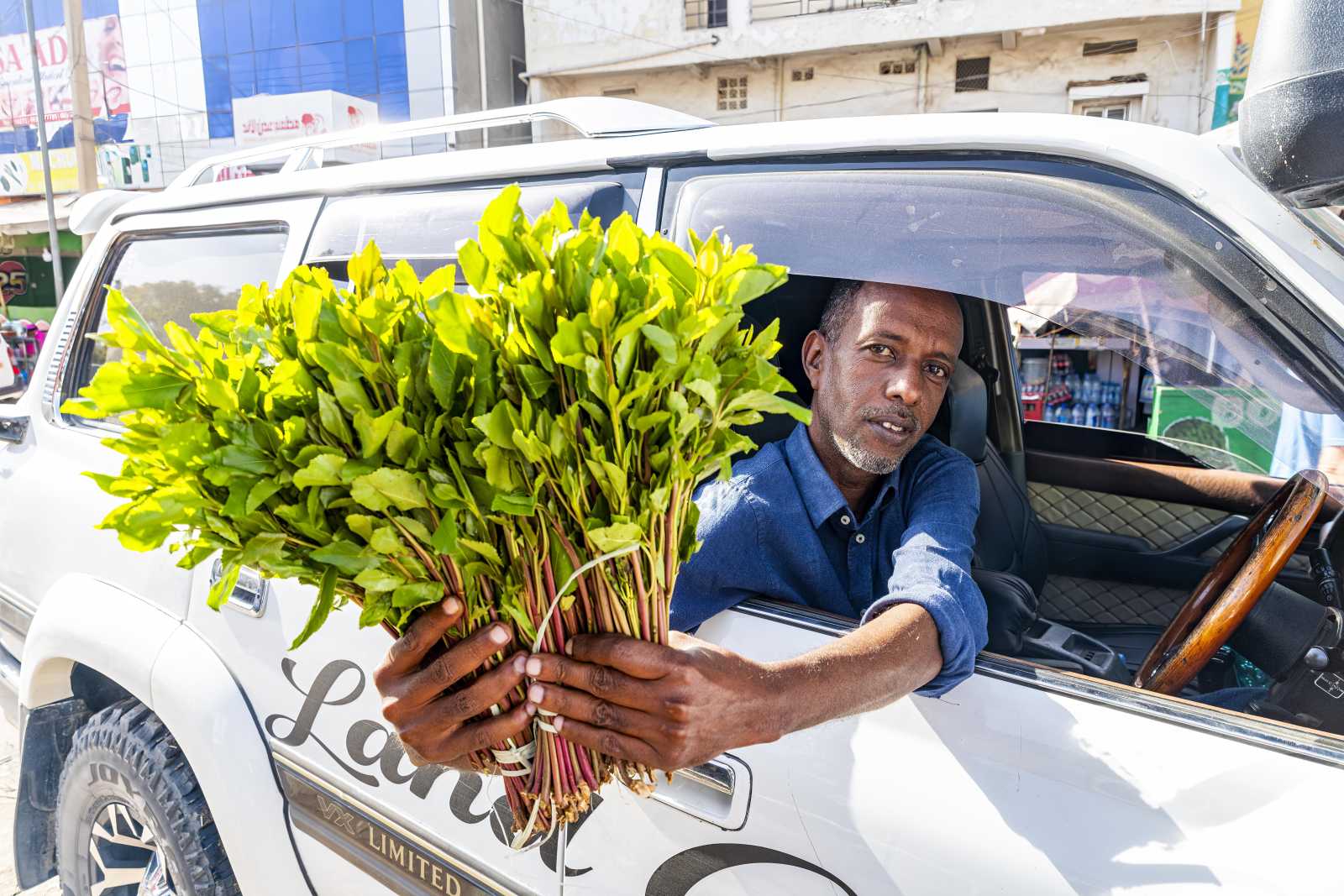
Khat (Catha edulis) is known locally as “miraa”. It is a leafy shrub whose leaves are chewed as a stimulant. Under Kenyan law, its active ingredients, cathinone and cathine, are theoretically classified as psychotropic substances. The National Authority for the Campaign Against Alcohol and Drug Abuse (NACADA) classifies the plant as a potentially harmful drug. However, under the 2013 Crops Act, miraa is also a legally regulated crop, which means it may be cultivated within a regulated framework.
Miraa supports a value chain comprising farmers, harvest workers, middlemen, transportation companies and exporters. The Kenyan Agriculture and Food Authority reports that miraa generates approximately $ 100 million annually. Producers and their representatives point to this economic and cultural significance. In practice, this argument has largely overshadowed miraa’s reputation as a narcotic.
Airlifting the khat
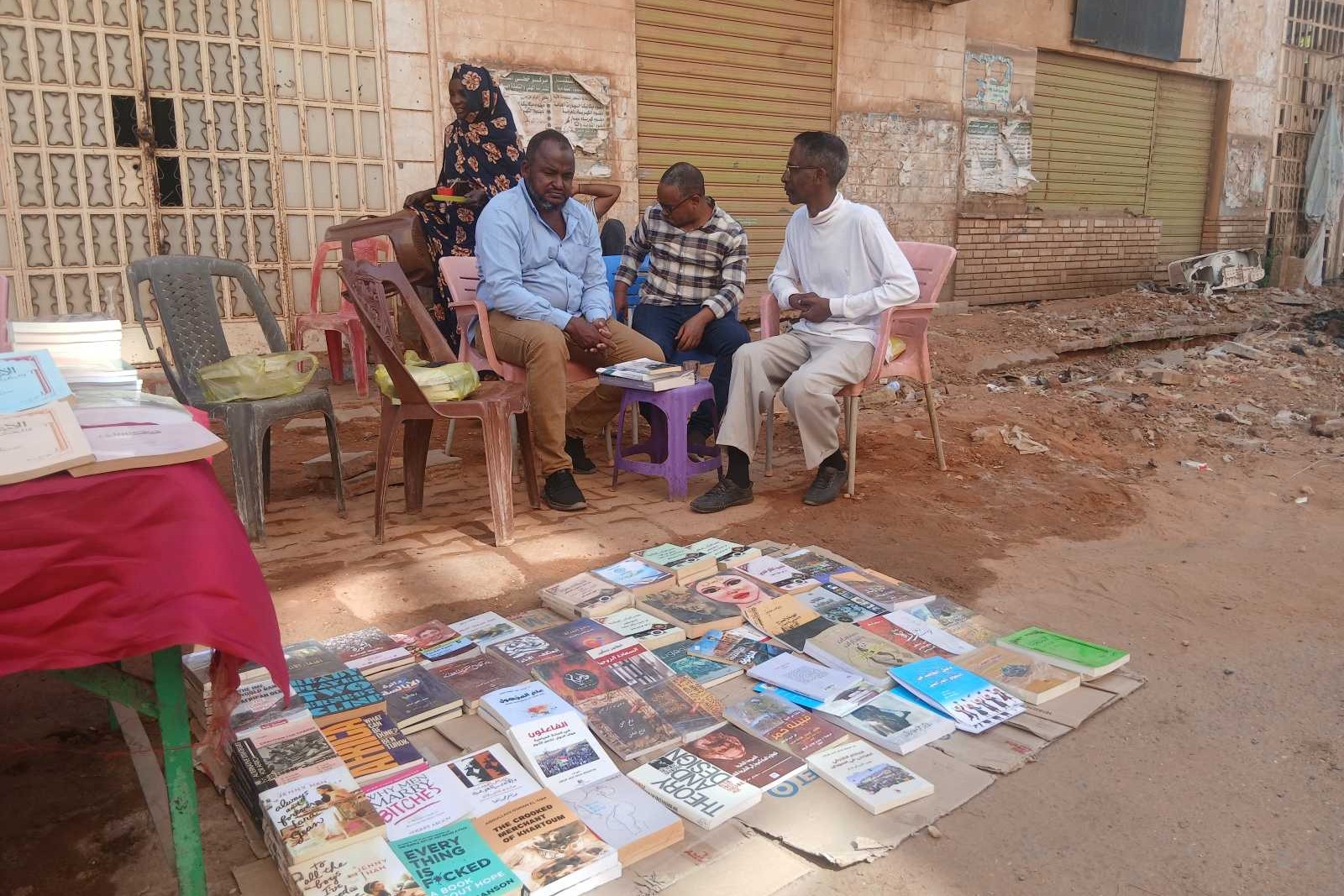
Due to the border closure, exporters have to airlift their shipments to Somalia, Kenya’s largest export market for khat. This drives up prices and makes farmers dependent on cartels that demand commissions. The Nyambene Miraa Farmers and Traders Association (Nyamita) submitted a petition to the Ministry of the Interior to secure the resumption of exports by land. Chairman Kimathi Munjuri says that the campaign was waged on several fronts. “We conducted official trade negotiations between Kenya and Somalia,” he explains. “We also wrote letters and demanded political commitments from our politicians, insisting that one of the conditions for our support is that they help us push for the unconditional reopening of the border.”
On 6 February, Raymond Omollo, the state secretary at the Ministry of the Interior, informed traders that the National Security Council committee had approved the reopening of the border crossings close to the towns of Mandera, Liboi and Kiunga for the road transport of miraa. That same month, President William Ruto promised in Mandera to reopen the border crossing in April. The ministry’s letter cites Nyamita’s petition as the catalyst.
This illustrates the influence of the lobby. Presidential candidates travel to Meru County to campaign for support – there, khat is the driving force behind a regional economy centred on the slopes of Mount Kenya, where thousands of smallholder farmers depend on it as their primary source of income. Some politicians chew the leaves ostentatiously during election campaigns.
However, it remains to be seen whether the lobby has enough power to actually open the border permanently – in May, President Ruto backtracked and postponed the opening due to renewed local escalations. The reopening is also the first real test of Somalia’s membership in the East African Community, which the country joined in March 2024.
The border itself stretches 680 kilometres. It separates communities that are linked by cultural ties and has always been important for cattle drives and informal trade. The governor of the Mandera border region, Mohamed Khalif, has described it as “an economic lifeline for this county.”
Joseph Maina is a freelance writer based in Naivasha, Kenya.
mainajoseph166@gmail.com