Fighting misinformation
Six key takeaways from the Africa Facts Summit 2026


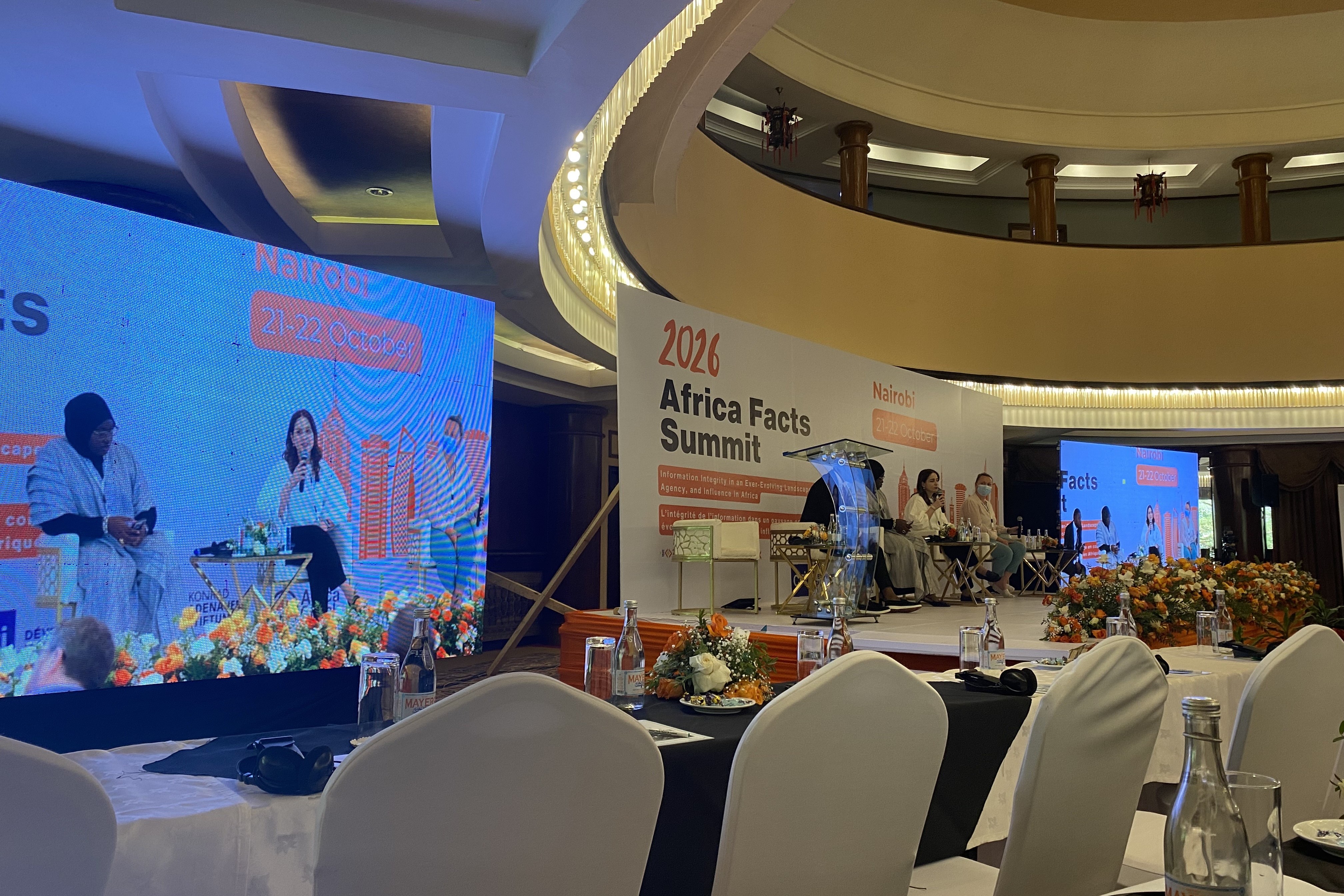
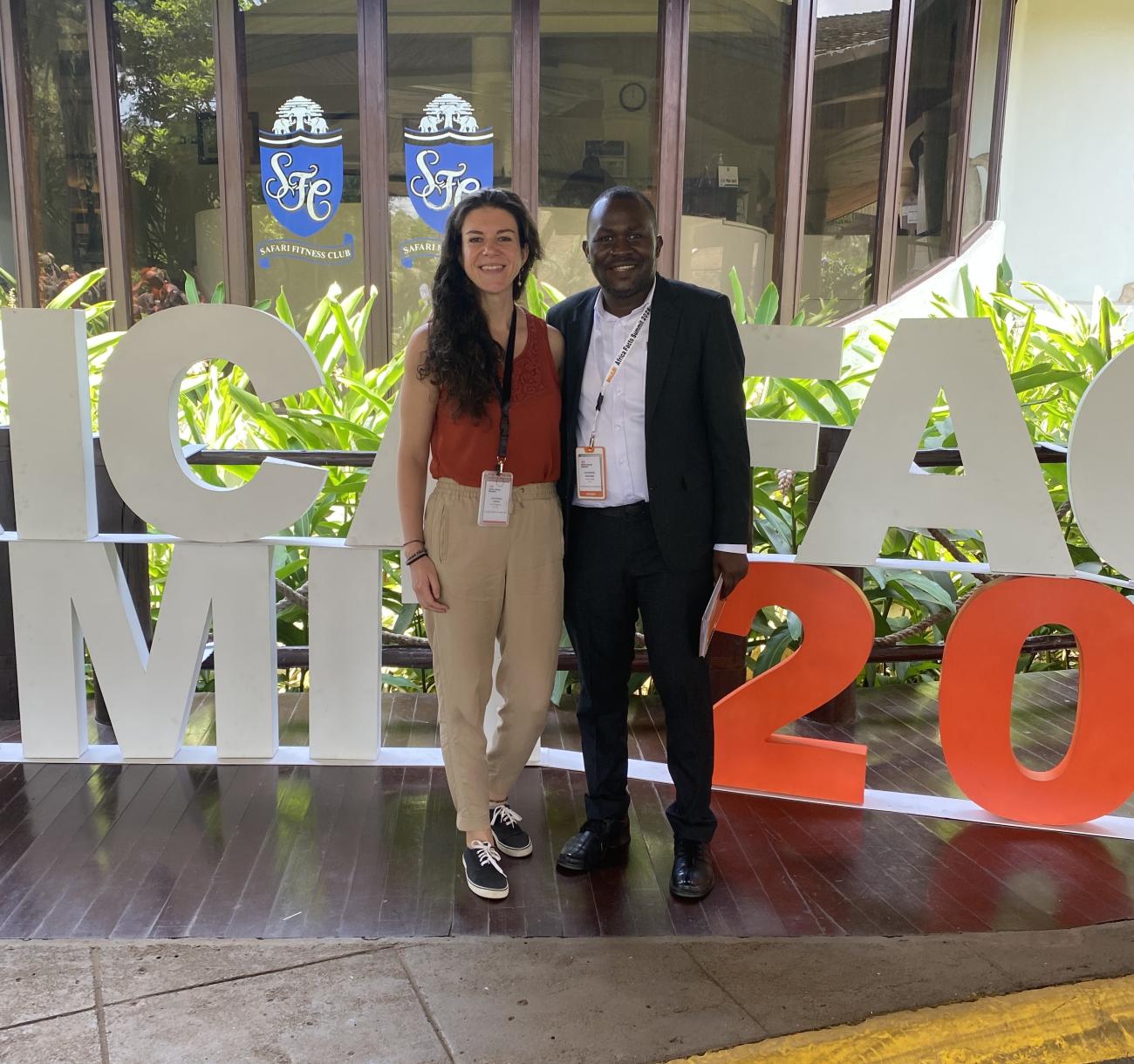
Media professionals from across the continent and beyond gathered at the Africa Facts Summit 2026 to discuss the information landscape, which is increasingly characterised by mistrust and disinformation. One key topic, for example, was the role of accurate information – but also of disinformation – in relation to the current Ebola outbreak in the Democratic Republic of the Congo, which spread to other African countries over the course of the year. In addition to misleading information about the disease itself, which helps it to spread, the media professionals also discussed the public’s mistrust of information from government bodies, which they tend to accuse of having self-serving motives. The conference was organised by Africa Check, which describes itself as Africa’s first independent fact-checking organisation.

Some takeaways from the discussions that stayed with us:
- Information spreads where people are: In Goma, in the eastern part of the DRC, news is mainly shared through WhatsApp groups or at markets, rather than through traditional media. That is why on-the-ground work is of crucial importance, especially during the current Ebola crisis.
- Timing is everything: In the conflict-ridden Sahel region, people rely on social media for information. In a crisis, the right information at the right time can save lives.
- Fact-checkers are stronger together: Despite severe repression in the Arab world, fact-checkers there are sharing resources and have developed a chatbot that verifies claims and helps track down their sources.
- Information manipulation is a global problem: In West Africa, some networks linked to Russia are taking over established channels with wide reach.
Protecting local media is crucial: Due to the digital divide, many people on the continent still rely exclusively on radio and other traditional, community-based media. - Questioning the systems: We must question the systems and structures behind false claims and disinformation, not just the facts themselves.
At D+C, we have been emphasising time and again how important the fight against disinformation is for democracy and participation in fairly structured societies. For example, Alphonce Shiundu, organiser of this year’s Africa Facts Summit, reported on how his organisation, Africa Check, is committed to building media literacy, exposing lies and combating misinformation. In an interview, Audrey Tang, Taiwan’s former Minister for Digital Affairs, revealed to us how the country has managed to halt social polarisation, despite being the target of foreign disinformation campaigns. And our author Sonja Peteranderl reported on how dubious companies and consultants are trying to influence elections around the world by purposefully spreading false information.
Katharina Wilhelm Otieno belongs to the editorial team at D+C and is based partly in Nairobi.
euz.editor@dandc.eu