Indigenous Peoples
Learning climate resilience from the Tuareg


The air on the Tassili n’Ajjer Plateau in southern Algeria doesn’t just shimmer; it burns. For the Tuareg, a nomadic Indigenous people of the Sahara, survival has never been a given. Rather, it has always been a carefully negotiated pact with one of the harshest environments on Earth. For centuries, this pact has been written in the language of the winds, the constellations of the stars and the subtle changes in the sparse greenery of the desert.
Yet today, the terms of this pact are being radically rewritten by a global climate crisis that is unfolding far too quickly. For the Tuareg, the rains are becoming “ghosts” – they fall elsewhere or vanish before reaching the parched earth. The wells of their ancestors are running dry.
As a result, the Tuareg find themselves on the front line of a global security crisis. This challenge is not merely about a changing landscape; it is a fundamental threat to a way of life that has shaped the Sahara for millennia. To secure the future of the people of North Africa and the Sahel, the international community must first understand how and why those who know the desert best are fighting to remain there.

Pillars of resilience
The Tuareg are by no means passive victims of environmental destruction, but rather active masters of adaptation. In the face of the worsening climate crisis, traditional strategies are being reimagined to maintain peace, preserve livestock and protect human dignity across borders. Three specific approaches illustrate this resilience of the Indigenous people.
1. The human internet: Oral networks go digital
Long before the age of satellite imagery, the Tuareg relied on a complex system of oral communication to track the desert’s elusive resources. To this day, nomadic herders who cross borders act as real-time environmental sensors, gathering data on which grazing lands are drying up and where rare rainfall has occurred. When travellers meet in the desert, they traditionally exchange “aman” (important news about water and safety).
Today, this traditional network is being enhanced by modern technology. It is not only younger Tuareg who use mobile phones, solar-powered chargers and messaging apps. This digital leap enables them to warn their community about local conflicts, flash floods or dried-up groundwater sources – weeks before the official state weather services are able to publish such reports.
2. Traditional laws of wells: Avoiding conflicts over resources
In an extremely arid environment like the Sahara, water is the foundation of an unwritten legal and social framework. The Tuareg’s traditional customary law prescribes strict, sacred rules for the shared use of wells (birs). During severe droughts, these strictly protected laws govern the rotation of livestock and ensure that no single family or group monopolises a water source.
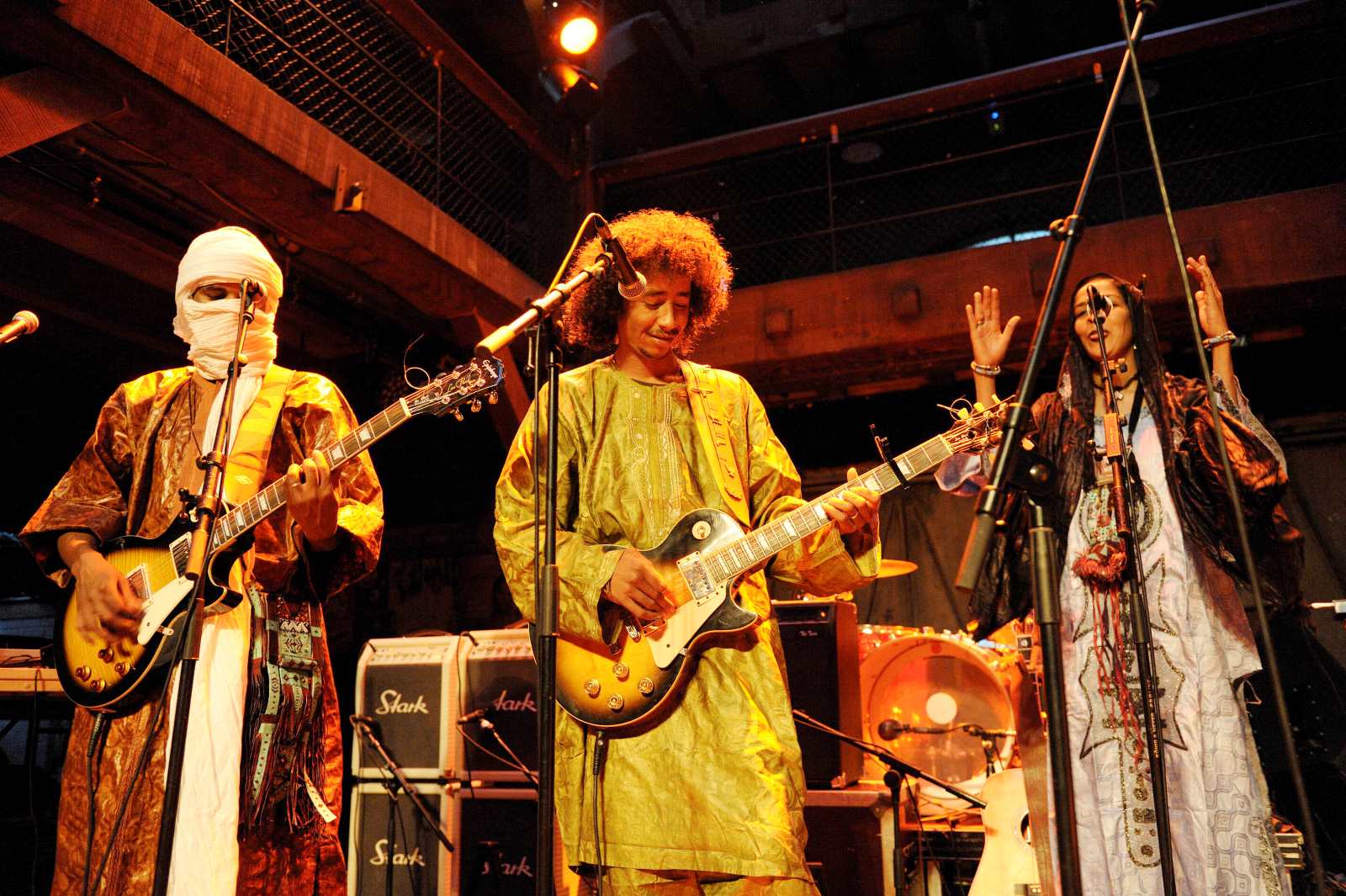
It is also crucial that these laws provide for established negotiation mechanisms when nomadic herders need to enter the territories of settled farming communities. Representatives meet at the boundaries of the territories to negotiate access rights before the herds arrive. By prioritising collective survival and cooperative access over exclusive property rights, this Indigenous legal system acts as a buffer against the resource-related violence that often afflicts regions threatened by climate change. It demonstrates that scarcity does not automatically lead to conflict, provided that equitable governance is upheld.
3. Shared livelihoods: Diversification of the nomads’ portfolio
Climate change is forcing a pragmatic rethink of traditional strategies for securing a livelihood. Complete dependence on traditional livestock farming becomes too great a risk when grazing land turns to dust. In response, many Tuareg families practise what experts refer to as “shared livelihoods”.
Whilst some members of the family continue to lead a nomadic lifestyle – often switching from cattle to drought-resistant animals such as camels and goats – other family members settle temporarily near urban centres or agricultural projects. This flexibility enables them to channel income from trade, crafts or seasonal work back into the pastoralist community. Such economic diversification creates an important financial safety net that helps the entire group to weather prolonged periods of drought without completely abandoning their cultural identity.
Redefining security
For decades, climate change has been viewed in international security policy in the Sahel primarily as a threat multiplier – a force that exacerbates poverty, triggers conflicts over increasingly scarce land and fuels regional instability. The international community’s usual political response has often been heavily security-focused, concentrating primarily on military presence, border controls and top-down infrastructure projects.
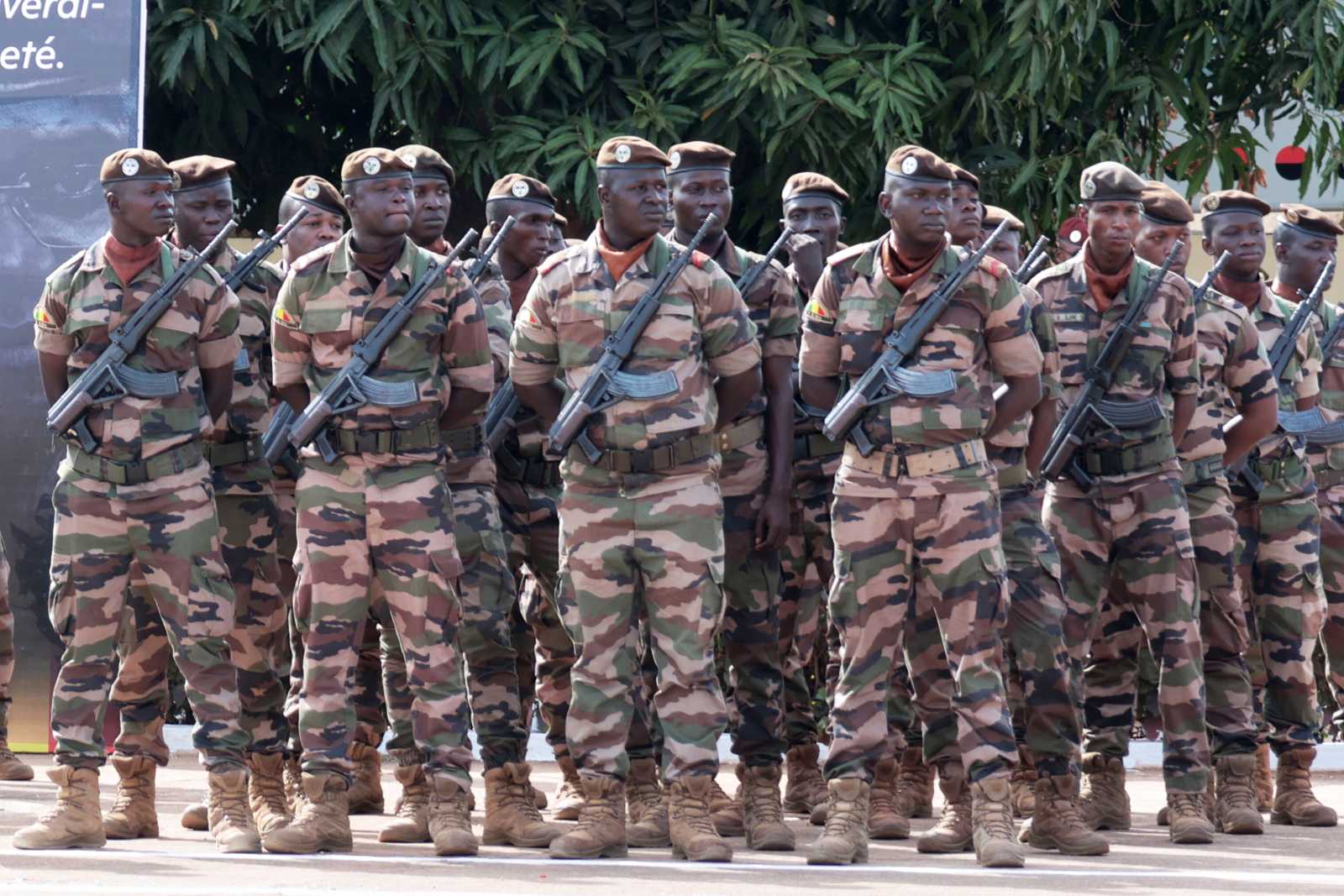
However, if one considers the region solely from the perspective of vulnerability, a crucial resource is overlooked: the in-depth, local expertise of the people who actually live there. Top-down solutions often fail because they neglect local conditions. When international development organisations bypass traditional structures in order to build permanent, fixed dams or static agricultural zones, they often disrupt the very mobility that enables pastoralists to survive. A modern well dug in the wrong place can inadvertently trigger conflicts by altering long-established migration routes or ignoring traditional agreements on water sharing.
Genuine climate security in North Africa and the Sahel cannot be fully achieved from an office in Brussels or Berlin, and perhaps not even from Bamako or Niamey. It requires a fundamental shift towards cooperation with Indigenous systems of governance. By introducing a framework of legal pluralism – in which formal state policy actively integrates the customary law of the Tuareg and other Indigenous Peoples into regional strategies, for example on water – international decision-makers can create a far more resilient framework for issues such as transboundary water management. Security in a warming world is not about forcing nomadic societies to a standstill; it is about supporting their legal and physical freedom to adapt – and perhaps even learning from them.
The sands of the Sahara are shifting faster than ever, yet the resilience of the Tuareg proves that adaptation is possible when it is based on cooperation, flexibility and community. Whilst the international community grapples with the link between climate and security in the Sahel, the lesson from the desert is clear: security cannot be imposed from above. It must be built from the ground up, whilst respecting the ancient wisdom and traditional frameworks of those who have survived here for millennia. To secure the future of the Sahel, we must no longer view Indigenous groups merely as vulnerable populations, but must recognise them as indispensable partners in global climate diplomacy.
Rachid Bouajila is a jurist and researcher specialising in international law, human security and environmental governance in North Africa and the Sahel.
rasheed25fr@yahoo.fr
This story is part of The 89 Percent Project, an initiative of the global journalism collaboration Covering Climate Now.