Indigenous knowledge
How Indigenous rules can help curb wildfires


Mlevela village is situated in Tanzania’s southern highlands. Here lies a small 2.5-hectare wood which, for decades, has withstood all the adversities inflicted by humans.
Alex Msigwa is the custodian of a shrine in this forest, acting on behalf of the chief of the local ethnic community, the Bena. Both the forest and the shrine are called “Nyumba Nitu” (“dark house”). Community accounts emphasise the site’s protected status: Msigwa reports that in 1948 a British investor acquired 28,000 hectares of land for an acacia plantation. When bulldozers began clearing the site, they allegedly failed to uproot the trees in the area of the sacred shrine, which still stand to this day.
According to Msigwa, not even a fire that broke out around that time could burn down the trees in the shrine area. He goes on to report that, following the investor’s takeover, it did not rain for a whole year. Community members explain that the rain only returned after the investor had paid a substantial reconciliation fine to the shrine stewards on behalf of the ancestors buried there.
Regardless of whether or not such reports can be independently verified, they influence local decisions and practices regarding environmental protection. According to Msigwa, the area has been sacred since time immemorial; to this day people still go into the forest to make offerings, pay homage and give thanks to their ancestors.
Sacred sites as community fire buffers
In many rural communities, people avoid felling or burning trees in sacred forests or at sites such as ancestral graves for fear of angering the dead. 68-year-old Magwisa Sambilole from the village of Utalingolo in southern Tanzania explains this belief in the local spiritual context: “The dead dwell in sacred sites and should never be disturbed. Felling trees incites their deadly wrath.” Adhering to such customs is believed to protect trees even in places where forests are threatened by climate change or deforestation.
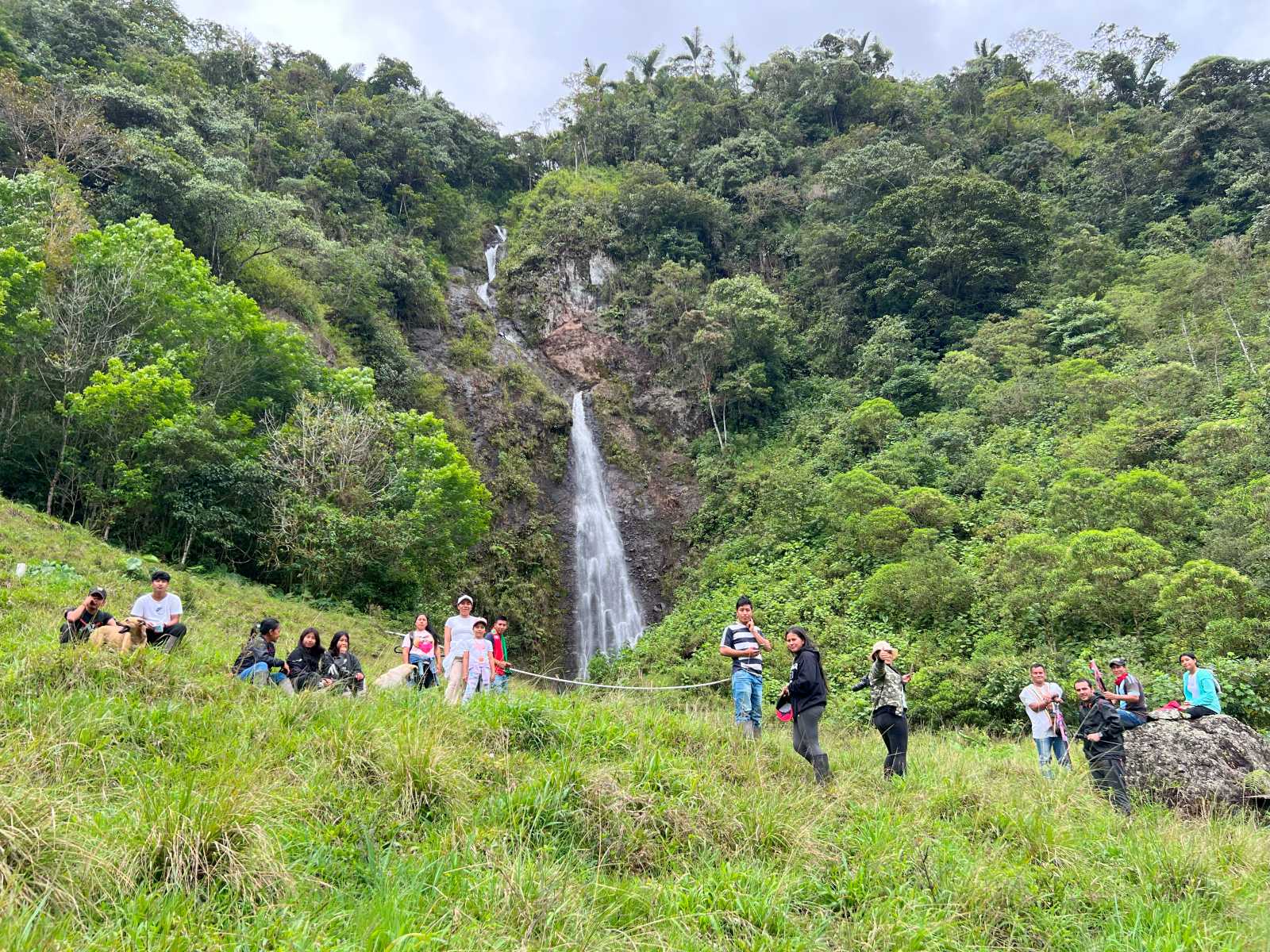
Temilinga Ngwega, a 70-year-old elder from the village of Magunga in central Tanzania, describes another precautionary measure. Before a fire is lit near a sacred site, people clear a path around the area to be burned. “We do this to prevent the fire from spreading to unintended areas and to make it easier to contain should it get out of control,” he explains. Ngwega adds that lighting fires during the day is strictly forbidden in his community because hot and windy conditions can make fires difficult to control.
These practices reflect both practical knowledge and cultural beliefs, which can prove more effective than government regulations in protecting certain areas from fires and deforestation. In many communities among the more than 120 ethnic groups in Tanzania, rules regarding the sanctity of trees, the protection of burial sites and respect for cultural forests have been documented.In the Usambara forests in north-eastern Tanzania, for example, local communities also adhere to certain strict rules when gathering timber, which serve to protect resources. For instance, at certain times people are only allowed to fell trees on the left-hand side, leaving the others untouched. The area is also said to be home to people who consult trees in spiritual practice.
Communities in the south-eastern district of Iringa and in the tobacco-growing areas of the drylands south of Dodoma in central Tanzania also follow strict guidelines when lighting fires. These rules are particularly important during the dry season.
Numerous laws on fire prevention but little impact
However, it is not as though there were no government regulations in this regard. The government has enacted numerous nature conservation laws. Under the Grassfires Control Act, anyone who starts a fire without following the proper procedures faces six months’ imprisonment, a fine of around $ 750 or both.
Despite these measures, reports suggest that wildfires destroy more than 11 million hectares of forest in Tanzania on average every year, 90 % of which are caused by humans. Studies further indicate that increased planting of eucalyptus and pine stands has heightened the risk of forest fires across the country.
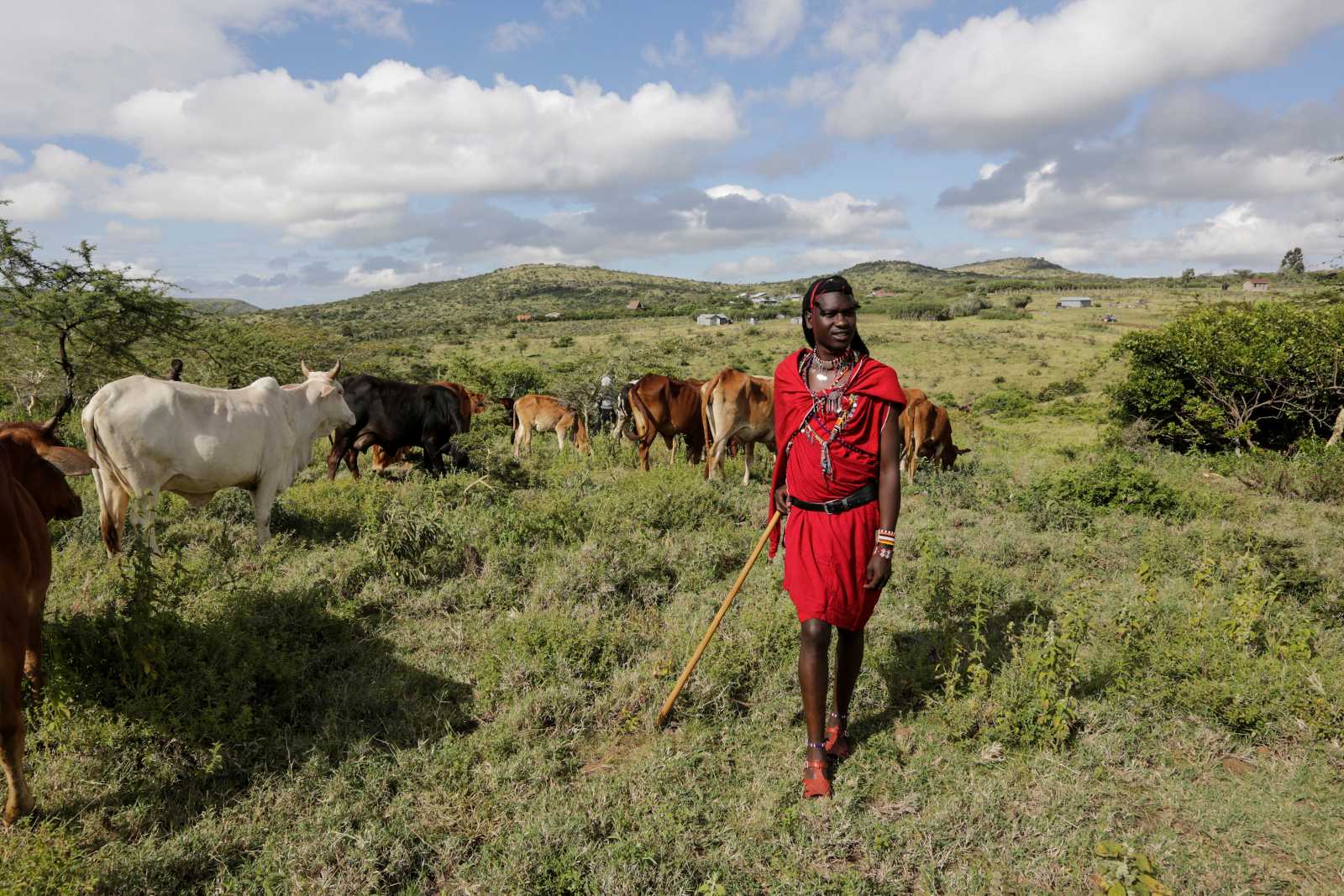
People start fires – often within tight livelihood constraints – for various reasons, including to harvest honey, to catch small animals such as bush pigs, to prepare arable land, to produce charcoal and to smoke out rats and snakes. Families who keep livestock also burn grass, shrubs and scrub to encourage the growth of fresh grass and to eliminate pests. Wind and lightning strikes can also trigger forest fires.
Forest fires have numerous well-documented consequences. They disrupt ecosystems, damage catchment areas and water sources, contribute to desertification and decimate forests. Furthermore, they can slow economic growth, particularly in areas dependent on forestry, destroy homes and livelihoods, exacerbate poverty and weaken value chains for forest products. Fires also reduce biodiversity, including medicinal herbs, shrubs, grasses and insects.
Taking traditional knowledge into account
Studies point to a lack of coordination among actors working to prevent forest fires. Researchers have therefore strongly recommended integrating traditional firefighting methods into nature conservation efforts, as Indigenous principles and restrictions have proved effective in some communities.

A 2013 study by the Food and Agriculture Organization of the United Nations (FAO) found, for example, that there is a wealth of traditional knowledge in Tanzania about bushfires, including their causes, effects and prevention. This is vital in ethnic communities throughout the country, as many families live in houses built with thin clay walls and thatched with elephant grass, which can catch fire easily.
The study also documented the communities’ extensive experience in coordinating fire control whilst preparing fields. Communities, for example, regard the early morning, when grass and scrub are still covered in dew, and the late evening, when the wind has died down, as the safest times for controlled slash-and-burn farming. In many communities, these safety rules are taught through everyday instruction and cultural forms such as songs and proverbs.
Fire, especially for slash-and-burn agriculture, is an integral part of everyday socioeconomic life for people in Tanzania. The FAO therefore advocates taking traditional practices and values into account in fire prevention and containment. However, several factors are undermining traditional knowledge of fire safety, such as the demand for market-oriented agricultural products and the enforcement of strict laws, some of which threaten the livelihoods of local communities.
Legislators must recognise that Indigenous conservation practices and beliefs have considerable potential for strengthening environmental protection and the sustainable use of natural resources. They could serve as an effective complement to strict laws that often fail to work in practice.
These lessons from Tanzania demonstrate how important it is for people to feel a personal sense of responsibility towards their environment and nature. Particularly in the face of the escalating climate crisis, which is also taking hold in the West, societies should consider how their environment can once again be recognised – in a more personal way – as a fundamental prerequisite for their very existence.
Lawrence Kilimwiko is a social researcher and media consultant based in Dar es Salaam, Tanzania.
lkilimwiko@yahoo.com
This story is part of The 89 Percent Project, an initiative of the global journalism collaboration Covering Climate Now.