Disaster management and preparedness
More than just survival


Due to its location on the Bay of Bengal, Bangladesh is repeatedly hit by powerful cyclones. The low-lying country has a high population density and has suffered an enormous number of casualties in the past: at least 300,000 people lost their lives when Cyclone Bhola struck East Pakistan – now Bangladesh – in 1970. In 1991, around 140,000 people died in a cyclone in the Chittagong district.
It is therefore a major achievement that, since 2007, Bangladesh has not recorded more than 200 deaths in any given year, despite severe cyclones. Various measures have contributed to this, such as early warning systems, cyclone shelters, trained volunteers, school-based programmes and local evacuation plans. In fact, Bangladesh has now become a role model for other countries when it comes to protection against cyclones.
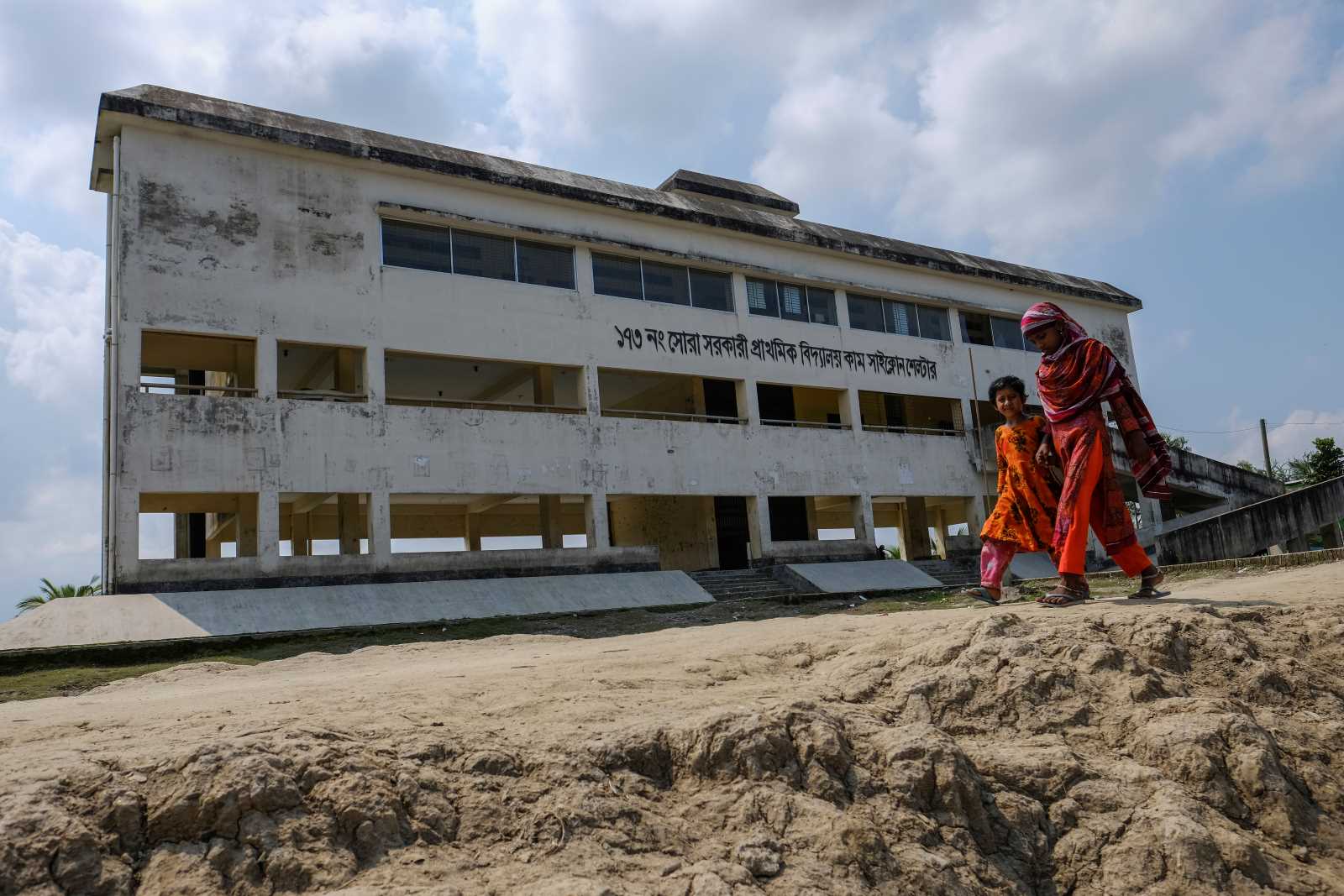
Although disaster preparedness has improved significantly, the population still faces considerable damage caused by cyclones. The next major challenge for Bangladesh is therefore already on the horizon: ensuring that people can continue to live safely even after severe cyclones. Securing people’s livelihoods more effectively is more urgent than ever due to the advancing climate crisis.
Demolished embarkments, destroyed houses
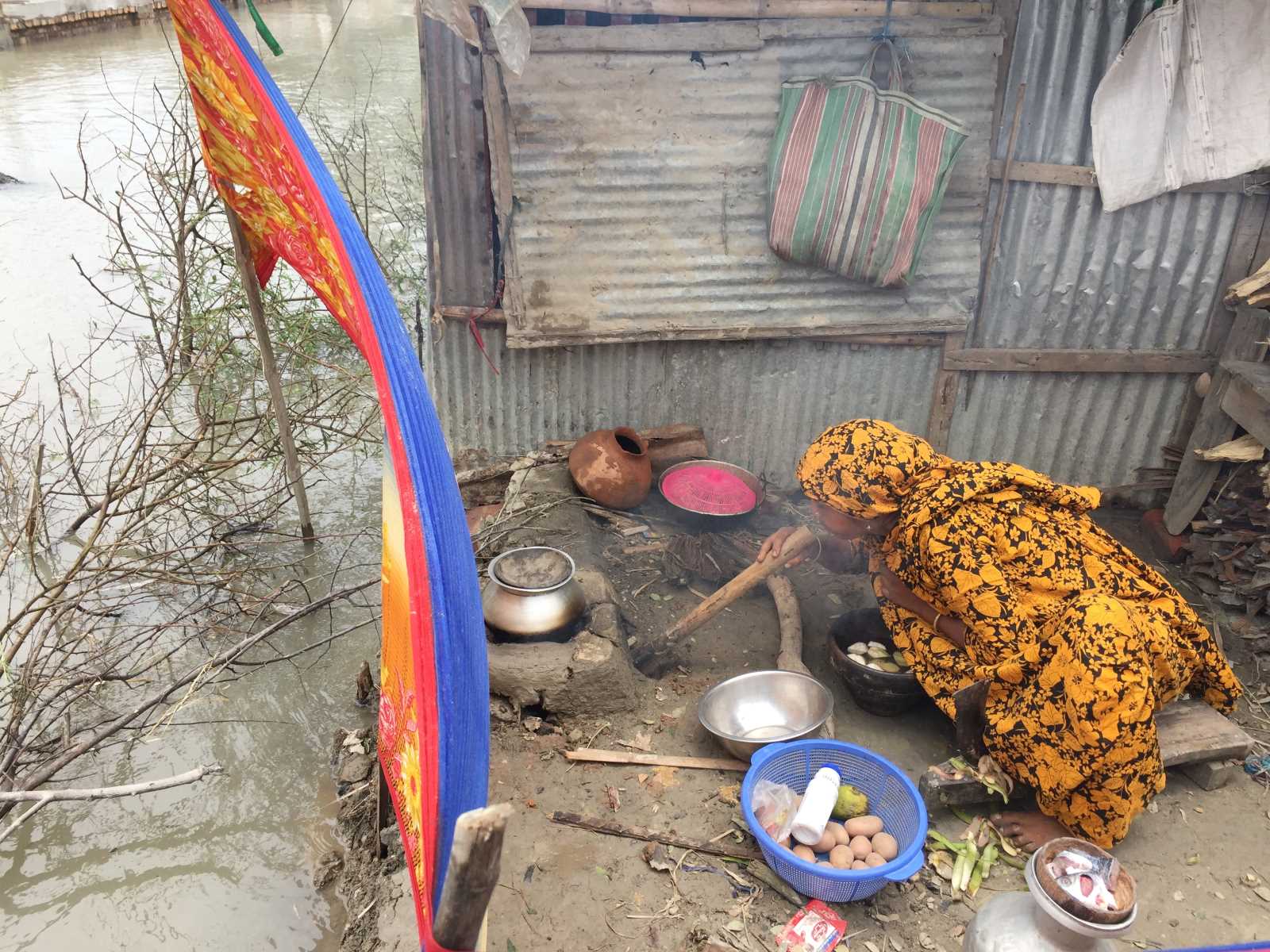
A look at Satkhira, a district in south-western Bangladesh, part of which lies on the coast, illustrates the problems that can arise and how they can be tackled. When I travelled to Satkhira for the first time in 2011, it had been two years since Cyclone Aila had devastated much of Bangladesh’s south-western coast. I still remember the damaged embankments, the saline water, the broken homes and the people trying to rebuild their lives long after the storm had disappeared from the news.
Since then, I have visited the coastal region of Satkhira many times. Among other things, I have worked with communities in climate-vulnerable areas on adaptation. One realisation stood out in particular: a cyclone does not end when the wind stops. Or, as one resident put it during a field discussion: “The cyclone comes and goes, but the salt stays in soil and water.”
The battle against salty water
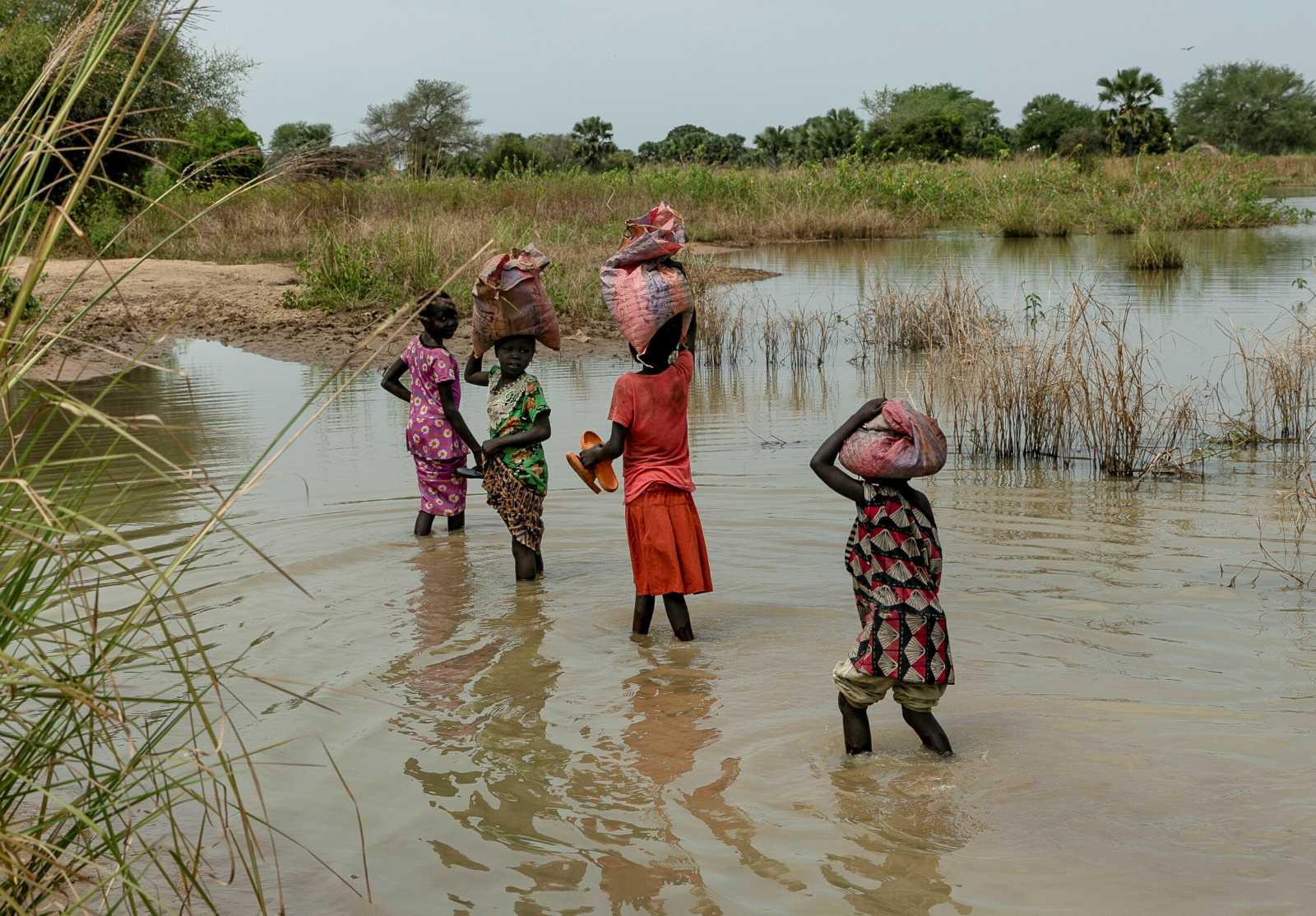
Salinity intrusion is one of the biggest problems the population faces in the wake of cyclones. Salty seawater pushes inland – particularly when embankments are damaged – and causes enormous damage. It floods freshwater ponds, fields and canals, can affect the groundwater and also limits the range of crops that can be grown. The consequences of salinisation include drinking water shortages, crop failures and increased health risks.
Recent research shows that salinisation is spreading along the coast of Bangladesh, where it is changing everyday life. A 2025 study in Satkhira found that exposure to salinisation is linked to reproductive health problems among women aged 18 to 49. According to the study, women are more likely to experience such problems if they work in jobs involving contact with salt water and have to travel long distances to reach the nearest safe source of drinking water or healthcare facility.
Tackling the consequences of salinisation requires resources that many families do not readily have at their disposal. Some have to borrow money, sell assets or even send a family member away to find work elsewhere. For them, therefore, the disaster does not end when the storm has passed, but continues in the form of damaged infrastructure, loss of income and daily uncertainty.
The escalating climate crisis is exacerbating the situation. A recent MIT study warns that the risk of storm-tide hazards along Bangladesh’s low-lying coastline could increase dramatically, particularly due to rising sea levels and more powerful cyclones. Under medium to high emission scenarios, the return period for severe storm-tide events could shorten significantly, from decades to just a few years.
This means that Bangladesh’s existing protection systems could come under increasing pressure. The climate crisis threatens not only the water supply of coastal communities but also their health and infrastructure. More storm surges also mean a higher risk of coastal erosion. Overall, these risks interact and reinforce one another. Where, for example, agriculture and fish farming are affected by salinisation, people lack the economic foundation to protect themselves against future disasters – which in turn means that disasters have potentially more severe consequences.
How the population is responding
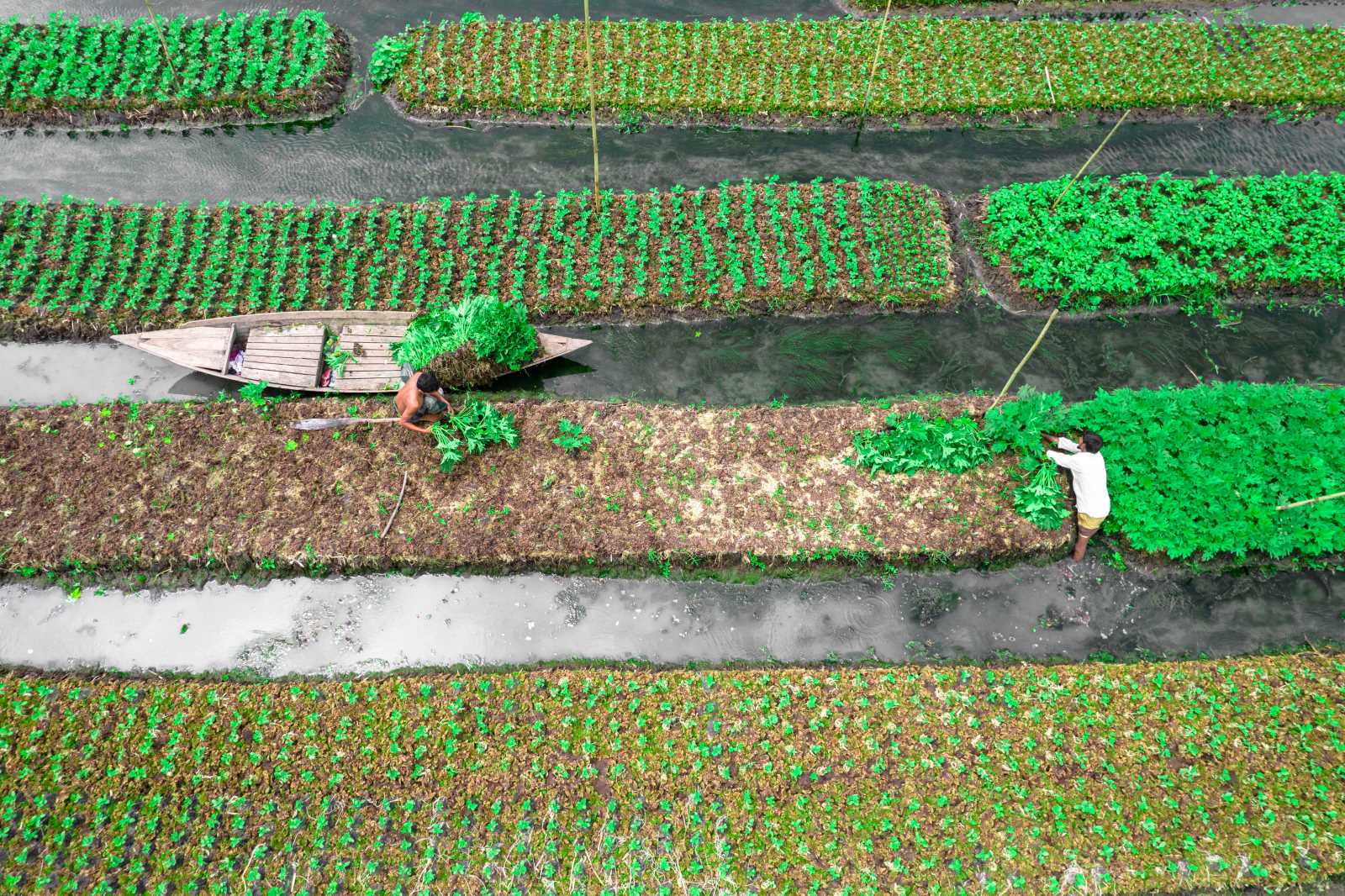
During my work for the International Centre for Climate Change and Development (ICCCAD) and BRAC, one of the world’s largest development organisations – both based in Bangladesh – I saw how adaptation projects tried to respond to changing realities. Some projects, for example, supported climate vulnerability assessments at community level and local resilience planning. Others focused on drinking water, climate-resilient livelihoods, women’s empowerment, awareness-raising and institutional capacity-building.
All these efforts matter. They reduce suffering and provide communities with the tools to manage risks that are already affecting people’s lives. They also highlight a central lesson from Satkhira: the success of an adaptation project should be judged not only by what it achieves during the project phase but also by whether people become less vulnerable after the project has ended.
Not every adaptation measure is sustainable or fair. If residents switch from agriculture to shrimp farming, for example, they may be able to earn a higher income. However, the switch can also increase the salinity of the soil or concentrate profits in the hands of more powerful landowners and investors. A study on the shift from rice to shrimp farming in coastal Bangladesh found, for example, that the expansion of shrimp farming increased soil salinity, thereby worsening conditions for rice cultivation. Consequently, parts of the local population aspire to migrate.
Such forms of adaptation can lead to more insecure work rather than real resilience, particularly for poor households. If they are left with fewer choices but more debt, or no option except forced migration, then adaptation has not been successful.
Better maintenance
Another key aspect of safeguarding livelihoods in Bangladesh is to maintain embankments, drainage systems, cyclone shelters and drinking water supply systems more effectively than has been the case to date. This also requires transparent planning and coordination among government agencies, civil society organisations and local communities. The MIT study concludes that Bangladesh needs to reassess its coastal protection strategies in light of future storm-tide hazards, including risks posed by successive and intensifying cyclone and monsoon events.
The government should regard climate security as a fundamental public service. This includes:
- reliable freshwater services,
- preventive maintenance of embankments, drainage systems and cyclone shelters,
- routine monitoring of salinity and its health effects and
- social protection for households whose livelihoods are already being disrupted.
Moreover, it is important to strengthen local authorities. They need more powers and resources to identify risks before they become disasters. Civil society organisations should continue to support communities while also helping people to hold authorities accountable for services, infrastructure and climate finance. Finally, the private sector should operate aquaculture responsibly and advocate for fair markets, climate-resilient jobs and affordable insurance that includes poor households rather than excluding them.
Around the world, many coastal regions are currently experiencing a shift from sudden disasters to recurring climate-related uncertainty. Like Satkhira, they too can benefit from placing greater emphasis on sustainable success when assessing adaptation strategies. The number of people trained, households reached, shelters built, drinking water points installed or women supported – all these are valuable statistics. However, they are only part of the story. The real test lies in whether, over time, people become less vulnerable to the life-threatening impacts of disasters, and whether freshwater resources, land, health and infrastructure are protected in the long term – and with them the dignity of the people who struggle to make a living under difficult conditions.
Md. Bodrud-Doza is a postdoctoral fellow at the University of Guelph, Canada. His work connects the fields of agriculture, environment, climate and governance.
bodruddoza.env12@gmail.com
This story is part of The 89 Percent Project, an initiative of the global journalism collaboration Covering Climate Now.