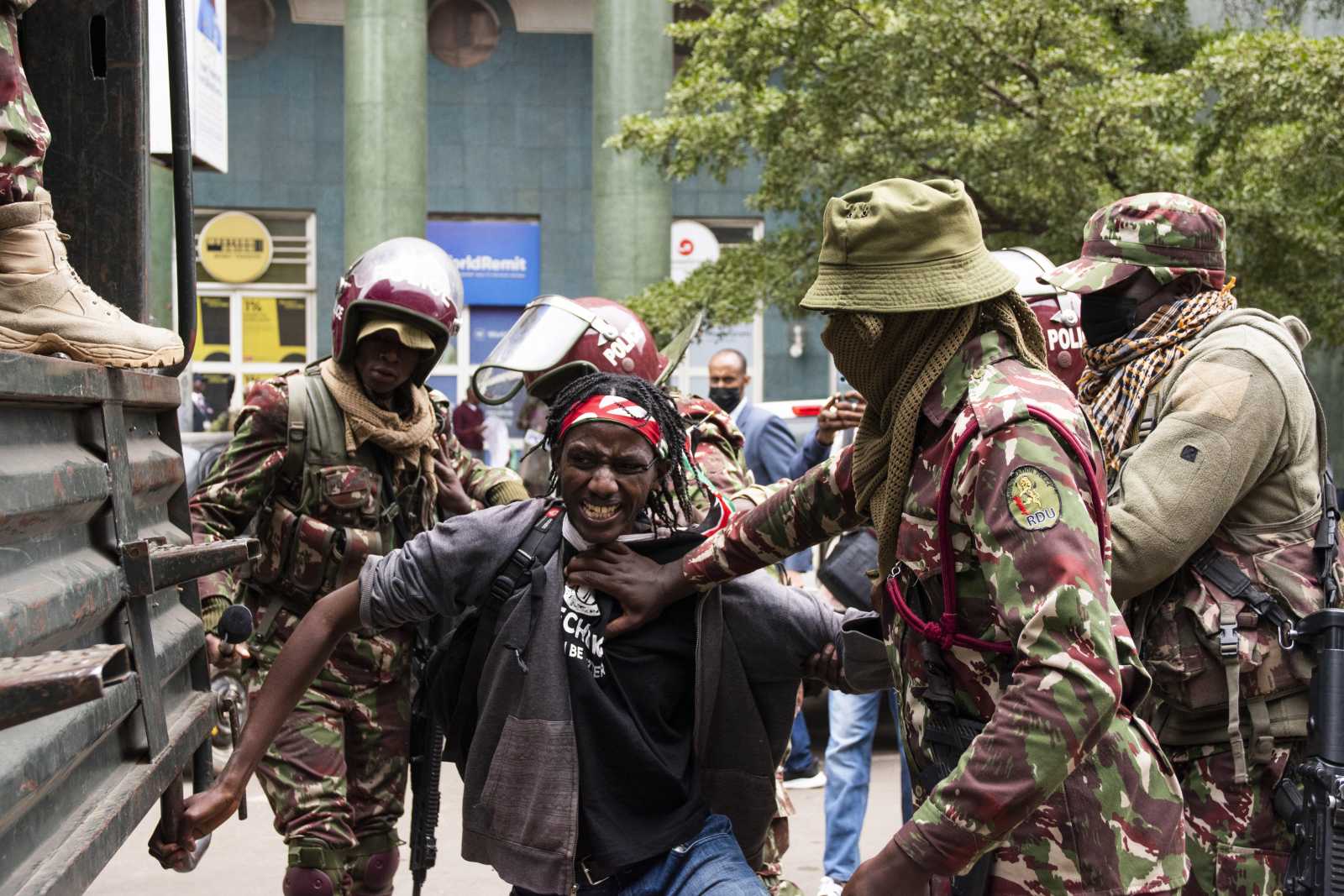
Mining
Rare earths and other critical minerals – an overview


Critical minerals are substances that various governments consider particularly important for the security and economic development of their countries. They are indispensable for modern technologies, particularly in the energy and electronics sectors. Minerals frequently described as “critical” include aluminium, cobalt, copper, lithium, manganese, nickel and vanadium. Alongside numerous other substances, they feature, for example, on the US Geological Survey’s 2025 list of critical minerals.
Rare earths
Rare earths are a subset of 17 chemical elements that fall under the definition of critical minerals. They are also known as rare earth minerals or rare earth elements and are key components in wind turbines, photovoltaic systems, electric cars and smartphones. The 17 rare earths are: cerium, dysprosium, erbium, europium, gadolinium, holmium, lanthanum, lutetium, neodymium, praseodymium, promethium, samarium, scandium, terbium, thulium, ytterbium and yttrium.
Export of critical minerals
For many countries in the Global South, the export of critical minerals represents a major source of income. In Guinea and the Democratic Republic of the Congo, mining products account for more than 80 % of exports, according to the UN.
The global market for critical minerals is worth hundreds of billions of dollars. Their trade has generated wealth for many, but rarely for the people living in mining areas. Working conditions in the mines are often exploitative.
Mining critical minerals: conflict and environmental destruction
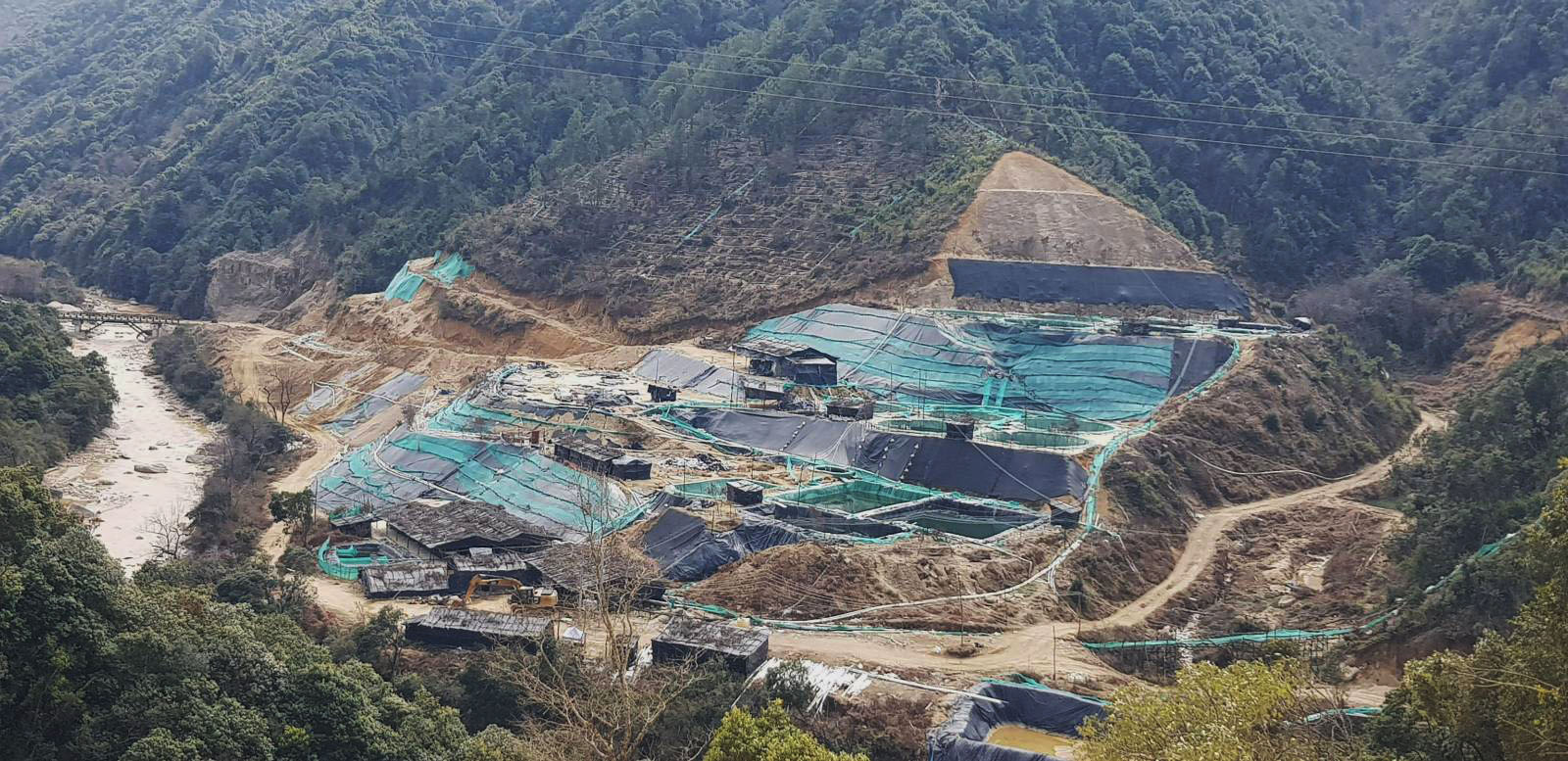
Mining critical minerals also exacerbates conflicts, for example in Myanmar, where China sources some of its rare earths. Extraction destroys both natural resources and the health of local residents. Where laws to protect people and the environment exist at all, the weakness of state institutions often hinders their implementation.
Exploitation through resource extraction since colonial times
Resource extraction at the expense of the population and the environment is a sad tradition in many regions of the Global South. A prime example is the Democratic Republic of the Congo (DRC). The country’s current territory was declared the private property of King Leopold II of Belgium in 1885. He exploited the country and its inhabitants on a massive scale. Under Belgian colonial rule, rubber was produced and minerals were mined and shipped out of the country. Millions of people lost their lives as a result of forced labour, starvation and violence.
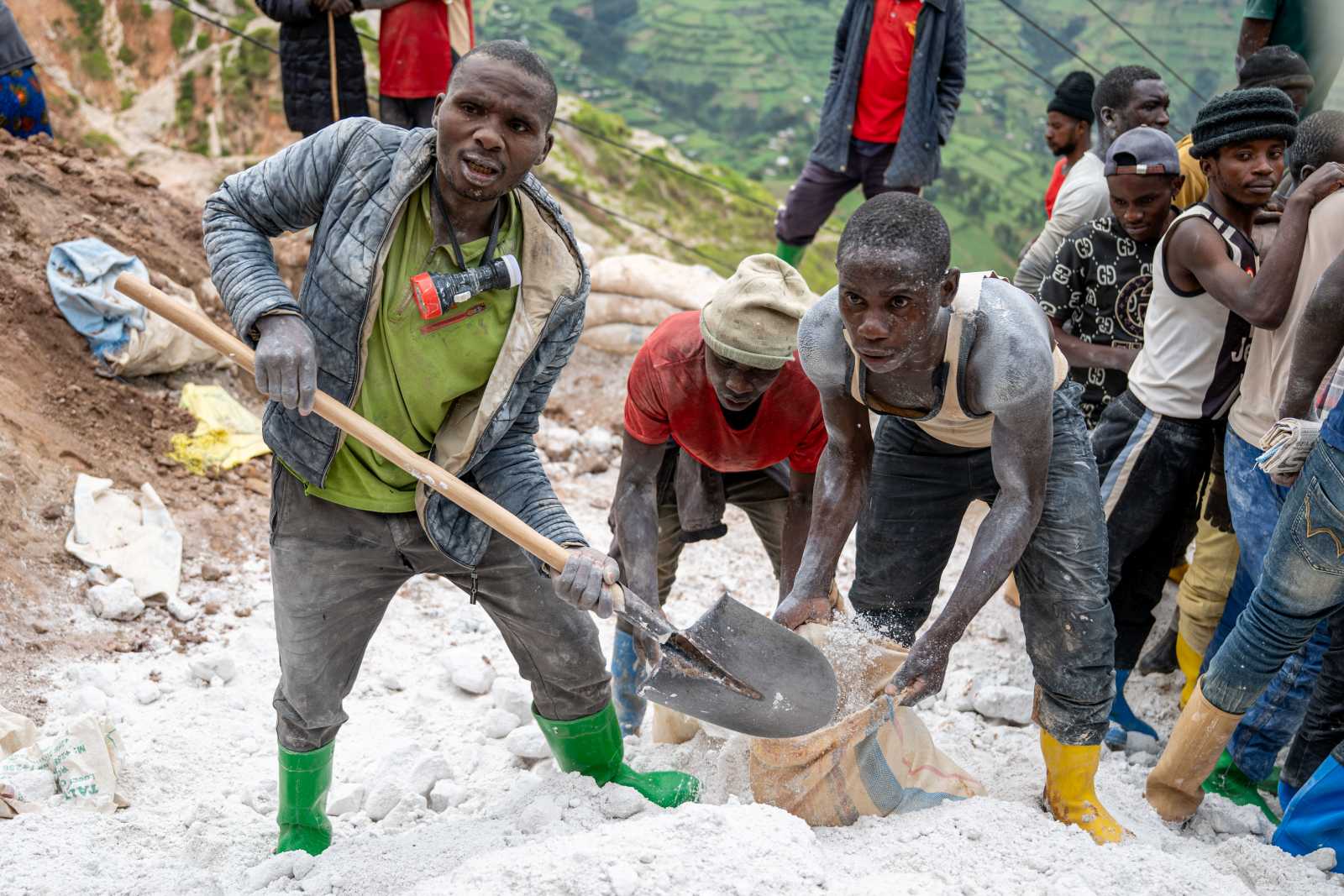
Following the DRC’s independence, mining has frequently been a cause of violent conflict. Currently, rebel groups, foreign troops and militias are using small mines in the east of the country to finance weapons. The local population is being ruthlessly exploited through informal mining under appalling conditions. However, many locals have no other way to earn a living.
The trade in critical minerals thus continues to reproduce colonial patterns to this day. Industrialised nations, including China, extract raw materials from economically weaker countries, process them further and profit from the added value.
The Supply Chain Act and international alliances
Progress is evident, but is happening too slowly. The EU’s Supply Chain Act, for example, is a significant step forward in the area of due diligence, but it has recently been watered down and postponed. International collaborations such as the Global Battery Alliance, which aims to achieve more sustainable and socially responsible battery production, are welcome, but they need to be emulated on a much larger scale. The transition to a more sustainable production of goods such as smartphones and electric vehicles (EVs) is also taking place far too slowly, if at all.

To improve the situation for people in mining regions, their working conditions must change, and they must receive a fairer share of the wealth generated by the resources they extract. One way to achieve this is to retain more added value locally.
Global South countries fight back against unfair trade conditions
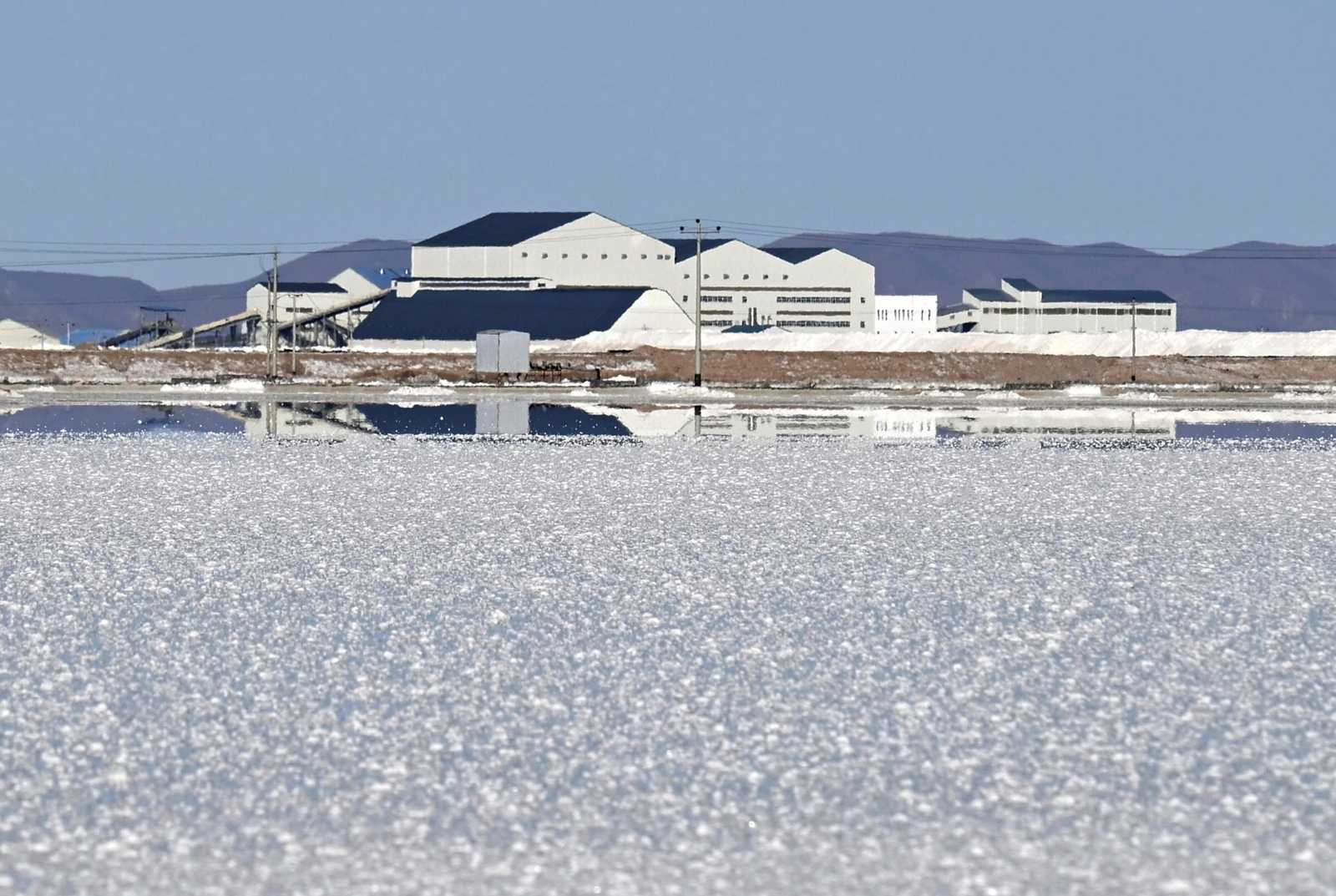
Various countries of the Global South have already made it clear that they do not wish to be reduced to the role of resource suppliers. For example, Burundi has temporarily suspended the activities of international companies in order to secure fairer terms. Bolivia, which is home to vast lithium deposits, also wishes to benefit more from the profits of its extraction and sale than it has done so far.
Critical minerals and the Sustainable Development Goals (SDGs)
From the perspective of the Sustainable Development Goals, the extraction of critical minerals presents a dilemma: on the one hand, it causes suffering through poor working conditions (SDG8 – Decent work and economic growth) and environmental degradation (SDG15 – Life on land; SDG6 – Clean water and sanitation), particularly in countries of the Global South.
On the other, it is economically important for many of these countries and also for local communities (SDG1 – No poverty). Furthermore, critical minerals are indispensable for modern technologies (SDG 9 – Industry, innovation and infrastructure) and the global energy transition (SDG 7 – Affordable and clean energy). They thus play a vital role in global climate action (SDG 13 – Climate action).
It is therefore in the interest of achieving the SDGs that the extraction of critical minerals be carried out in a socially and environmentally responsible manner (SDG12 – Responsible consumption and production). In particular, local people should receive a fair share of the profits. The recycling of e-waste as a source of valuable raw materials should also be promoted, as is already happening in India, for example.
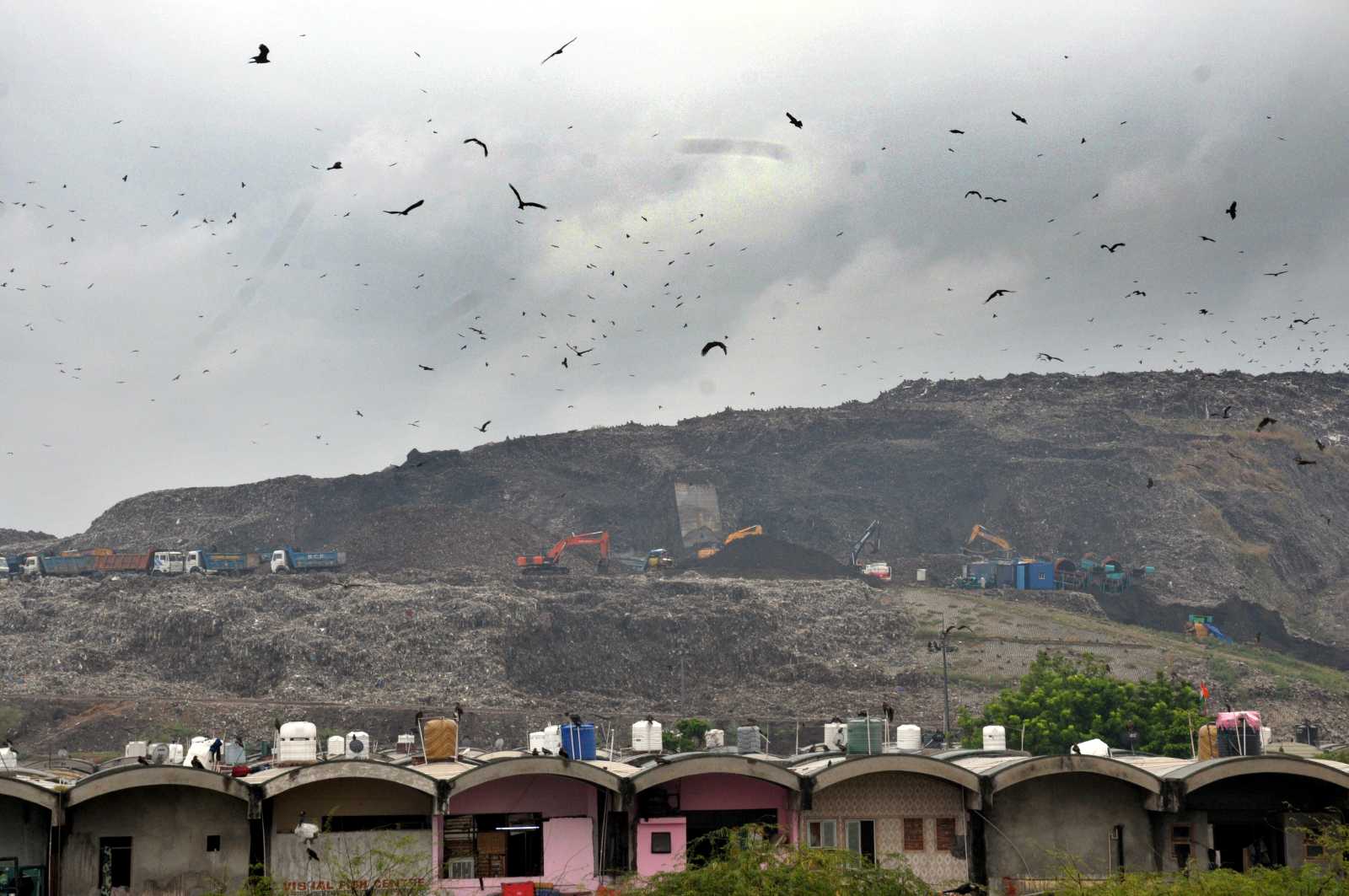
Consumer behaviour
Last but not least, consumers and their consumption patterns also play an important role – particularly in wealthier countries. Are consumers prepared to prioritise fair production conditions and possibly pay higher prices?
The D+C editorial team
euz.editor@dandc.eu