Just Transition
High ambition: jointly improving the battery industry


Inga Petersen in an interview with Eva-Maria Verfürth
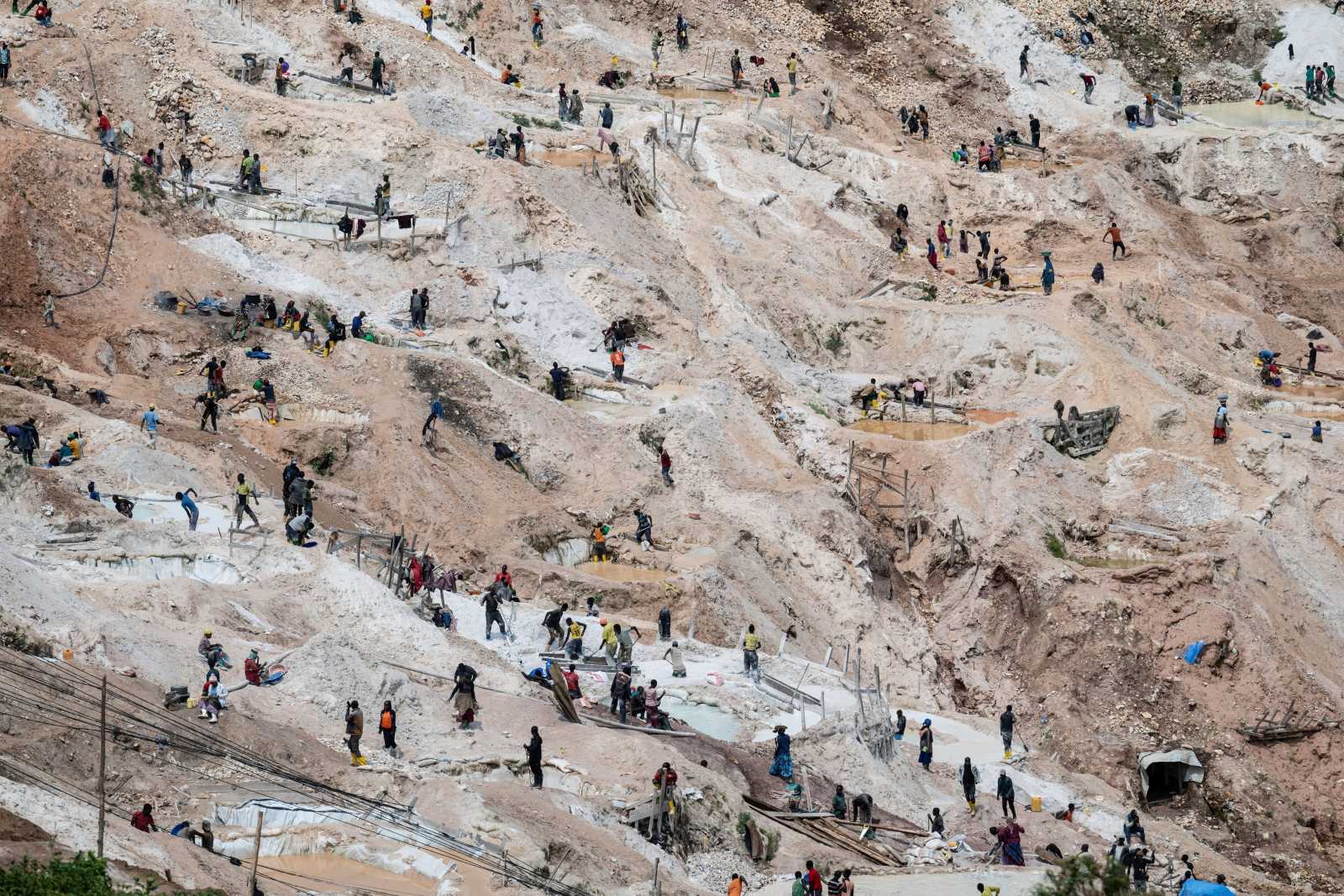
The Global Battery Alliance (GBA) was founded in 2017, following the publication of several reports on the cobalt mining industry in the Democratic Republic of the Congo (DRC). A report by Amnesty International on child labour gained global attention. What was the motivation of the GBA’s initial members?
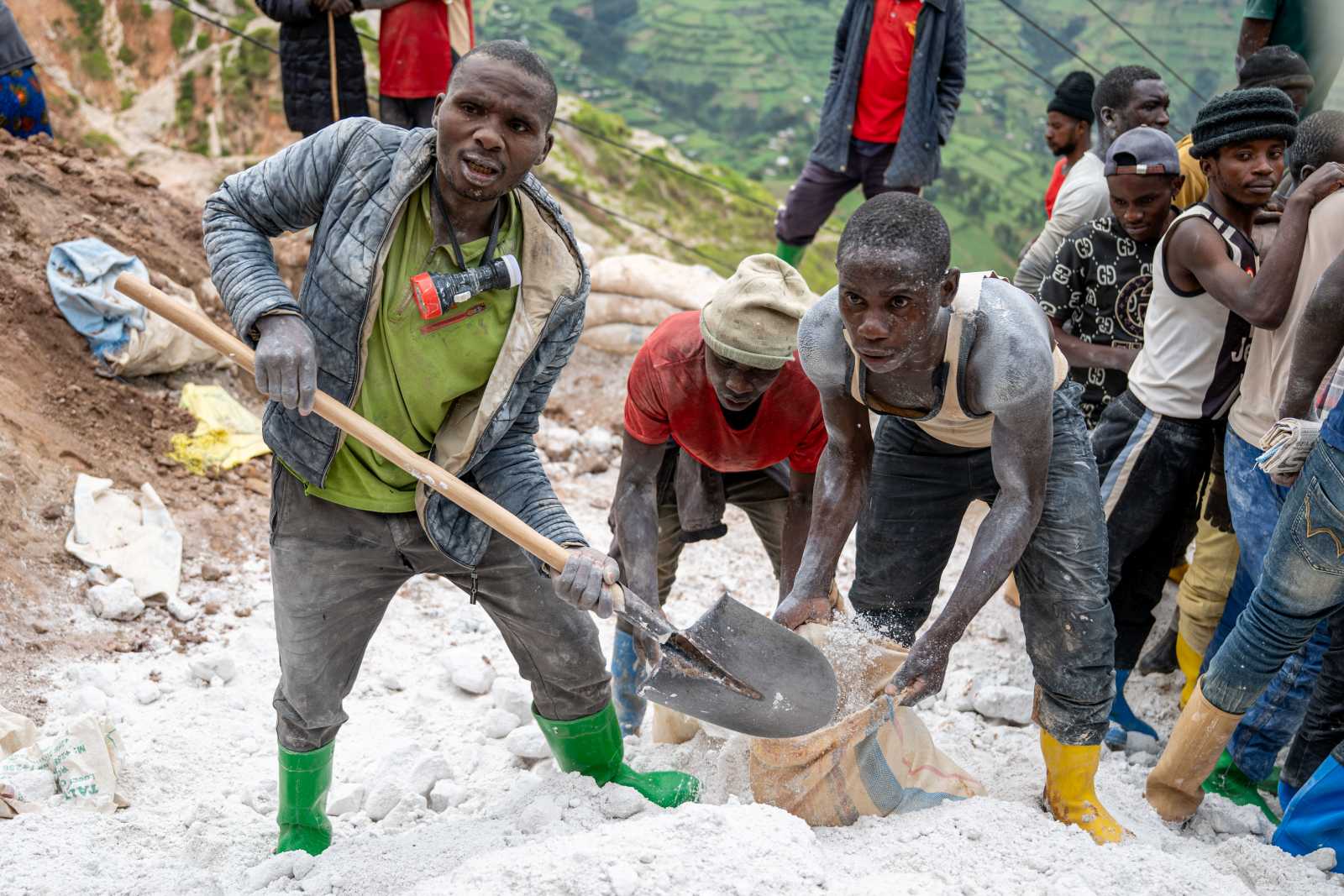
Back then, it was already clear that the battery industry would have to scale rapidly. We need batteries to decarbonise both transport and the power sector through renewables and stationary storage. At the same time, public attention was putting pressure on automotive companies using cobalt in batteries for electric vehicles (EVs) as well as on electronics companies like Apple that use the same materials in lithium-ion batteries for consumer electronics. The initial members of the alliance came together to grow this industry responsibly and to manage the associated risks: child labour, forced labour, human rights abuses and the carbon emissions produced by battery manufacturing itself.
What is the environmental potential of greener battery production and consumption?
In an EV, for example, the battery is the most carbon-intensive element to manufacture. By measuring and reporting greenhouse gas emissions during battery production, the value chain can collaborate to reduce the battery carbon footprint and greatly reduce emissions over the total life cycle of the vehicle. Unlike fossil fuels, which we extract at environmental and social cost only to burn them, critical minerals in batteries can be recycled almost infinitely, creating the material feedstock of the circular economy of the future.
The GBA’s structure is unique in that it brings together companies, NGOs and even government actors. Why this format, and how does it work?
The problems we want to address are so complex that we need collective action that spans the full value chain from mining to recycling. Automotive companies, mining companies, governments – none of them can solve these issues alone. The GBA is the largest multi-stakeholder alliance in the energy storage sector, and its members cover the full industrial value chain: from the world’s largest mining companies, like Rio Tinto and Anglo American, through cell manufacturers and battery buyers like CATL, Panasonic Energy, Tesla or Engie who purchase and integrate these batteries into their products. But it also includes NGOs, think tanks and international organisations. This diversity of views really allows us to have a holistic definition of what a sustainable battery value chain should look like.
What were the GBA’s initial steps?
First, we decided we needed to bring transparency into the value chain. After all, you cannot manage what you cannot measure. We wanted to shed light on the environmental, social, human rights and governance impacts, and we have captured all of that in our battery passport framework. This digital product passport contains critical information, including the provenance of materials – where the lithium, cobalt and nickel come from, where they were refined, and how they were processed. It also covers which standards companies along that value chain are adhering to. This makes it easier for purchasers to compare products, whether they are end consumers buying an EV, investors or cities like Oslo looking to electrify their public bus fleets.
What were the biggest challenges in developing this framework?
The biggest challenge is the complexity of the value chain. Comparable certification schemes typically have one input material – whether that is cotton, chocolate, coffee or timber – and then a complex product range. For the GBA, it is almost the reverse: we have a very complex set of input materials, each with its own intricacies depending on origin and processing method, but a single end product: the battery.
Is it even possible to fully trace the supply chain of batteries and account for sustainable sourcing of all materials?
For parts of the supply chain, we have already established full traceability from the mine site to the vehicle. This is easier for relatively vertically integrated companies like Tesla. They know their suppliers and can trace the cobalt back to the mine in the DRC and follow it through the supply chain to the end product using traceability solutions or a book-and-claim system. At the same time, many companies are still struggling to map their value chain. Large companies such as BASF, a German multinational company and the largest chemical producer in the world, may have tens of thousands of suppliers.
However, traceability is not an end in itself, as it says nothing about social or ecological performance. Once consistent reporting has been established, though, we can start comparing products and drawing conclusions about their footprint.
Engaging in such a complex international process requires significant effort from companies. They are mapping supply chains, implementing reporting frameworks and undergoing site audits. What motivates them to participate?
The motivations of individual companies vary, but regulatory compliance is certainly one of them. These companies are under scrutiny regarding their value chains and must demonstrate that they engage with their suppliers on issues such as human rights, biodiversity and deforestation. The GBA provides a framework that validates and showcases these efforts.
In 2023, the EU adopted a new regulation setting sustainability requirements for batteries sold on the EU market. How has this changed the dynamics?
Market access is a real motivator, and the EU regulation has been a very significant driver of engagement. We saw a big uptick in interest from companies wanting to learn from our experience. The GBA offers a unique pre-competitive space where companies can test their regulatory readiness and discuss requirements with their peers. For Chinese manufacturers, for example, understanding what European regulators are requiring and being able to demonstrate compliance is significant.
China is not generally considered a leader in social and ecological responsibility, and geopolitical competition over resources is intensifying. Does this affect the GBA’s work?
Anyone working in the industry knows that there is no battery industry without China. But we are actually seeing the opposite of what you might expect: a strong willingness to collaborate across geopolitical divides. We see robust engagement from Chinese actors in sustainability reporting, human rights due diligence and capacity building. Let me put it this way: there are alliances of the willing, and there are alliances of the doing. The GBA has really moved towards being an alliance of the doing.
The GBA is not the only certification scheme. Several commercial battery passport providers have similar offers. What sets the GBA apart?
In the near future, simply complying with the EU Battery Regulation will not give a company a competitive advantage. The GBA’s standards are comprehensive and establish comparability, enabling companies to differentiate their products in the market. Some fleet operators and institutional investors are looking for products that stand out from the cheapest option, and they seek independent validation. For example, we work a lot with the European Bank for Reconstruction and Development and the International Finance Corporation, which are big investors in stationary storage in the Global South.
Along with Zambia, Germany is one of the governments that have joined the alliance. What does Germany bring to the table?
The impact of these governmental members cannot be underestimated. There is a disconnect between intergovernmental and business processes, and not many platforms bring these together in a truly integrated way. Germany joined the GBA with the express purpose of incorporating the perspectives of mineral-producing countries in the Global South.
Why is this important?
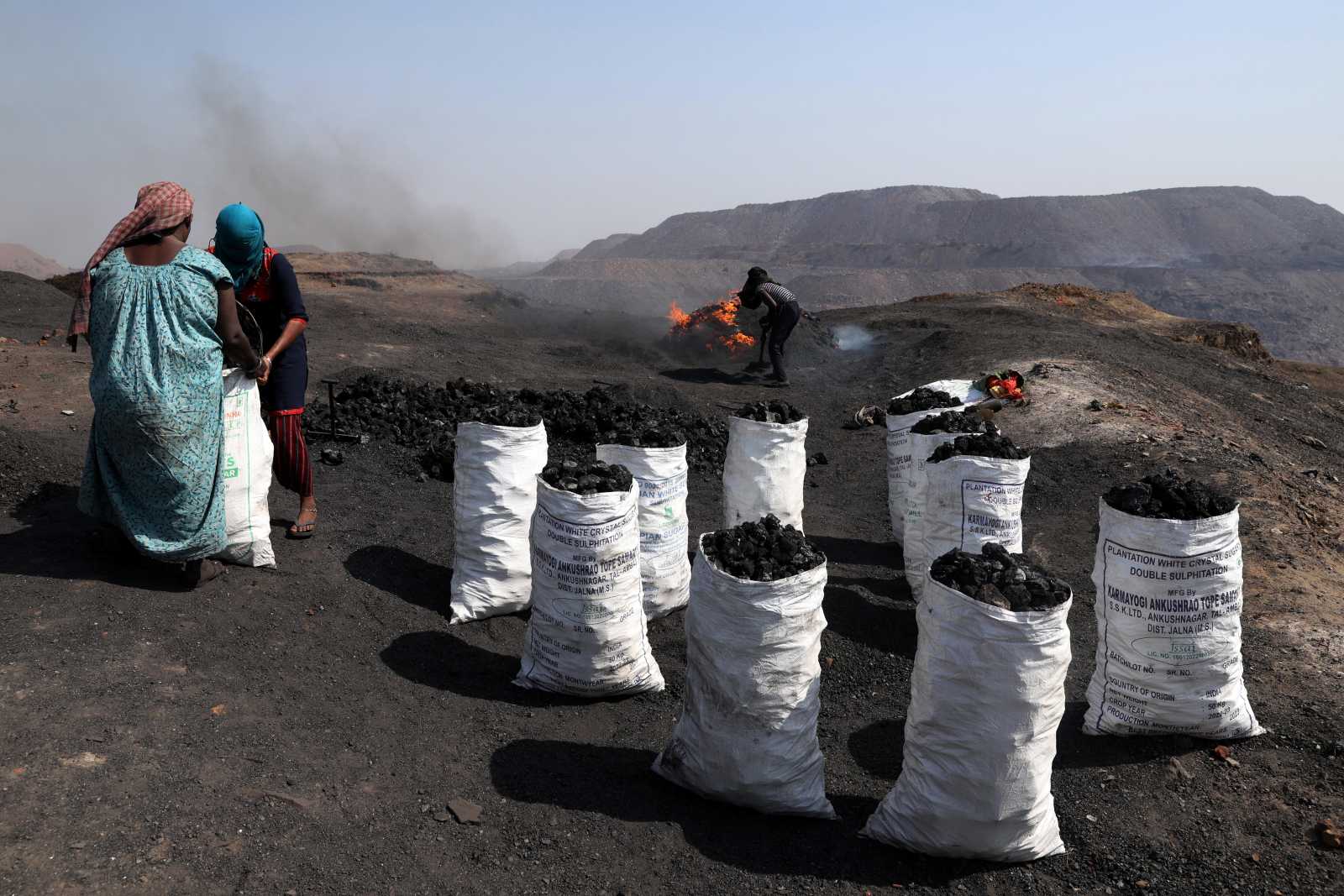
Currently, performance expectations such as reporting on carbon footprints or human rights due diligence are being defined by the downstream markets, where processing and production take place. But these are not necessarily the priorities that a producing country would identify. For them, factors such as contributing to local economic development and engaging responsibly with the artisanal mining sector are very important. Through the battery benchmarks, we are trying to incorporate these perspectives, even if it starts with voluntary reporting. Because this is what will really make a just transition: ensuring that the costs and benefits of the shift to green energy are equitably distributed around the world.
How has Germany been supporting mineral-producing countries in having a voice at the table so far?
The German BMZ has given government representatives the opportunity to participate in our meetings and to exchange with companies. It supports them in presenting their countries as attractive investment destinations. Meeting certain standards enables them to differentiate themselves from other critical mineral producers as meeting these standards is important in end markets. The government of Zambia officially joined the GBA thanks to the BMZ’s engagement. The country representatives participated in learning journeys in China including visits to battery manufacturing plants in Ningde.
The BMZ has also funded an outreach advisor to be seconded to the GBA for three years. Industry stakeholders are accustomed to working in these international processes and have entire teams dedicated to it. By contrast, government stakeholders often lack the capacity for systematic engagement, so having a dedicated person to focus on this is extremely important.
Founded as a World Economic Forum initiative, the GBA only became an independent organisation in 2022. It is entirely membership-funded, thus running on limited funds and a small team. Yet it operates in an industry that evolves extraordinarily fast. How do you keep pace?
It has been a challenge of building the aeroplane while keeping it flying. The multi-stakeholder setup means things take time. At the same time, industry stakeholders can only engage in a process for so long before they need to see a real return on investment. Therefore, we are genuinely excited to take it over the line this year by starting to roll out the certification scheme.
The industry itself is phenomenal in terms of the pace of change. In less than two years, it has moved from predominantly cobalt-based NMC chemistry to lithium iron phosphate (LFP) batteries with more chemistries being commercialised. I have never seen another industry innovate so quickly. It makes our work extremely challenging but also extremely exciting.
Inga Petersen is the Executive Director and Board Member of the Global Battery Alliance.
secretariat@globalbattery.org
LinkedIn | Global Battery Alliance
This story is part of The 89 Percent Project, an initiative of the global journalism collaboration Covering Climate Now.