AI tools
Four positive AI stories


Croppie: Predicting coffee harvest yields more reliably
Many smallholder coffee farmers face the challenge of estimating their yields as accurately as possible before the harvest so that they can respond to fluctuations. They usually do this manually, which is time-consuming and prone to errors.
This is where “Croppie” comes in. The AI tool helps farmers estimate their yields, giving them more planning security. Here's how it works: Farmers upload photos of their coffee plants to the Croppie app. The AI recognises the coffee cherries on the plant, counts them and uses this information to predict the harvest. Based on the forecasts, the app also provides recommendations for cultivation.
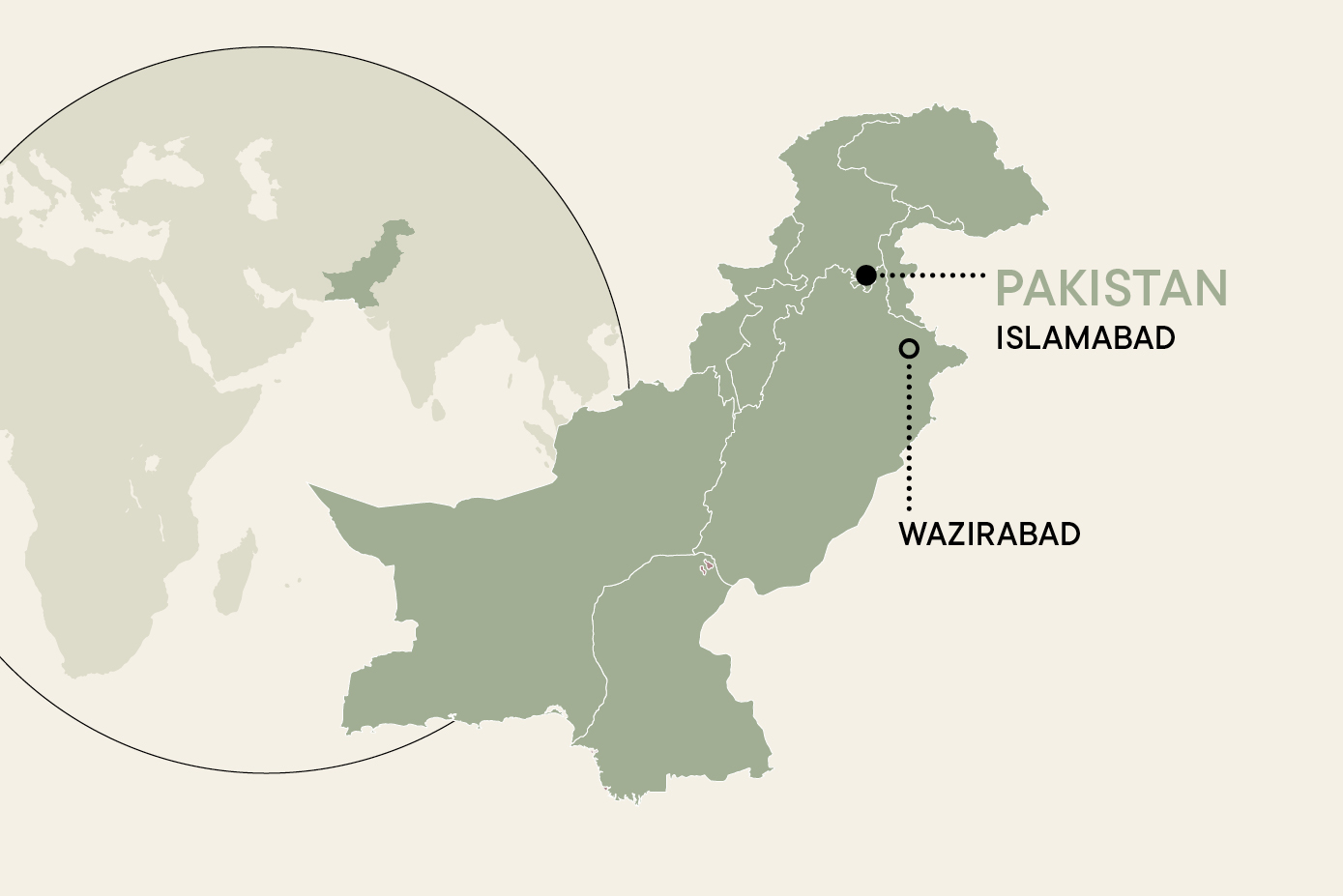
The AI was initially trained using data sets from several thousand farmers in Colombia and Peru. The project has since been expanded to Uganda. The datasets are available as open-source for further reuse. Behind “Croppie” are Producers Direct, an NGO by and for smallholder farmers, the International Center for Tropical Agriculture (CIAT), the research institution Bioversity International, and the Ugandan company M-Omulimisa. The project is supported by the GIZ initiative FAIR Forward – AI for all on behalf of the Federal Ministry for Economic Cooperation and Development (BMZ).
Sunbird AI: Renewable electrification planning in rural areas
To supply rural areas of Uganda with electricity, it makes sense to rely on renewable energy sources such as solar, wind and biomass. However, planning authorities often lack the relevant data to find the best solution: should they expand the existing power grid, set up separate local grids (mini-grids) or install solar panels on residential buildings?
In the Lamwo district in northern Uganda, authorities have the option to consult an AI tool developed by the non-profit AI company Sunbird AI with support from the GIZ project FAIR Forward – AI for all, implemented on behalf of the Federal Ministry for Economic Cooperation and Development (BMZ), and the Ugandan Ministry of Energy and Mineral Development. The tool analyses various data sets, including Google’s Open Buildings data set, and identifies different types of buildings and the outlines of settlements. Based on these data, it makes suggestions for optimal electrification strategies. All datasets and AI models are accessible online.
Quizat: Learning under difficult circumstances
Hamza Hourani and Bashar Saaduddin Al Jbawi developed the Syrian educational app Quizat to teach students in a playful way and spare parents the expense of high private tutoring. Even before the fall of former ruler Bashar al-Assad at the end of 2024, the founders defied harassment by the collapsing regime and enabled thousands of Syrian students to engage in digital learning amid a devastated educational infrastructure.
Quizat is based on AI-supported learning content and encourages personalised learning with exam-style quiz questions. Subjects offered include Arabic, English and French as well as mathematics, physics, history, religion, geography and general knowledge. The app runs relatively smoothly, even on older smartphones and with poor power supply. The Quizat team, which includes several women, now plans to expand the service beyond Syria’s borders.
Chequeabot: Fighting Disinformation with AI
Disinformation tends to spread faster than it can be debunked – inventing a lie is simply easier than verifying the truth. But while AI has become a powerful tool for spreading fake news, it can also be part of the solution. The Argentine fact-checking organisation Chequeado recognised this early: for nearly a decade, they’ve been developing an AI-powered bot that helps fact-checkers work faster and more efficiently. Today, Chequeabot is used by fact-checking organisations and newsrooms across multiple countries.
The tool scans news coverage and political speeches for verifiable claims, automatically matching them against a database of existing fact-checks. Fact-checkers get an instant overview: what needs to be verified, and what’s already been debunked? Chequeabot can also monitor social media platforms, alerting users when it detects potential disinformation.
The D+C editorial team
euz.editor@dandc.eu
You can find the first part with three AI projects here.