Africa
China is a main character, but Africa needs to write the script


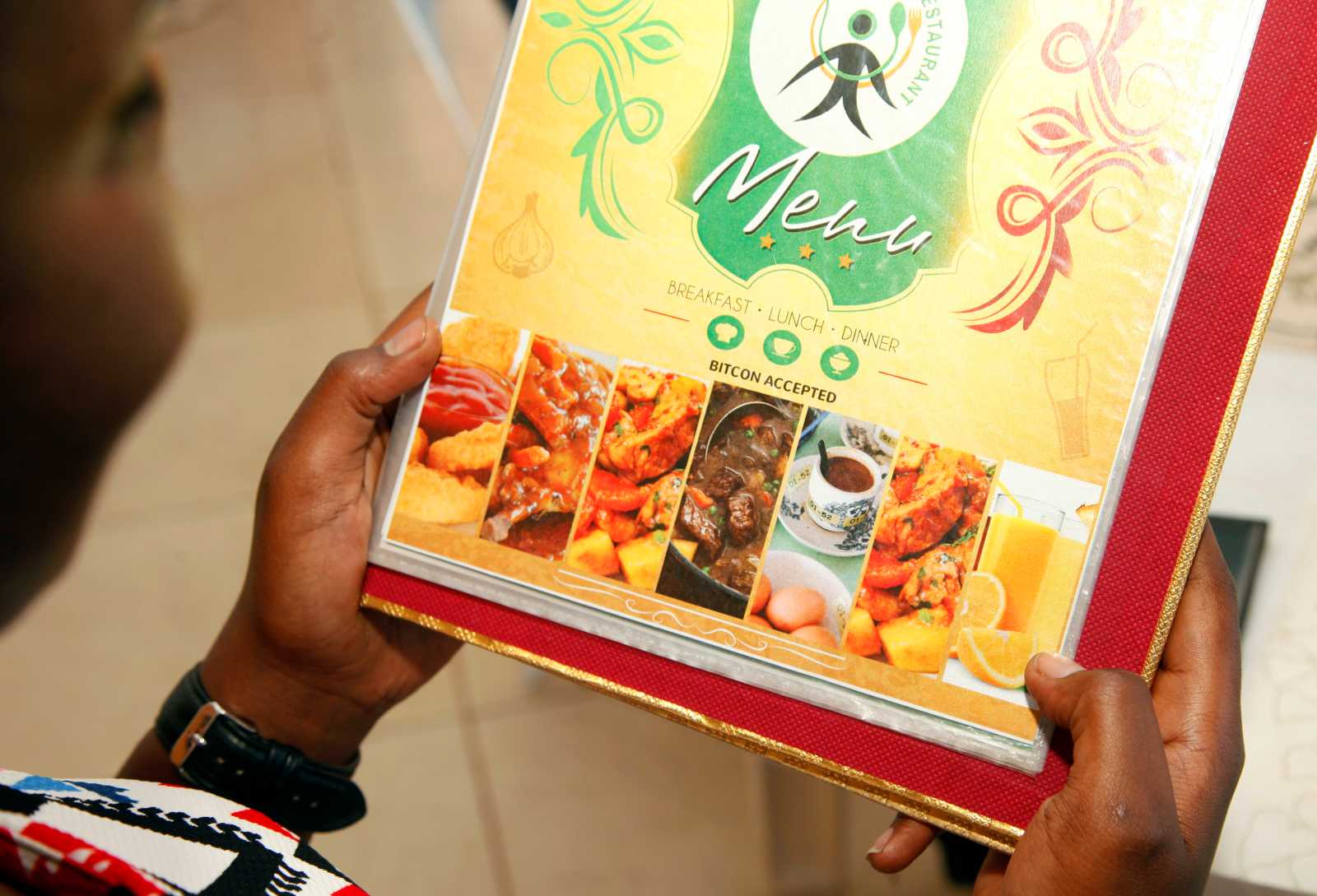
On any given day in Uganda’s capital, Kampala, China is impossible to miss. From downtown Kampala to the city’s fast-growing suburbs, Chinese-owned supermarkets, restaurants and wholesale shops have become a familiar part of the urban landscape. Students attend Mandarin classes at Makerere University’s Confucius Institute, hoping language skills might open doors to scholarships, jobs or business opportunities. Chinese-made motorcycles weave through traffic, driving on roads built by Chinese contractors, and businesses rely on infrastructure financed by Chinese loans.
All over Africa, China is no longer a distant global power. It has become part of everyday life. That presence is reflected in the numbers. Total bilateral trade between China and Africa reached an all-time high of $ 348 billion in 2025, making China the continent’s largest bilateral trading partner for the 17th consecutive year. Yet China’s influence on the continent extends beyond trade. It is visible in infrastructure projects, universities, diplomatic relations and, increasingly, the choices African governments make as they navigate a changing global order.
China’s growing footprint presents opportunities as well as dilemmas. It offers African countries alternative sources of financing, trade and investment, but also raises questions about debt and dependency.
A changing economic landscape
Chinese firms are now central players in sectors that were once dominated by Western contractors and multilateral institutions. Across the continent, Chinese companies have built roads, railways, airports and energy facilities at a scale and speed that many African governments would have found difficult to achieve with their traditional partners.
Uganda offers a vivid example of this shift. Chinese contractors have played leading roles in major infrastructure projects such as the Karuma and Isimba hydropower dams, as well as the Entebbe Expressway. The scale of these projects is considerable. The 600 MW Karuma Hydropower Project, for example, commissioned in 2024, cost approximately $ 1.7 billion, with about 85 % financed through a loan from China’s Exim Bank.
This turn towards China is partly due to China’s willingness to finance major infrastructure projects, with loans, construction and supply often bundled through state-backed companies – even though China has granted fewer direct loans over the last ten years. For governments with urgent development needs, the model is extremely attractive, as it promises visible results that align with their political timelines – such as terms of office. However, there are concerns about transparency, procurement practices and long-term debt sustainability.
The appeal of non-intervention
African politicians mostly counter these fears with assertions that infrastructure gaps are being addressed in ways that Western-led models often failed to achieve. One of the distinguishing features of China’s engagement is its stated policy of non-interference in domestic political affairs. Unlike many Western donors, China generally does not attach governance or human-rights conditions to its financing.
For some African governments, this approach is a key advantage. In contexts where Western conditionality has been experienced as intrusive or obstructive due to lengthy negotiations over governance reforms, China’s model appears more pragmatic and respectful of sovereignty.
Uganda’s President Yoweri Museveni, who has ruled the country for over 40 years, has frequently highlighted the importance of infrastructure financing without extensive political conditions. He sees China’s partnership as a preferred route to close the country’s development gaps.
Yet this approach is also debated. Critics argue that the absence of governance conditions can enable weak accountability or reinforce existing political structures without encouraging reform.
The Belt and Road Initiative: development and dependency
Much of China’s engagement in Africa is linked to the Belt and Road Initiative (BRI), which has financed transport networks, ports, power projects and industrial infrastructure across the continent. Supporters argue that these investments are helping to close Africa’s infrastructure gap, reduce business costs and support industrialisation. Critics, on the other hand, point to rising debt burdens, the dominance of Chinese contractors in some projects and the limited transfer of technology and skills in certain sectors. Another worry is that some African countries may become overly dependent on Chinese financing and markets.
These concerns have led some observers to describe aspects of China’s engagement as having neo-colonial characteristics. The comparison is contentious. China does not govern African territories nor exercise the direct political control associated with colonial rule. However, questions about dependency, bargaining power and whether local economies are benefiting enough from these investments continue to shape the debate.
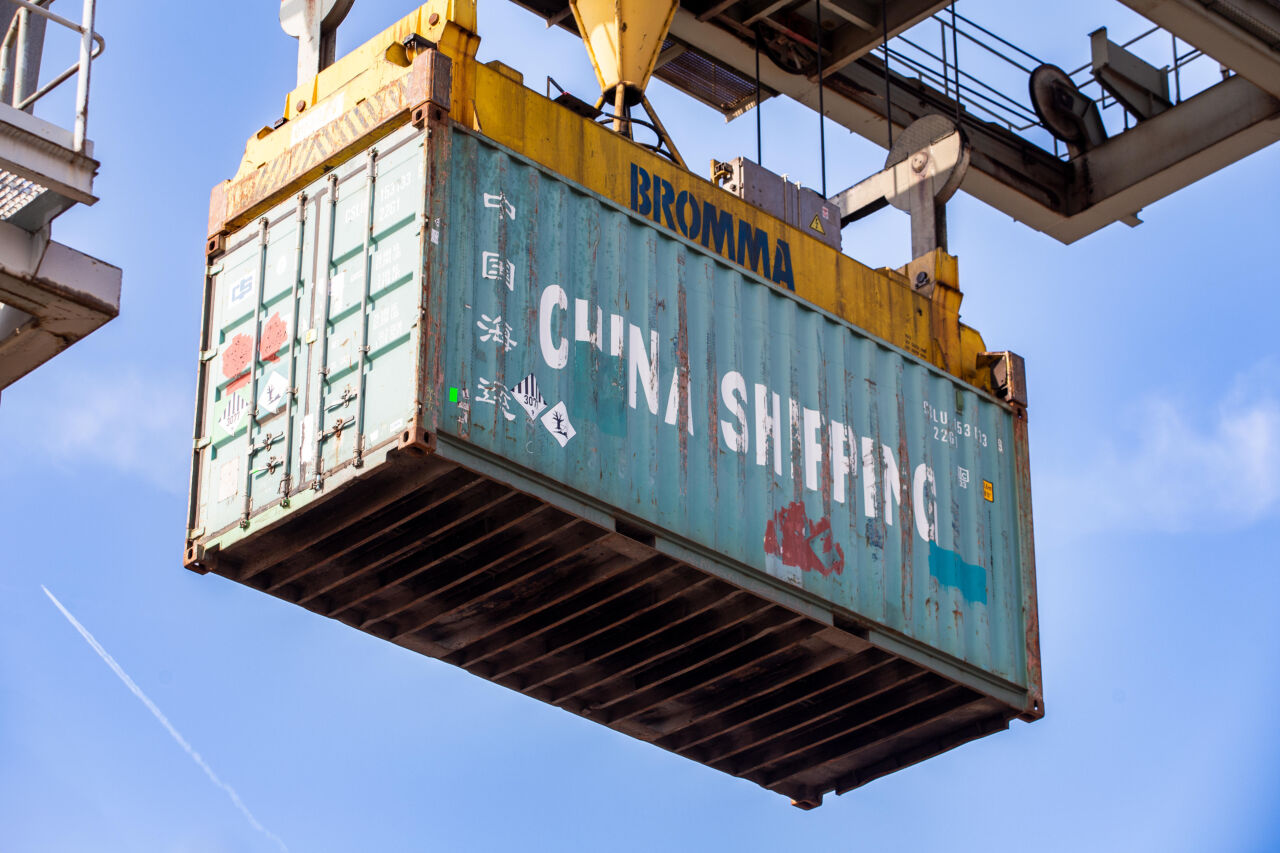
Ultimately, the more important question may not be whether China resembles past colonial powers, but whether African countries are securing sufficient value from the relationship. Roads, power plants and trade opportunities matter, but so do technology transfer, local employment, industrial development and the ability of African governments to negotiate from a position of strength.
China’s zero-tariff treatment
An aspect that is becoming increasingly important alongside China’s landmark infrastructure initiatives is trade. Under President Xi Jinping, China is granting zero-tariff treatment to 53 African countries from May on. The regulation applies to every country except Eswatini, which is excluded because of its support for Taiwan. The move expanded earlier preferential arrangements that had primarily benefited least developed countries and was widely interpreted as a signal that Beijing wants to deepen commercial ties with the continent.
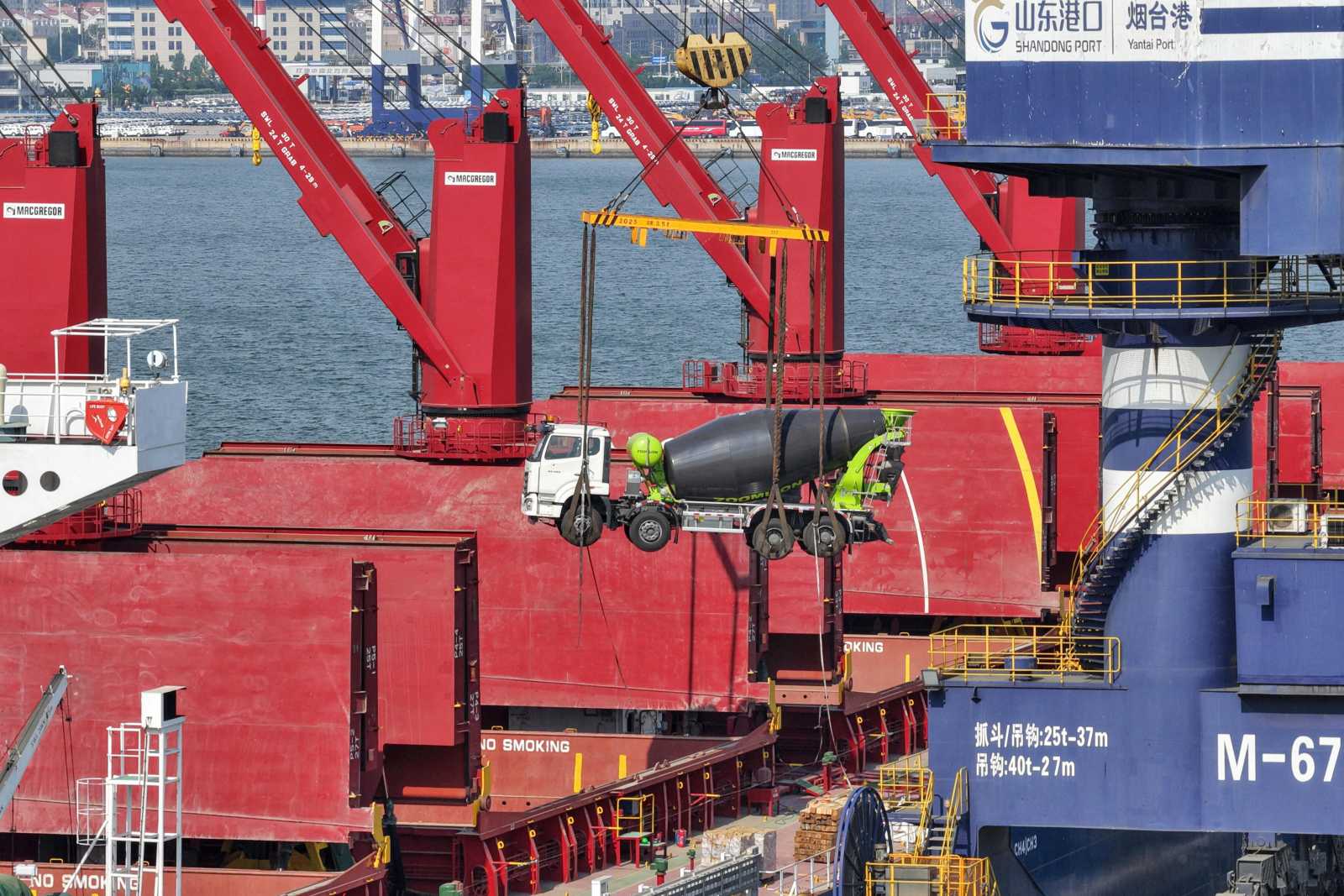
For countries like Uganda, the opportunities are significant. Fish products as well as coffee, cocoa, sesame and other agricultural commodities could gain improved access to one of the world’s largest consumer markets. Uganda exported approximately $ 92.6 million worth of goods to China in 2024, but imported more than $ 2.7 billion, highlighting the scale of the trade imbalance that policymakers would like to narrow.
Will trade with China undermine the AfCFTA?
China’s zero-tariff treatment also raises questions about Africa’s own trade ambitions. The African Continental Free Trade Area (AfCFTA), which brings together the African Union member states within the world’s largest free-trade area by population, was designed to boost trade within Africa itself. Some economists now worry that easier access to Chinese markets could encourage African countries to continue looking outwards rather than strengthening regional value chains.
Others see the two initiatives as complementary rather than competing. Better access to Chinese consumers could create incentives for African manufacturers to increase production, while AfCFTA provides a regional platform through which goods can be processed, assembled and traded before reaching global markets.
The real test will be whether Africa uses these opportunities to export more finished products – and thus retain a larger share of added value on the continent – rather than simply shipping more raw materials abroad. If managed well, China’s tariff concessions could support industrialisation and diversify exports. If not, they risk reinforcing long-standing patterns in which Africa exports raw commodities and imports manufactured goods.
The challenge for Africa is not simply to sell more to China, but to sell differently – exporting roasted coffee rather than coffee beans and processed minerals rather than raw ore, to make sure that trade relationships become balanced and mutually beneficial.
China’s quieter influence
While economics often dominates headlines, China’s influence is also expanding quietly through education, scholarships and cultural exchanges. Thousands of African students study in China, many on Chinese government scholarships. Before the Covid-19 pandemic, China had become one of the leading destinations for African students outside the continent. In Uganda, Makerere University’s Confucius Institute offers Mandarin language courses to students, professionals and businesspeople seeking opportunities linked to China’s growing presence.
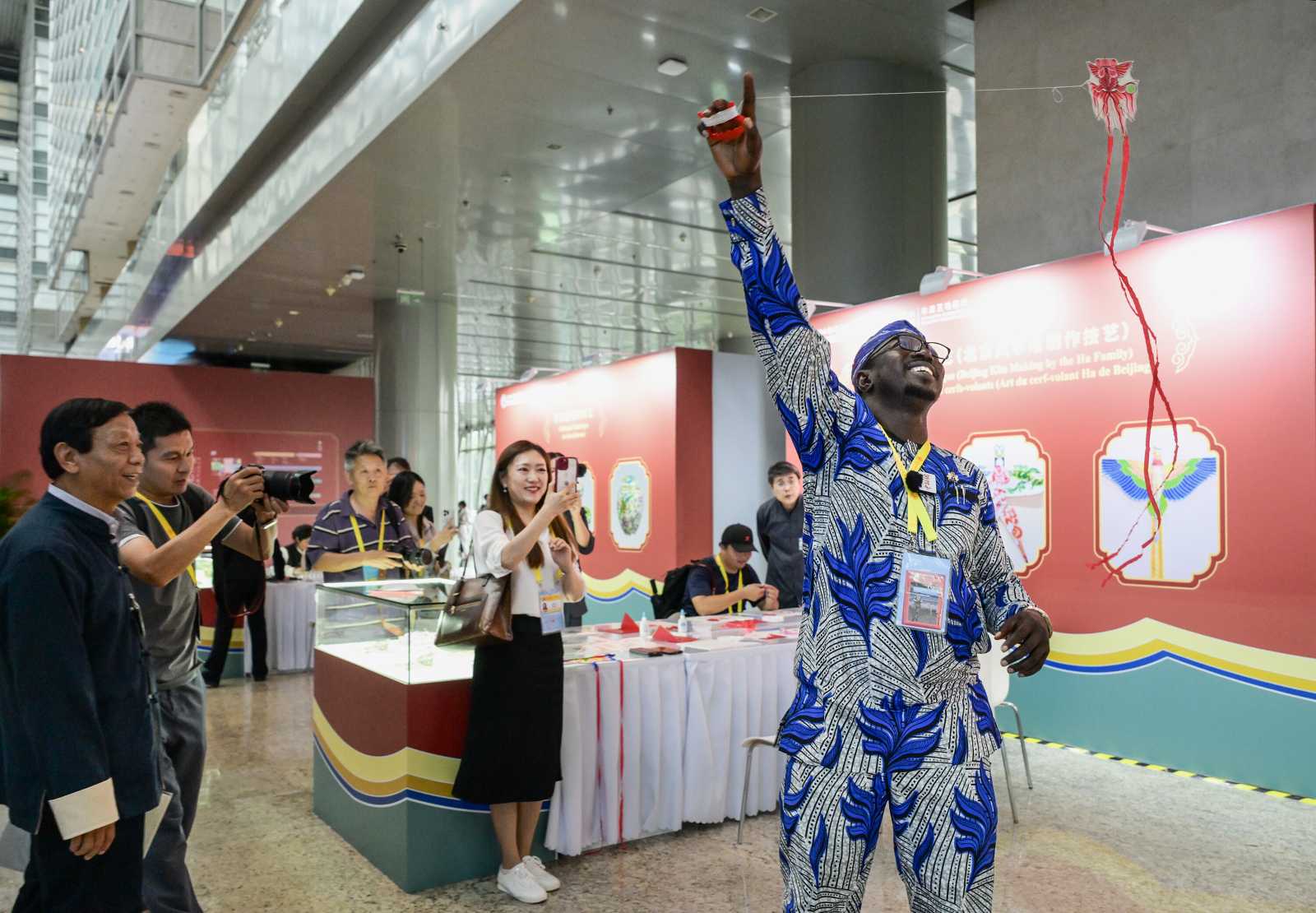
For many young Africans, China is increasingly viewed not only as a development or trading partner but also as a place to build professional networks and explore career opportunities. Chinese society and culture are attracting more attention, too. Whether this translates into lasting political influence remains uncertain, but it represents a form of soft power that is often overlooked in discussions about China’s role in Africa.
Public perceptions of China
At the same time, public attitudes towards China in Africa are far from uniform. Whereas government officials often emphasise the benefits of infrastructure development, trade and investment, local businesses sometimes express concern about competition from Chinese firms, particularly in the construction and retail sectors.
In Uganda, many citizens associate China with roads, the aforementioned power generation projects and affordable consumer goods. Chinese-built infrastructure is often cited as evidence of tangible development. Nonetheless, concerns are occasionally raised about labour practices, the treatment of local contractors and the country’s growing debt obligations linked to major infrastructure projects.
However, China’s influence remains broadly popular across much of Africa. According to an Afrobarometer survey, approximately 63 % of Africans in the 34 countries surveyed expressed a positive view of China’s economic and political influence, with infrastructure development frequently cited as a key reason.
There is also a generational dimension. Younger Africans, increasingly connected through digital platforms, are forming their own views – often less tied to historical alliances and more focused on economic opportunity, employment and entrepreneurship.
One thing is certain, in any case: China’s role in Africa cannot be reduced to a single narrative. For African countries, the challenge is not to choose between China and other partners, but to ensure that all external partnerships support national development priorities. The real measure of success will be whether these relationships create jobs, strengthen local industries and generate long-term prosperity. In that sense, the story of China in Africa is ultimately a story about Africa itself – its choices, its bargaining power and its place in a changing world.
Ronald Ssegujja Ssekandi is a Ugandan author.
sekandiron@gmail.com