Our view
Growing presence, changing course


China is shaping the daily lives of many people in developing and emerging economies more than ever before: they commute in vehicles “Made in China” on roads financed by Chinese loans to jobs in companies that do business with Chinese firms. One reason for this is China’s export strength: the country’s exports to Africa, Latin America, India and the ASEAN states continued to grow significantly in 2025. Another is the more than 900 infrastructure projects that Beijing has poured hundreds of billions of dollars into throughout the Global South. Infrastructure development under the “Belt and Road Initiative” is primarily being carried out by Chinese firms. The fact that they are delivering what people have often long been waiting for is bolstering China’s reputation.
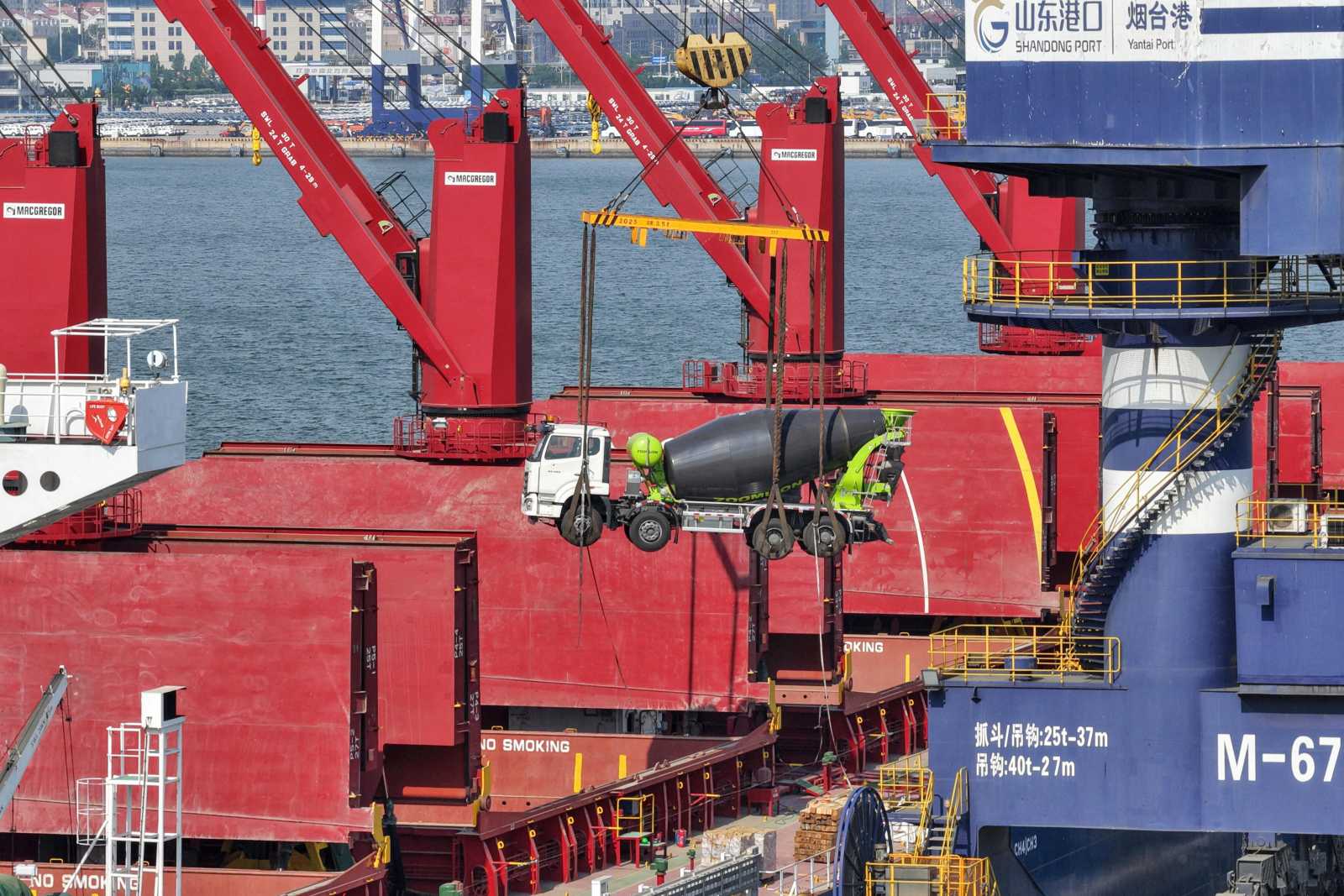
Beijing is known for not attaching any conditions relating to governance to its development engagement – with the exception of not recognising Taiwan – and for showing limited interest in working conditions and environmental regulations. However, these factors only partly explain its success. China’s long-standing relationships with African countries and the fact that it is not perceived as a former colonial power also help explain why it enjoys a more positive image in many places than it does in Western democracies.
No one who is committed to liberal-democratic values can be indifferent to China’s growing influence. Beijing is exporting not only electric cars and solar cells, but also its vision of an authoritarian political system. For example, Chinese companies are embedding software that enables censorship into the physical internet infrastructure they supply. China is exerting influence over groups like BRICS+ and the G77 to shape the changing world order according to its interests – for instance, to exercise more state control over the internet even beyond its borders.

Domestically, the Communist Party, under alleged billionaire Xi Jinping, is tightening its grip on information and public discourse. As of July this year, a “Law on Promoting Ethnic Unity and Progress” is forcing minorities who were already being persecuted to assimilate into majority society.
China is rethinking its lending strategies
In recent years, Beijing has significantly rolled back its large state loans for construction projects in the Global South, especially in Africa. The risk of default was simply too high. African countries are now paying China more to service their debts than they receive in fresh loans from Beijing. For some countries, this situation carries serious risks. The fact that Beijing is increasingly focusing its lending on economically viable projects confirms that upholding certain standards in state lending is a move that makes sense and also protects lenders.
Now more than ever, Western democracies need to prove that what they have to offer is more sustainable, in the fullest sense of the word, than what the authoritarian regime in Beijing can provide. Analyses by the German Institute for Economic Research, for example, have demonstrated this with respect to the economic viability of loans to African states. Nevertheless, offers must be made more attractive: more targeted, less bureaucratic and more focused on public-private partnerships.
People around the world yearn for development and democracy. In Latin America, this is particularly true in places where China is building infrastructure, as Marcela Ibáñez and Alain Schläpfer report in this issue. These people deserve the best possible alternative. Western democracies’ current cuts to development aid budgets, however, are sending precisely the wrong signal.
Jörg Döbereiner is the managing editor of D+C.
euz.editor@dandc.eu