Our view
Under fire, but still alive


In January 2022, in a courthouse in Koblenz, Germany, history was made. Ruham Hawash, a Syrian torture survivor, had travelled to witness a moment that many had considered impossible: the conviction of former secret service officer Anwar Raslan. While the Assad regime continued its brutal assault against its own population in Syria, Raslan was convicted of crimes against humanity in Germany. “This conviction is important for all Syrians who have suffered and continue to suffer from the crimes of the Assad regime,” Hawash told the taz, a German newspaper, that day.
The conviction was also remarkable because an investigation into Syria by the International Criminal Court (ICC) had been de facto blocked by a veto from Russia and China. In the case of Raslan, however, the Syrian diaspora found another way: the so-called universal jurisdiction principle. It gives national courts the right to act in response to the most serious international crimes regardless of where the crime took place. Activists and NGOs gathered evidence, smuggled documents out of Syria and helped witnesses to testify before a German court. The result was a small step towards justice, a first attempt to address the crimes committed in Syria and the realisation that international law can sometimes open up new avenues even if international politics are standing in the way.
International law is not a naive illusion
Since Raslan’s conviction, times have changed, and not just in Syria. Donald Trump is openly attacking the United Nations and international criminal justice. The USA and Russia are sabotaging the ICC, member states are announcing their withdrawal, and the UN Security Council is blocking key action on major crises.
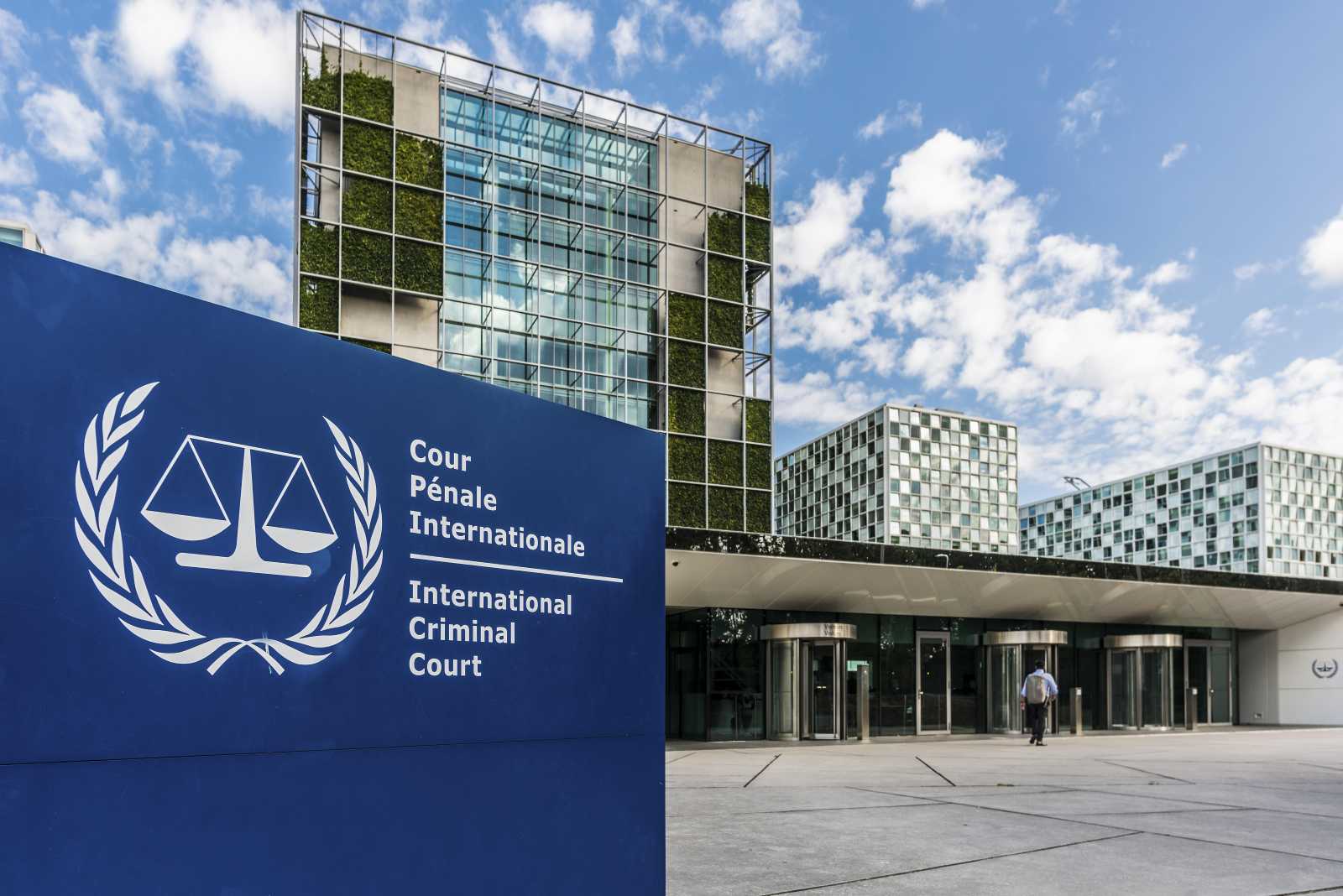
Yet despite all these attacks, international courts continue their work. Important cases on matters like war crimes in Sudan and genocide in Myanmar are being tried at the ICC. NGOs and survivors are gathering evidence on Libyan torture camps and war crimes in Ukraine. A youth initiative from Vanuatu launched legal proceedings requesting an advisory opinion from the International Court of Justice (ICJ) on countries’ obligations under international law with regard to climate protection.
These procedures serve above all those people who otherwise would not have a voice. Civil society groups from the Global South, in particular, are resorting to international legal remedies to rebel against global power imbalances. As outrageously unjust as the international system is, international agreements at least make it possible to protest injustice and demand accountability.
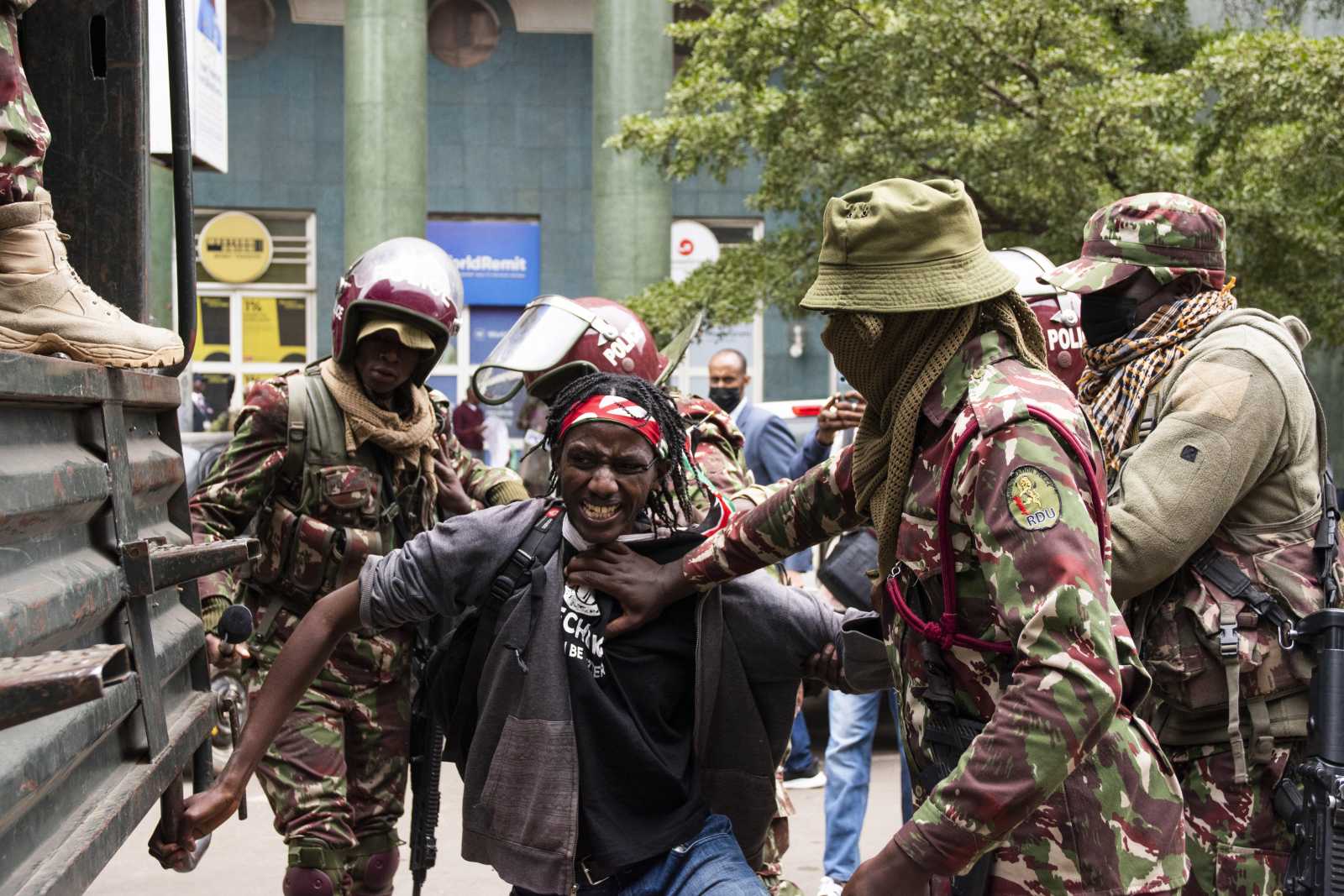
The ICC was founded in 2002 to ensure that no one in the world would ever again be above the law. Heads of state like Donald Trump and Vladimir Putin want to free themselves from that obligation. The more they manage to convince the world that international law no longer matters, the closer they come to their goal. The more they influence other countries not to make a clear commitment to it, the fewer opportunities victims and civil society will have worldwide to protect themselves from the abuse of their rights.
Anyone who advocates for “realpolitik” nowadays and dismisses international law as a naive illusion should ask themselves who that serves. Perhaps there is nothing more dangerous for international law than the conviction that it is already dead.
Eva-Maria Verfürth is the editor-in-chief of D+C.
euz.editor@dandc.eu