Women’s health
In Nigeria, pregnancy care comes with a hidden bill


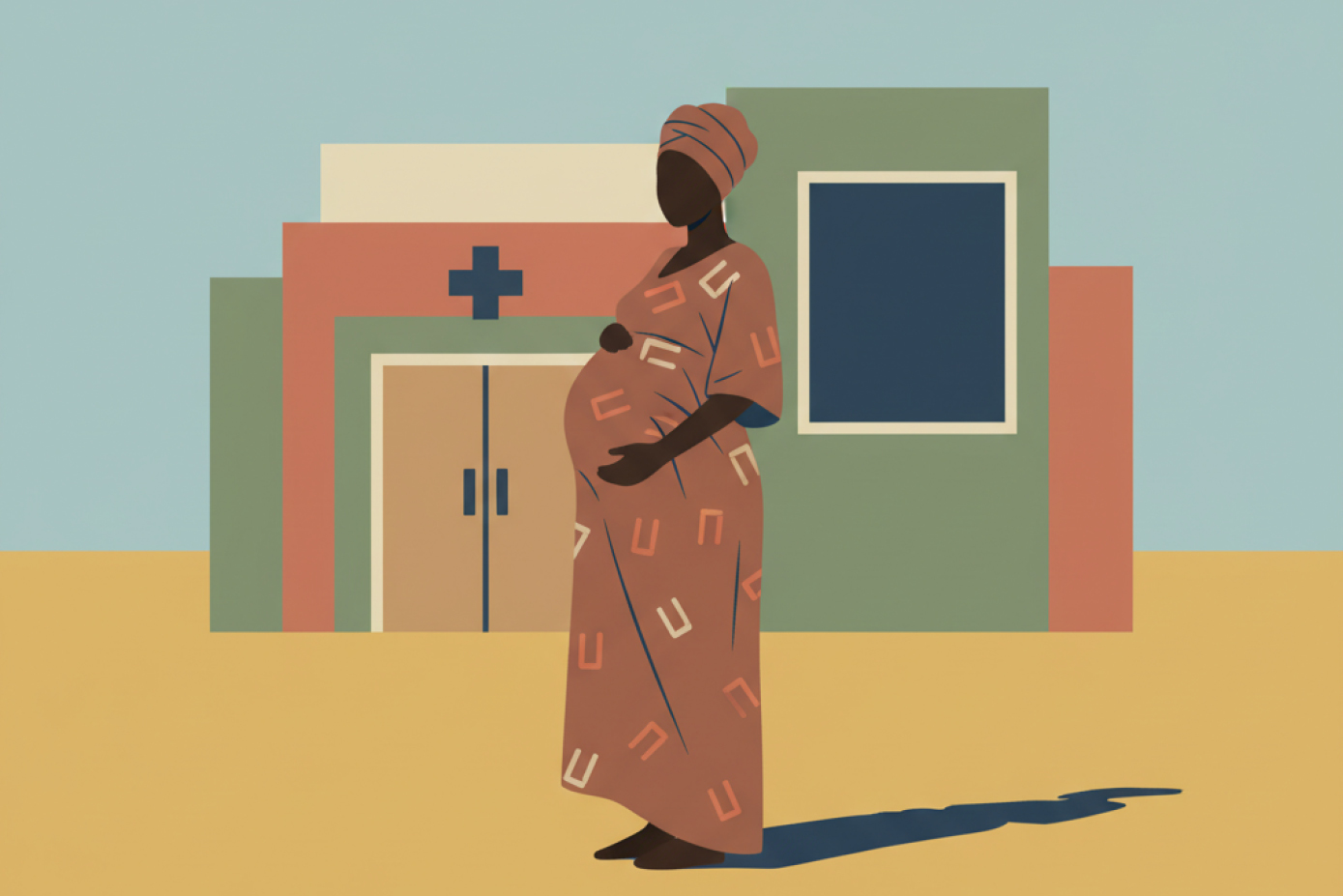
25-year-old Aisha lives in Ibadan, Nigeria. When she first discovered she was pregnant, she was overjoyed. But the initial joy was quickly followed by disillusionment. She believed her antenatal care would be free or nearly free because of government-run facilities. But at her first visit to a general hospital in Ibadan, she was asked to pay 30,000 Naira (about $ 22) for registration, lab tests and screenings.
Then came another shock: the medicines she needed weren’t available in the hospital pharmacy. “I thought just showing my ID would be enough,” she says, her voice tight with frustration. Because of these costs, Aisha had to skip some medically recommended appointments. She felt emotionally exhausted and financially stretched: “I worried every day how I would pay for the next test or drug dose,” she says. Even her savings nearly ran dry for this reason.
Across Nigeria, many pregnant women still do not complete the recommended number of antenatal visits due to financial constraints. Already back in 2018 national health data revealed that a significant proportion of women make only a few visits during pregnancy. More recent data from 2024 indicate that in many public health facilities, the quality and reach of antenatal care are limited by resource constraints.
What women need to pay privately
33-year-old Chinwe, who attends antenatal care at a tertiary hospital in Ibadan, had a similar experience. She thought paying less than 5000 Naira would cover her costs but was instead charged nearly 34,000 Naira for registration and tests – and she still had to buy medicines privately because the hospital pharmacy was out of stock. “The cost of drugs drained me more than I expected,” she says. Over time, she skipped two visits – one for an entire two-month stretch – because she simply could not afford the lab tests. “It felt like the hospital was not keeping its promise,” she adds.
Healthcare workers also confirm that what appears “free” on paper often comes with hidden costs. A midwife at a general hospital in Ibadan explains that the official antenatal fees for registration, lab tests and routine visits are often only part of the true cost. When essential medicines or diagnostic materials are out of stock, women are asked to pay extra to get them elsewhere.
Another nurse at a tertiary hospital adds that while ultrasounds, registration and lab testing are part of the official schedule, consumables like gloves, syringes and some medicines often have to be bought privately. “About half of women can’t afford to pay all at once, so they negotiate or skip tests.” Missed appointments are common. Some women ask to pay in instalments while others simply drop out.
There are simple but powerful fixes
At the primary health centre level, a community health worker confirms that even minimal costs can become burdensome. Hidden charges – for test reagents, registration kits or drugs when out of stock – force women to make tough trade-offs. About half of the women she sees can’t pay the full cost immediately, she estimates, so they either delay care or rely on traditional birth attendants instead.
To improve access, both women and healthcare providers suggest simple but powerful fixes: a reliable supply of free medicines, transparent and upfront cost information and community-based support like insurance or savings schemes. “If women knew exactly what to expect, and if the government honoured its promise to provide free tests and drugs,” Aisha says, “maybe more of us would come regularly.”
Until that happens, many expectant mothers will continue to face a hidden price tag for what should be free care.
Oluwatoyosi Asunmo is a population health research analyst based in Nigeria. She is also a fashion entrepreneur at CREGO House.
ifeoluwapo19@gmail.com