Refugees
How a tailor makes a difference where the aid system fails


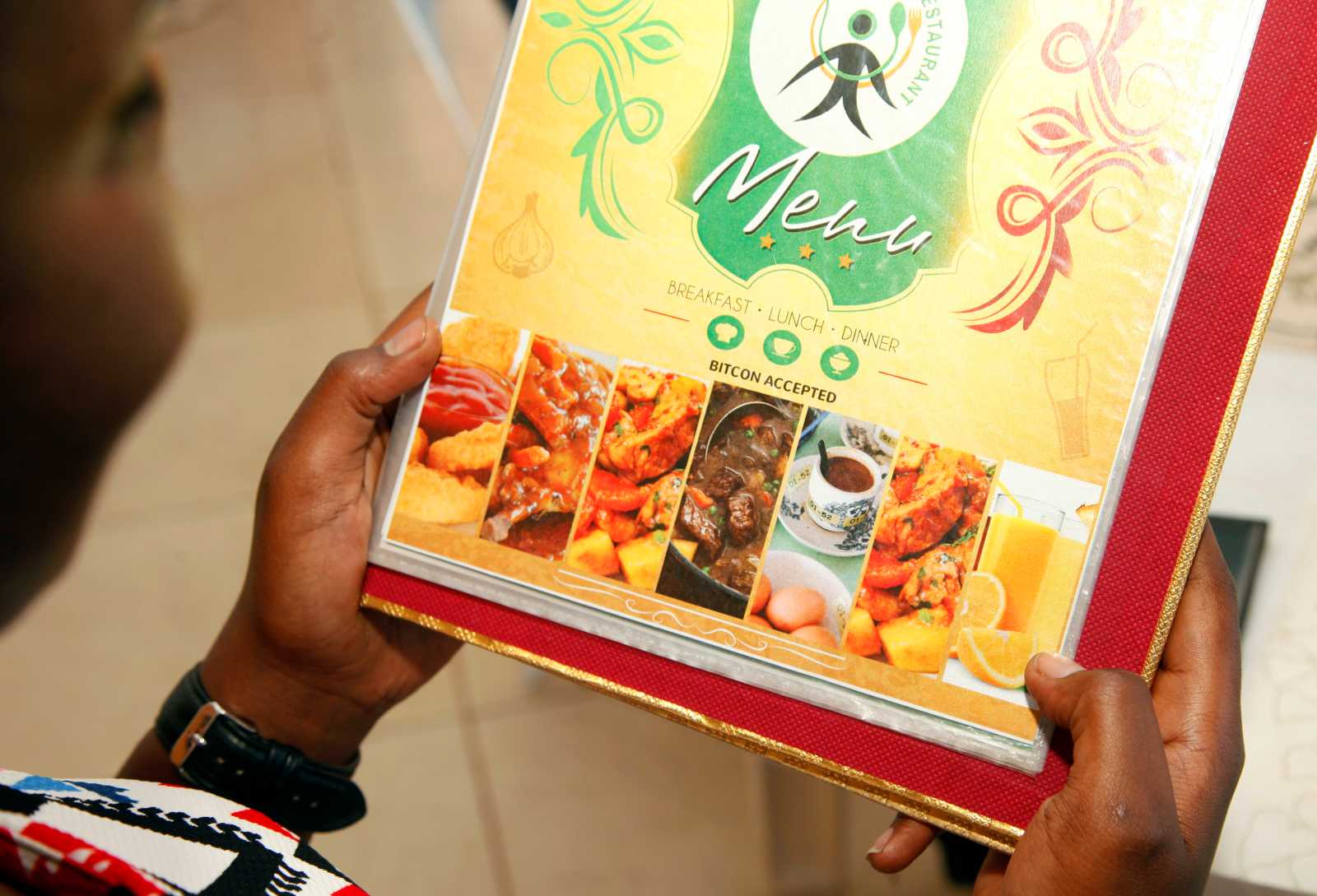
Early in the morning, customers begin to arrive at the small room that Biclaire Shukrani has rented in Block 1 of the Kakuma refugee camp in northern Kenya. Panels of fabric hang from nails along the mud walls. Young people cut fabric to size, measure hems and thread the fabric through whirring needles. The customers are refugees from neighbouring blocks, traders from the market and, increasingly, clients from outside the camp.
“When I see that the shop is doing well and everyone is working, it gives me hope. That’s why I’ve been able to send my children to a private school and make sure they have enough to eat,” says Shukrani.
Her story reflects a general shift in refugee policy, in which humanitarian systems are increasingly promoting self-reliance. Nevertheless, structural barriers to regular employment and social mobility remain firmly entrenched.
No formal employment
Shukrani arrived in Kakuma from the Democratic Republic of the Congo (DRC) with her younger brother in 2012. According to the UNHCR, more than 5700 Congolese refugees were registered in Kenya that year. There were no regular employment opportunities for her. Her freedom of movement was restricted. Food aid was predictable only insofar as it was steadily decreasing.
More than 316,000 refugees and asylum seekers were living in Kakuma and the neighbouring settlement of Kalobeyei in May, according to UNHCR Kenya.
This makes it one of the largest refugee settlements in Africa.
The settlement is jointly administered by the Kenyan government and the UNHCR and is subject to regulations that restrict freedom of movement and limit access to the regular labour market. More than half of the refugee population consists of women and children. Many of them, like Shukrani, live with disabilities or have care responsibilities that further limit their employment opportunities.
Dwindling aid
For years, Shukrani had to rely on aid. Then it began to dwindle. “You still have responsibilities. You still have children. But there’s less food,” she says.
According to the World Food Programme (WFP), food rations were reduced in June 2025 to 28 % of a full diet – based on a recommended daily intake of 2100 kcal – whilst cash assistance was suspended due to funding shortfalls. These cuts reflect widespread funding gaps across the humanitarian system, where protracted refugee crises continue to be underfunded despite rising needs. The impact was immediately felt. Households reported that they were skipping meals, selling essential goods or taking on debt.
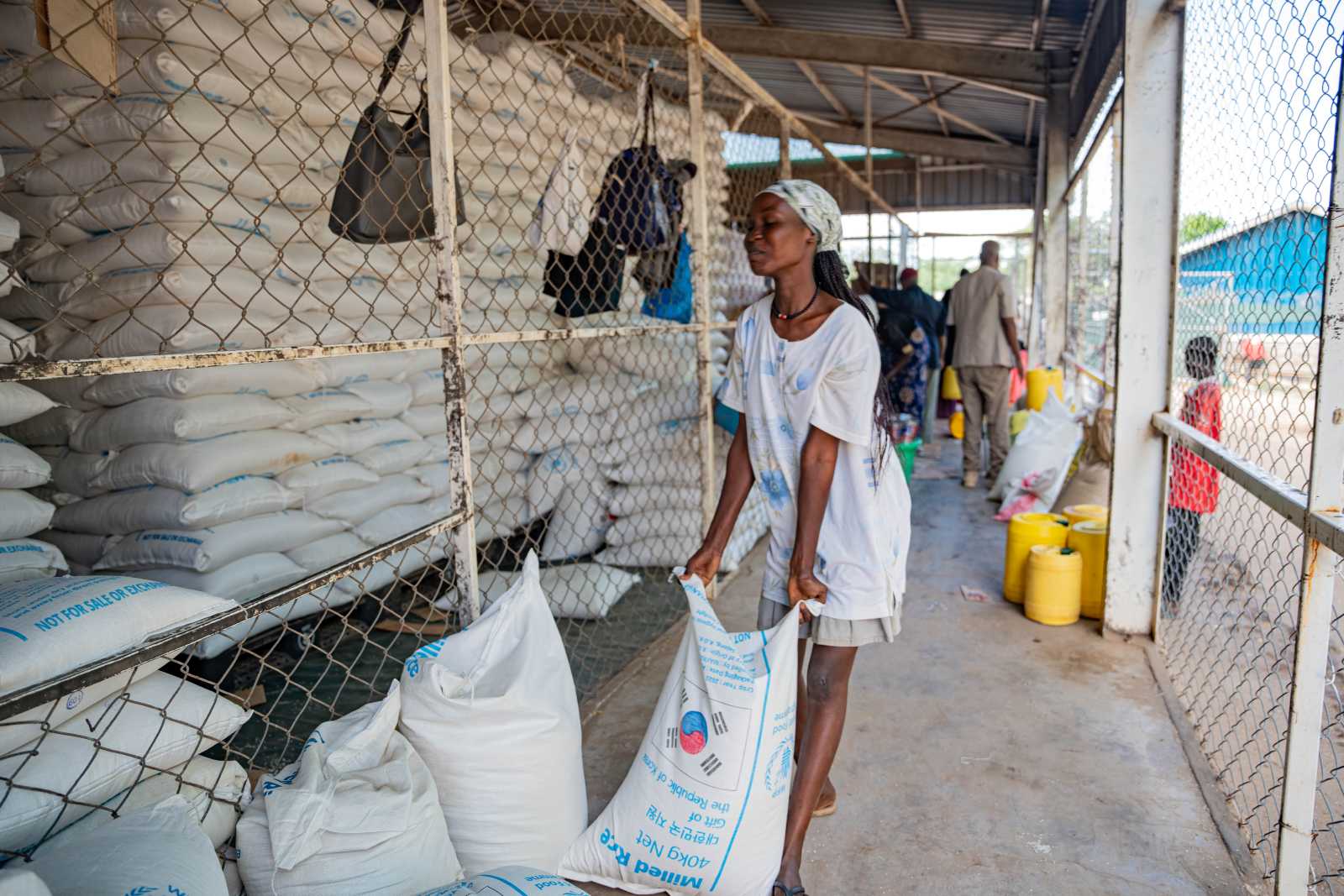
Youth unemployment in Kakuma has worsened, and it is estimated that three out of four people in the camp are already out of work. The risk of extreme poverty has increased further for single mothers and people with disabilities.
Against a backdrop of restrictions on movement and a lack of formal jobs, informal businesses have become one of the few viable coping strategies. In 2018, a joint International Finance Corporation (IFC)–UNHCR study identified more than 2100 refugee-run shops and businesses operating in Kakuma and Kalobeyei, including tailoring workshops, food stalls, hairdressing salons, cafés and electronics repair shops.
Shift to self-reliance
For Shukrani, waiting for aid to resume was no longer an option. In 2021, she rented a small room and began working with two sewing machines, for which she paid a fee to use. At first, she worked alone – taking on small tailoring jobs from other refugees, mending clothes, sewing dresses and making school uniforms. The income was modest, but unlike the aid payments, it was reliable.
What began as a personal struggle for survival soon developed into something more. As the number of orders increased, young people asked to learn the trade. Many had completed secondary school or vocational training but could not find work in the camp. Shukrani allowed them to stay and taught them how to sew, set prices and deal with customers and deadlines.
“That wasn’t the plan,” she says. “I just knew I wouldn’t be able to survive on my own.” Her decision came at a time when humanitarian policy was undergoing change. Government policies and international organisations are increasingly promoting the self-reliance of refugees, the economic empowerment of women and the inclusion of people with disabilities. Yet the structural reforms necessary to put them into practice are lacking.
Women and people with disabilities are most affected
More broadly, these efforts are in line with the continent’s commitments under Agenda 2063 and the African Union’s “Strategy for Gender Equality & Women’s Empowerment”, both of which prioritise economic participation and self-reliance. However, implementation gaps at national and local levels continue to limit their impact in refugee contexts.
In principle, refugees are encouraged to establish a means of livelihood. In practice, however, the majority of humanitarian aid funds are channelled into food and emergency aid, whilst long-term income generation is neglected.
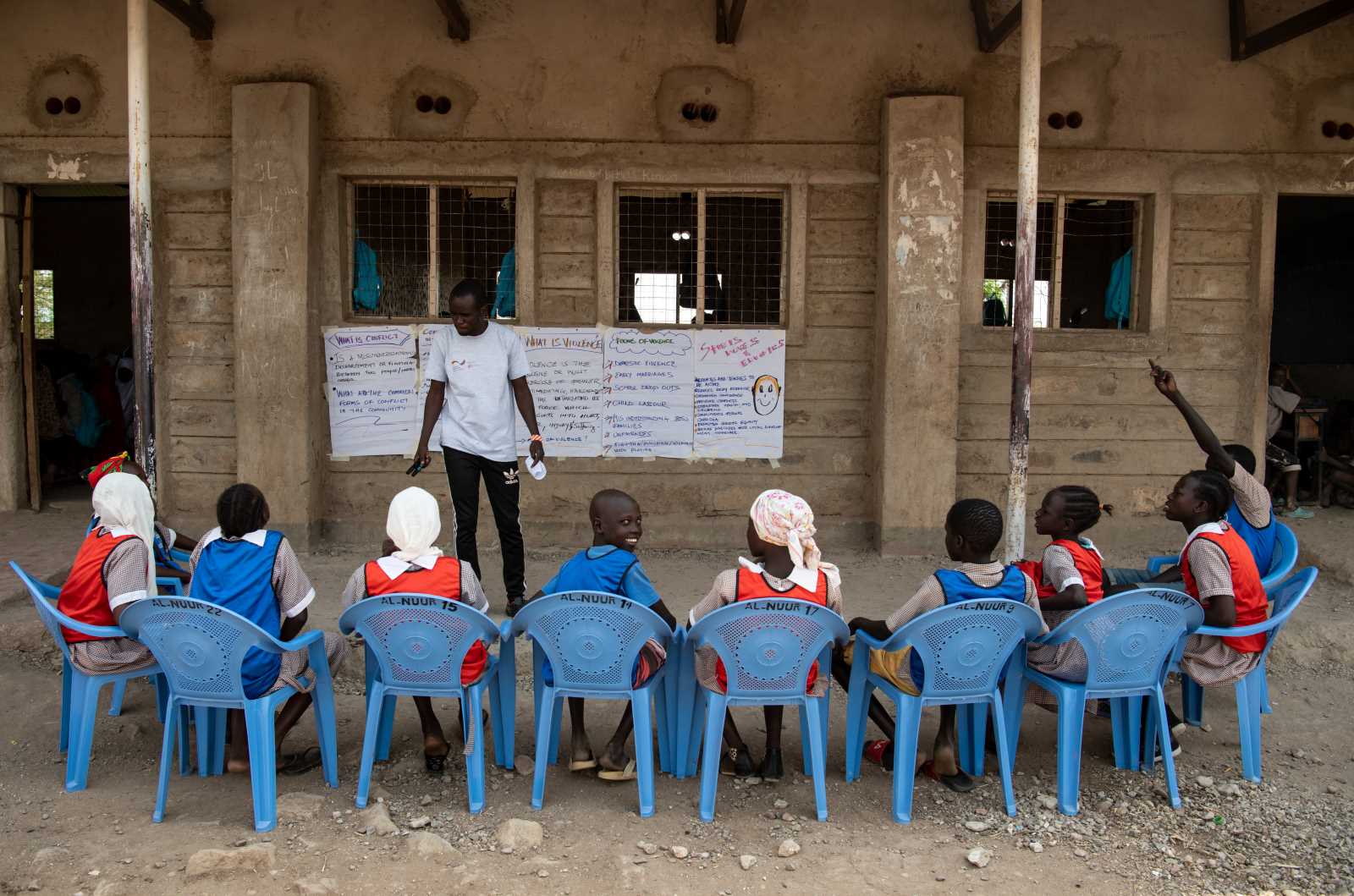
“Women, single parents and people with disabilities are hit the hardest,” says Clement Otiang of “Build Up”, an NGO supported by the German development agency GIZ that works at the intersection of peacebuilding and technology. “They carry family responsibilities while facing physical, social and economic barriers that limit their ability to earn.”
A disability leads to further marginalisation. According to the UNHCR, refugees with disabilities are more likely to be unemployed than people without disabilities and are significantly more dependent on assistance.
Customers in the US and Australia
In Shukrani’s shop, however, these statistics are losing their bearing. Orders come from all over the camp and beyond – including from the US, Canada and Australia, where former refugees have settled. On average, Shukrani’s earnings can amount to up to $ 12 a day.
Shukrani has since opened a second tailoring workshop, which is run by her brother. To date, Shukrani has trained more than 10 young people. Some of them have since even moved abroad and continue to work there as tailors.
Others are still in Kakuma, either working alongside her or running their own businesses. One former trainee, Faraja, for example, now runs a tailor’s shop right next to Shukrani’s shop in the Ethiopian market at Kakuma 1.
Far-reaching impact
The positive effects are evident. Every trained tailor provides for their family. Every business reduces its reliance on food aid. Customers can access affordable services at the camp itself, rather than having to travel long distances or rely on charity.
Nevertheless, refugee-run businesses such as Shukrani’s continue to operate on the fringes of society. Despite the increasing emphasis on self-reliance, structural barriers continue to limit the scale and sustainability of such businesses. Access to finance remains restricted, for example, since refugees cannot easily open bank accounts or obtain loans. Work permits are difficult to obtain. In livelihood programmes, short-term training courses are often prioritised over long-term business support.
“It’s not just about implementing policy measures,” says Clement Otiang. “It’s about showing people how they can gain access to resources, particularly financial resources. Someone like Shukrani has the potential, the resilience and the skills. With the support of mentors and capital, she could achieve so much more.”
“It all began with my need to survive,” says Shukrani. “Now it’s about helping others to survive too.” In a place where aid can vanish overnight, her attitude makes a huge difference. It remains to be seen, however, whether the political framework will finally evolve to allow for structural change and address the realities that refugees are navigating in Kakuma today.
Rey Bulambo is a Congolese refugee in Kenya and a multimedia producer and community journalist documenting stories of resilience, displacement and refugee communities.
reyegidebulambo15@gmail.com