Women’s independence
What Sarah makes before Burundi wakes: the business of cassava leaves


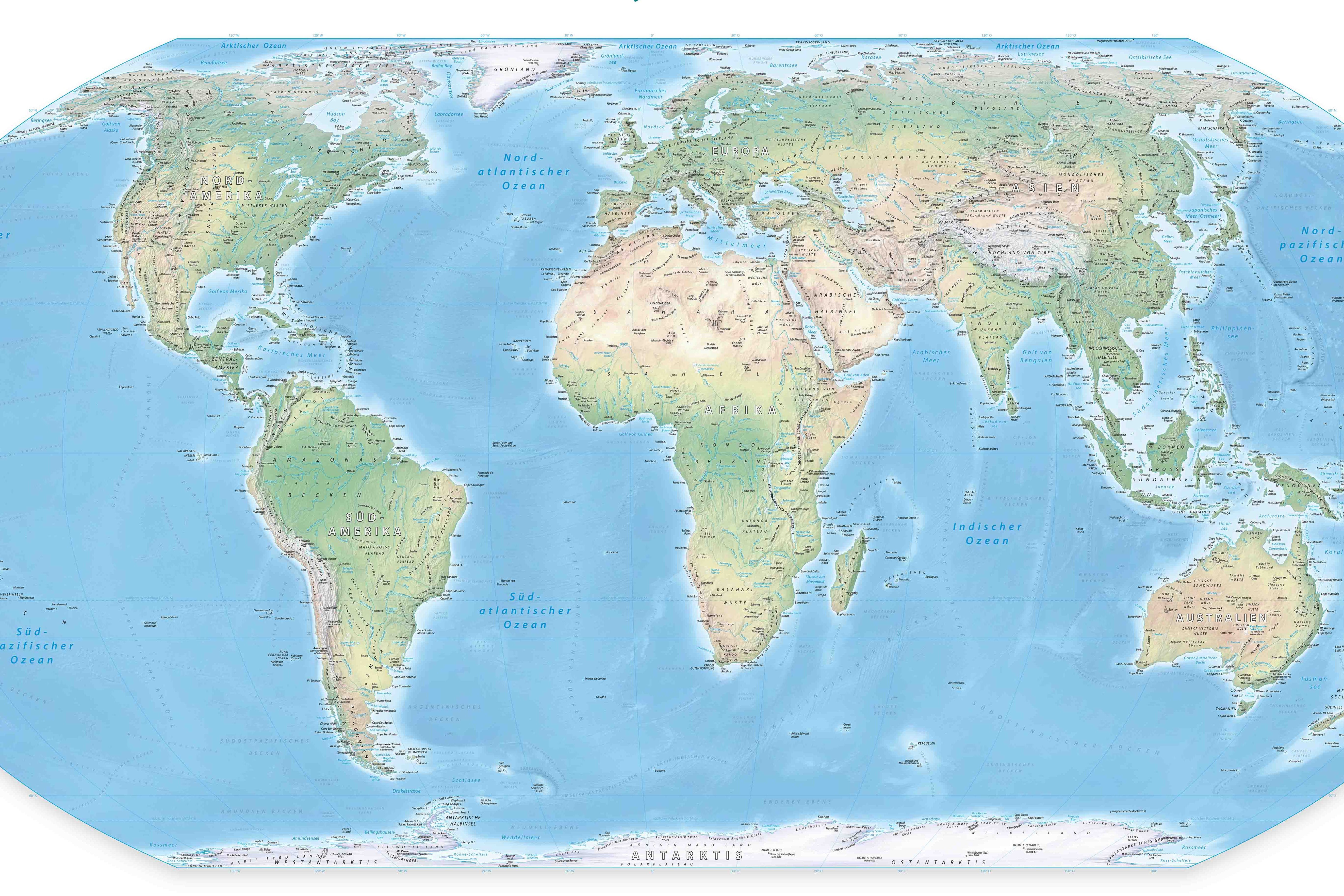
Before sunrise, Sarah and her neighbours are already on the move. At around 4am, they leave Muyira, a village about 12 kilometres from Bujumbura, Burundi’s largest city, in search of fresh cassava leaves. An hour later, they begin their walk towards the city, carrying bundles of leaves on their heads. By the time Bujumbura wakes up, the women are spreading out across its markets. Sarah, 50 years old and a mother of six, has been doing this for 12 years. At Nyakabiga market, she not only sells the leaves but pounds them into isombe, a popular Burundian dish made from cassava leaves.
Her small business reflects a much broader reality for women in Burundi. According to UN Women, around 97.5 % of Burundian working women are employed in the informal economy, many of them in agriculture, trade or other small-scale activities. For women like Sarah, turning farm produce such as cassava leaves into something they can sell themselves means more than extra household income – it gives them money they can save, reinvest and decide how to use.
“On orders made the day before or on the spot, the isombe is ready in 30 minutes,” Sarah says. The work has become an important part of her family’s income. Her husband is a carpenter, while Sarah farms and trades cassava leaves. On busy Saturdays and Sundays, she says she can make between 60,000 and 70,000 Burundian francs a day, around $ 20 to 23. During the week, when fewer city residents prepare isombe, earnings are lower.
Selling more than leaves
Sarah and other women have organised themselves in associations, where they receive training and make regular savings contributions. They have also invested in equipment that allows them to pound the leaves for customers rather than simply sell them raw. That extra service has attracted a loyal customer base.
Charlotte, for example, has come to buy isombe for a family celebration: one of her children is being baptised. She heads directly to Sarah. “I appreciate her work,” Charlotte says. “She knows what she is doing, she masters her work and she does it quickly.” When Sarah is not at Nyakabiga market, Charlotte says she may prefer to go to another market rather than buy from someone she does not know.
A little more room to decide
Journalist and women’s rights advocate Agathonique Barakukuza says earning her own money can change a woman’s position inside the household as well as her ability to cope when money is short. “A woman should not simply wait for what her husband brings home,” she says. “They should be complementary.”
Women’s associations can also help members save money and access small loans, Agathonique Barakukuza says, giving them a way to invest in their businesses and contribute to household expenses. Part of what Sarah and her fellow cassava sellers earn goes regularly back into the group. “We make a contribution to the association every week,” Sarah says. The following morning at four, the cycle begins again as Sarah and the other women set off once more to look for fresh cassava leaves.
Mireille Kanyange is a journalist and reporter at Radio Isanganiro in Burundi.
mika.kanyange@gmail.com