Culture
The “blouse” that became a political statement for Ghanaian fashion


As Ghana’s President John Dramani Mahama steps onto global stages – whether in New York, London or Lusaka – he is often dressed in the heavy, flowing folds of the fugu, a traditional northern Ghanaian garment made from hand-woven strips of thick cotton fabric stitched into a structured, poncho-style outfit.
When Mahama arrived in Zambia some months ago for a three-day state visit wearing the traditional attire, the contrast was striking. Zambia’s President Hakainde Hichilema greeted him at Kenneth Kaunda International Airport in a conventional suit and tie, while Mahama’s fugu quickly became the subject of intense debate on Zambian social media. Some users mockingly referred to the outfit as a “blouse”.
Exposure for Ghanaian artisans and weavers
But the attention was exactly the kind Mahama appears to welcome. “One of the things that I have brought into my presidency is to promote the local garment industry. And so, all my clothes are made in Ghana, they are sewn by Ghanaian designers,” Mahama explained in a media interview in February.
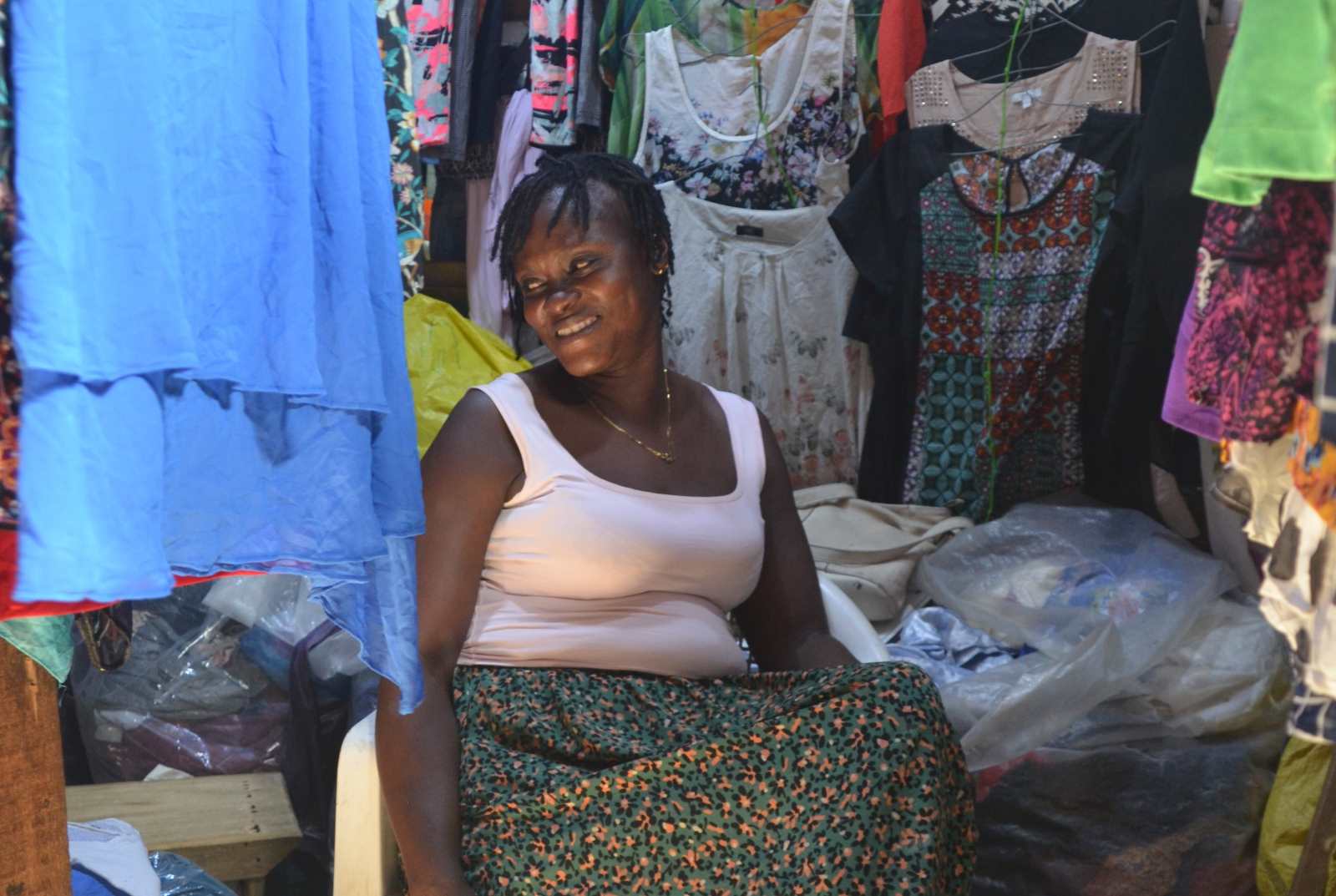
According to Ghana’s Ministry of Tourism, Culture and Creative Arts, the country’s fashion industry contributed around $ 2.42 billion to the economy in 2025 – roughly three percent of GDP – and supported more than 125,000 livelihoods across the formal and informal sectors.
Promoting African garments abroad
Mahama also noted that online searches for “fugu”, “batakari” and “smock” surged after the visit, bringing unexpected exposure to local artisans and weavers. In that sense, the debate soon moved beyond fashion. It highlighted how African leaders and creators increasingly use clothing, culture and digital platforms to promote local industries and reshape perceptions of African products abroad.
While social media users traded jokes about the outfit’s appearance, Mahama appeared unimpressed. Instead, he effectively turned the state visit into a live showcase for the weavers of Daboya and Tamale, towns known for producing traditional handwoven smock fabrics.
Some online comments were harsh instead. One Zambian user described the fugu as a “maternity blouse”. The criticism also sparked pushback from Ghanaians online. Popular Ghanaian YouTuber Wode Maya defended the outfit and argued that the president was intentionally promoting Ghana’s local garment industry beyond its borders.
During a gift exchange, Mahama later presented Hichilema with a fugu, while receiving a Zambian carving in return. Ghanaian officials used the moment to explain the garment’s cultural significance, saying the online debate also reflected growing interest among young Africans in reclaiming traditional identity and fashion.
“Fugu Friday” in Ghana’s parliament
Interestingly, the discussion soon moved beyond Zambia. In a rare show of unity, dozens of Ghanaian Members of Parliament later celebrated “Fugu Friday” by wearing colourful smocks inside parliament, turning the viral debate into a public display of cultural pride. Hichilema himself eventually embraced the conversation. In a video shared from the Ghana-Zambia Business Forum in Lusaka, he joked: “We’ll be ordering more fugu from Ghana following the social media conversations.”
Derrick Silimina is a freelance journalist based in Lusaka, Zambia. He focuses on Zambian agriculture and sustainability issues.
derricksilimina@gmail.com