Equal rights
More freedom for everyone: Breaking out of rigid male roles


In 2025, “This is a man’s world” is still a true statement. Men still have significantly more financial resources and political power than women, possess over $ 100 trillion more in wealth, according to Oxfam, and occupy almost three quarters of seats in national parliaments according to the UN. Women’s political influence is increasing, but at a snail’s pace, while many men are defending their own privileges tooth and nail.
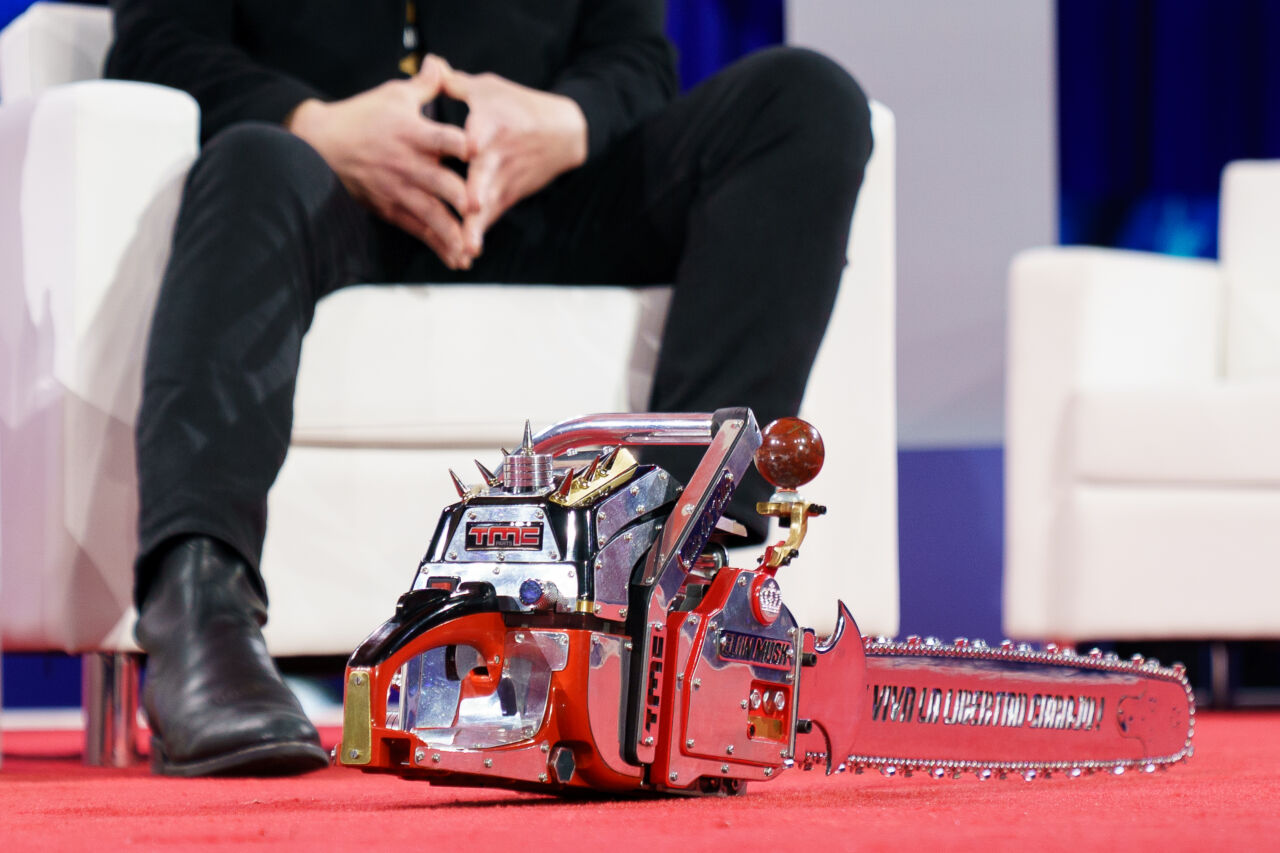
In some places, patriarchy is even regaining ground, as UN Secretary-General António Guterres warned recently. That trend includes strongmen like Vladimir Putin and Donald Trump, who deliberately link the image of the dominant man to nationalist politics to justify their authoritarian actions. Young men are radicalising themselves online in the “manosphere”, a scene characterised by misogyny and
fantasies of dominance.
All of these factors make it more likely that men will become perpetrators, and it is primarily women who suffer. According to the WHO, approximately every third woman worldwide has experienced physical or sexual violence at the hands of their partners or other men. The problem is serious and widespread, both in poorer and in richer countries. Too few men declare solidarity with women in the spirit of “male allyship” and support them in their struggle for equal rights.
Many men also pay a high price in our patriarchal societies. They have been assigned the role of the mentally and physically unassailable provider and protector, and those who can’t fulfil it face social exclusion in many places. No small number of men buckle under the pressure. They too rarely seek or find help and instead resort to addiction or aggression.
The ability to admit weakness and take responsibility for one’s own health is a strength – but traditional notions of masculinity don’t see it that way. Yet all humans are vulnerable, including men. That may seem obvious, but unfortunately it will have to keep being repeated as long as patriarchal expectations prevail.
Why we need more freedom
It’s time we men understood that greater equality benefits not just our wives and daughters, but also our sons and ourselves. Our authors’ research in this issue shows how men from Kenya to Mexico and from Uganda to Germany are striving to fulfil their work and family roles differently than their fathers and grandfathers did.
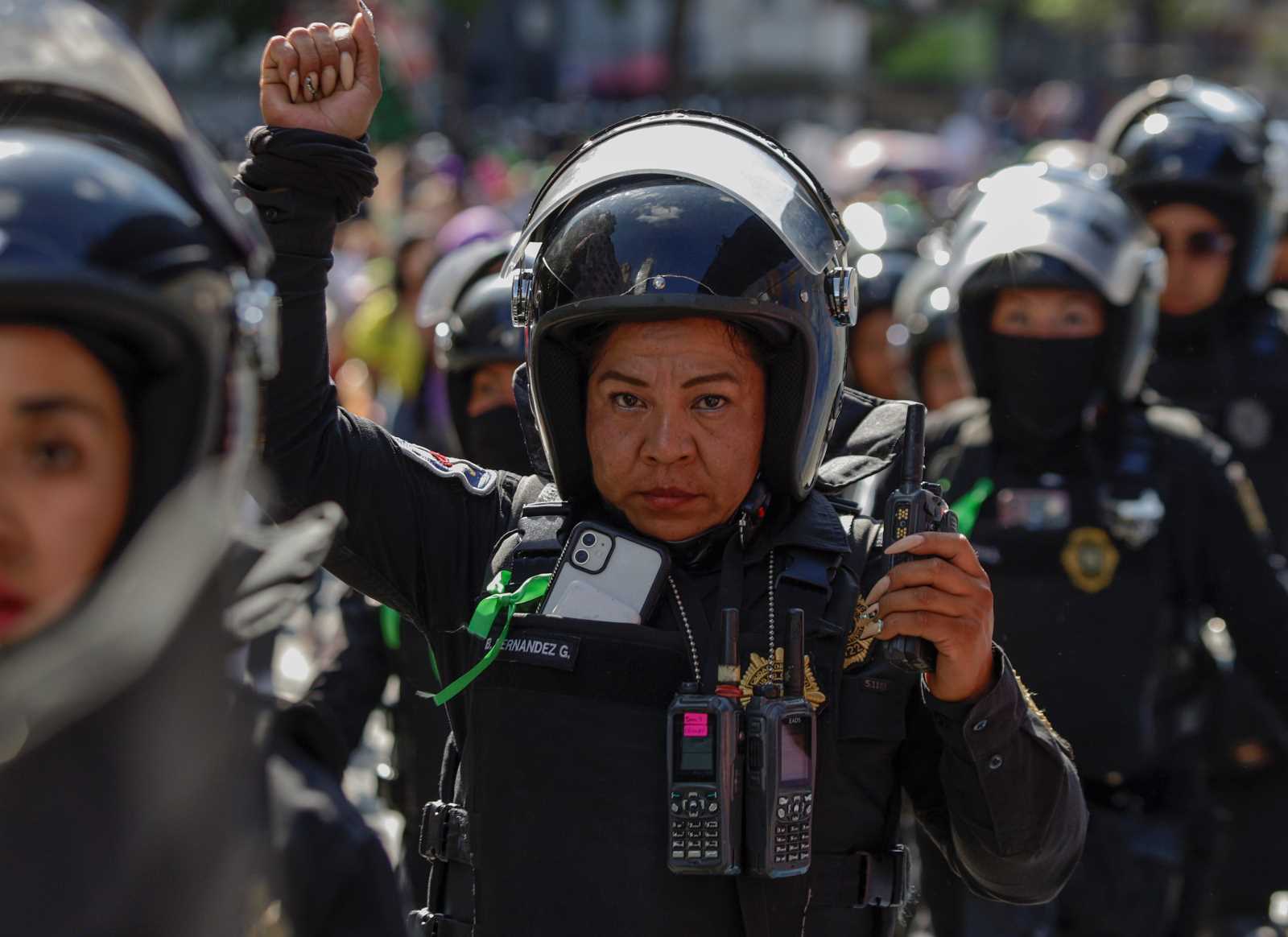
Women still need more rights, opportunities for participation, access to resources like land and wages and, not least, more protection from male violence. Both men and women need less narrow social roles. Both should, whenever possible, be able to choose the family and career paths that suit them. The good news is that equal rights are not a zero-sum game. More freedom for one gender also means more freedom for the other.
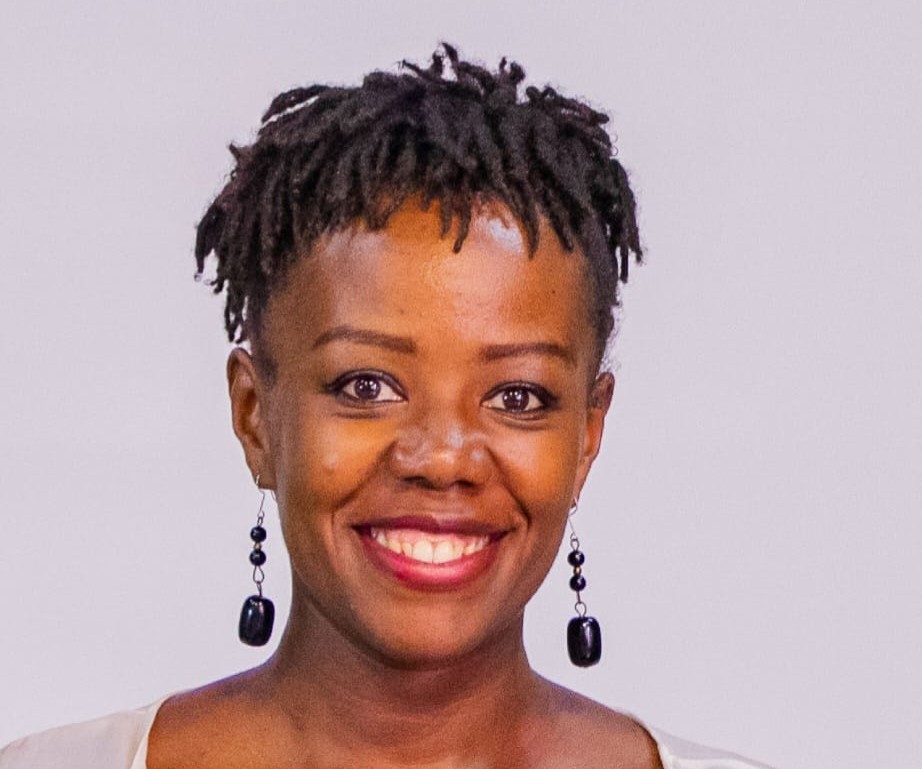
Jörg Döbereiner is the managing editor of D+C.
euz.editor@dandc.eu