Children’s health
In Pakistan, some hospitals have become places of infection


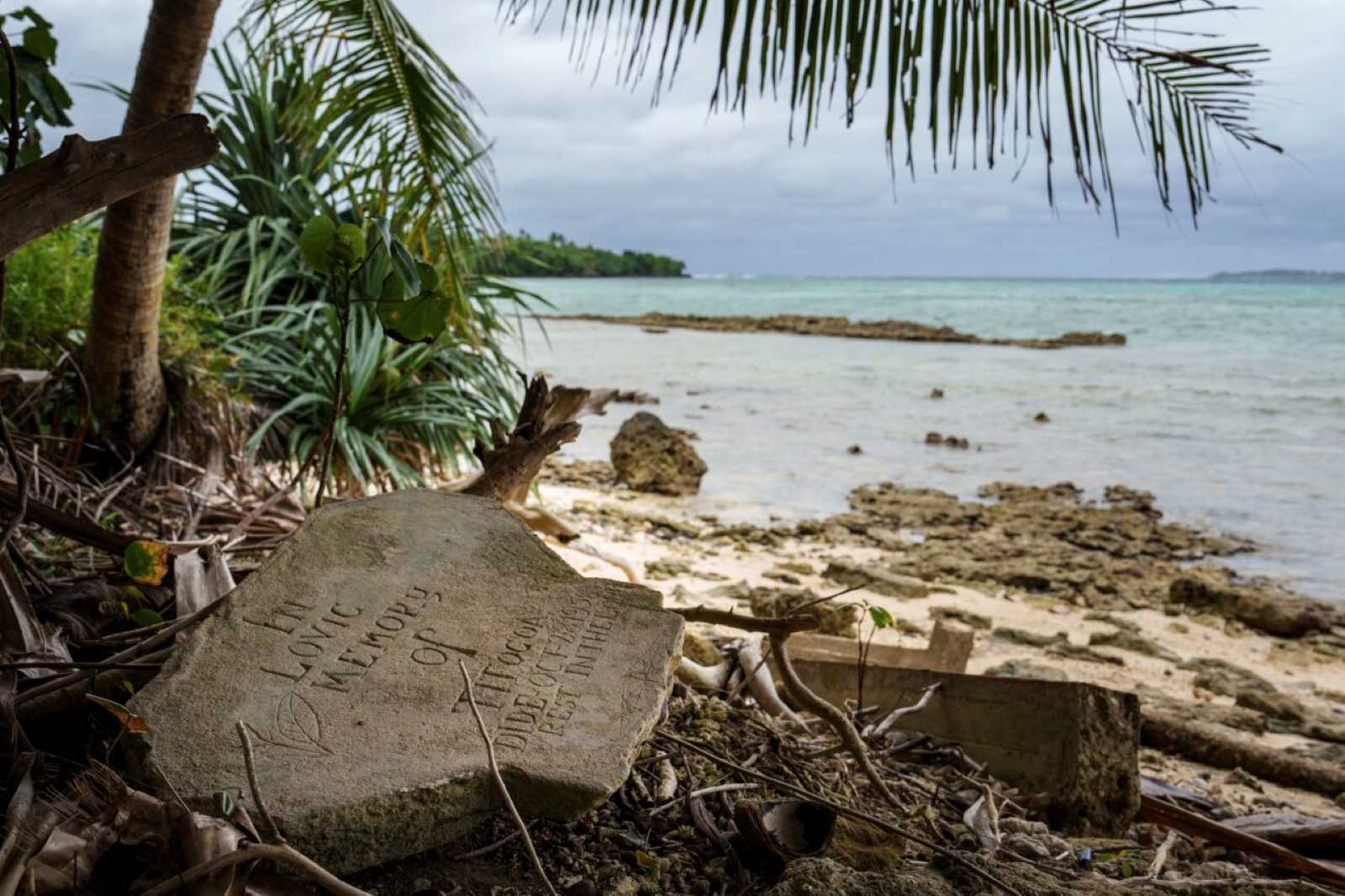
In a small graveyard in Taunsa, a city in the Pakistani province of Punjab, 10-year-old Asma kneels beside the fresh grave of her younger brother, Mohammed Hamza. He was nine years old when he died.
In the final weeks of his life, the fevers became unbearable. His mother says he begged to be allowed to sleep outside in the rain because his body felt as though it was “burning from the inside.” At times, the pain twisted his limbs so violently that she believed he would break apart in her arms.
Doctors later informed the family that Mohammed Hamza was HIV-positive. A few months after his death, Asma tested positive too. Yet neither child was born with the virus. Their family believes both contracted HIV during routine treatment at a government hospital in Taunsa, where growing numbers of children have recently tested positive amid fears of widespread medical negligence.
According to UNAIDS, an estimated 350,000 people in Pakistan are living with HIV, yet nearly 80 % remain undiagnosed. Health experts now warn that unsafe medical practices are increasingly exposing families to the virus that have not been infected before. Contaminated syringes, unsafe blood transfusions, unregulated clinics, poor infection-control systems and the repeated reuse of medical equipment are among the main causes identified by public-health officials.
Pakistan has already witnessed one of South Asia’s largest HIV outbreaks among children. In 2019, more than 1300 people, most of them children, tested positive for HIV in Ratodero in the province of Sindh. Investigations linked the outbreak to unsafe injection practices and poor medical regulation. Years later, health experts say many of the same conditions still exist.
Children are particularly affected
Hamna Aslam, a public-health specialist working on infectious diseases in Punjab, says children are particularly vulnerable because they depend entirely on adults and healthcare systems for protection. “When infection-control systems fail, children suffer first,” she explains. “Many families do not even realise that reused syringes, unsafe drips or unscreened blood can expose children to lifelong diseases like HIV.”
In poorer communities, patients often rely on overcrowded public hospitals or low-cost private clinics where oversight remains weak. Families rarely question whether syringes are new or whether blood has been properly screened. Many simply trust the system designed to protect them.
According to the WHO, Pakistan has one of the highest rates of medical injections in the world, with millions administered daily, many of them unnecessarily. Local health workers continue to report the reuse of syringes despite repeated government crackdowns.
HIV leads to marginalisation
Parents often hide HIV diagnoses from neighbours out of fear. Children are bullied at school. Women are abandoned after testing positive despite having no understanding of how the infection spread. Asma’s mother says she no longer allows her daughter to play outside because people in the neighbourhood whisper about the illness. “She is just a child,” she says quietly. “What mistake did she make?”
Slowly but surely, people in rural and low-income areas are also beginning to realise that hospitals are places where potentially dangerous germs can spread. For Asma’s family, however, those warnings come too late. One child has already been buried. Another must now grow up with a virus her family believes she contracted in a place where they expected her to be treated.
Aqsa Younas is an international journalist and social activist based in Pakistan.
aqsayounas666@gmail.com