Start-up funding
“Capital is not neutral”


Jennifer Ho in an interview with Eva-Maria Verfürth
Integra Partners was founded in 2016 with the aim of funding start-ups in the emerging digital space. Why did you focus on this niche?
In 2016, the venture ecosystem was still nascent in Southeast Asia. Because the first generation of venture capital funds was only just emerging, the amount of funding was still very small. At the same time, internet penetration and smartphone adoption were increasing. A lot of underserved consumers were set to enter the economy.
I grew up in Singapore but was in the US for most of my schooling and my first job, and I could see huge gaps between the services consumers had access to in the US versus those available to the average person in Southeast Asia, so the opportunity was obvious. Rather than waiting for international players to come to the region, it made sense to support homegrown players, as they best understand the priorities and financial circumstances of local consumers.
Underserved people tend to be from poorer communities. Why is this segment of interest to investment capital?
In this part of the world, the mass market – the largest and most underserved part of the population – is where capital can drive the most returns. We strongly believe that the big opportunities go hand in hand with both social impact and financial return. Look at Grab from Singapore or Gojek from Indonesia: both are immensely successful platform apps spanning mobility services, food delivery and digital payments. They have unlocked a huge opportunity by targeting people who are looking for employment, offering them an opportunity to work as taxi drivers or to deliver or sell food. Technology has the power to integrate excluded communities into the modern economy, and this offers investment opportunities. We focus on five key sectors – financial services, healthcare, agriculture and food, environmental wellness and small-business enablement – because these are the most integral to the everyday lives of people in Southeast Asia.

But why are these groups underserved then?
There is a caveat here. Underserved markets are underserved for a reason – they might be higher risk, have lower spending power or serving them is more costly. Often, it is all three. Many people believe that technology is a magic pill that can overcome all these barriers. The reality is that it sometimes has the power to do so, but not always. So I think it is investing in companies that are targeting underserved communities that have figured out how to overcome those barriers that drives returns.
Do investors have to make a trade-off between companies that are making a social impact and those that are going to become financially successful?
If you want to invest in start-ups that have the power to transform society, they need to be financially sustainable businesses. There are a great many start-ups in Southeast Asia that have the right mission and are affordable for the people they are targeting.
Why does Integra have this strong focus on a mission?
Capital is not neutral. It decides what gets built, who benefits and who gets left behind. That clearly places responsibility on the stewards of that capital. The choices they make have consequences beyond their own returns.
Speaking of responsibility, why does it matter to invest at an early stage?
Early-stage start-ups are the ones that drive innovation. Take the banking industry in the Philippines – it has existed for a very long time, yet there is a massive financing gap when it comes to small and medium-sized companies. This gap exists because incumbent players can make very comfortable returns by lending to large corporations. They have no incentive to take a risk on non-traditional borrowers.
Funding early-stage start-ups entails a lot of risks and insecurity. How do you make sure that the businesses you support will adhere to your mission?
Before we invest, we subject the start-ups to a thorough screening process. We look for founders who have a mission they want to support while also building their businesses in a financially sustainable way. We ask a number of questions: What is the impact they want to deliver? Will it truly make a difference to the lives of their customers? We also identify the potential risks. Will a lending company end up charging exploitative interest rates? Will a company that uses alternative data for credit scoring violate data privacy rules? Once we have identified those risks, we put policies in place with the founders to make sure we can control the predictable risks that their business model involves.
Can you give an example of a start-up you funded that has had a considerable impact?
Last year we invested in a company called FeedMe, which offers a business-in-a-box solution for small restaurant owners; it’s basically a software for managing all day-to-day operations. Malaysia is a country obsessed with food – everyone has a recommendation for a chicken rice stall or a coffee shop that’s been in operation for three generations. But it is also an industry with a very high failure rate in which smaller, independent companies face growing competition from chain restaurants.
FeedMe built a system that helps small restaurant owners take digital payments, track orders and manage inventories and shift workers, all in one affordable package. They are also about to launch a financing programme where loans can be offered at lower interest rates because FeedMe has insight into the payments going in and out of the restaurant and can deduct small daily repayments, which lowers the financing risk.
What kind of start-ups are you looking for, and how do you choose where to invest?
A lot of founders think they need to have the right answer to every box on the standard checklist: big addressable market, strong founding team, traction, good product. But there is no such thing as the perfect investment in the world of start-ups. We are looking for founders and companies that get one thing right, whether it’s a deep understanding of their customer or a product that stands out. That one exceptional quality is what makes the risk worth taking and allows us to overlook many other shortcomings. Conversely, we would turn down companies that give the impression they are looking for a problem to solve with their technology, or companies where we believe the only path to growth requires compromising on initial principles.
Who invests in Integra Partners?
Our investor base is quite global. It ranges from development finance institutions (DFI) such as Deutsche Investitions- und Entwicklungsgesellschaft to family-run firms from both Europe and Asia – some are driven purely by financial considerations, while others have a dual financial and impact angle. Generally, they know Southeast Asia well enough to see that these two are not in conflict.
What is your relationship with the Deutsche Investitions- und Entwicklungsgesellschaft (DEG)?
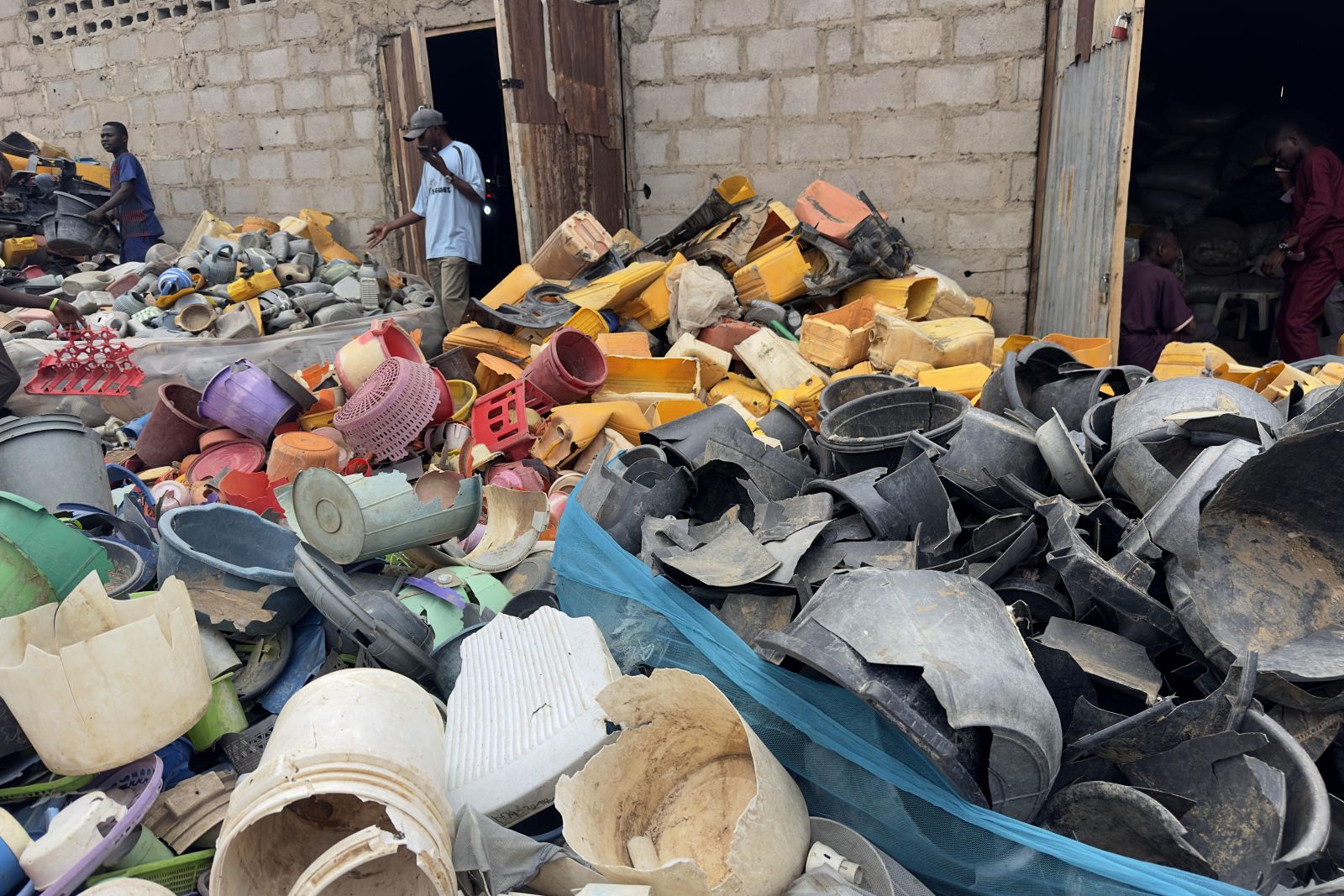
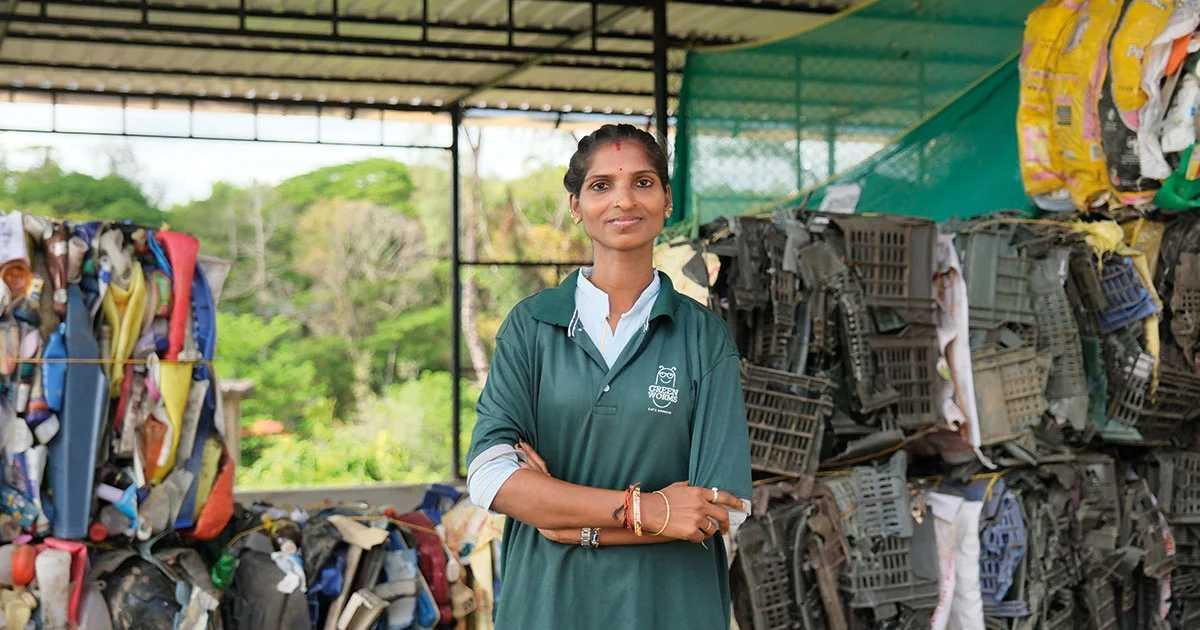
DEG has gone above and beyond for us. They were one of the anchor investors in our second flagship fund: they came in at first close, which helped bring other investors off the sidelines and attract enough capital to actually start investing. They have also provided a lot of technical assistance. For example, they gave us funding to work with our impact consultancy, Steward Redqueen, on designing policies that work well for early-stage companies. They have introduced us to other potential investors, provided technical assistance to our portfolio start-ups and connected our start-ups with others in their global network. For example, one of our start-ups – CleanHub – works in plastic waste management, a massive problem in coastal Southeast Asia. DEG connected them to a similar company engaged in plastic waste management in Africa. The African company is already much larger and more technologically advanced – essentially where CleanHub would aim to be in a few years.
What advice would you give to founders looking to raise funding?
The first thing I would ask is whether venture capital (VC) is even the right type of funding. Because venture capital has received so much attention and because alternative financing such as small business loans is so scarce in emerging markets, many founders assume VC is simply what you turn to when you want to build something. But venture capital is looking for a very specific type of opportunity, the potential to reap high returns, and investors will push to scale rapidly. As failure rates are high, VC funds are looking for investments that can possibly make up for the failures. Ask yourself: do you need investment, or could you grow more slowly and possibly more sustainably?

If you have decided that VC is the right fit, then preparation matters enormously. A founder who is structured, follows up, has a clear story and knows their numbers is usually the founder who runs their business the same way. Momentum also matters. If you have a great meeting with an investor and then disappear for a month, you will have lost the value of that relationship.
Integra Partners has a notably high proportion of women for a firm in the financial sector. Was that intentional?
The honest answer is that it wasn’t planned. We looked for the best people for each role, and this is the team we found. That said, I do believe diverse teams bring diverse strengths, and something unexpected happens every day in the world of start-up investing. Founders panic because a key engineer ends up in hospital. Three crises hit simultaneously. Because the unexpected is constant, what you want is a team whose perspectives and talents are diverse and whose judgement you trust.
Jennifer Ho is investment partner and general partner at Integra Partners, a Singapore-based venture capital fund.
LinkedIn | Jennifer Ho