Transnational repression
A global threat to human rights and their defenders


Standing up to any government requires courage. With more governments embracing authoritarian tactics, the stakes for their critics rise as those governments become increasingly ruthless in suppressing dissent, putting human rights defenders, journalists, environmental defenders and dissidents at grave risk.
But what if even leaving your country is not enough to secure your safety? What if persecution does not stop at the border? What if there is no safe place to hide?
The international human rights organisation Human Rights Watch has documented for years how governments reach beyond their borders to silence, intimidate and punish critics abroad. Human rights defenders, journalists, civil society activists and others perceived as threats have been surveilled, harassed and intimidated, arbitrarily detained and even physically attacked, and their families have been threatened. Many of those targeted are asylum seekers or recognised refugees who fled persecution in search of safety.
When governments extend their repression beyond national borders, they seek to instil fear and send a clear message: “If you oppose us, nowhere is safe for you!” This is known as transnational repression or TNR.
What exactly is transnational repression?
Transnational repression looks different depending on the context. While there is no universally agreed-upon definition, the UN defines it as “acts conducted or directed by a State, or its proxy, to deter, silence or punish dissent, criticism or human rights advocacy towards it, expressed from outside its territory.” Nationals or former nationals, members of diaspora communities and those living in exile are particularly vulnerable.
In Germany, there have been documented cases involving many governments, including China, Russia, Vietnam and Egypt.
The methods vary, but they include killings, abductions and enforced disappearances, seeking unfounded deportation or extradition of critics, targeting of relatives, abusing consular services and so-called digital transnational repression, which includes using technology to surveil or harass people. These tactics often lead to further human rights violations, such as torture and ill-treatment.
In 2024, Human Rights Watch published a report detailing more than 75 cases over the past 15 years, committed by over two dozen governments across four regions. These include killing a Rwandan refugee in Uganda following threats from the Rwandan government, extraditing a Cambodian refugee who was summarily detained upon their return to Cambodia and abducting a Belarusian activist who was on board a commercial airline flight.

Germany: commitment and gaps
Many governments have started to take transnational repression more seriously, as they should, given the state’s obligation to respect and protect the human rights of everyone within its jurisdiction. The German government has committed itself to countering transnational repression, has created a Foreign Affairs Ministry team dedicated to addressing the problem and has closed legal loopholes and published guidance for affected communities and individuals.
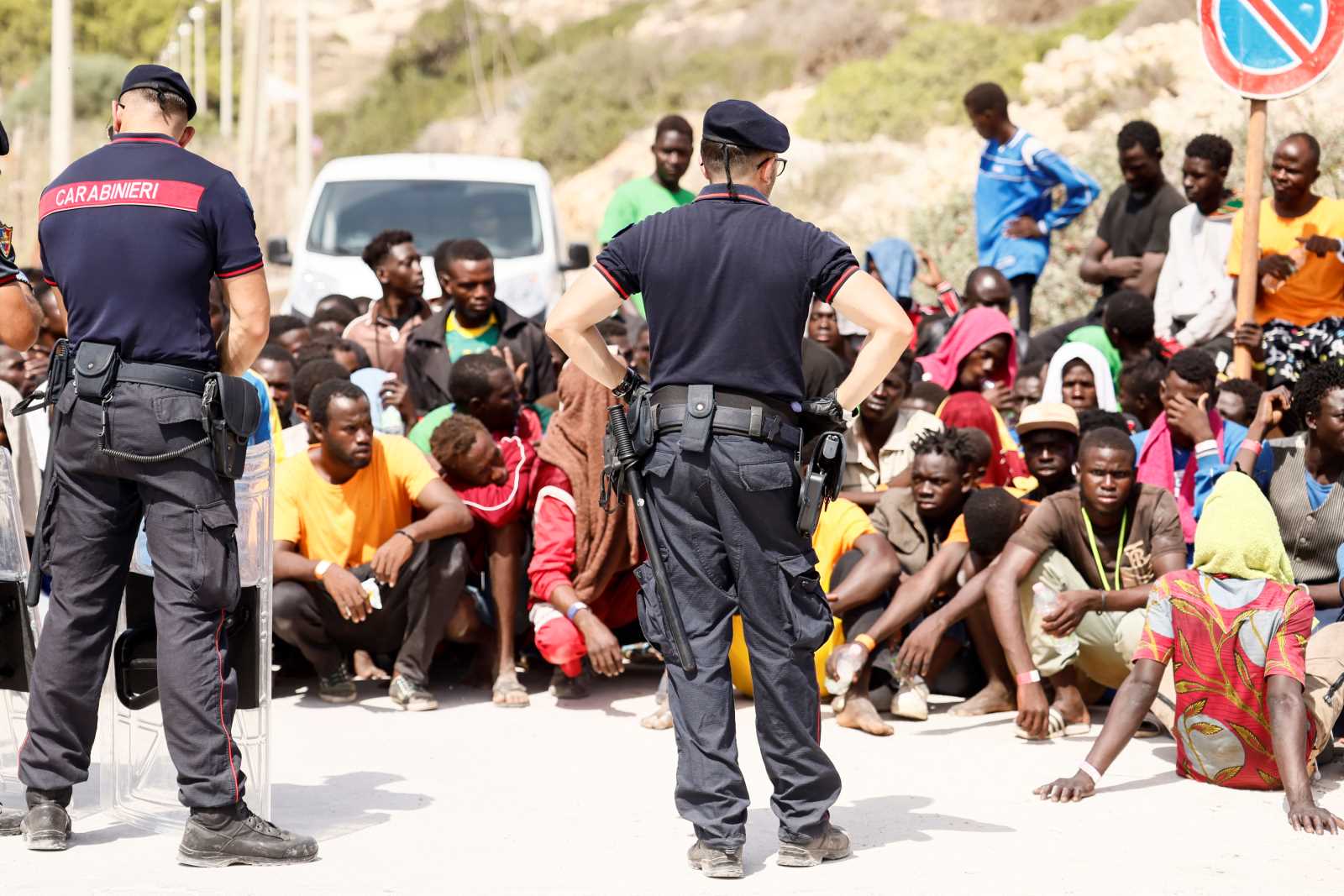
But significant gaps remain. In its effort to toughen its stance on migration, the current government announced an end to all voluntary reception programmes shortly after taking office in 2025. These programmes allow a predefined group of people in need of protection to enter Germany. The decision has closed crucial safe pathways and protections for dissidents seeking safety in Germany. People fleeing countries with oppressive governments, including Afghanistan, Russia and Belarus, are affected.
Beyond closing humanitarian visa programmes, deporting people affected by or at risk of transnational repression plays directly into the hands of the repressive governments. One recent example is the Tajik opposition activist Asadullo Boboev, who was deported from Germany in June this year and immediately detained in Dushanbe. Boboev’s case is the fourth of its kind since 2023, despite Tajikistan’s dire human rights record at home, documented involvement in TNR beyond its borders in Europe and repeated warnings by civil society groups.
Improving policy responses to TNR
Addressing transnational repression requires governments to recognise the scale and seriousness of the problem. Much transnational repression remains hidden. Victims are often reluctant to report incidents, intimidation frequently takes subtle forms and data collection remains fragmented. Many forms of TNR – particularly those that don’t constitute blatant crimes – are difficult to document individually, but when taken together point to patterns of harassment and pressure.
Governments should therefore invest in improving the mapping, documentation and analysis of the various forms of TNR. Effective policy responses depend on a better understanding of who is affected, which tactics are being used and where protection gaps persist.
Civil society organisations and diaspora groups, like the Coalition against TNR in Germany, are indispensable partners in this effort. They are often the first to identify patterns of abuse, document cases and provide support to victims. Sustained funding for organisations working on transnational repression is essential, especially as overall funding levels are declining and many civil society organisations are struggling to survive.
No extraditions to unsafe countries
People at risk of transnational repression are also more likely to trust these groups than law enforcement or intelligence officials. These groups’ expertise should inform policy development, while the government should actively support their security and long-term sustainability. Governments should also ensure that people at risk of transnational repression are not only not returned to the countries from which they fled but also not sent to third countries that would return them and are not a safe place for them. Safe and accessible pathways, such as visa programmes for human rights defenders and humanitarian visas are critical.
Governments committed to human rights should make full use of the diplomatic tools at their disposal. Patterns and individual cases of transnational repression should be raised consistently with other governments, whether during human rights dialogues, political consultations, UN forums or other diplomatic channels.
This engagement should not only target governments directly responsible for transnational repression but also all countries where such activities are reported. The latter need to uphold the safety of their populations without exception. And it should be free of double standards. While many governments have denounced transnational repression by countries such as Iran, China and Russia, they should not downplay the responsibility of countries where competing political or economic interests might be involved, such as Rwanda, Bahrain, Egypt, India, Vietnam and Saudi Arabia.
Taking a stance against TNR at EU level
A human rights-based assessment of transnational repression risks should be integrated into decisions on bilateral or EU cooperation with third countries, particularly in sensitive areas such as migration, extradition, justice and security. Where appropriate, EU countries, including Germany, should impose sanctions on individuals and entities responsible for serious abuses. The EU should strengthen its resolve to address, respond to and prevent TNR in member states’ territories and in third countries.
At the multilateral level, governments should support and strengthen efforts by the UN Office of the High Commissioner for Human Rights (OHCHR) and other international initiatives aimed at documenting, preventing and responding to transnational repression.
Transnational repression is a test of whether democratic societies can and are willing to uphold the promise of protection within their territory for those forced to flee persecution. As authoritarian governments become ever more sophisticated in extending their reach across borders and learning from each other, host governments, international organisations and civil society need to respond with equal determination.
SOURCES
Human Rights Watch: Transnational Repression.
UN OHCHR, Civic Space Brief: Transnational Repression.
Coalition Against Transnational Repression in Germany.
Philipp Frisch is the director of Human Rights Watch Germany.
Bluesky: @phfrisch.bsky.social
Edit, 15 September 2026: An earlier version of this text stated: “The German government has committed itself to countering transnational repression and has created a Foreign Affairs Ministry team dedicated to addressing the problem, which has closed legal loopholes and published guidance for affected communities and individuals.” This has been corrected to the version above.