Democracy vs autocracy
The kind of solidarity Venezuelans need right now


Since the United States under Donald Trump captured Venezuela’s Nicolás Maduro on 3 January using military force, everything has changed and nothing has changed in the country. Delcy Rodríguez, who has been the vice president since 2018, now leads what historian and political analyst Margarita López Maya describes as a “de facto government, but under tutelage”. Much is happening, yet little can be predicted with certainty. Events shift within days.
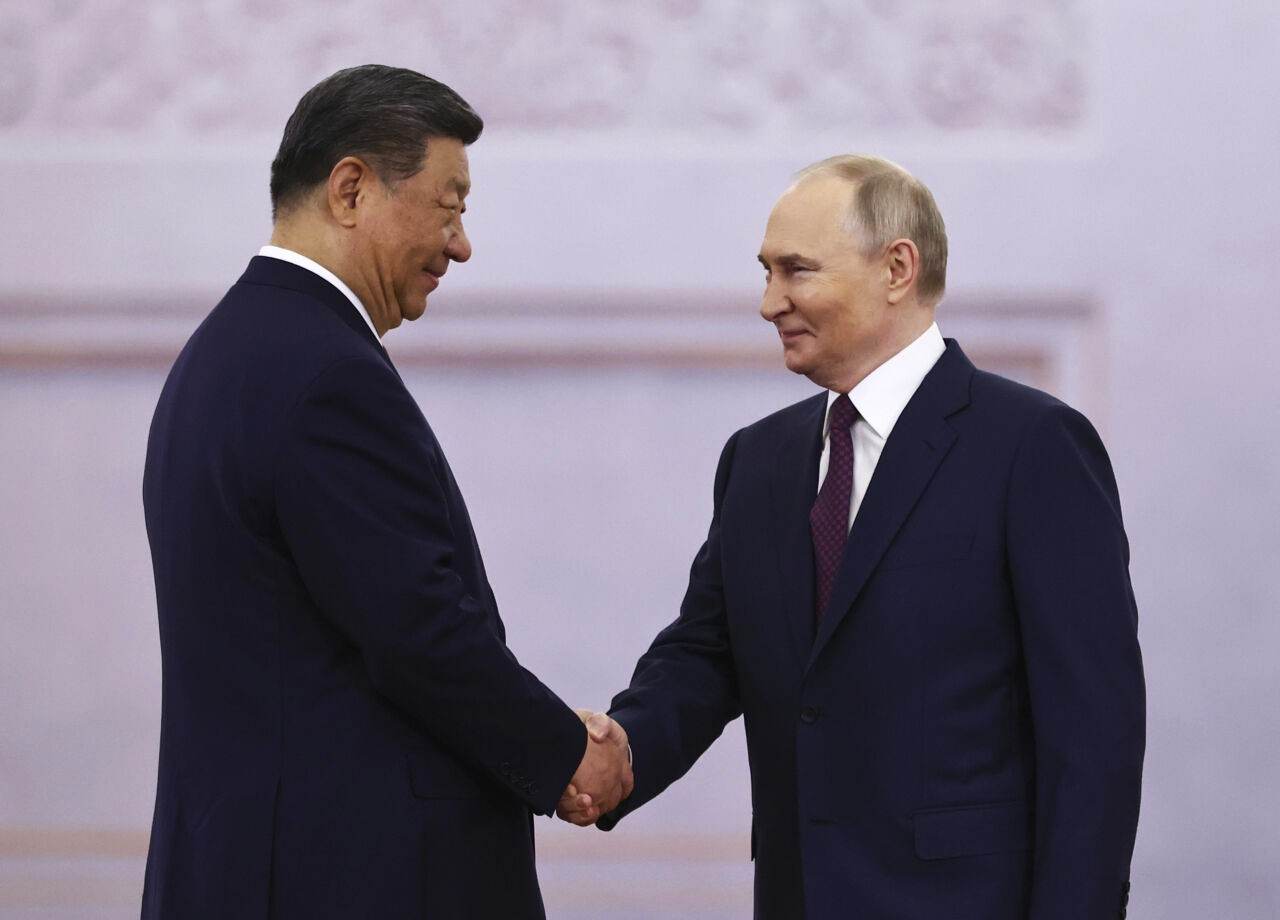
After weeks of intense debate that revived old binaries — “left” versus “right”, “sovereignty” versus “international law” — it has become increasingly evident that Maduro was handed over by actors within his own circle of power. In an ironic plot twist, those who have long advanced a discourse of non-alignment and anti-imperialism have effectively opened the door to the Trump administration’s presence in the region.
Following developments in Venezuela requires constant attention. Chaos is not incidental; it is structural. Context shifts rapidly, and pervasive propaganda obscures crucial layers.
After Maduro’s capture, international reactions were swift and loud. Protests erupted across major cities defending Venezuela’s territorial integrity. Anti-imperialist language returned with urgency. Yet many Venezuelans, inside the country and across the diaspora, watched these reactions with both relief and irritation. Not because concerns about international law are misplaced, but because something essential was missing: the perspective of Venezuelans themselves.
Venezuelan sociologist and human rights defender Rafael Uzcátegui describes this as a phenomenon he calls “minor colonialism”: a form of symbolic domination that emerges when external actors assume the authority to interpret, rank and ultimately substitute the voices of those living through the violence. This stance presents itself as principled and progressive, yet it imposes narratives from above.
This dynamic becomes visible when Venezuelans are told how to interpret their own crisis. Solidarity then turns pedagogical. Observers abroad demand geopolitical maturity and narrative discipline but ignore or diminish what victims have seen with their own eyes.
Venezuelan state violates human rights
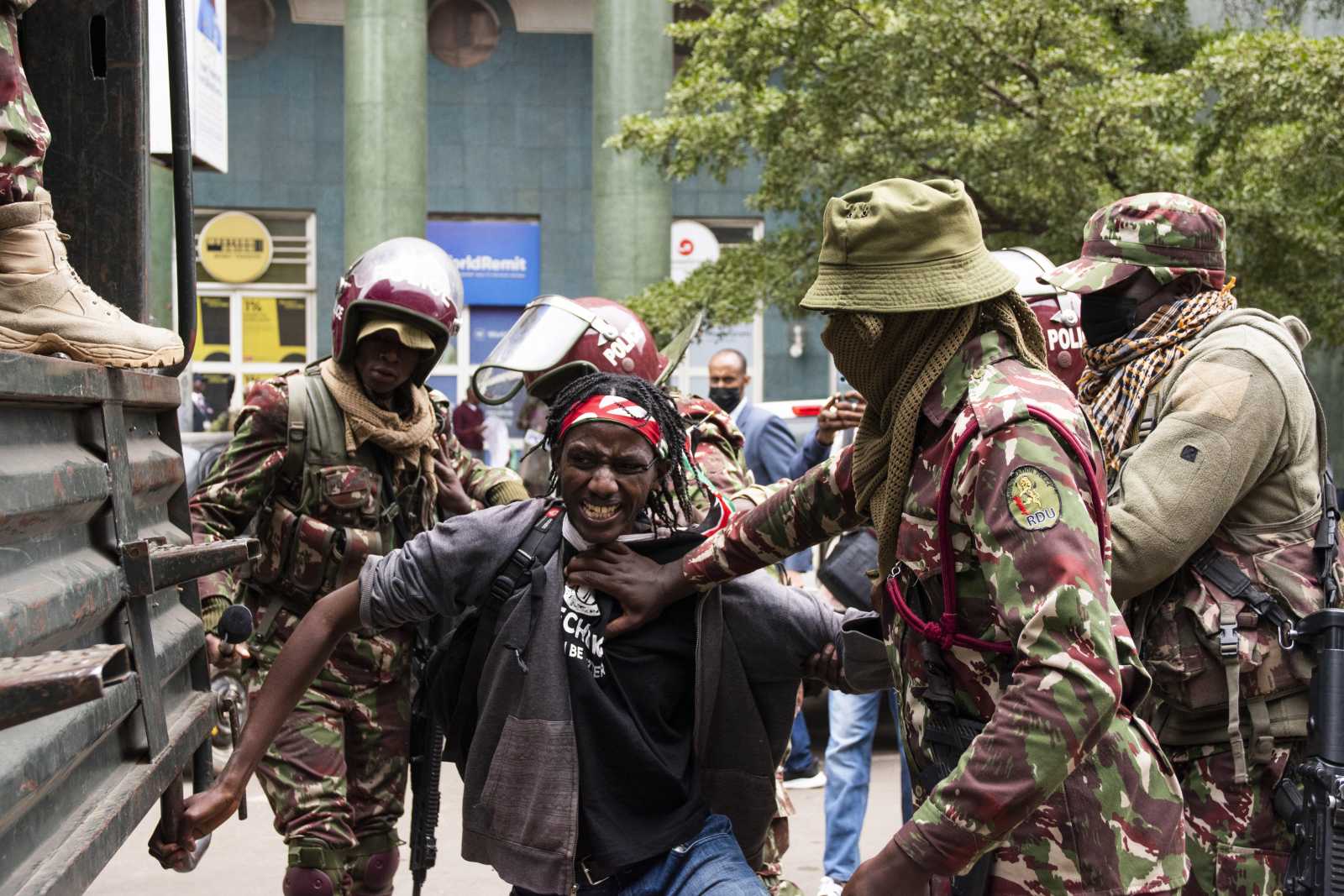
The devastating human rights situation in Venezuela has not improved. The record of abuses is becoming clearer. As fear loosens its grip and prisoners are gradually released, testimonies begin to surface. Horrors long suspected are confirmed. Others, previously unimaginable, come to light. Organisations devoted to transparency and documentation remain at work despite legal harassment, resource constraints and exile. Political prisoners remain the most visible symbol of repression.
Yes, military interventions do set dangerous precedents. But so does the systematic dismantling of democratic institutions under the protective cloak of sovereignty. So does a state that antagonises its own population, captures courts, hollows out elections, criminalises civil society and weaponises opacity. These, too, are precedents. They create power vacuums and normalise impunity long before any aircraft or military boots appear.
Venezuela’s crisis did not begin in January. The latest events are the culmination of nearly 20 years of institutional erosion and repression. Take the 2024 presidential elections, for example. Despite conditions that were neither free nor fair, millions queued to vote, fully aware that fraud was likely. For many, voting was the last remaining democratic mechanism. When it became clear that transparency was lacking once again, international condemnation followed, but institutions did not act decisively. The Organization of American States (OAS) failed to pass a resolution demanding transparency. Hesitation became the answer to those crying for help.
Venezuelans are fighting for change, not bombs
As democratic backsliding accelerates globally, Venezuela shows that the real issue isn’t simply “sovereignty vs foreign intervention”. It is the struggle between an authoritarian government tightening its grip and people trying to defend democracy.
When ideology matters more than people’s suffering, solidarity becomes selective. And when institutions fail, victims can feel pushed towards acts of desperation. Most Venezuelans did not ask for the Trump administration to bomb the country and remove Maduro by force as a way out of Chavismo. Instead, they voted, protested and organised under extraordinary risk to pursue democratic change.
While many Venezuelans describe the intervention as shameful and alarming, some also admit they are relieved that a seemingly immovable system cracked. Complexity here is not a contradiction, but the reality of a prolonged crisis in which Venezuelans were systematically left alone.
For an international community uncertain about where to place its solidarity, the answer is not abstract. It lies with civil society organisations, groups and networks that have documented abuses under threat, often from exile, and now face severe funding cuts. International partnerships grounded in listening will understand that supporting Venezuela — and helping prevent similar crises elsewhere — depends on strengthening these actors rather than speaking over them.
Laura Vidal is a Venezuelan researcher (PhD) on freedom of expression, a digital rights advocate and an expert on intercultural communication.
linkedin.com/in/lauravidalbarrios