India
Romita Ghosh uses AI to fight malnutrition


Romita Ghosh in an interview with Roli Mahajan
Who are you and what start-up have you founded?
I am Romita Ghosh, a medtech entrepreneur and AI policy advocate. Ever since I went through a life-altering health crisis early in my life, I found myself focusing on one question: how can we make quality care proactive and affordable rather than just reactive? So, I founded iHeal HealthTech where we are building products and solutions for preventive care, especially for marginalised communities. Alongside this, I have founded MAAP (Malnutrition Assessment and Action Plan), a start-up focused on reducing malnutrition.
What problem does MAAP aim to tackle?
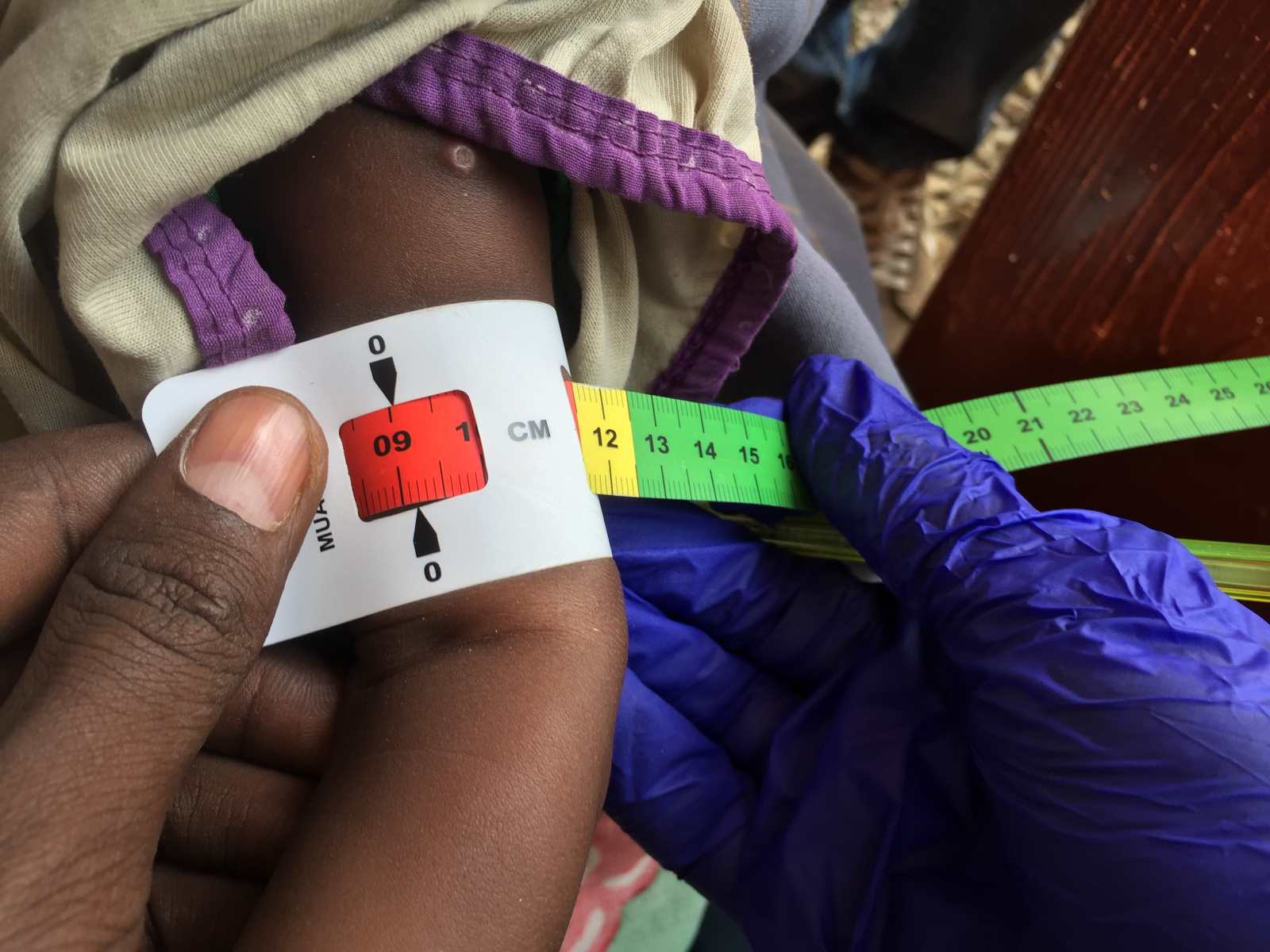
About one in three of the world’s malnourished children lives in India, even as many urban communities are experiencing rising overconsumption. This contrast reflects a deeper inequality: while some children grow up with excess, others still face daily food insecurity and limited access to timely healthcare. Millions of children lack access to regular and accurate growth monitoring. Existing systems often rely on manual tools and fragmented data. All of these aspects result in delayed early intervention.
MAAP addresses this gap through AI-powered, smartphone-based screening. Frontline workers or parents can take a photo of the child, and the app estimates the child’s height, calculates growth indicators, flags risks and suggests next-step nutrition actions. It also creates a digital record, so follow-ups are easier. Consequently, nutrition monitoring becomes faster, more consistent and easier to scale.
What was your motivation?
My motivation comes from a recurring pattern I’ve seen across healthcare systems and now in AI: those who need solutions the most are often the last to benefit from them. Children, particularly those in underserved communities, are often left behind. MAAP uses technology as an equaliser to ensure that every child can be monitored and supported early.
However, AI also runs the risk of replicating inequality, for example, through non-representative data and systems built without local context. MAAP therefore also reflects my commitment to building inclusive, context-aware AI for communities that are too often overlooked.
What were the biggest challenges?
Since MAAP is used in the field of child health and by government bodies, our solution requires high accuracy, rigorous clinical validation and alignment with public systems. Building trust and gaining validation to navigate these highly sensitive domains has been our greatest challenge. Another major challenge was to develop a solution in low-resource environments, in cooperation with users, that works reliably with varying lighting, connectivity, device quality and skill levels. Added to this is the constant coordination and mediation required to bring governments, tech experts and communities together. And then there’s the pace gap: AI is evolving rapidly, but governance frameworks are still struggling to catch up. This creates a real risk of deploying systems that are powerful but hard to integrate.

What has helped you?
What helped me most was a combination of purpose, perspective and the people I work with. It can be challenging to be the only woman on a panel or the only one representing a global majority perspective. Many tech conversations are still shaped by Western contexts, which can make it harder to advocate for solutions grounded in different realities. But these experiences have strengthened me because I know why I am doing what I do. Meeting the right collaborators and being a part of global networks has definitely also helped my journey. I have had the opportunity to encounter and learn from various global and regional perspectives.
Where do you see your project in five years?
We hope that MAAP will scale up to become a global digital infrastructure for child health and nutrition, embedded across urban childcare systems, schools and public health programmes. It will reach 100 million children, enabling real-time growth monitoring and early intervention, both in India and beyond. MAAP can also help to shape policy by informing governance models, standards, audits and deployment frameworks. Hopefully it will also inspire more local leaders, especially girls, women and underrepresented communities to actively participate in designing and governing AI systems.
LINK
Malnutrition Assessment and Action Plan (MAAP)
Romita Ghosh is a medtech entrepreneur and AI policy advocate.
romita.gs@gmail.com