Development and
Cooperation

Digital monthly 11/2026

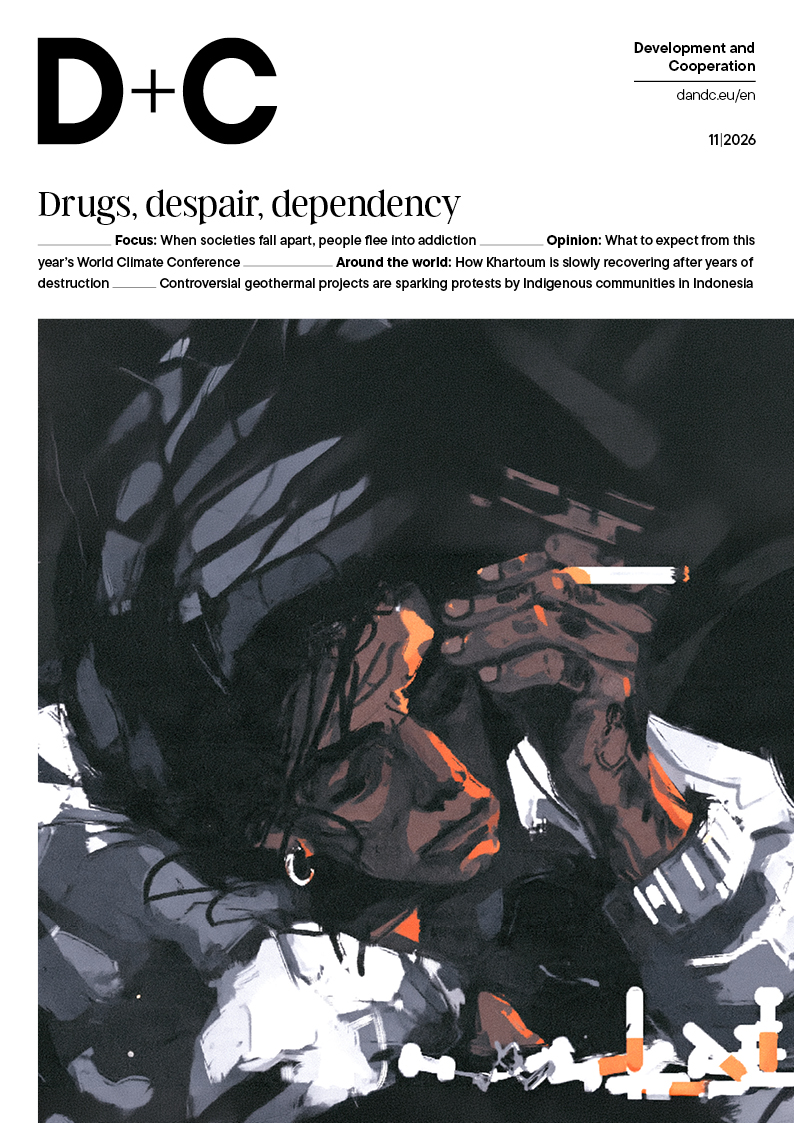
Drugs, despair, dependency

A khat seller in Somalia, Kenya’s largest export market for the plant.
Drug trade

How a drug lobby almost reopened a border

Khat exports are worth around $ 100 million a year to Kenya. Farmers and traders hope that their economic and political clout will finally reopen the long-closed border with Somalia permanently.

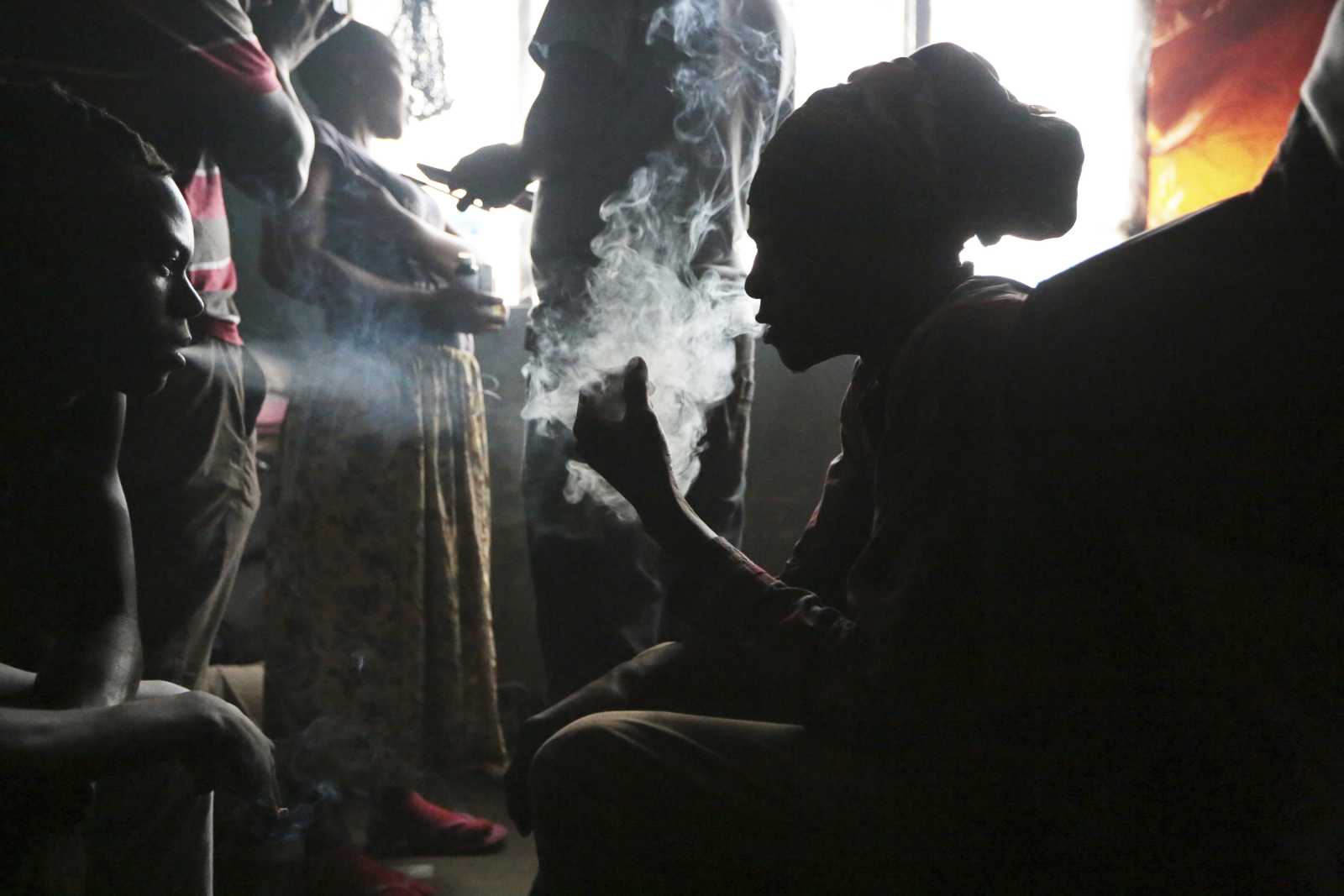
Drug abuse is particularly high in Zimbabwe’s urban centres, especially in the capital, Harare.
Rehabilitation

Inside Zimbabwe’s controversial drug rehab camps

Young people struggling with addiction in Zimbabwe are caught between non-existent public mental health services and unregulated rehab centres. Testimonies describe military drills, corruption and confinement in facilities that claim to offer treatment.

The number of people taking drugs has recently climbed dramatically.
Our view

Fighting drugs with smart development policy

More and more people around the world are taking drugs, and more and more people are dying from them. The problem cannot be solved with security measures alone. What is needed instead is more investment in development policy approaches.

More Articles

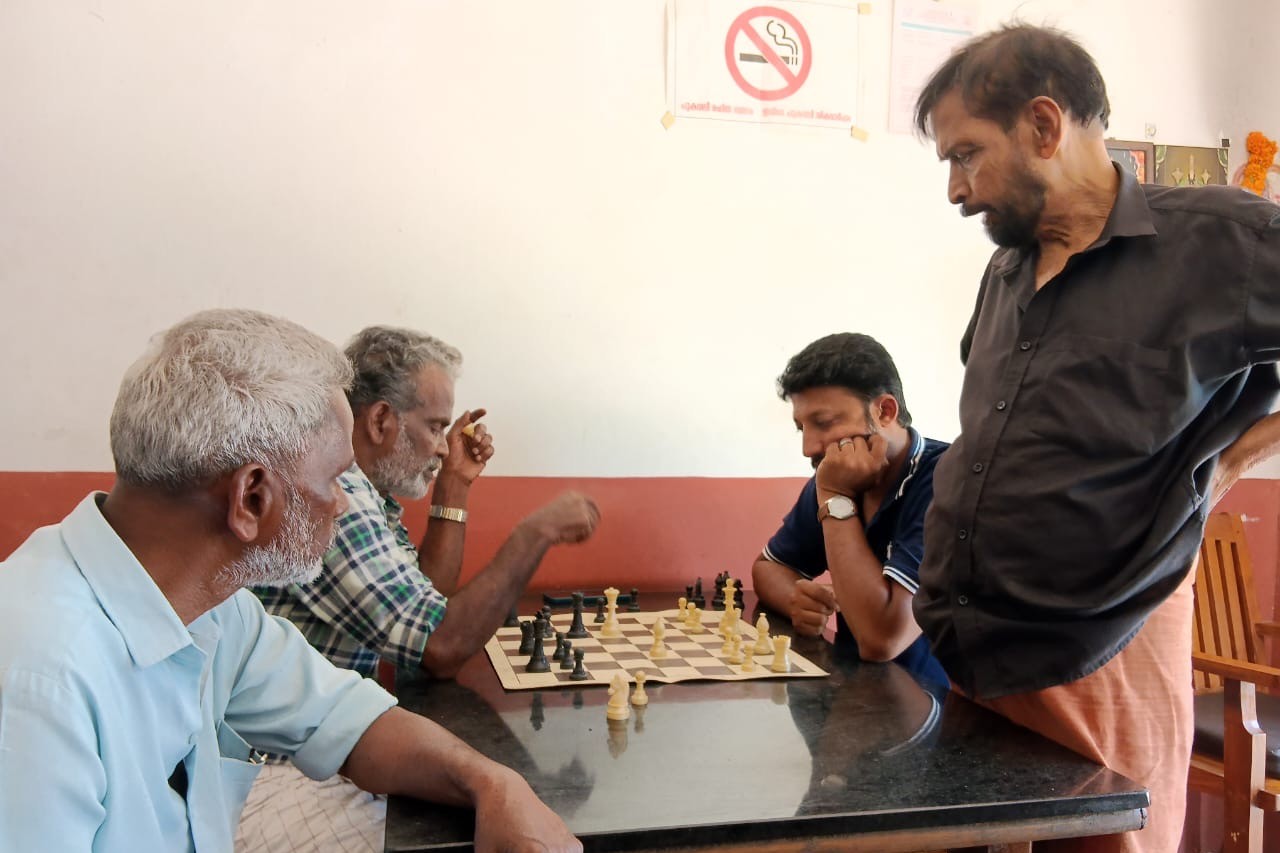
Playing chess in Marottichal.
Drugs and communities

When an Indian village chose chess over alcohol

Once known for illicit liquor production and alcoholism, Marottichal has transformed into India’s “Chess Village”, writing a story of hope, change and the spirit of sport.

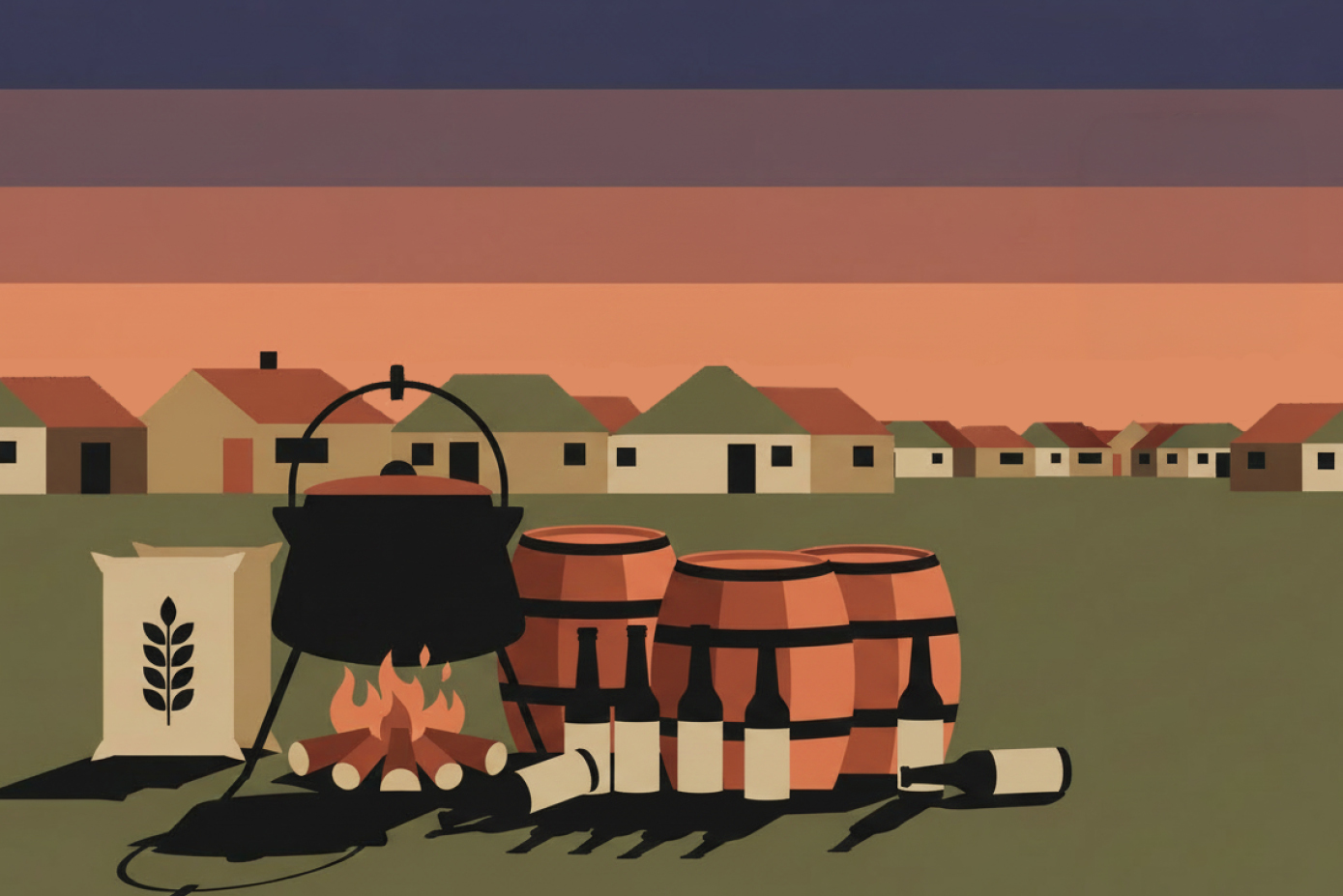
Brewing and selling alcohol is a source of income in an environment that offers few formal employment opportunities.
Traditional brewing

Drinking and brewing in one of Africa’s largest refugee camps

At the Kakuma refugee camp in northern Kenya, the sale and consumption of locally brewed alcohol are part of everyday life.

Men in a bar in Kano – drinking alcohol has become a pastime in Nigeria.
Alcohol

Why alcohol is a threat to public health in Nigeria

Reforms to the Nigerian healthcare system could be undermined by rising levels of harmful drinking. To tackle this problem, measures such as a stricter regulatory framework, better enforcement of regulations and higher taxes are needed.

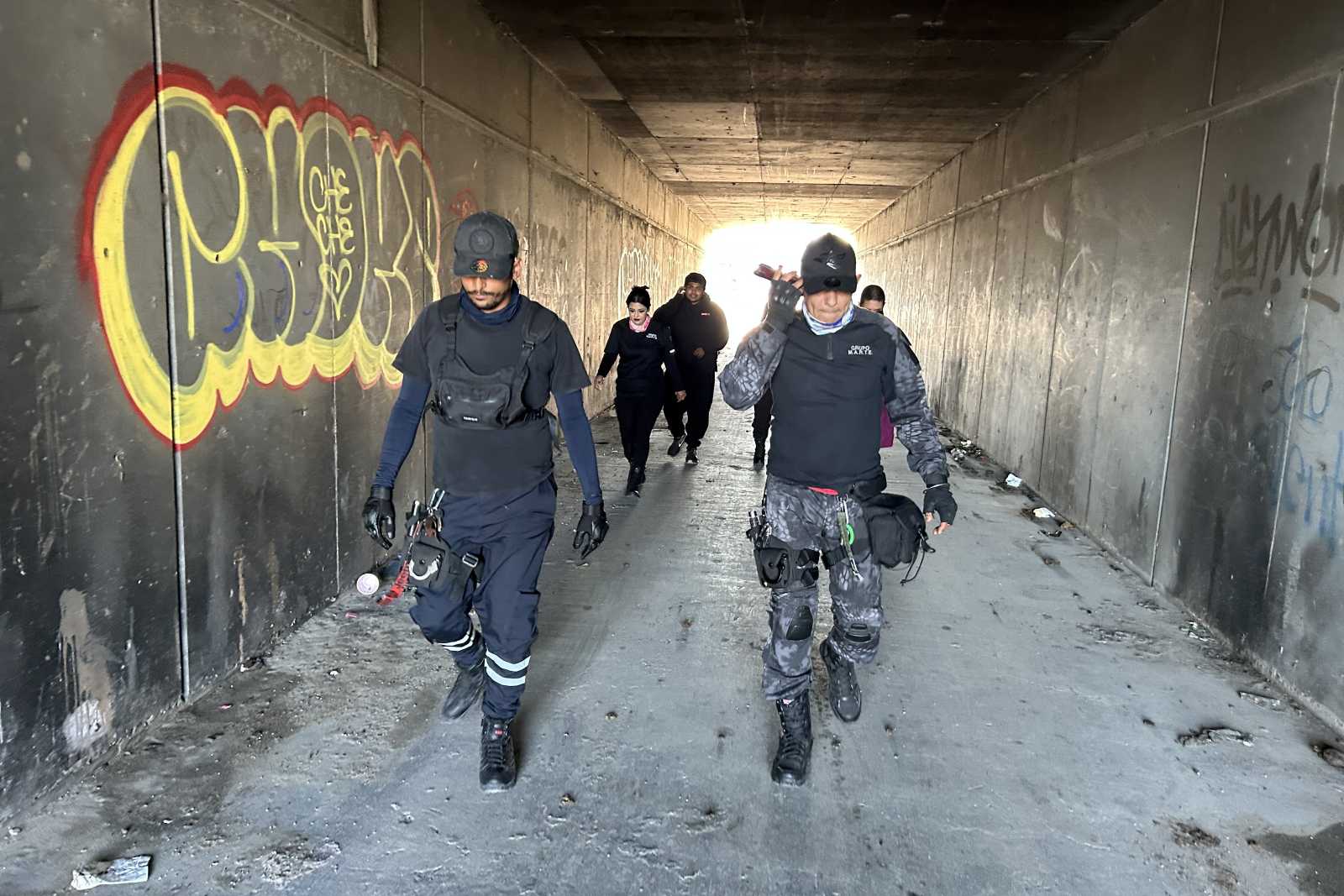
Members of the civil society organisation “Grupo Marte” on patrol in the Mexican border town of Tijuana.
Civil society engagement

Mexico under the influence of drugs

In Mexico, synthetic drugs are manufactured, exported and also consumed in significant quantities. Civil society organisations are advocating for people with substance use disorders, but life-saving policy changes have yet to materialise.

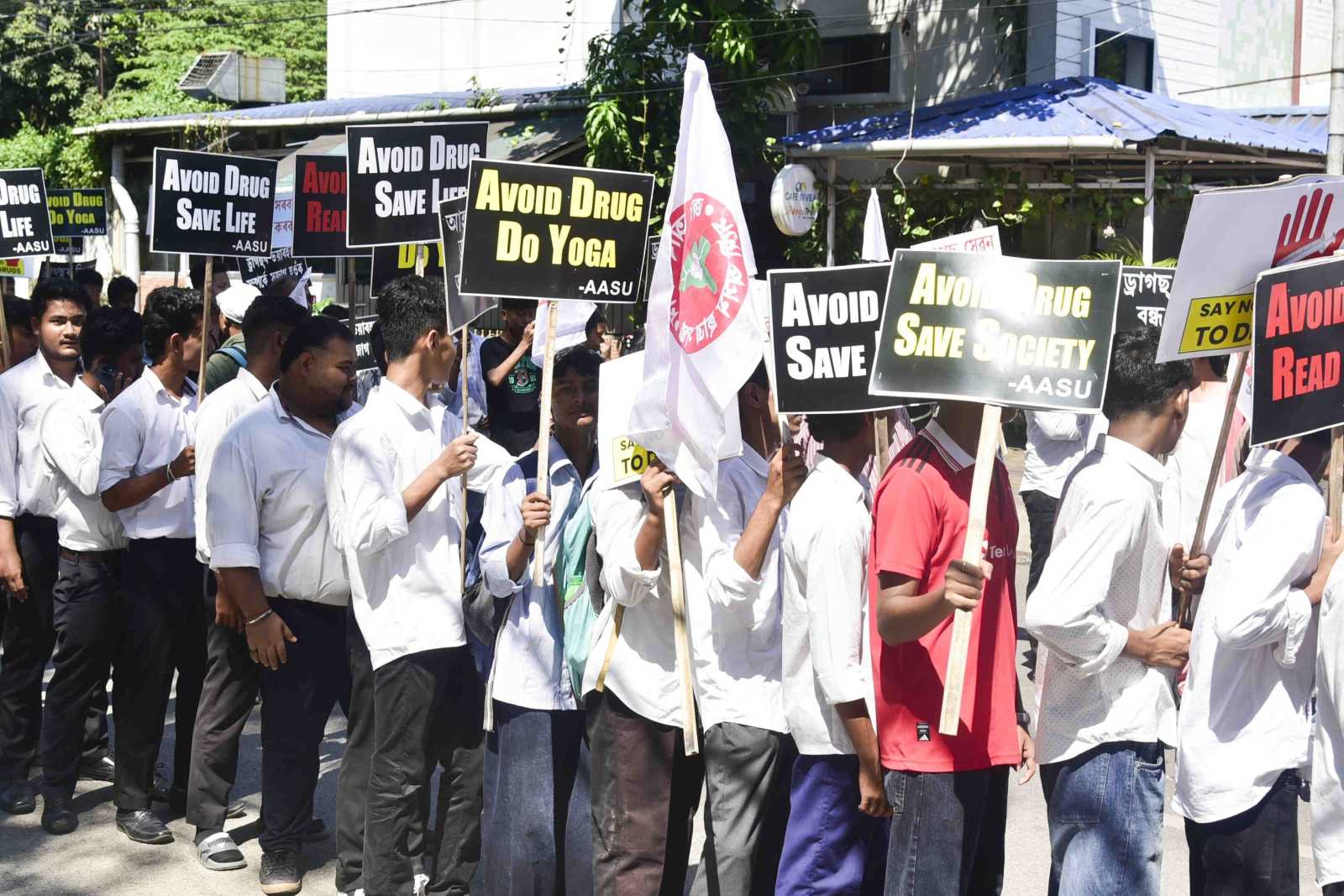
An anti-drugs awareness rally in the northern Indian state of Assam in September.
Faith-based organisations

From gurdwaras to churches: Religion tackles India’s drug crisis

As government efforts seem to fail, it is religious organisations that are building the country’s most effective drug rehabilitation networks in India.