Alcohol
Why alcohol is a threat to public health in Nigeria


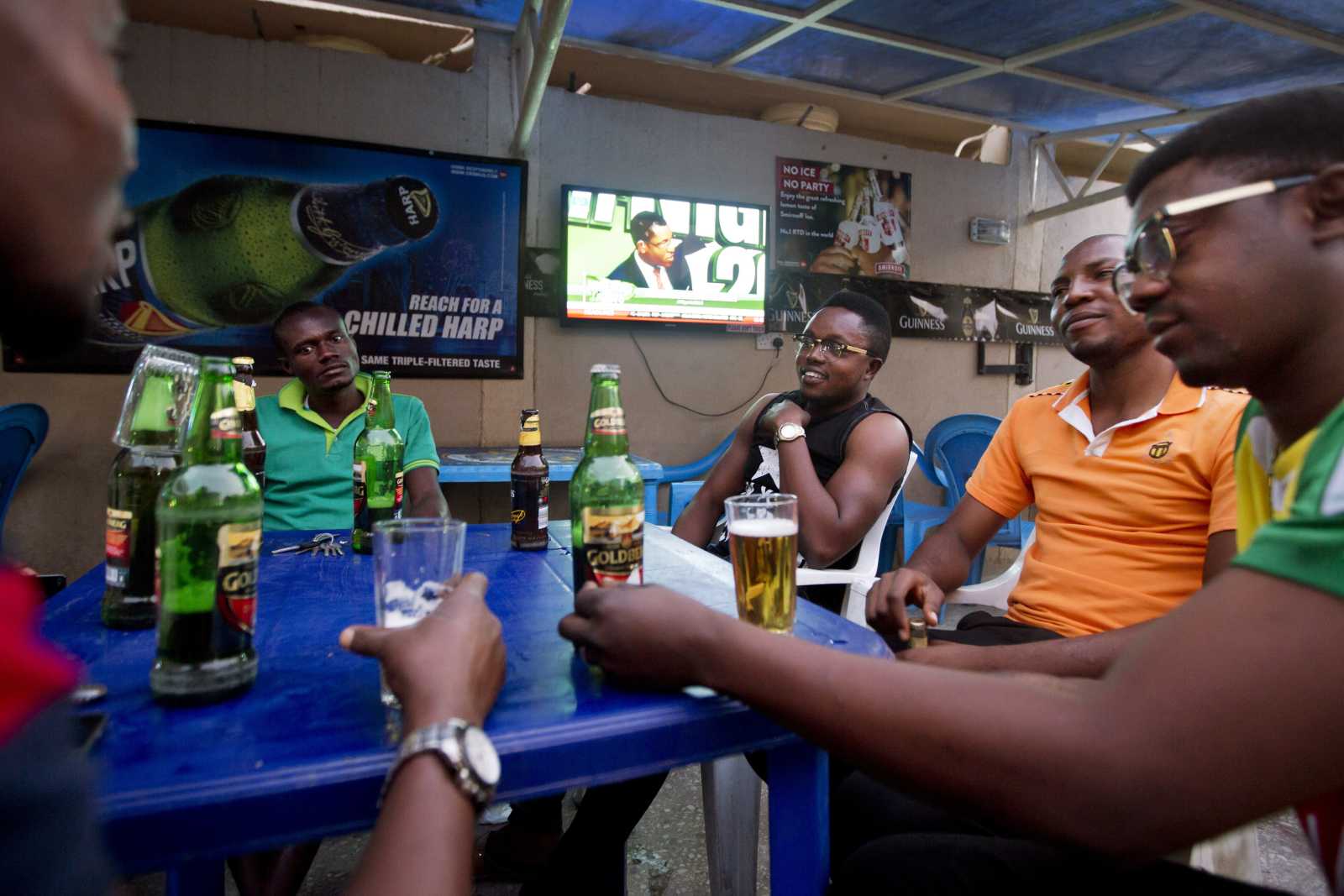
Alcohol consumption has become an increasingly routine part of social life in Nigerian cities, particularly among young adults. Drinks once associated with celebrations and milestones are now often consumed during the week and in everyday settings. Alcohol has shifted from a symbol of festivity to a means of coping, affecting women and men alike.
Nigeria’s relationship with alcohol began in moderation. Traditional drinks such as palm wine, burukutu and pito were part of social practices and rituals. Communities shared them, and custom set boundaries for their consumption.
The colonial era, however, changed both the range of drinks available and their meaning. European traders introduced gin and rum, which became symbols of modernity and social status. In the 1980s, breweries sponsored national football and music events. By the early 2000s, alcohol had become an integral part of people’s leisure time.
The 2020s have consolidated this transformation. Local and international spirits producers now market their products directly to young people via digital media and influencer campaigns. Some of these products contain added sugar, caffeine and flavourings, which can mask their alcohol content and encourage excessive consumption. Alcohol can now be easily found in car parks, on university campuses and at building sites, where vendors sell cheap spirits in small sachets alongside bread and cigarettes.
The devastating effects of alcohol
Alcohol affects women and men in the same way, but the health risks differ. Women reach higher blood alcohol levels more quickly, as they generally have a lower body water content and are slower to break down alcohol enzymatically. This increases their risk of breast cancer, liver failure and high blood pressure. Men face an increased risk of strokes, heart disease and reduced fertility.
In 2024, the World Health Organization (WHO) attributed around 2.6 million deaths worldwide to alcohol consumption, accounting for 4.7 % of all deaths. More than 1.6 million of these deaths were due to non-communicable diseases, including cancer and heart failure, whilst more than 700,000 were due to injuries such as road traffic accidents. The WHO states that there is no safe upper limit for alcohol consumption with regard to cancer.
In Nigeria, the 2024 WHO report estimated annual alcohol consumption in 2019 at 4.2 litres of pure alcohol per person aged 15 and over. The same report estimated the age-standardised prevalence of episodic heavy drinking in this population group at 12.1 %. In 2019, 62,236 deaths in Nigeria were attributed to alcohol.
Nigeria’s existing framework
The Nigeria Health Sector Renewal Investment Initiative (NHSRII) provides a coherent framework for prevention and health promotion. Its approach enables the authorities to link the fight against alcohol and drug abuse to, for example, vaccination programmes and maternal health. The rationale is simple: preventing non-communicable diseases through behavioural regulation saves lives and reduces the burden on specialist hospitals.
Furthermore, the “Nigeria Alcohol Policy and its Multisectoral Implementation Plan (2026–2030)”, launched in August 2026, now provides a national framework. It brings together public education, screening, treatment and enforcement. Moreover, the introduction of a national health promotion day created a permanent national platform. This day should now be specifically geared towards combating alcohol and drug abuse. It can bring together public education, community policing and clinical screening under a common guiding principle. Without such coordination, the rapid progress achieved under the NHSRII – improved uptake of primary healthcare, increased insurance cover and expanded screening for non-communicable diseases – could be undermined by precisely those behaviours that contribute to preventable diseases.
The law and the role of NAFDAC
Nigeria’s legal framework is adequate on paper. Under the NAFDAC Act, the National Agency for Food and Drug Administration and Control (NAFDAC) regulates the manufacture, import, advertising and sale of alcoholic beverages. The Alcoholic Beverages Regulation (2019) requires product registration and the correct labelling of alcohol content and prohibits misleading health claims. Advertising guidelines prohibit content aimed at minors and require references to age restrictions.
In February 2024, NAFDAC enforced a ban on alcohol in pouches and bottles with a capacity of 200 millilitres or less. This was an important step towards restricting young people’s access to strong alcohol. The authorities must maintain this ban and enforce it consistently. State governments should also bring their licensing laws into line with the national legal framework and impose tougher penalties for illegal production and sale without a licence.
However, the legal definitions in Nigeria remain outdated. Alcohol is still treated as a commodity rather than a toxic substance. Scientifically speaking, alcohol is a toxic, psychoactive and addictive substance, and the International Agency for Research on Cancer classified it as a Group 1 carcinogen decades ago.
The Federal Ministry of Health and the Federal Ministry of Justice should, within the framework of NAFDAC, initiate legislative amendments to reclassify alcohol as a controlled toxic substance with regard to advertising, labelling and retail licences. Such a reform would not criminalise alcohol consumption by adults. Rather, it would enable the regulatory authorities to treat alcohol with the same level of scrutiny as medicines and pesticides.
Alcohol advertising in Nigeria
Regulation must also cover the marketing sector. The Nigerian Advertising Regulatory Council (ARCON) should strictly enforce the prior review of all alcohol advertising, including digital campaigns and influencer campaigns. Alcohol brands should not sponsor reality TV programmes, talent shows or sports content that reaches an audience under the age of 18. The sponsorship of entertainment programmes by alcohol manufacturers undermines national health messages and normalises alcohol consumption as a leisure activity.

The current reality in Nigeria is that billboards advertising whisky and beer are situated directly above clinics that treat alcohol-related emergencies. This contradiction undermines public trust and weakens the credibility of public policy. The government cannot spend public funds on treating illnesses whilst at the same time allowing the industry to glorify its causes.
Alcohol and road safety
The sale of alcoholic drinks at coach stations and along transport routes has become a public safety issue. Drivers of intercity coaches, commercial three-wheelers and lorries regularly consume cheap spirits before or during their journeys. Random roadside checks continue to reveal high blood alcohol levels among professional drivers.
The Federal Road Safety Corps (FRSC) should step up the enforcement of drink-driving laws through mandatory breathalyser tests, road checks and the immediate withdrawal of driving licences from offenders. It must work with NAFDAC and the state traffic authorities to disrupt the supply chain that enables unauthorised traders to operate at transport hubs. Road safety and public health are not separate issues; both concern preventable deaths.
Economic deterrents
Economic deterrents remain an effective public health measure. Several studies indicate that higher alcohol prices and taxes are associated with lower consumption. Nigeria’s excise duties on beer and spirits remain below global averages.
Alcohol should be subject to the highest permissible excise duty rate amongst consumer goods. The revenue generated could be channelled towards health promotion, rehabilitation centres and the enforcement of regulations. The authorities could channel the revenue through the NHSRII funding basket and link it to measurable outcomes, such as fewer deaths from drink-driving and wider coverage of preventive care for non-communicable diseases. As is the case under the NHSRII, the use of these funds must be transparent. Taxation should serve to curb consumption, not merely to increase government revenue.
Conclusion
Trends in alcohol consumption in Nigeria reflect a broader social shift: the country is ambitious and vibrant, but it lacks discipline. The progress made by the NHSRII in terms of health access, efficiency and accountability will mean little if people who are receiving better care continue to drink themselves into ill health. Alcohol is no longer merely a private vice; it poses a risk to public finances and social stability.
The government has the tools to take decisive action within the framework of the NHSRII. The task now is to ensure that its intentions are matched by action. If Nigeria is to secure its demographic advantage, it must tackle the growing prevalence of alcohol with the same seriousness as it treats epidemics. This is not moralising but a matter of governance.
Further reading
World Health Organization (WHO), 2024: Global status report on alcohol and health and treatment of substance use disorders.
Chinedu Moghalu is a lawyer, strategic communications expert and public policy adviser with over two decades of experience across government, international organisations and development institutions. Currently, he is a senior special adviser to Nigeria’s coordinating minister of health and social welfare.
moghaluigwe@gmail.com