Digitalisation
Can mobile money make Zambia’s savings groups safer?


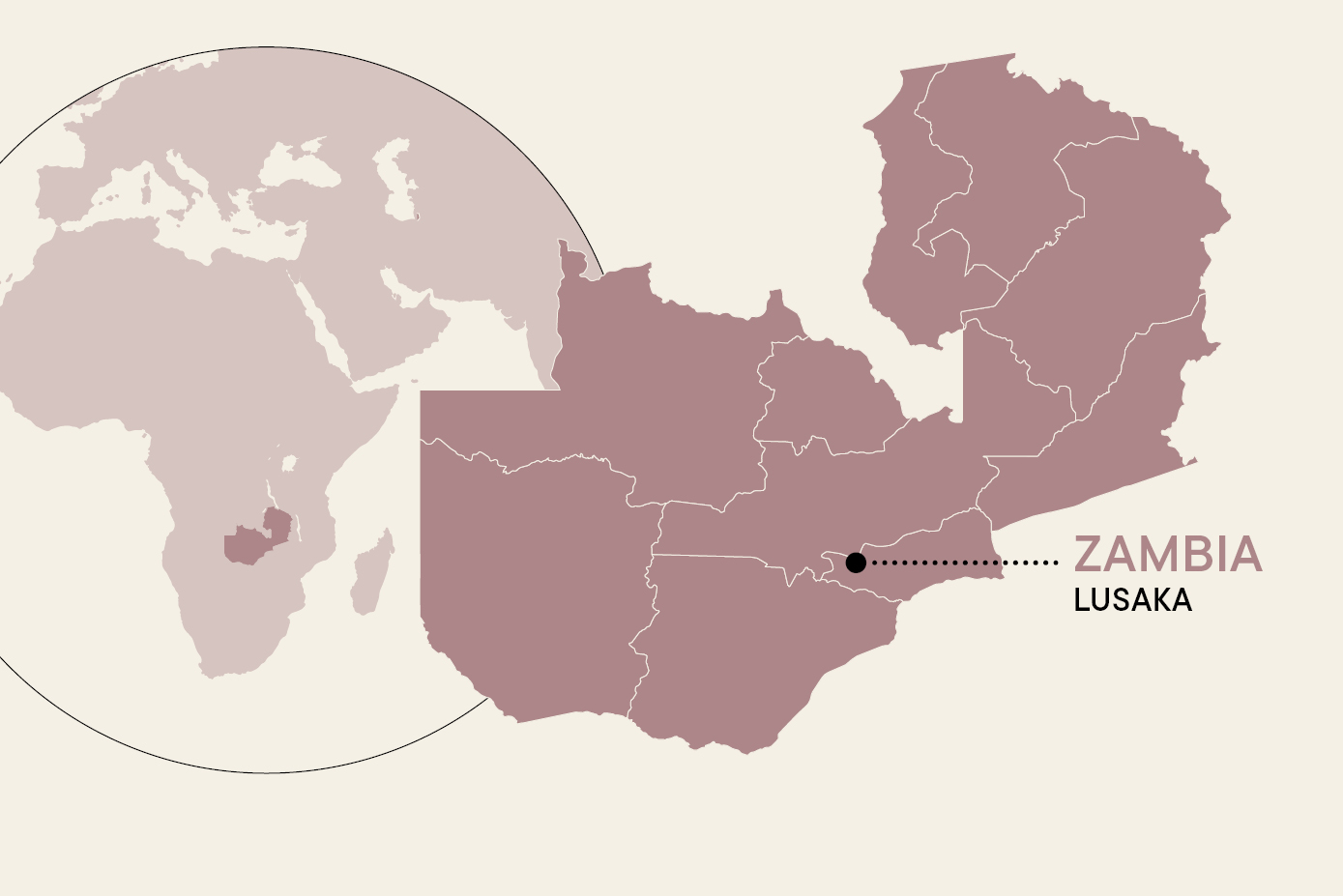
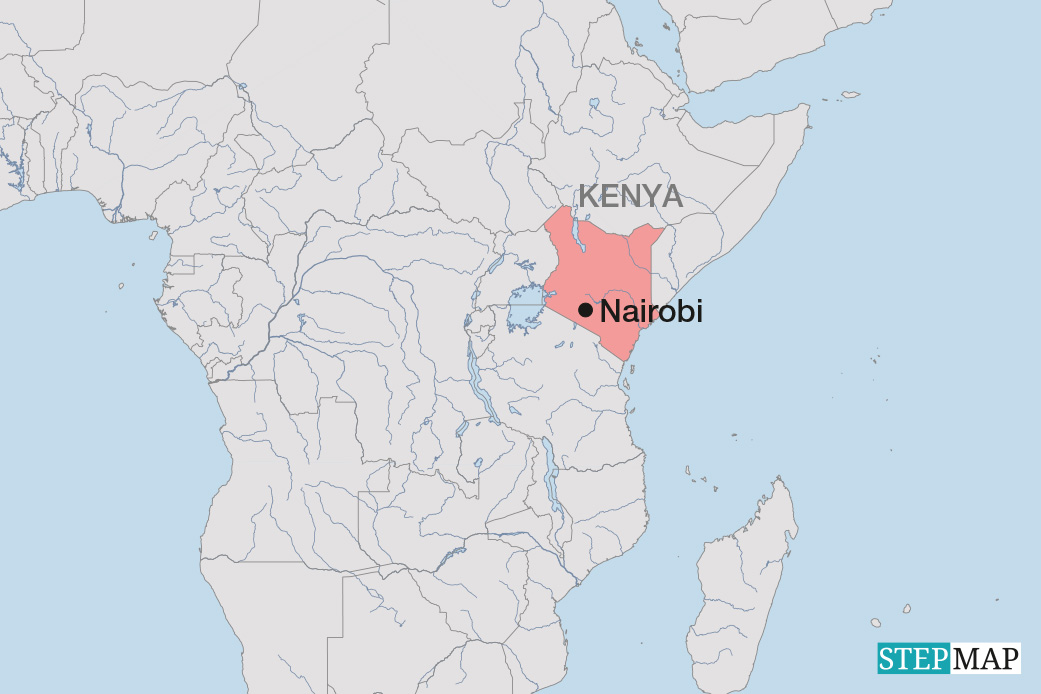
In the shadow of a broad blue umbrella at Kabwata Market in Lusaka, Zambia’s capital, 12 women gather around a heavy metal cash box – a physical reminder of years of shared labour and trust. For more than six years, the rusted box, guarded by three padlocks, has been the financial heartbeat of Chilimba Pamodzi, a group of 12 women selling chitenge fabrics, fish, tomatoes and hand-carved crafts.
Week after week, each woman sets aside 500 Zambian kwacha (K) (about $ 25) from her market earnings, creating a K 6000 (about $ 300) pot. When a member’s turn comes, the payout may restock her stall, pay school fees, help expand a business or cover an unexpected expense. “We labour so much to build our trust as marketeers,” says Grace Banda, the group’s treasurer. But as Banda’s hardcover notebook filled with blue ballpoint signatures, thumbprints and meticulous tallies, the old system also showed its weaknesses.
“Our weekly cash brought constant anxiety because keeping K 6000 in a stall overnight before payout day meant sleepless nights for me, fearing thieves or market fires,” she says. Missing entries or a misplaced K 100 note could lead to tense accusations of miscounts. Every Friday, the women also spent time breaking larger notes into smaller denominations so everyone could contribute the exact amount.
A tradition meets the phone
Groups like Chilimba Pamodzi are an important part of Zambia’s financial landscape. According to Bank of Zambia data, 13.5 % of adults belonged to a savings group in 2020. More than two-thirds of those members were women.
As mobile money use has expanded, efforts are growing to connect such informal savings practices with digital financial services. For women who rely on these groups for business capital and household expenses, mobile money promises greater security and transparency – but also introduces new costs and dependencies.
At first, the women of Chilimba Pamodzi were sceptical. Chipo Moonde, an Evelyn Hone College student who sells hair extensions nearby to help fund her tuition, suggested switching to a digital platform. “With online scammers wreaking havoc in the digital space, how secure will our money be?” asked Joyce Mutinta, the group’s eldest member, who sells dried fish. “If I cannot hold the money, how do I know it is there?”
After two weeks of demonstrations by Moonde, the group agreed to try Airtel Money’s Village Banking platform. Deposits are now recorded digitally, and members receive notifications of transactions. “When we finally adopted it, our everyday life at the market shifted,” Moonde says. Weekly payouts now arrive directly in the recipient’s mobile wallet instead of passing through the cash box.
New convenience, new frustrations
The digital system has solved some problems but created others. Internet data is an extra expense the women resent paying simply to check their balances. On busy Fridays, network downtime can leave them waiting for transaction confirmations.
That tension reflects a wider challenge in Zambia’s rapidly expanding digital-finance sector. Mobile money has helped push financial inclusion to about 80 % of adults in 2025, according to the latest FinScope survey, but researchers still point to connectivity costs, digital skills and consumer trust as barriers, particularly for women and other underserved users.
For Chilimba Pamodzi, digitisation has therefore not replaced the trust on which the group was built. It has simply changed how that trust is recorded. Melody Choongo, one of its members, puts it simply: “Before, our bond was built on handshakes. Now it is sealed with a PIN.”
Derrick Silimina is a freelance journalist based in Lusaka, Zambia. He focuses on Zambian agriculture and sustainability issues.
derricksilimina@gmail.com