Informal settlements
How marginalised urban communities in Africa are driving innovation


People living in the informal settlements of Zimbabwe’s capital Harare don’t really think of themselves as innovators. For them, innovation is something that happens in universities or large companies: it’s a new mobile phone or digital payment system.
Yet the very same people are quietly innovating each and every day – adapting, learning and improving things to make a living and support their families. Some of this is quite visible, like recycling metal and wood to create new products, a process critical to the circular economy.
Other innovations aren’t as easy to see, but their potential to change societies is huge. I regularly encounter them in the community networks, initiatives and campaigns that develop in the most marginalised areas of the city. Initially these may be established through mutual self-help group savings schemes. With the right support and opportunities, these groups grow into platforms that can fully engage with the state to demand improvements and help create solutions to complex urban problems.
There’s a popular refrain heard in many settlements across the continent: “We are not the problem. We are the solution.” Ignoring the knowledge, skills and energy emerging from low-income communities means missing out on a crucial source of inclusive and innovative urban reform. This grassroots potential is especially important in African cities, where the realities and priorities of many residents are often overlooked.
Unprecedented urbanisation
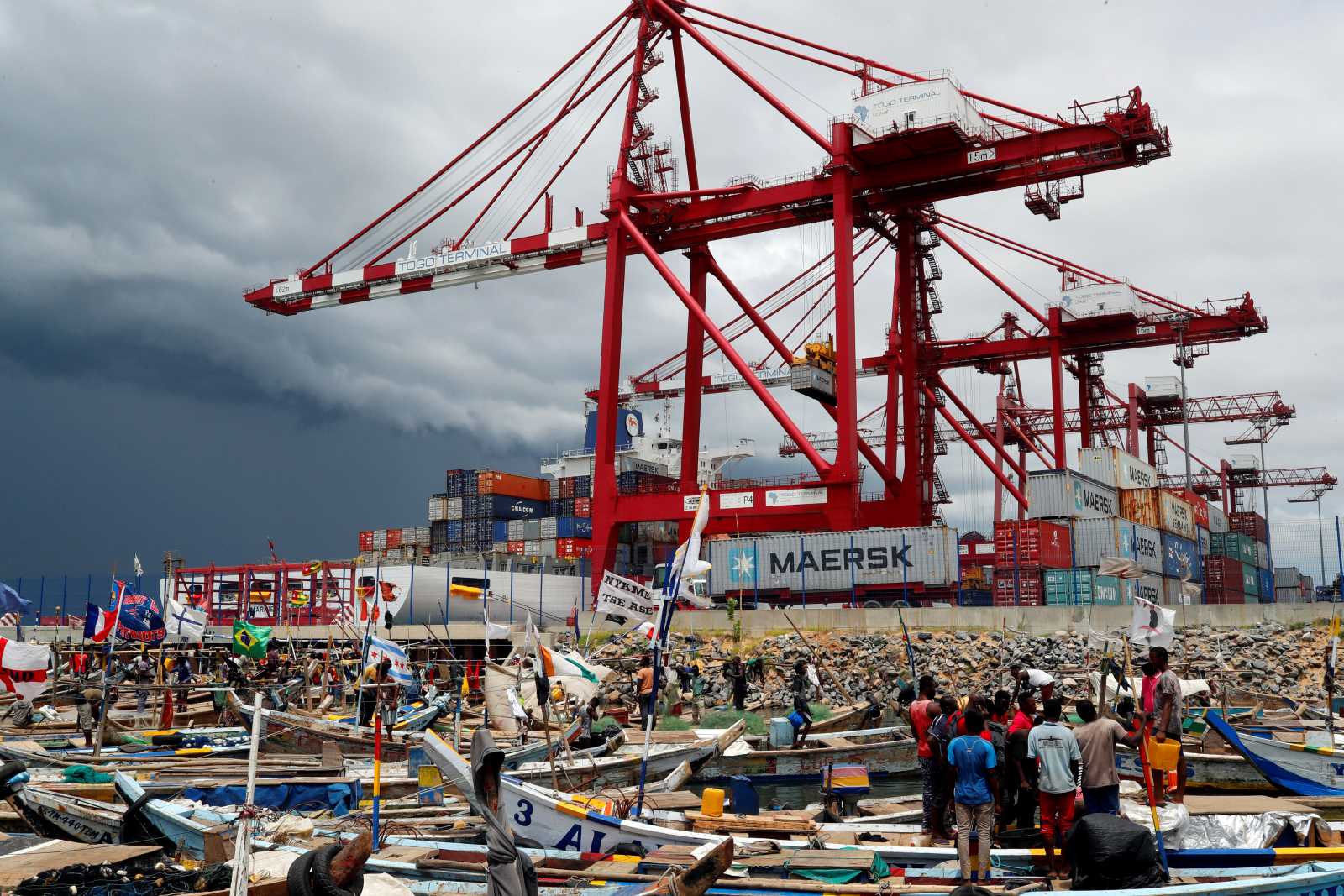
In part, this is simply a question of numbers. Africa is the most rapidly urbanising region on earth. 700 million people already live in urban areas, and the number is set to double to 1.4 billion by 2050. Currently, around half of all urban dwellers across the continent live in informal settlements – these people therefore represent an enormous “human resource.”
In most urban centres, people are young – a trend that is accelerating. By 2050, half of Africa’s population will be under the age of 25. Young people are increasingly well educated, yet formal employment remains scarce. Underemployment and unemployment are widespread. Most earn a living through informal means, often under precarious conditions. Basic services are lacking, and insecure land tenure puts residents at constant risk of eviction. In such an environment, innovation is not a choice, but a necessity.
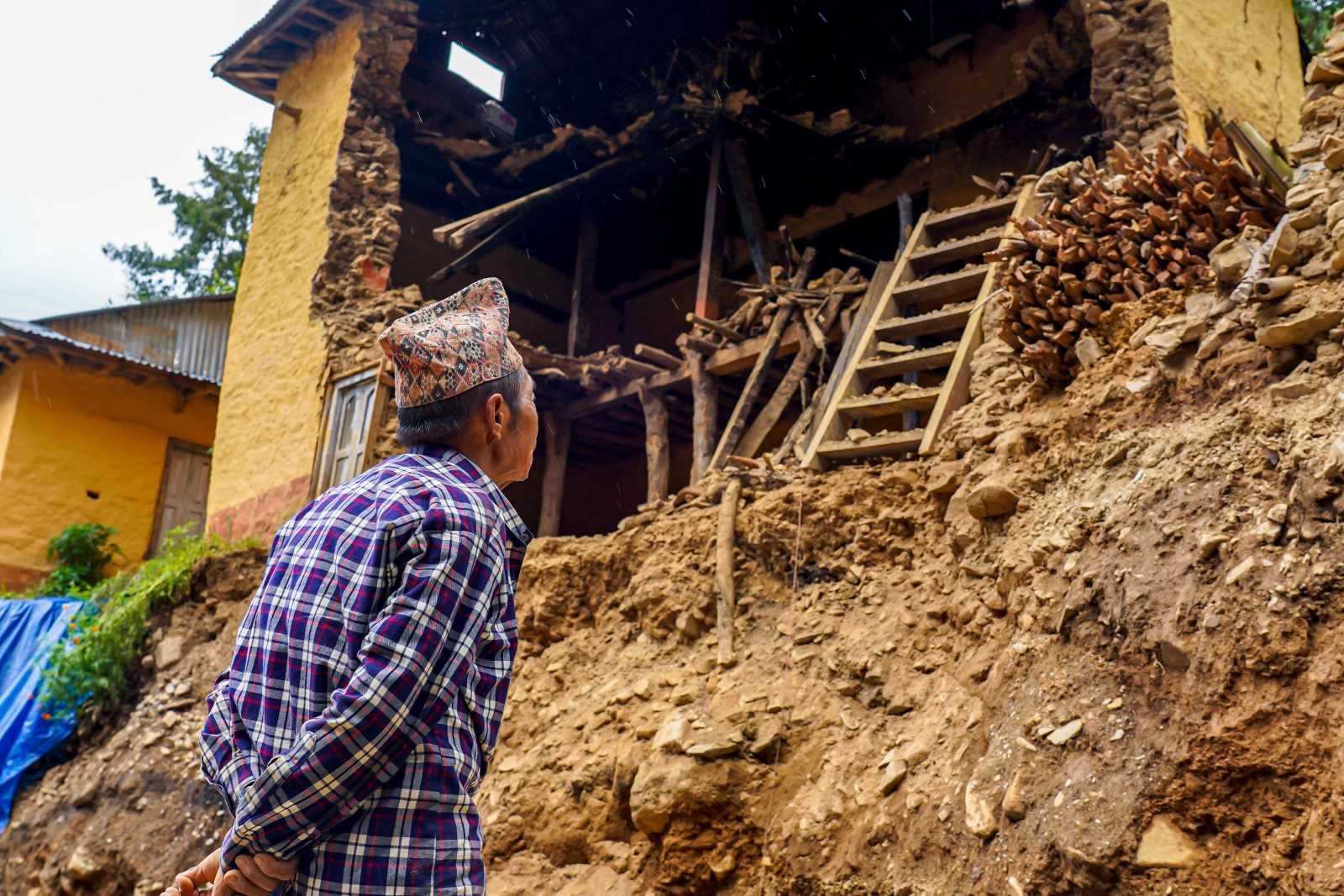
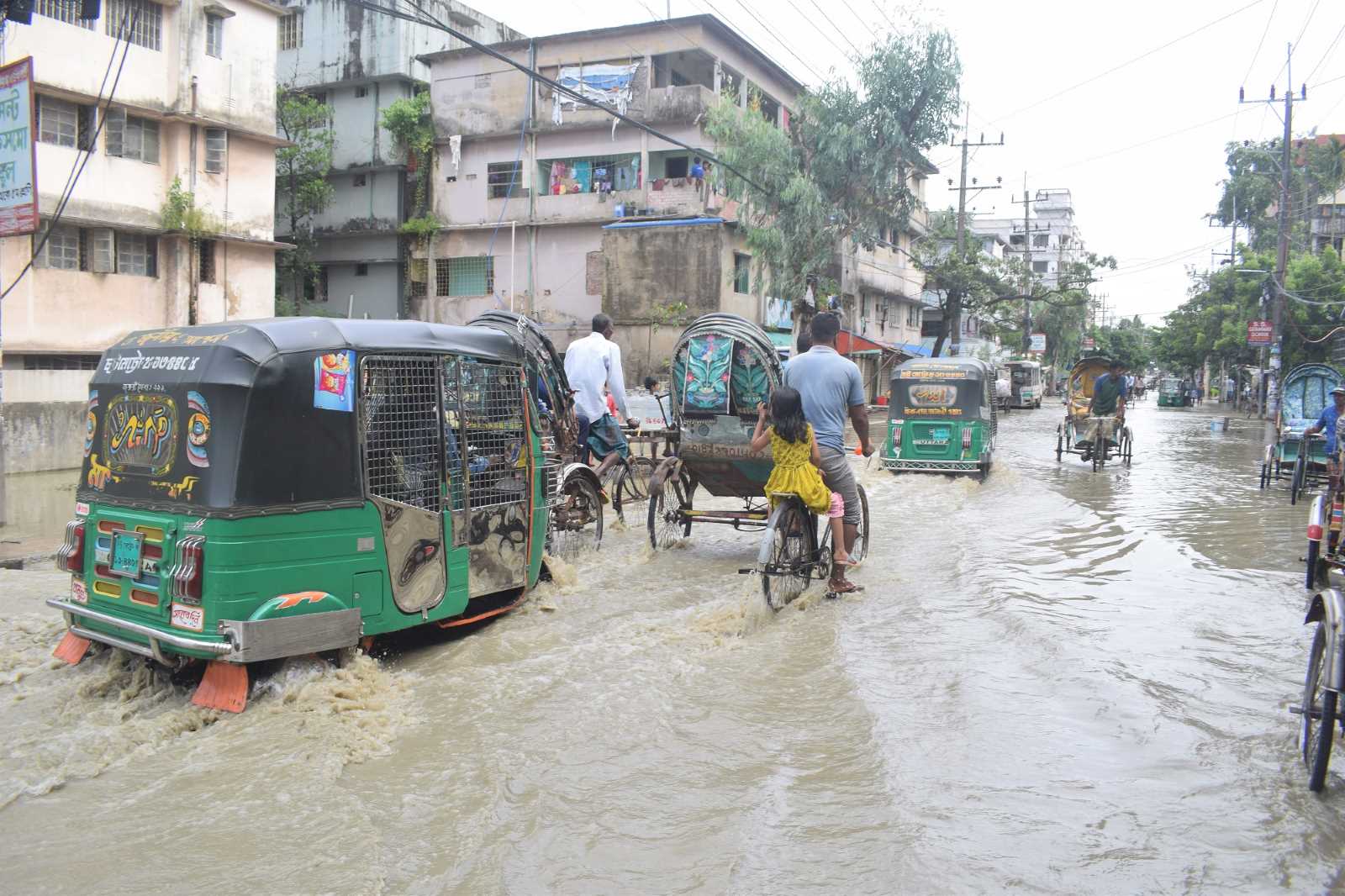
Climate change is compounding these challenges. More frequent extreme weather events demand local solutions. Heavy rains can cause severe damage, for example when flash floods hit informal settlements that lack drains or paved roads. High temperatures can make life unbearable in small shacks with little ventilation.
Residents are taking action
In such situations, communities often realise that government support is unlikely to arrive soon. In settlements like Tafara in Harare, residents have taken matters into their own hands. They are building drainage channels to divert floodwaters and planting resilient local grasses to stabilise the soil and prevent erosion. In Dzivaresekwa Extension, an informal settlement in Harare, community members are mapping out where drains are most urgently needed to manage floods more effectively.
Some of the most innovative communities I have encountered did not start out that way. Innovation takes time, trust and a lot of organising. I work for Dialogue on Shelter for the Homeless in Zimbabwe, which is affiliated with Slum Dwellers International (SDI), a global alliance of local organisations driving collective, bottom-up change for inclusive and resilient cities. Community organising is at its core.
In South Africa, for example, SDI has helped establish community-based recycling teams that engage in solid waste recovery and management. In Uganda, SDI brought together government officials and residents of informal settlements to co-develop solutions for settlement upgrading. In Zimbabwe, significant innovation supported by SDI include eco-friendly toilets and recycling activities in informal settlements to manage waste and turn it into a source of income. Other SDI-backed projects focus on urban agriculture, climate adaptation and securing land tenure.

It starts with savings groups
In many informal settlements, the process of community organising begins with small-scale savings groups. These groups bring people together who might otherwise remain isolated and unheard. Building such groups can be a slow and iterative process, and not all of them endure. But when they do take root, the impact can be transformative, both for individuals and the wider community.
As their savings grow, group members naturally begin to reflect on the broader issues affecting their settlement – from securing land tenure to managing floods to improving access to water and sanitation. In Hopley, another neighbourhood in Harare, residents are saving to drill boreholes, since the state has no plans to extend piped water to the area. Savings not only strengthen a group’s sense of agency but also give it the financial capacity to initiate change or be taken more seriously by local authorities.
Peer-to-peer learning can accelerate community-driven change. Exchanges between residents of neighbouring settlements, cities or even countries offer people an opportunity to share experiences and practical knowledge. Innovations that have proven effective in one context can then be applied and adapted to another. A willingness to reflect, learn and draw inspiration from others amplifies the potential for change. Recent exchanges between settlements in Harare have enabled communities to share ideas on eco-friendly building materials, toilet construction and waste-recycling cooperatives.
Motivating local authorities to act
“Information is power” is a guiding principle for all SDI groups. Local authorities often have very little information about life within informal settlements – including how many people live in particular areas, where they earn a living in the city, or how they engage with informal service providers. SDI groups address this gap by systematically mapping, profiling and enumerating their communities. The detailed data they generate and analyse can be decisive in getting the attention of government officials and strengthening the case for in-situ upgrading – without displacing residents.
Such engagement benefits not only communities, who gain access to services and improve their living conditions, but also government institutions. When reliable data reveals how many people live in an area and how much communities are already investing, local officials often begin to see where they can take action too. This can pave the way for the upgrading and regularisation of informal settlements.
Legitimising communities’ ideas
Dialogue on Shelter for the Homeless in Zimbabwe is currently working with the African Cities Research Consortium, which brings together community organisations, researchers and government actors to identify and tackle complex urban challenges. Platforms like this can be extremely useful in amplifying the voices, knowledge and solutions of communities. When communities co-create evidence and pilot projects with researchers, their knowledge is often taken more seriously by government agencies. Such collaborations allow researchers to play an important role in helping to legitimise the insights and ideas that are already present within communities.
In Harare, the Urban Informality Forum, a network hosted by the University of Zimbabwe’s Planning School, has created a space for dialogue between community organisations, local officials and researchers. It provides a platform to highlight pressing issues and establish a path forward. The forum has helped shift how the city sees informal settlements: its tendency to demolish them is now being replaced with a growing openness to upgrading and improvement.
This progress cannot be taken for granted. Much deeper change is needed in Zimbabwe and across the African continent to unlock the full potential of urban residents’ ideas, ingenuity and innovation. But when communities receive support to organise, set their own priorities, learn from one another and experiment with new ways of working with authorities, the possibilities for meaningful and inclusive urban transformation are immense.
Innovation comes from people. In African cities, that means working hand in hand with the vast majority who are living at the sharp edge of rapid urban expansion.
Links
African Cities Research Consortium
Slum Dwellers International
Dialogue on Shelter for the Homeless Trust
Teurai Anna Nyamangara is a community-development specialist based in Harare, Zimbabwe. She works for Dialogue on Shelter for the Homeless Trust in Zimbabwe, which is affiliated with the civil-society organisation Slum Dwellers International (SDI).
annanyamangara@gmail.com