Conflicts
More landmine casualties, less humanitarian aid


At least 6279 people worldwide were killed or injured by mines or unexploded ordnance in 2024 – the highest figure since 2020, reports the Landmine Monitor 2025. According to the report issued by the International Campaign to Ban Landmines (ICBL), 90 % of the casualties were civilians and nearly half were children. It is particularly alarming to read in it that the number of victims of industrially produced anti-personnel mines has tripled since 2020.
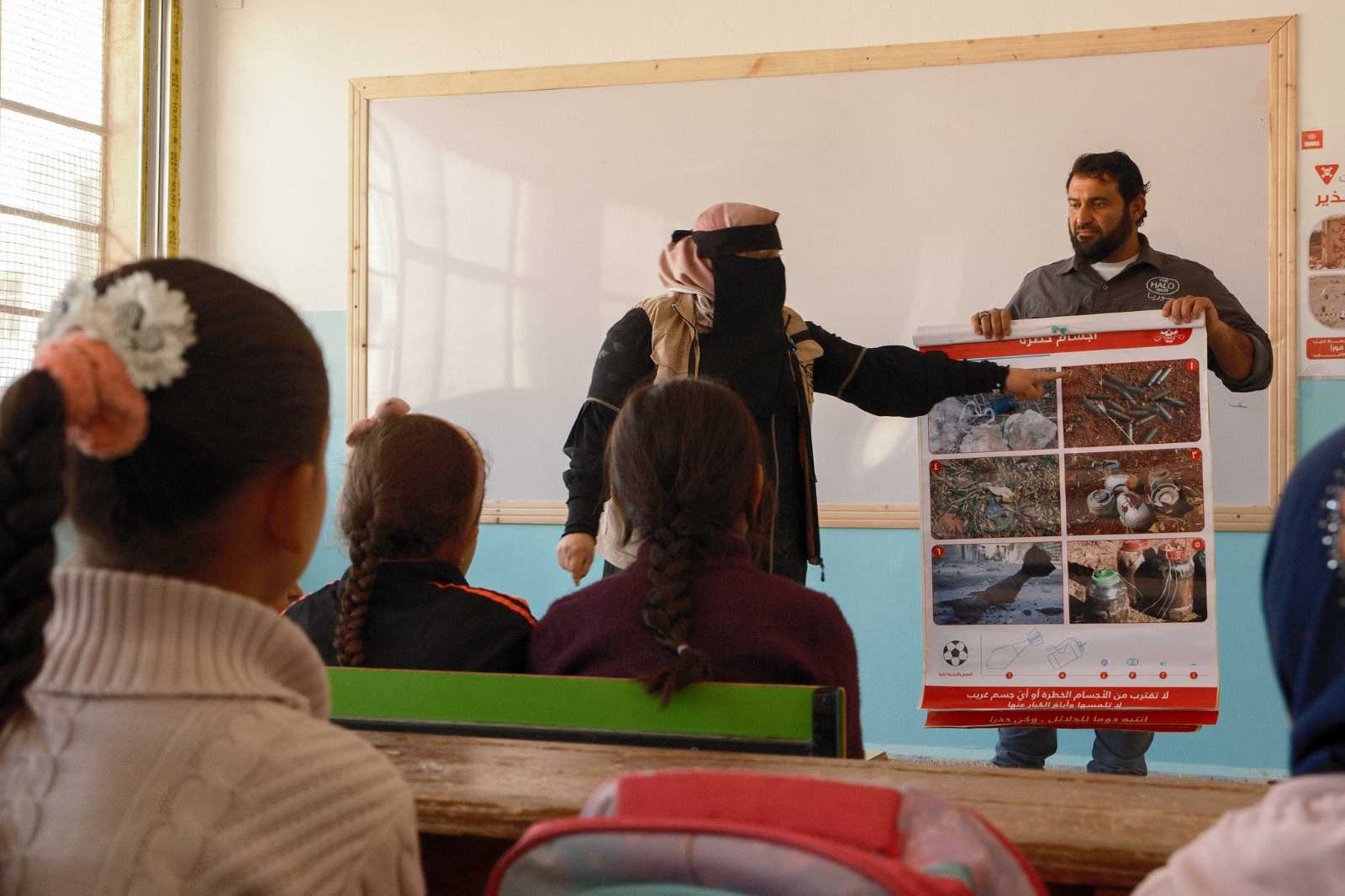
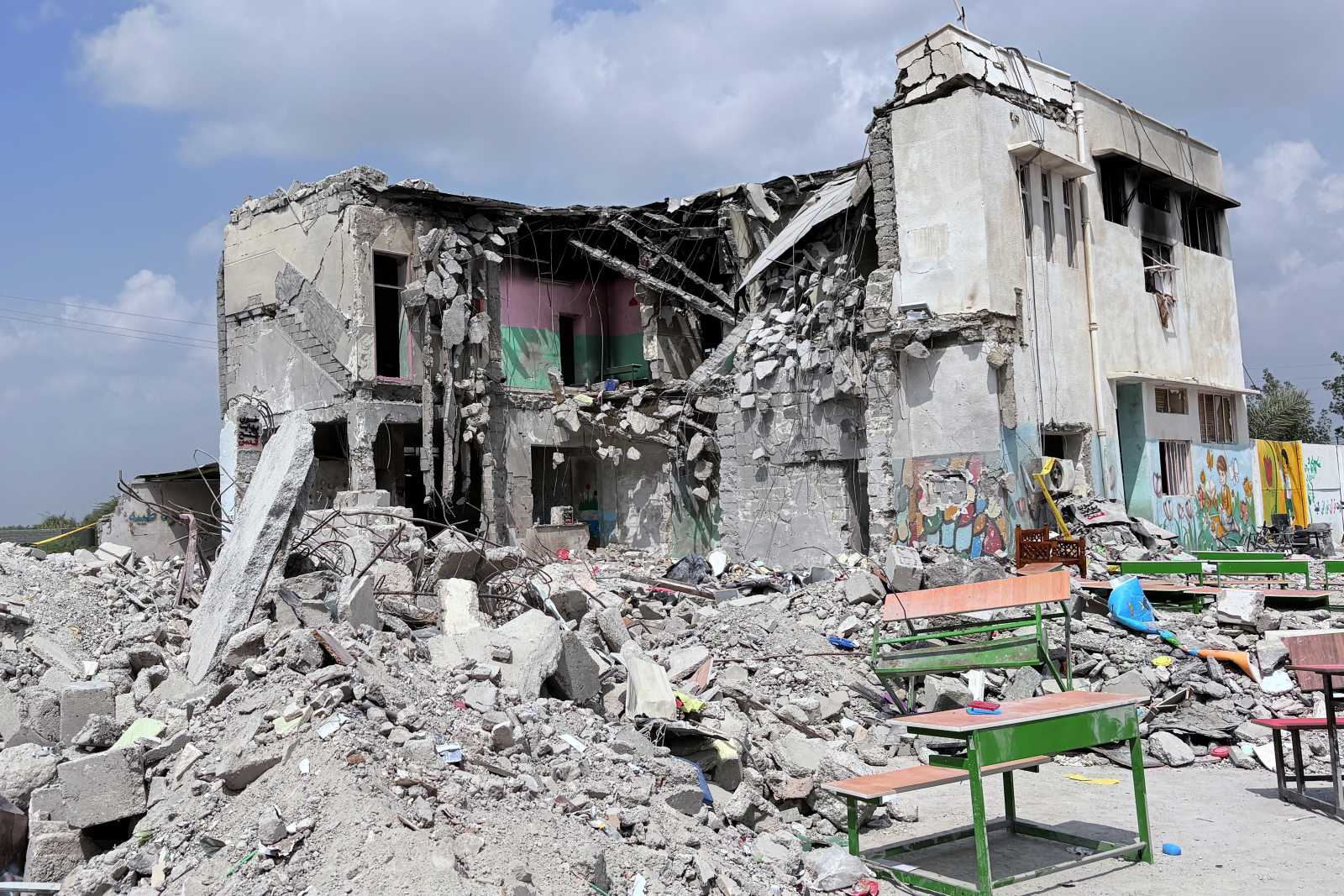
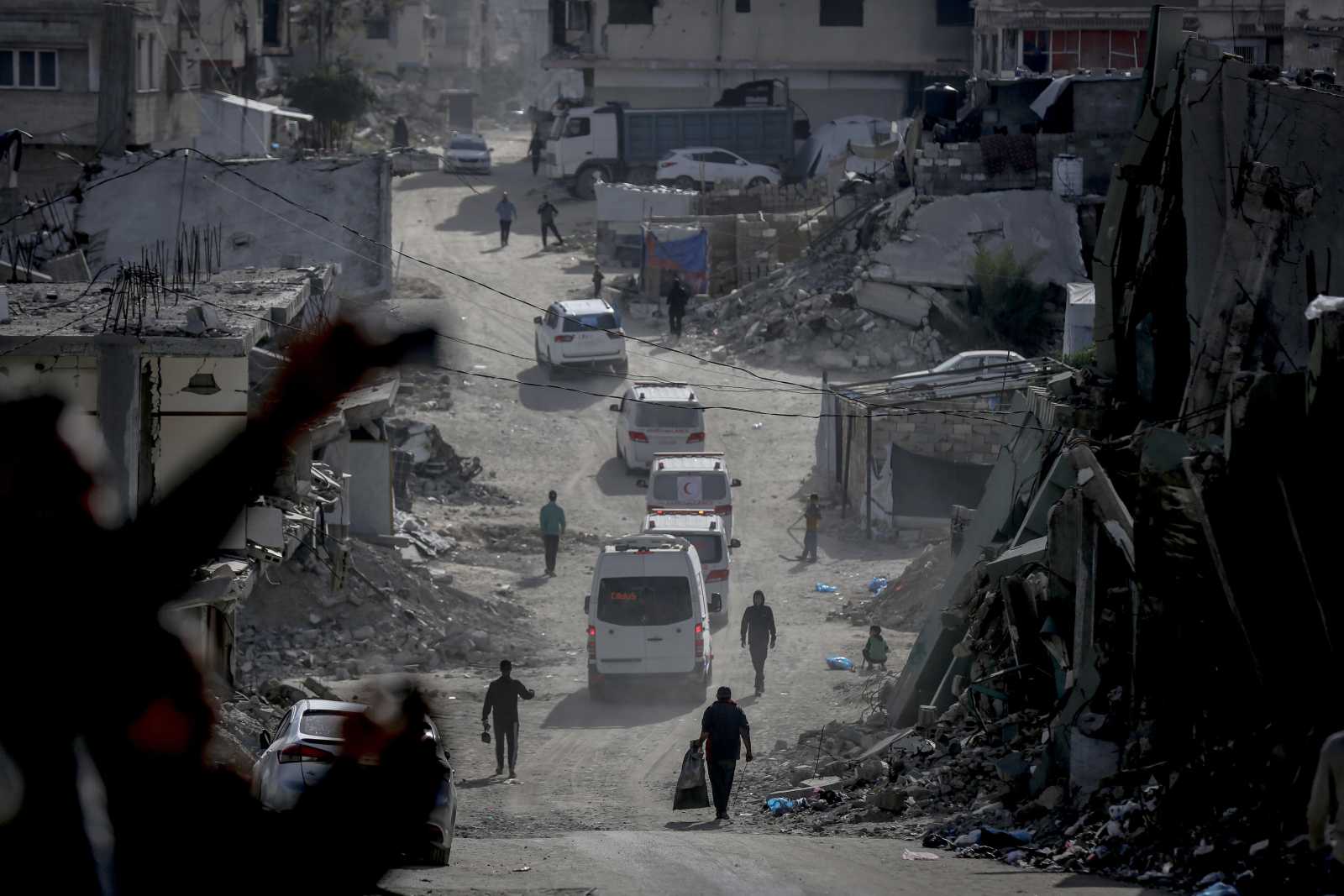
Mines pose a major obstacle to development in at least 57 countries: they render large swathes of land unusable by hampering agriculture and preventing the construction of roads, schools and power lines. This makes it more difficult for millions of refugees to return home, stress international organisations such as the ICBL and the United Nations Mine Action Service (UNMAS).
Warning about increased use of mines
The rising numbers of casualties coincide with a period of political erosion. Several European states – among them Poland, Estonia, Latvia, Lithuania and Finland – have withdrawn from the Ottawa Treaty. Concluded in 1997, it bans the use, production and transfer of anti-personnel mines. Against the backdrop of Russia’s war of aggression against Ukraine, these countries once again see mines as a vital defensive weapon.
Russia, which did not sign up to the Ottawa Treaty, is extensively deploying anti-personnel mines in its war against Ukraine, claims the Landmine Monitor. The report offers evidence that Ukraine, though formally bound by the Treaty, is also using anti-personnel and anti-tank mines in the war against Russia. The Landmine Monitor warns that the renewed and increasing deployment of mines is putting pressure on a central tenet of international humanitarian law – with direct consequences for civilians, even those not in current war zones.
Less money, more risk
Despite growing urgency and landmine contamination, international mine clearance operations continue to be funded largely by a small group of official donors. In 2024, the five leading donors combined – the United States (26 %), Germany (13 %), the European Union (9 %), Norway (8 %) and Switzerland (6 %) – accounted for nearly two thirds of international donor funding.
The contribution of the US – traditionally the largest single donor – had already been slashed by more than a third year-on-year in 2024. And last year’s abrupt withdrawal of US foreign aid also hit funding of mine clearance programmes. Some operations were temporarily suspended. Though funding for a number of these programmes was subsequently reapproved, aid from the US faces an uncertain future.
Germany’s support for humanitarian clearance of mines and explosive ordnance is paid for out of the Federal Foreign Office’s budget for humanitarian assistance. In 2025, however, this budget was cut by more than half compared to 2024. This is not good news for mine clearance projects, which rely on being able to plan with certainty several years ahead – for example, in countries like Syria where explosive remnants are hindering reconstruction and the return home of millions of people (see previous text).
Kim Berg is an editor at the communications agency Fazit and specialises in political communication. She visited The HALO Trust during a trip to Syria in November 2025.
kim.berg@fazit.de