Drug trafficking
Fishermen pay the price for South Africa’s drug crackdown


Vjil de Mere has always drawn his family’s livelihood from the Atlantic waters off Cape Town. But now something has changed. The weather is no longer the only hazard fishermen must watch for. Now there is something more sinister: the grinding noise of South Africa’s naval patrol boats and the roar of military helicopters sweeping low over the ocean.
“We are squeezed between two dangers,” says de Mere. The 55-year-old, whose face is marked by years of hauling fishing nets and, more recently, a growing sense of fear, is referring to drug dealers on the one hand and the police on the other. “The ocean used to be our life. Now, it’s deadly,” says de Mere.
For generations, thousands of small-scale fishermen along South Africa’s Cape coastline have relied on the sea for their livelihood. Many come from the historically marginalised “Coloured” communities of the Cape Flats, working-class neighbourhoods created through apartheid-era forced removals, where jobs and opportunities remain scarce. “Our trawlers have always been our source of pride,” says de Mere. “It’s hard labour, but an honest income.”
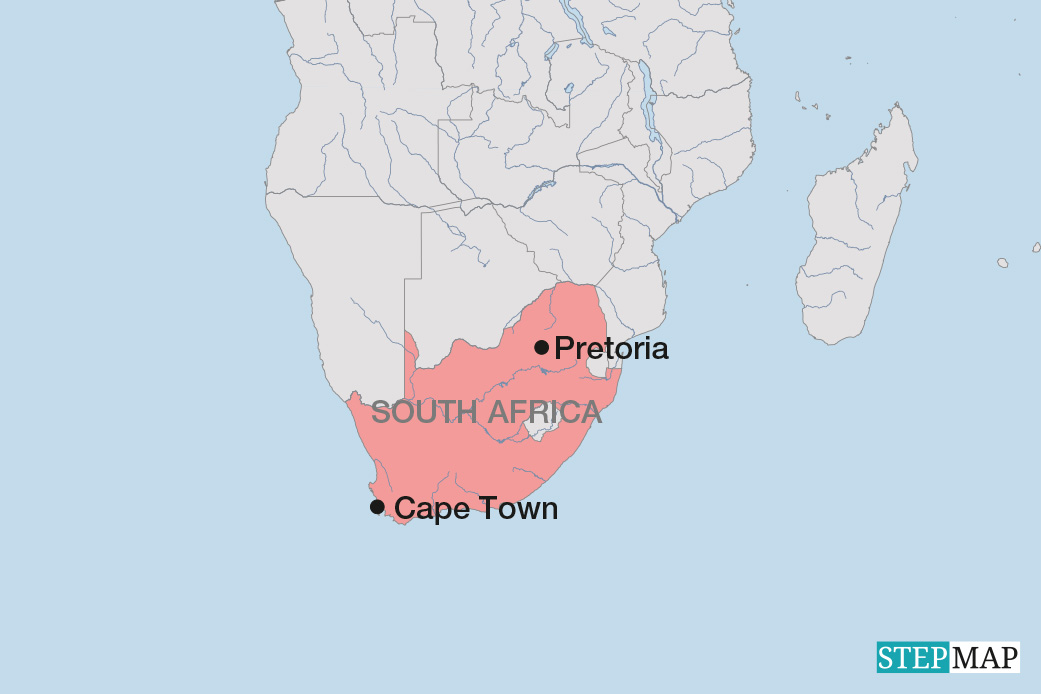
However, the waters off Cape Town have recently appeared to attract people who don’t earn their living quite so honestly: drug smugglers. Police and analysts say that the routes of the global cocaine trade are changing. As traditional trafficking routes through parts of Europe and Western Asia face tighter surveillance, criminal networks are increasingly turning to alternative maritime corridors. “The old routes are heavily policed and monitored,” says General Thembisile Patekile, who was head of police in South Africa’s Western Cape province before he retired in June. “Traffickers are looking for other options.”
Fishermen are being fished by police
South Africa’s coastline stretches for nearly 3000 kilometres and remains difficult to monitor fully, says Tapuwa Nhachi, an analyst at the Institute of Law, Democracy and Development. “This is a boon for Latin American cartels,” he says. “They can exploit long stretches of coastline and work with local criminal networks to move narcotics through Southern Africa.”
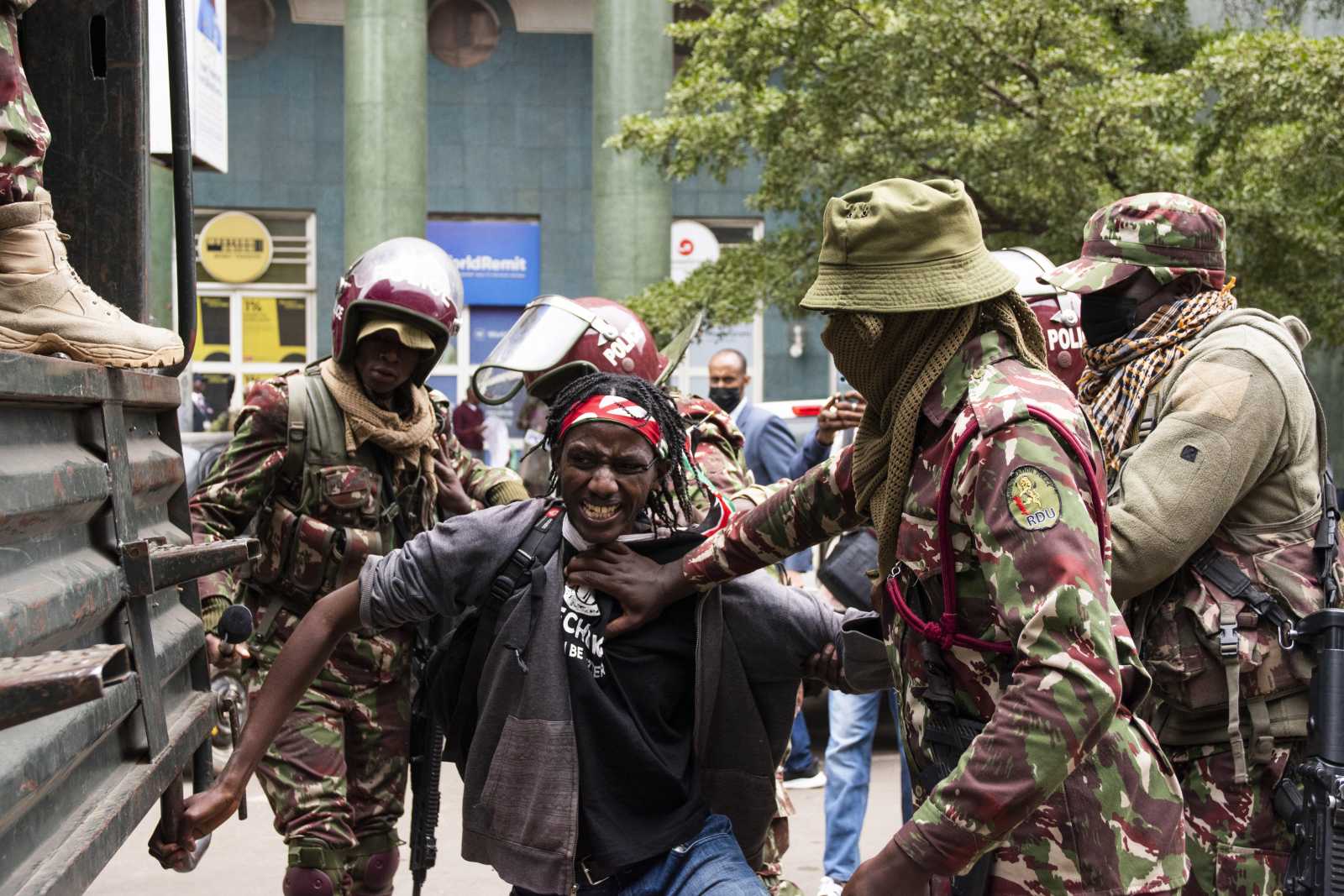
According to Nhachi, growing concerns about trafficking have prompted an aggressive response from South Africa’s security forces. For fishermen like de Mere, that response has become impossible to ignore. “It’s ugly now,” he says quietly. Fishermen, he claims, are increasingly suspected of transporting drugs under the cover of fishing activities. “We go to the ocean daily to catch fish. We are being fished by police instead.”
Juls Hens, a fishermen’s association leader in South Africa who uses a different name for safety reasons, says some fishermen have been detained, questioned or discouraged from entering certain fishing grounds. “I’m sitting at home now, with no income, hungry,” he says, claiming that the police recently raided his home after accusing him of being involved in drug trafficking. “If I risk going to sea, I face arrest and a lengthy jail term,” he says. Hens estimates that dozens of fishermen in Cape Flats communities now avoid going to sea because they fear being associated with narcotics traffickers.
Back in the Cape Flats, the consequences are felt far beyond the shoreline. Fishing has long provided one of the few reliable incomes in communities already struggling with poverty, unemployment and high levels of crime. “What if hungry fishermen, banned from lucrative fishing grounds, start to dabble in illicit drugs as a desperate reaction to the loss of income?” asks South African trade unionist Irvin Jim. The consequences could be far-reaching, he says.
Winile Ximba is a freelance journalist in South Africa, mainly covering climate change and the energy transition in Africa.
winileximba2023@gmail.com