Gender studies
Evolving masculinities


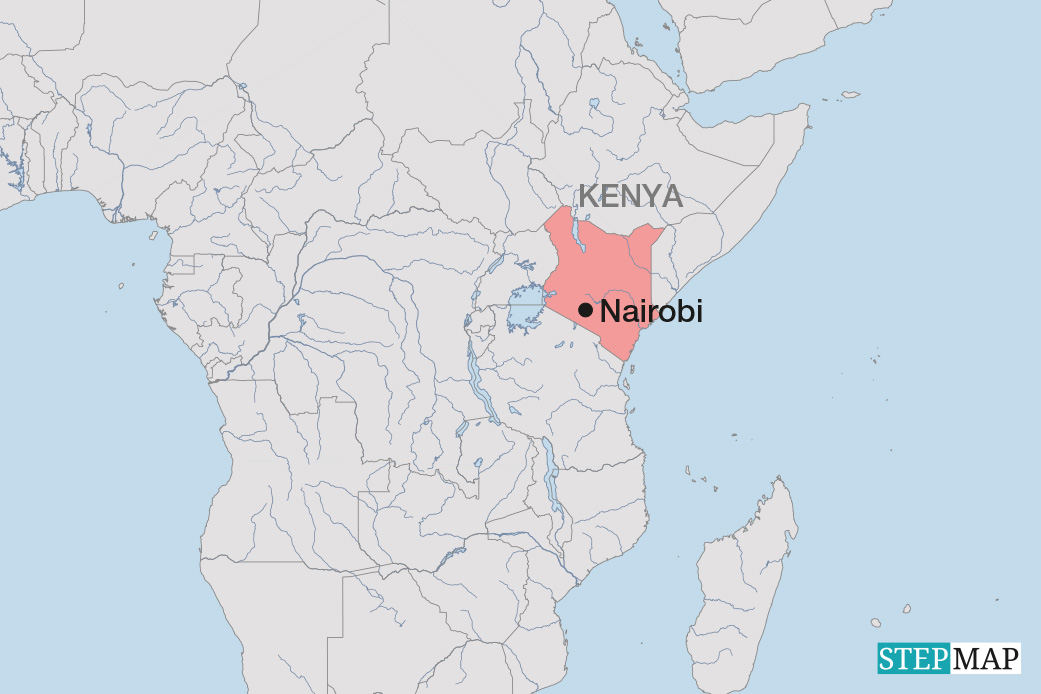
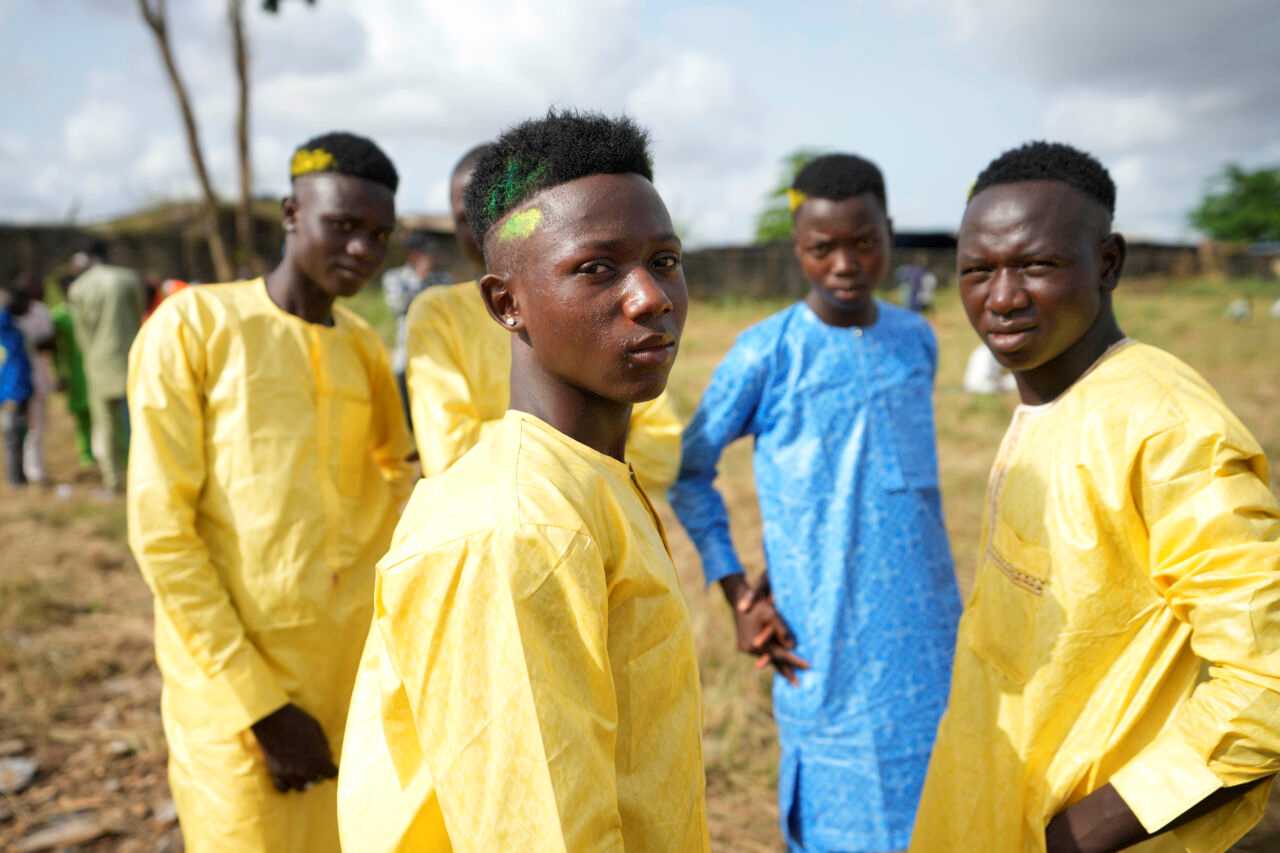
Masculinity in Kenya has undergone subtle shifts. Traditional views of masculinity as involving dominance, conquest and violence are gradually being replaced by new identities that see masculinity as tender, flexible and adaptable. These changes are influenced by shifting societal norms, economic pressures and a younger generation’s desire for self-expression.
This gradual shift in masculinity can be traced to affirmative action policies introduced in Kenya from the 1990s to the 2000s, which challenged traditional male dominance and the associated expectations of men by improving women’s access to opportunities, education and decision-making positions. These policies played a key role in exposing the violent and oppressive aspects of patriarchy and the way in which misogyny often supports and sustains rigid traditional masculine norms. It is through this vital exposure of patriarchy’s oppression that feminist activism and male engagement in promoting gender equality have increased in Kenya.
Socio-economic changes and global influences
However, recent social and economic changes, along with global influences, have both challenged and reinforced the evolving ideas of masculinity in Kenya. Agriculture is the backbone of Kenya’s economy, and men have traditionally held roles such as the family’s breadwinner. Providing food in Kenya has been used as a source of power, helping men acquire and maintain authority. This is changing, however. A struggling agricultural sector and economic uncertainty, characterised by high unemployment, have significantly affected Kenyan men’s ability to be the primary providers at home. This has often led to feelings of inadequacy and is contributing to a crisis of masculinity where men disqualify themselves as “real men” in the traditional sense of the word.
This seemingly economic emasculation of the Kenyan man at home leads to a second point. Urbanisation is making it more difficult for Kenyan men to provide for their families. Families have moved to towns where there are no large farms for agriculture. This has pushed both men and women into work in order to support the household, blurring the lines of who should provide.
Thirdly, there has been an increase in the educational and economic empowerment of women, which has equipped them with the right knowledge to confront existing patriarchal systems. However, this should not mask the fact that traditional masculine ideals still exist, often perpetuated by strong patriarchal structures, cultural practices such as dowry payments and political discussions that lament the emasculation of men. Such narratives concern the plight of male children in particular: this is often reflected in political and social discourse, where the supposed disappearance of boys is decried. It is claimed that positive discrimination disadvantages boys in education and the labour market, threatening their future role as providers and undermining the traditional patriarchal family structure.

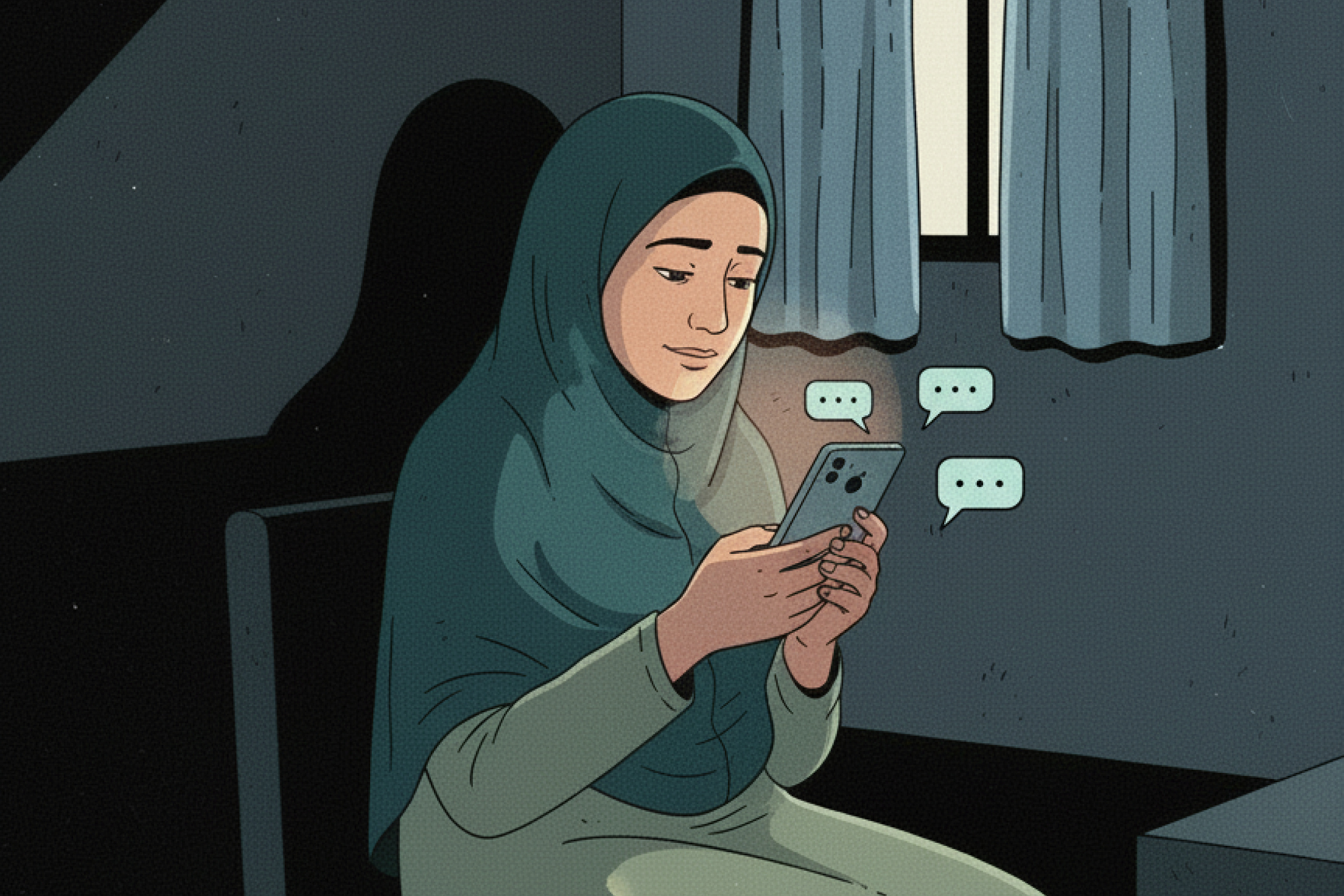
Fourthly, global influences, especially through digital media, expose men to different forms of masculinity and promote more flexible identities. That said, these influences can also reinforce harmful hypermasculine ideals.
Indeed, societal expectations for men to be the main providers remain strong, causing anxiety when they are unable to fulfil this role. In response to threats to their status, some men adopt hypermasculine behaviour – such as aggression or substance abuse – in a bid to reclaim their dominance. Additionally, existing ideas about sexual identities continue to link masculinity with sexual conquest. This combination of challenges and traditional norms creates a dynamic and sometimes conflicting environment for Kenyan men. It emphasises the tension between evolving social realities and persistent traditional expectations.
Masculinities and women’s empowerment
The shifts in Kenyan masculinities significantly affect ongoing efforts to promote gender equality and empower women. These effects can be both helpful and limiting, creating a complex landscape for social change.
One key enabling factor is the rise of male allies in the fight for gender equality in Kenya. Some Kenyan men have recognised the limitations of traditional masculine ideals, especially the pressure of being the sole provider, and they are willing to share responsibilities at home and in relationships. This leads to increased male involvement in childcare and domestic tasks, fostering more equitable partnerships.

These evolving Kenyan masculinities have challenged the rigid gender stereotypes that have historically confined women to specific roles. When men challenge traditional norms of dominance, women have a chance to assume leadership roles, express their agency and engage more fully in public life without facing as much resistance from men. Again, when men acknowledge that traditional masculinity can harm their own wellbeing, contributing to stress, isolation and mental health issues, they can build empathy and gain a better understanding of the challenges women face. This shared recognition of systemic pressures has motivated collective action to dismantle oppressive gender norms for everyone.
Constraining effects: Resistance and reinforcement of inequality
On the other hand, the evolution of masculinities in Kenya has also presented significant obstacles to gender equality and women’s empowerment. Some men see the challenge to traditional roles as a loss of power and status, which leads to resistance and backlash against women’s progress in Kenya. Regrettably, this has led to increased instances of gender-based violence, as some men have resorted to aggression to reclaim their perceived authority. Additionally, the “crisis of masculinity” faced by those unable to fulfil traditional provider roles has a tendency, ironically, to strengthen misogynistic beliefs, as men may blame women for their economic hardships or societal changes. This entrenches patriarchal views, with perceived threats to male identity leading to greater insistence on maintaining traditional hierarchies. While some global influences promote more fluid masculinities, others spread forms of “toxic masculinity” as a counter-trend that emphasise sexual dominance, aggression and the objectification of women.
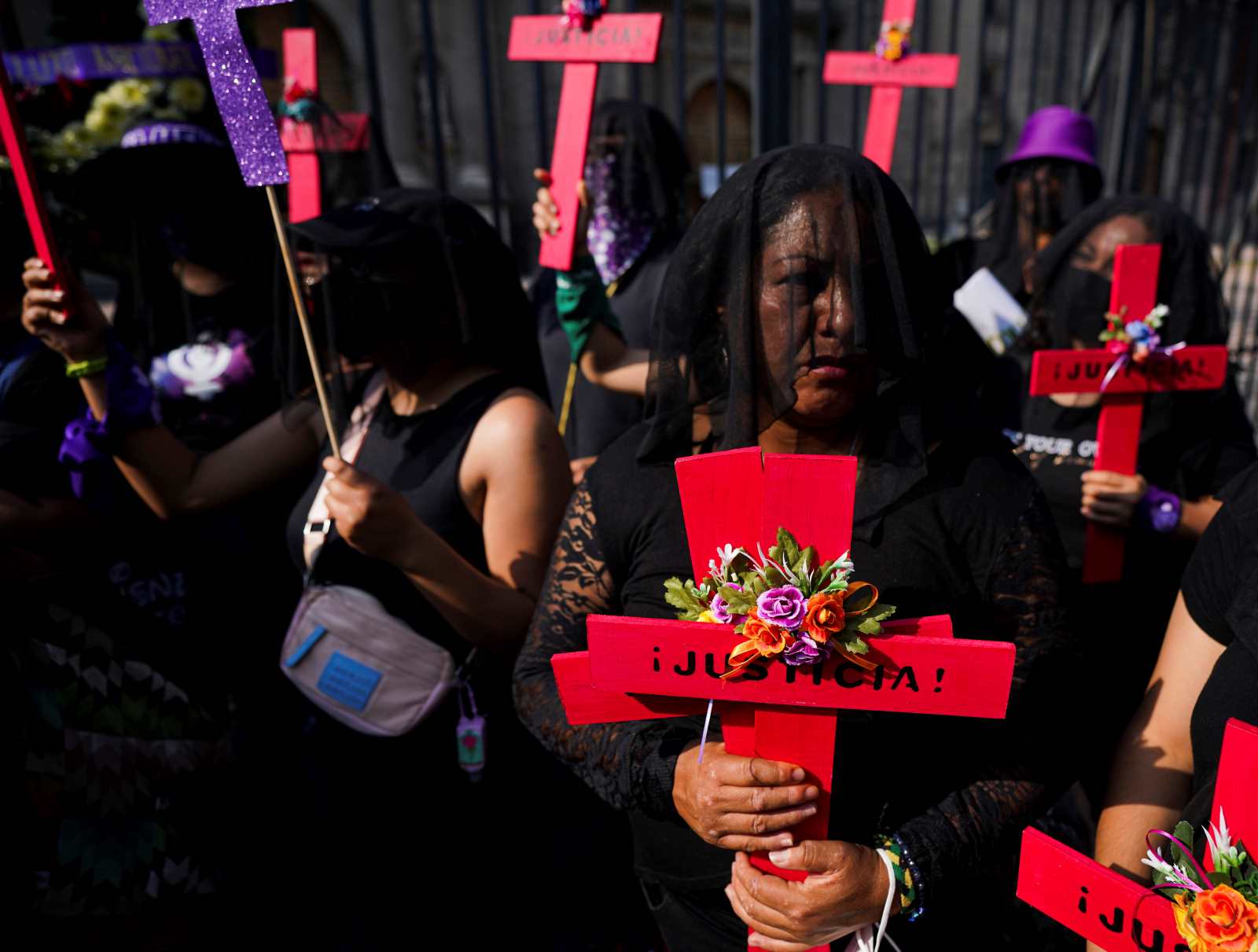
Ultimately, the influence that changing masculinities have on gender equality and women’s empowerment in Kenya varies. We find ourselves at a critical moment, where opportunities for positive change coexist with the risk of deep-rooted resistance, underscoring the importance of understanding these dynamics for effective interventions. Promoting positive and equitable masculinities in Kenya requires not only male roles to be redefined but also the entire gender framework to be fundamentally transformed for the benefit of all.
The observed challenges and shifts point to several effective and essential pathways along this transformative journey.
- Gender-transformative education and awareness programmes are crucial and must start in early childhood. These initiatives must actively challenge harmful gender norms and stereotypes by engaging both boys and girls in thoughtful discussions about traditional gender roles. Such programmes should be part of formal education and extend to community dialogues. They can use platforms such as faith-based organisations and youth networks to create safe spaces for men to talk about vulnerabilities, mental health and the societal pressures of outdated masculine ideals. This includes encouraging empathy, accountability and respectful partnerships.
- It is critical to address the socio-economic roots of male disempowerment. Strategies should focus on empowering men economically by providing them with the skills and opportunities to contribute to their households and communities in various ways, moving beyond just being “provider.” When men feel economically stable and valued, they are less likely to resort to harmful coping mechanisms or resist women’s progress. Additionally, promoting shared domestic and caregiving responsibilities within families through active male participation can redefine what it means to be a “man” at home, fostering fairer relationships and easing the burden on women.
- Effective strategies should employ a multi-stakeholder and intersectional approach. This involves working with men’s groups, women’s rights organisations, community leaders and policymakers to develop comprehensive interventions that take into account the diverse experiences of men and boys across different ages, ethnicities and socio-economic backgrounds. Policy reforms, including those from affirmative action, must be carefully examined to ensure they genuinely promote gender equality without causing unintended backlash. By fostering positive role models, encouraging respectful online behaviour and consistently demonstrating the mutual benefits of gender equality for both men and women, not only Kenya can build a more just society where masculinities are defined by equity, respect and shared responsibility.
Stephen Mutie is a Cultural and Gender Studies scholar at the Department of Literature, Linguistics and Foreign Languages, Kenyatta University, Nairobi.
mutie.stephen@ku.ac.ke