UN Sustainable Development Goals
Not on track, but not lost yet, either


Before publishing each new monthly issue, our editorial staff discusses what title would best fit our focus. Sometimes we decide quickly, sometimes it takes time. For the January 2026 issue marking the tenth anniversary of the UN Sustainable Development Goals (SDGs), we had two title ideas straight away. Both were fitting, but they made opposite statements: “Aiming for a better world” and “The world is off track”.
Ten years ago, the 193 UN member states agreed to work together towards a world in which all people could live well. Since then, data has been collected, progress has been tracked, and some countries have made considerable strides. We can debate how realistic the entire project was from the outset – because, for example, there still is no clear roadmap or sufficient financing. Nevertheless, it was an important, visionary step: policymakers, civil society, educational institutions and corporations worldwide set off down the path towards greater sustainability and justice.
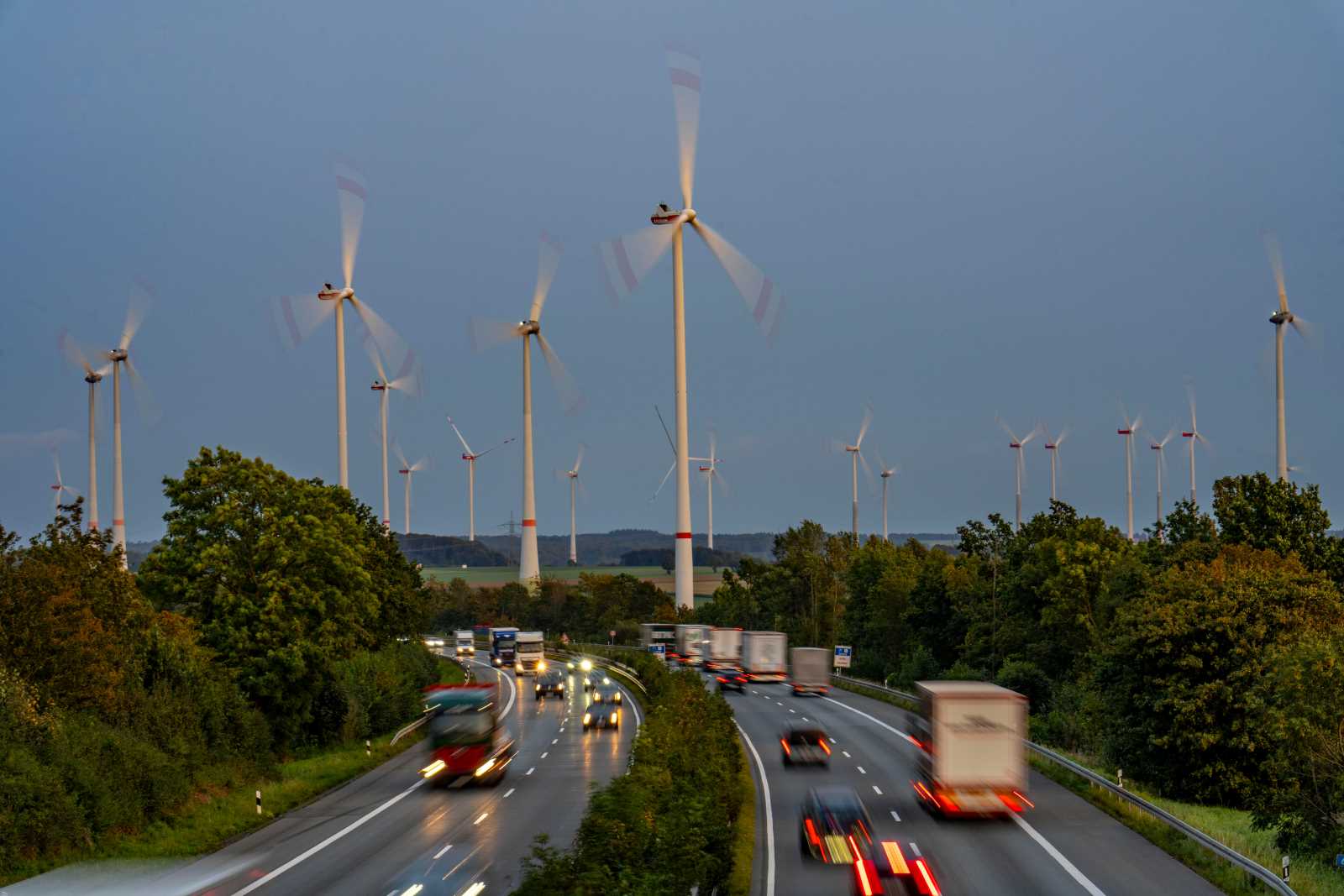
The headwinds are strong
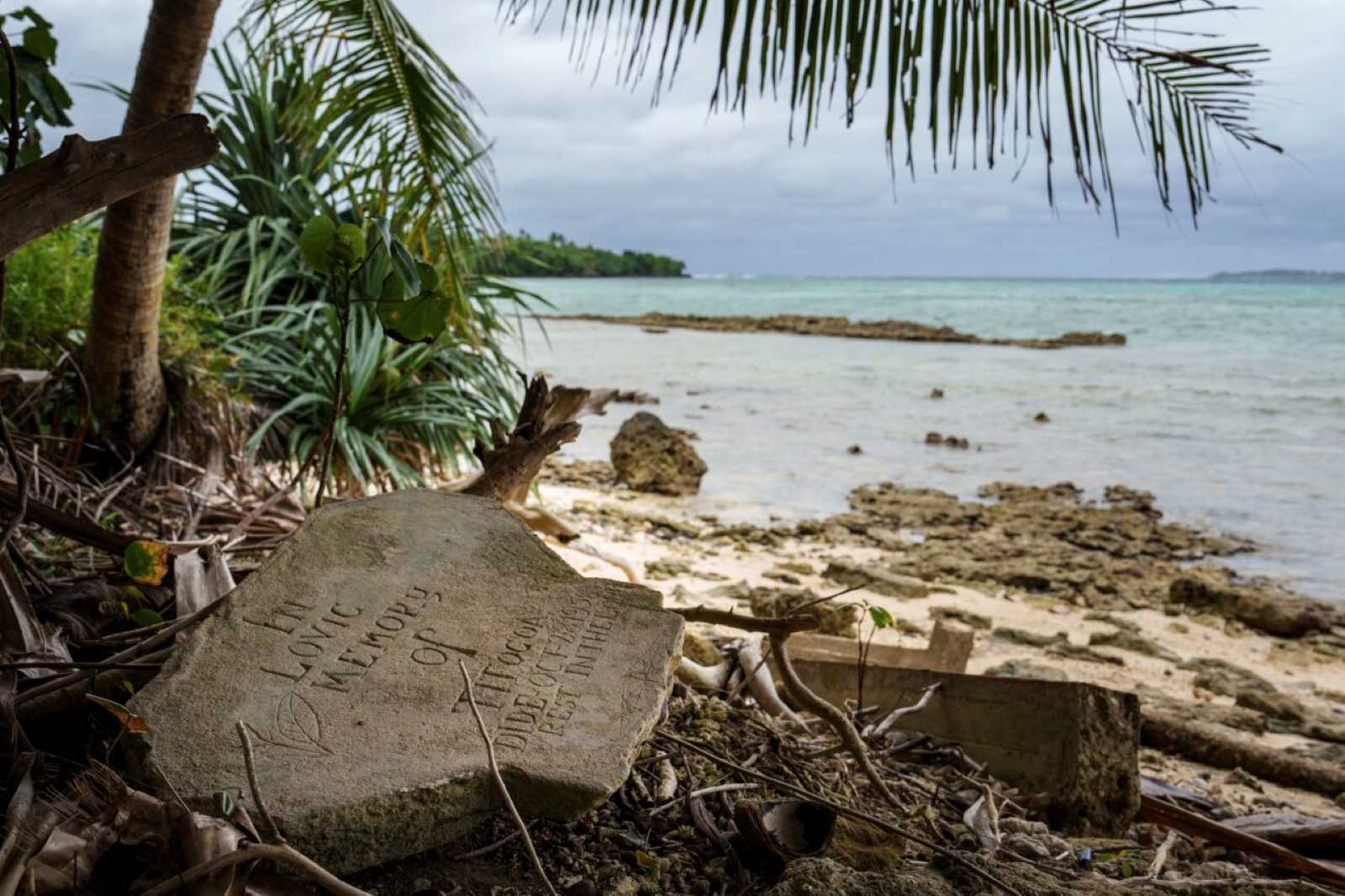
Now we know that the goals will not be reached by 2030. In 2024, almost half of the indicators showed only minimal or moderate improvement, while progress on a third had stagnated or regressed. The Covid-19 pandemic erased many gains, and cuts to development funding are stalling progress further. Mortality for children under five is rising again – until now, its steady drop had been a success story. And even progress does not automatically mean that things will soon be well: Efforts to meet many environment and climate goals may have curbed destruction, but it is still going on. Less deforestation does not mean no deforestation.
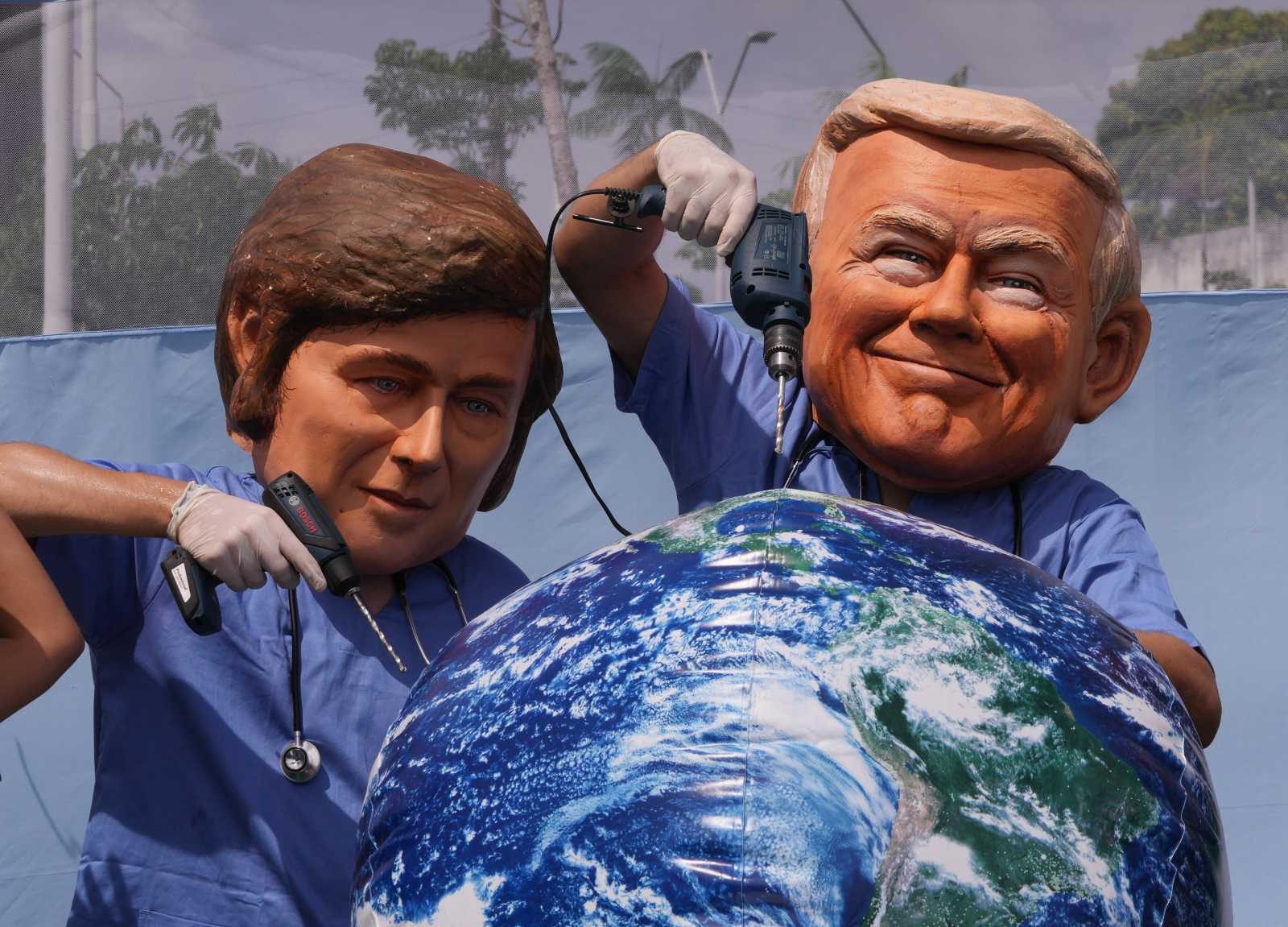
As if that weren’t sobering enough, forces are aligning around the world to attack the UN goals. Right-wing nationalist governments and fossil-fuel industry groups are torpedoing international agreements. The USA undermined a previously negotiated agreement to decarbonise shipping; at the last global climate conference, oil and gas-producing states blocked a binding roadmap to phase out fossil fuels. The opponents of a liveable future are loud and well-connected; their views are flooding the media landscape and making it more difficult to even imagine a positive future.
Don’t lose sight of the future
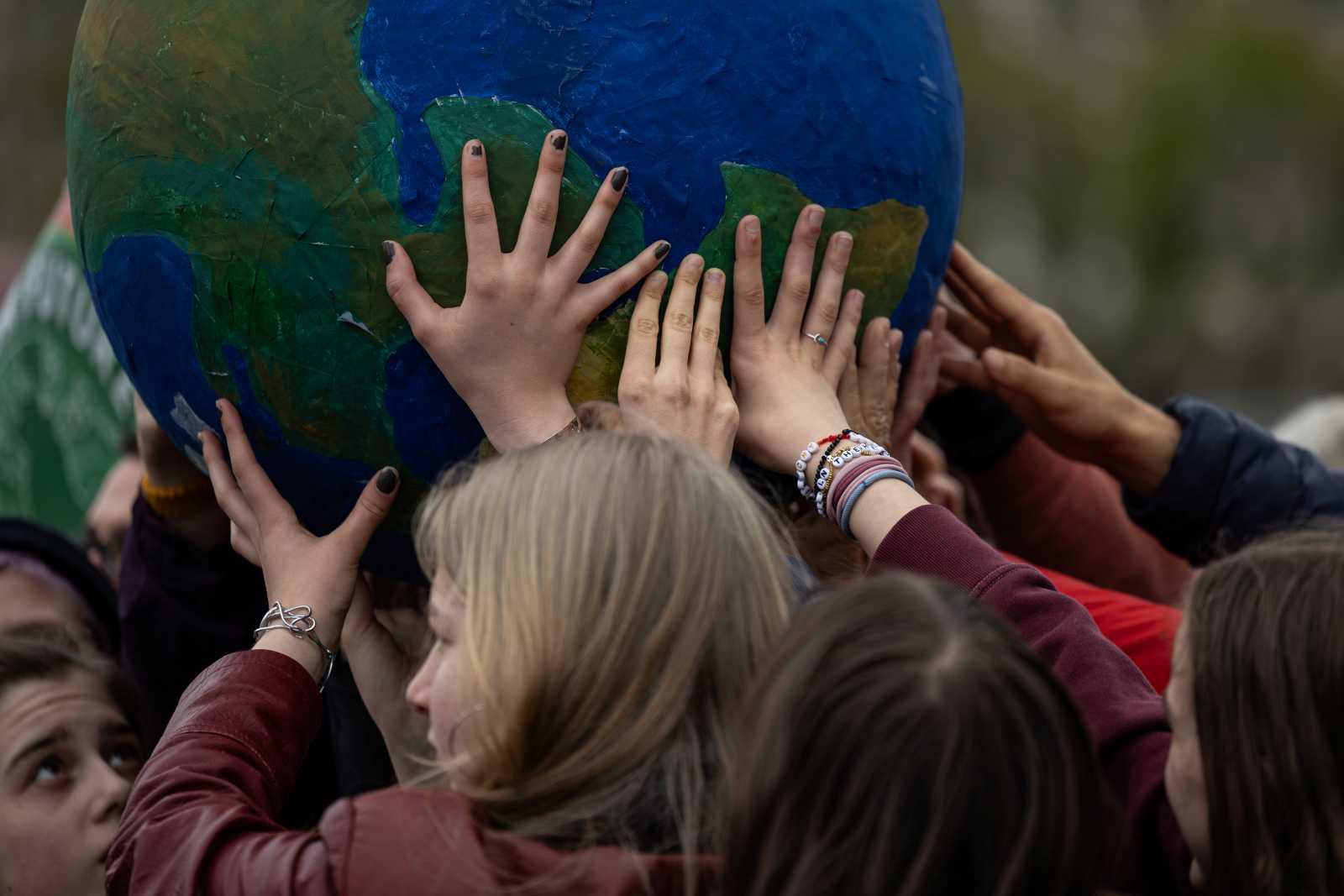
The state of the world provides few grounds for optimism. Nevertheless, even though it may sound sentimental, we chose the title “Aiming for a better world”. Precisely because of the adversity it is facing, the global community must not lose sight of this goal. So far, it has largely remained committed, and coalitions of the willing are forming worldwide to act wherever global agreement is lacking.
The majority of people are behind them: According to surveys, up to 89 % of the global population wants stronger climate protection measures – and probably also progress on most of the other SDGs. If we ignore these majorities, we will ultimately be ceding the field to those forces that want to make us believe that it is already too late.
Eva-Maria Verfürth is the editor-in-chief of D+C.
euz.editor@dandc.eu