Corruption
Protecting the people who know where the money went


The Economic and Financial Crimes Commission (EFCC) and the Independent Commission Against Corruption (ICPC) are key institutions in Nigeria in the fight against corruption. However, in order for them to carry out arrests and conduct hearings, they need information. Somewhere, someone must have known something and decided to pass on that information. The question is: who makes that decision, under what circumstances, and what happens to that person afterwards under the law?
In Nigeria, the answer to this last part is: nothing good. There is no specific law to protect whistleblowers that shields public servants from reprisals when they report cases of fraud through official channels. To date, there are only provisions in various pieces of legislation that protect individuals who report misconduct, such as the Corrupt Practices and Other Related Offences Act 2000.
A bill that would provide comprehensive protection was approved by the Federal Council in December 2022 and forwarded to the National Assembly. By mid-2026, it had not yet been passed. Over the past two decades, several versions of that draft bill on the protection of whistleblowers have been submitted to the legislature. None of them has yet become law.
Instead, there is only an administrative guideline issued by the Ministry of Finance in 2016, which guarantees whistleblowers between 2.5 and five percent of the public funds ultimately recovered. It remains unclear what happens if the institution in question takes retaliatory measures. Neither dismissal nor criminal prosecution is prohibited. Nor is there anything to prevent, for example, a senior civil servant from coordinating with the law enforcement authorities to make life difficult for a whistleblower.
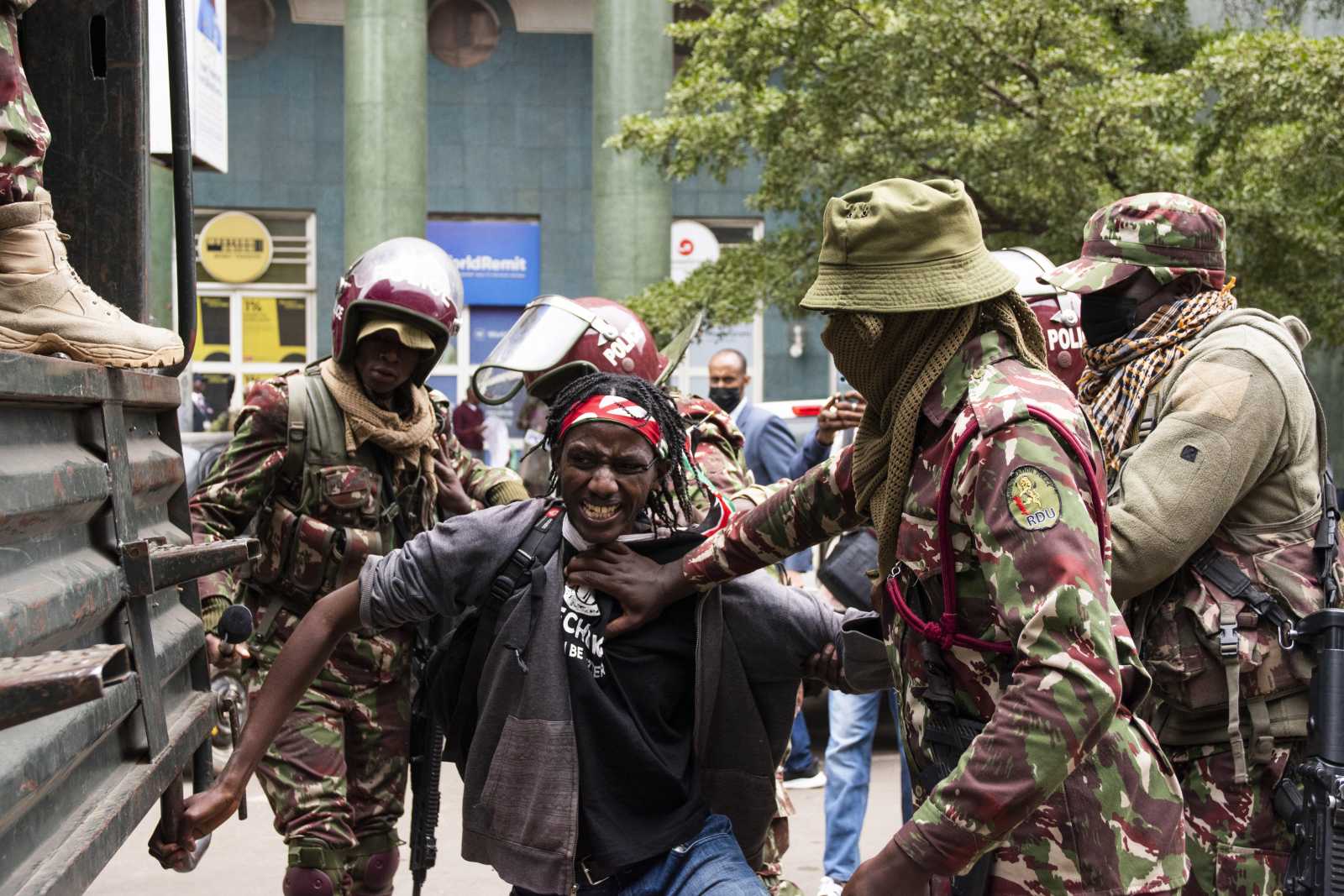
These are not hypothetical concerns. A former deputy director of Nigeria’s Joint Admissions and Matriculation Board reported financial irregularities via the official internal channel that his employer had set up for this purpose. He was dismissed. A criminal complaint was filed against him, and the police visited him at home. Three separate court cases were running at the same time. He had done exactly what anti-corruption reform frameworks are actually intended to encourage. The reaction seemed designed to ensure that no one would be tempted to follow his example.
What this means for development policy
International cooperation programmes aimed at reforming governance in Nigeria and across Africa tend to measure progress in the fight against corruption by looking at which institutions exist, what legal powers they have and what the prosecution rates are. While these are reasonable indicators, they overlook one important aspect.

An anti-corruption authority relies on the information it receives. To this end, auditors, for example, examine published annual accounts, and financial investigation units can track transaction patterns. However, what neither of these bodies can access without internal reports is specific knowledge of how the procurement fraud was organised, which officials approved overpriced contracts or where documents were altered to cover it up. This knowledge lies with the people who were present at the time of the events – such as the official in the finance department, the procurement officer who witnessed the contract being awarded to the wrong bidder or the accountant who processed the payment and wondered about the figures.
These individuals currently have a choice between two options. They can remain silent, which is legally unobjectionable and professionally sensible. Or they can report the incident, which is also lawful but – without any legal protection – leaves them exposed to any institutional reprisals available to the authority to which they have just made the report.
Development programmes that treat anti-corruption agencies as units of analysis, without examining the legal environment within the institutions that these agencies are actually supposed to oversee, merely measure the visible structure while overlooking the broader context. The EFCC’s conviction record depends in part on the amount of information it receives. This, in turn, depends in part on whether the people who possess this information feel safe enough to pass it on.
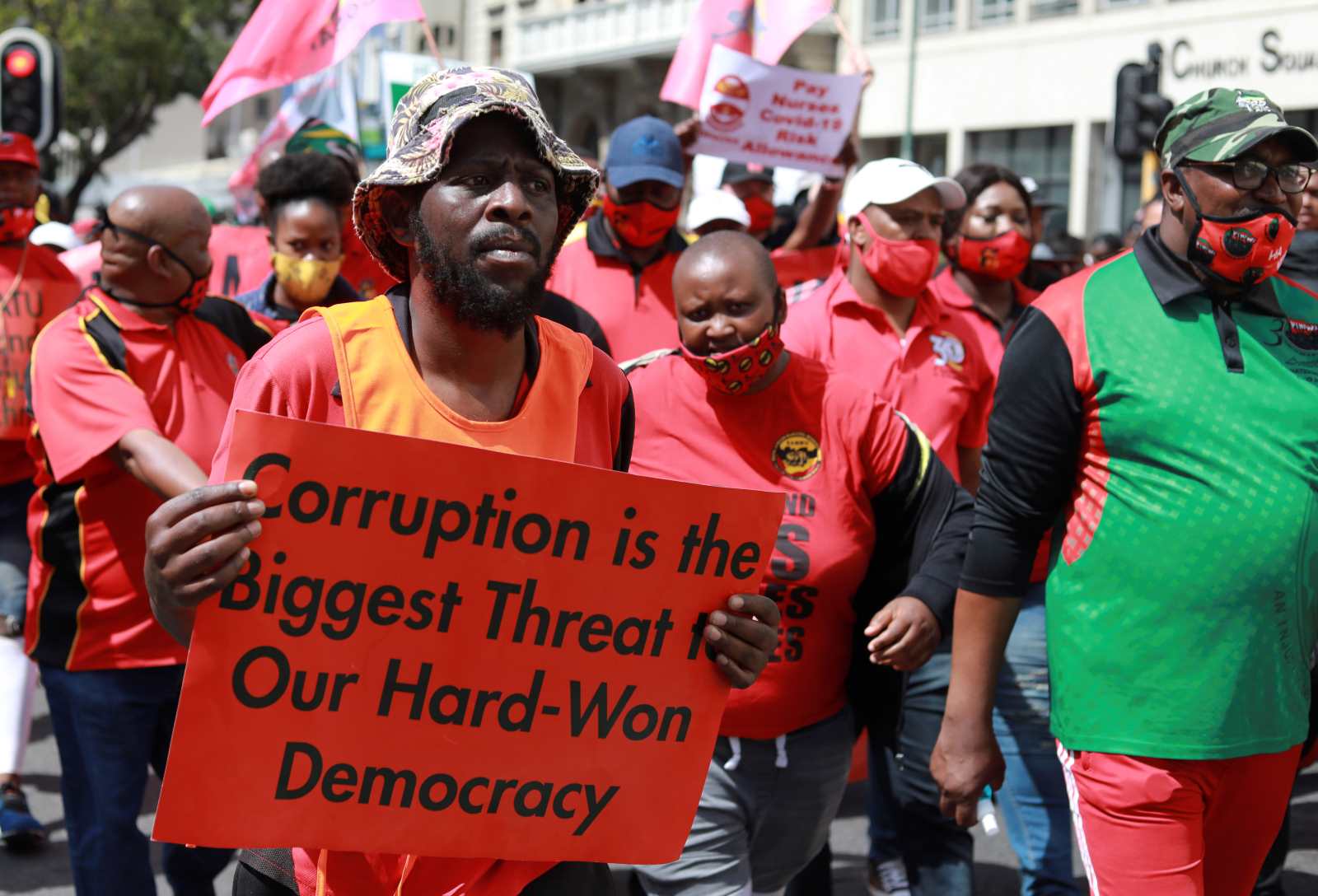
A law to protect whistleblowers in Nigeria is crucial
The draft bill on the protection of whistleblowers, which has been before the National Assembly for almost four years, is neither complex nor costly. It requires neither the establishment of a new authority nor a constitutional amendment nor significant budgetary resources. What it does need is a decision by the legislature to declare institutional reprisals against civil servants who report cases of fraud to be unlawful – with specified penalties and an independent complaints mechanism.
Nigeria ratified the African Union Convention on Preventing and Combating Corruption in 2006. Article 5 of this Convention obliges signatory states to take measures to protect persons who report corruption in good faith. This obligation has not been fulfilled in the country for 20 years.
The passing of the bill would not transform the fight against corruption overnight. Institutional cultures change only slowly, and legislative changes alone are not enough to bring about such a transformation. Rather, it would remove the clearest indicator that the legal system undermines the very accountability of insiders that it claims to support publicly.
Nigeria’s 2027 elections are drawing nearer. The country consistently ranks low on corruption indices, such as Transparency International’s “Corruption Perception Index”. The current government’s track record in the fight against corruption will also be judged by whether any lasting changes have been made to the institutional framework. A law to protect whistleblowers would be the clearest answer to this question.
Obongodu Paul Unanam is a law graduate of the University of Uyo, Nigeria, specialising in anti-corruption law and institutional governance. He writes from Akwa Ibom, Nigeria.
obomgodu@gmail.com
obongodupaulunanam.com