Waste management
How plastic pollution threatens life around Lake Tanganyika


After a heavy downpour, the view on the drive out of Bujumbura is sobering. Just 15 minutes from the city centre, along the road that leads to the border with the Democratic Republic of the Congo, traffic slows down near a small bridge. Below the bridge, the Kinyankonge River is barely visible under a dense layer of plastic bottles, bags and other waste. What accumulates here after every rainfall doesn’t stay there for long. The river flows directly into Lake Tanganyika.
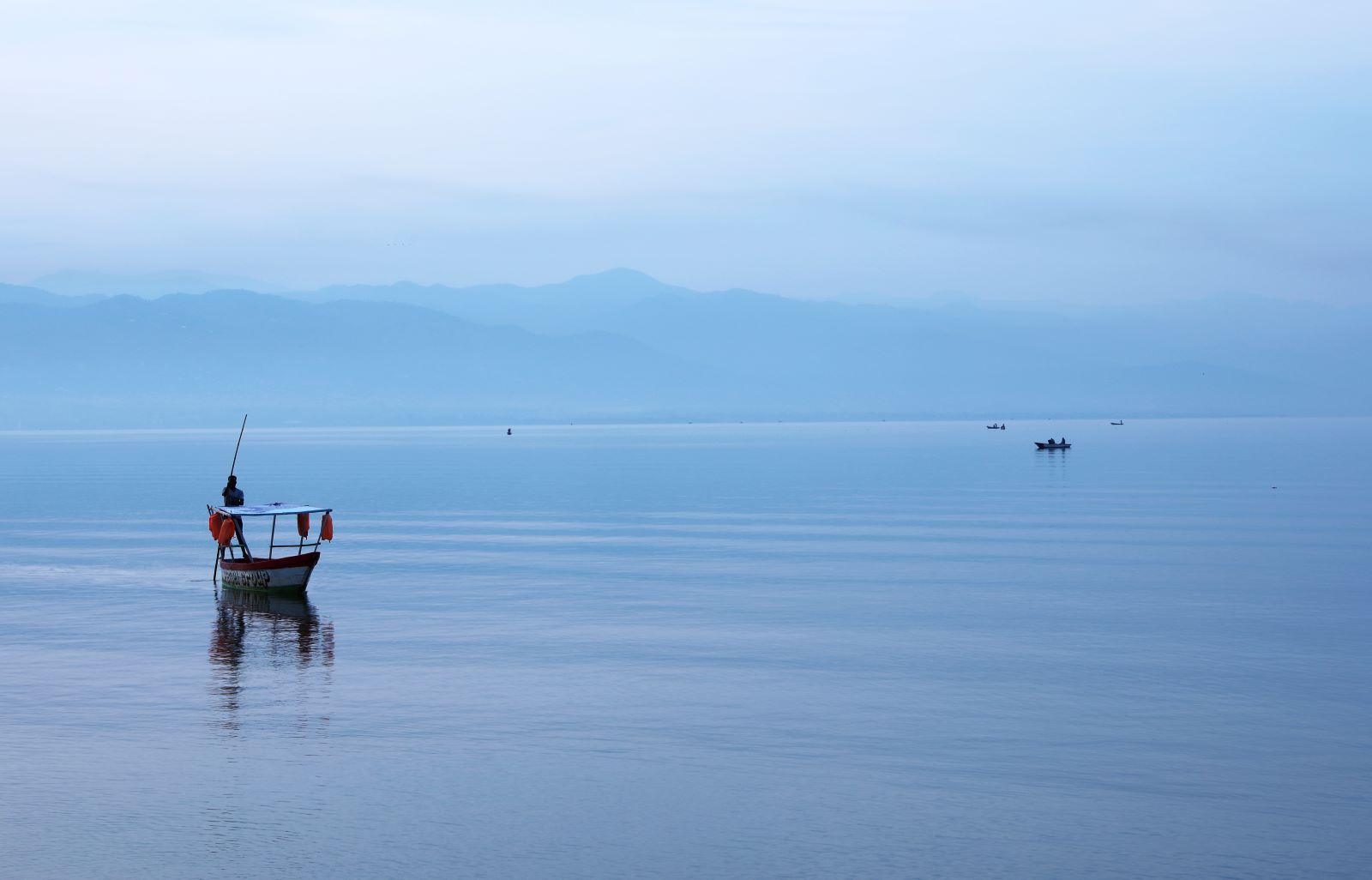
Scenes like this are common in Burundi’s economic capital. Several rivers cross Bujumbura or descend from the surrounding hills, carrying with them whatever waste has been dumped in streets, open drains and vacant plots. After storms, the waterways become transport routes for plastic, delivering it directly into one of Africa’s largest freshwater lakes.
“I really don’t understand human behaviour,” says Willy Nduwimana, a fisherman who has worked on Lake Tanganyika for six years. Standing near the shore, he points towards the water. “All this plastic ends up in the lake. Today, we hardly fish along the shoreline anymore because waste prevents fish from reproducing.” According to Willy, plastic pollution is only part of the problem. Wastewater from nearby industries and chemicals washed down from agricultural fields on the hills around Bujumbura further degrade the lake’s ecosystem and reduce daily catches.
Progress is being made, but it’s still too slow
His experience reflects a wider crisis: plastic waste alone accounts for around 51 of the 630 tons of waste that is being produced every day in Bujumbura Mairie Province. Authorities and environmental organisations agree that tackling plastic pollution requires sorting waste at household level. Separating plastic at the source, they argue, is essential to prevent non-biodegradable waste from entering waterways. Beyond environmental protection, they also see potential to turn plastic waste into a source of income.
One company attempting this is Nezerwa Investment Group. It collects solid waste from rivers, drainage channels, public spaces and parts of Lake Tanganyika itself. “Our aim is to protect the lake,” says Silas Bucumi, the company’s director. According to him, large quantities of plastic have already been removed from the lake and surrounding areas.
The work creates livelihoods as well. Nezerwa employs 30 people and relies on around 120 collectors – women, young people and men who previously had no stable income. Collected plastic is sorted and partly processed locally. For recycling, the company cooperates with another firm near Bujumbura’s official landfill, where waste is turned into paving stones. Plastic that cannot be processed on site is sold or exported.
Despite these efforts, Bucumi says progress is slow. Technical and financial support is limited, and pollution continues faster than it can be removed. Still, he believes that attitudes towards waste can change.
For Willy, the fisherman, that change cannot come soon enough. Like many others who depend on Lake Tanganyika, he hopes that cleaner water will one day allow him to fish without fear for his livelihood. Reducing plastic pollution, he says, is not just about protecting nature – it is about protecting humans in everyday life.
Mireille Kanyange is a journalist and reporter of Radio Isanganiro in Burundi.
mika.kanyange@gmail.com