Urban life
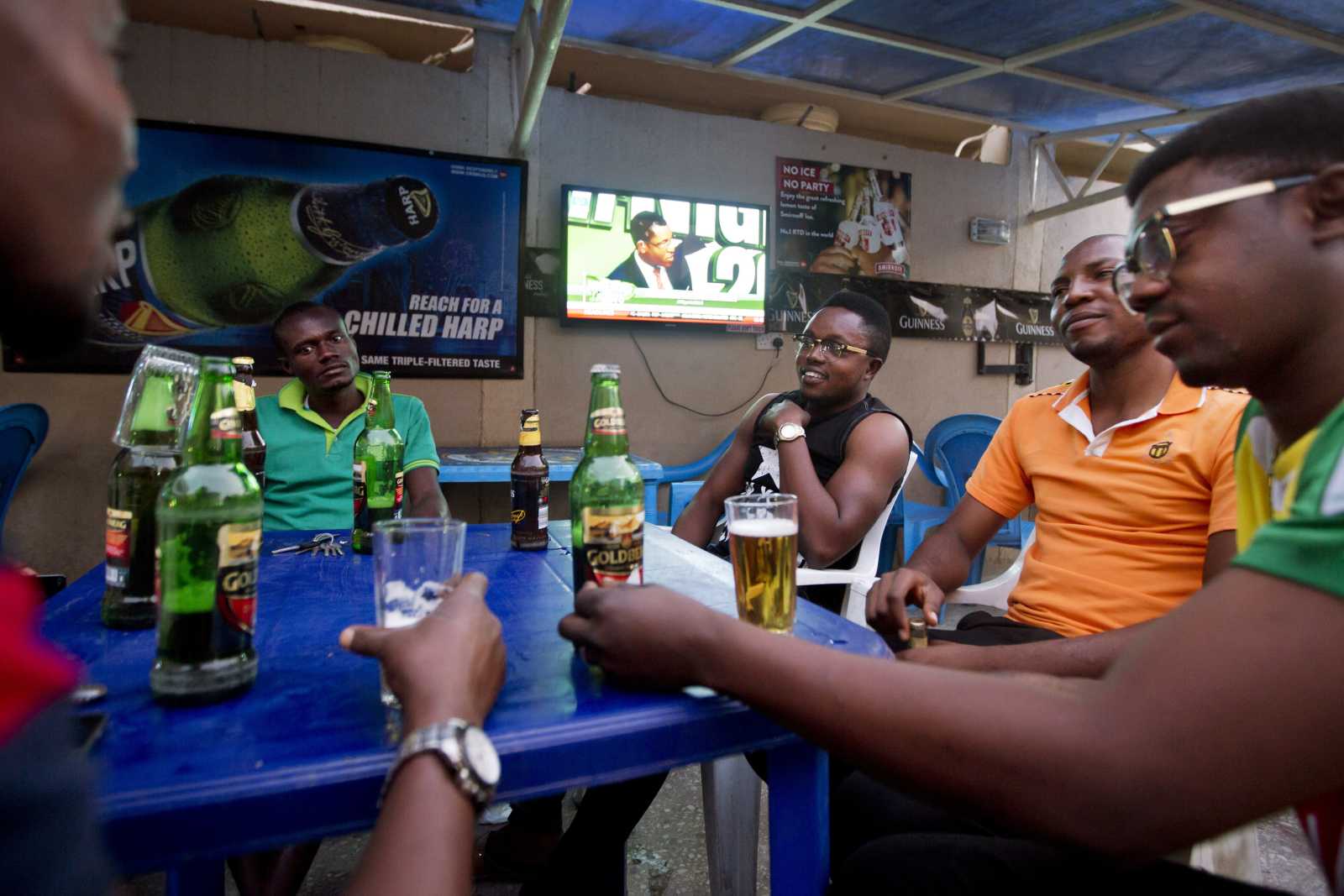
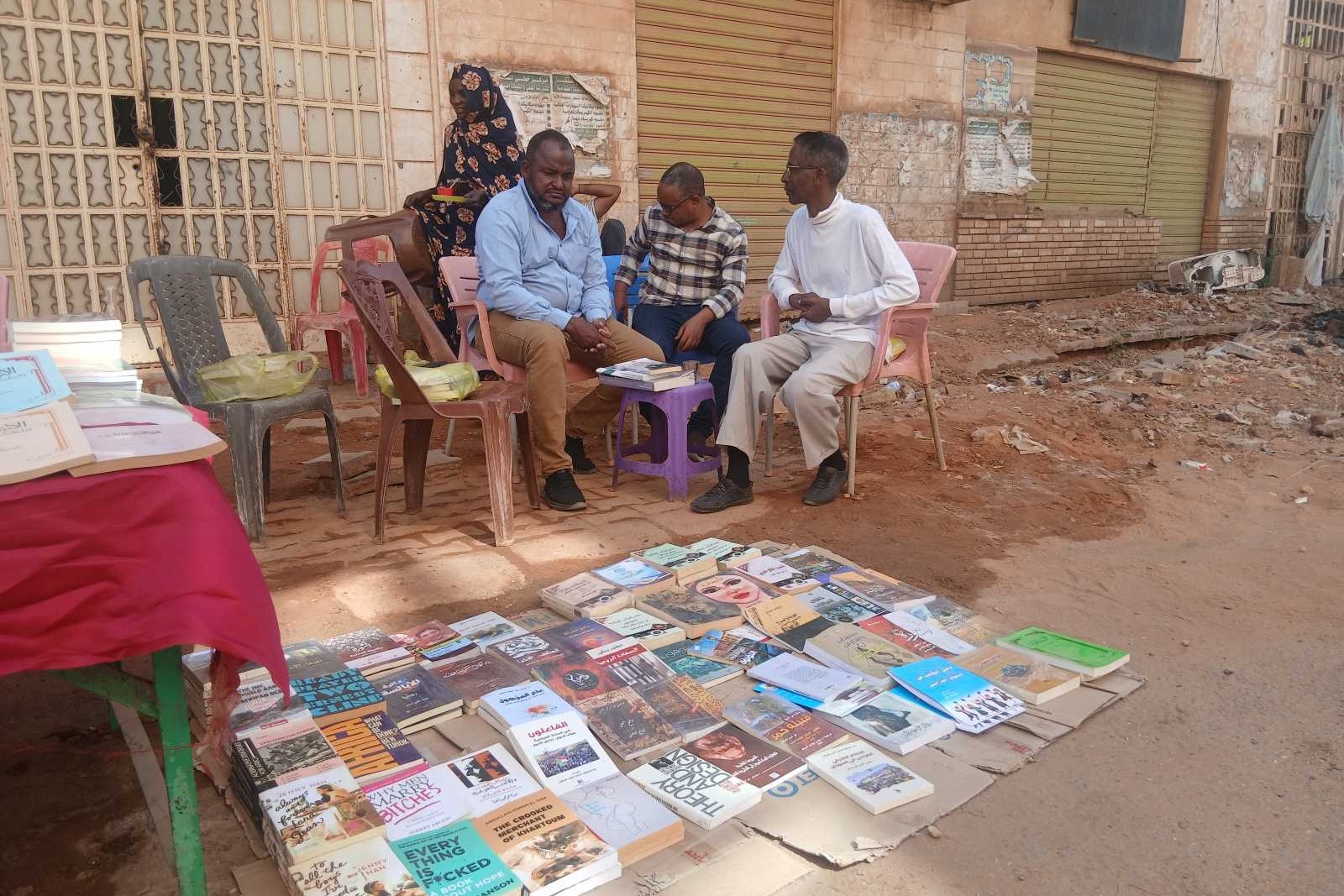
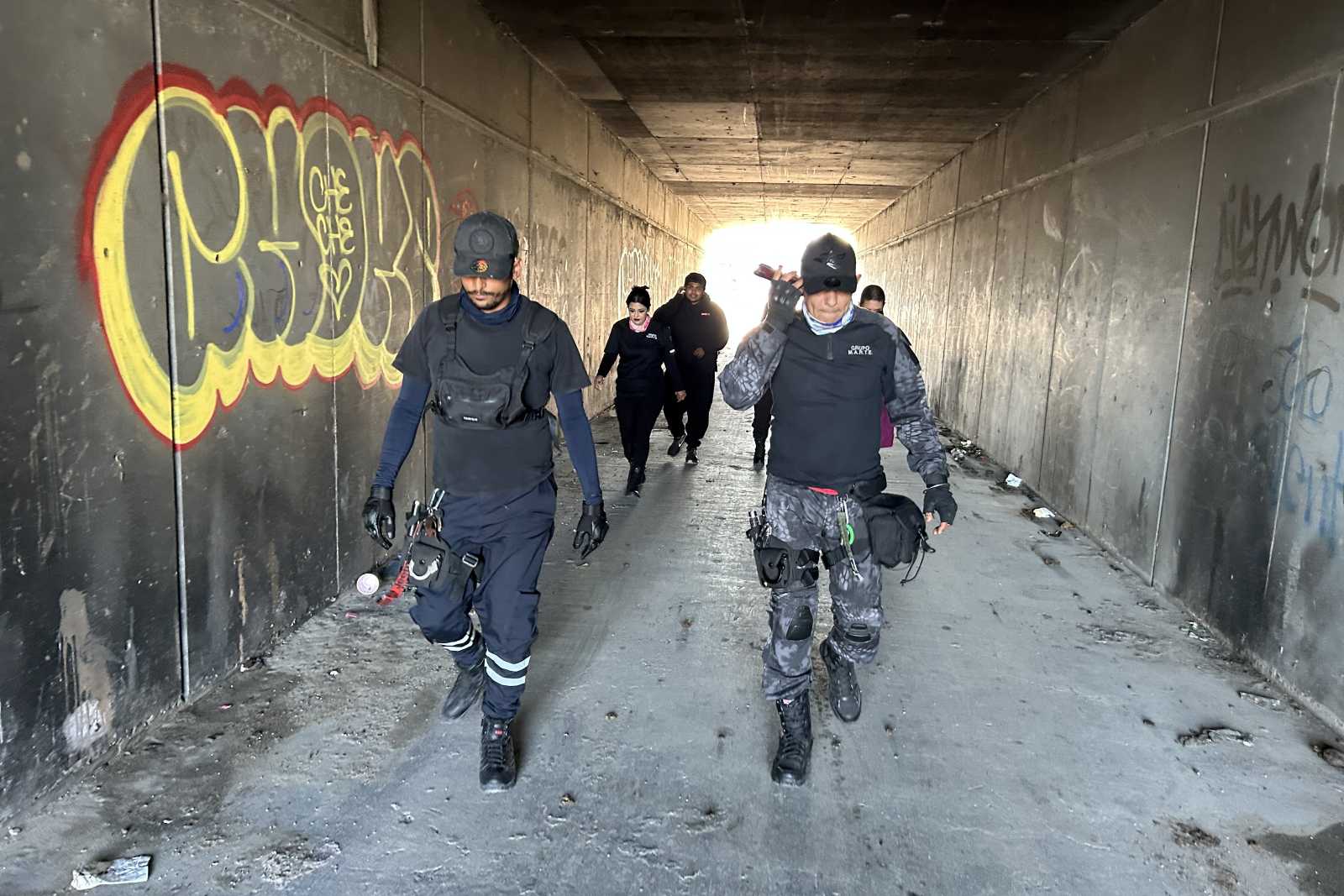
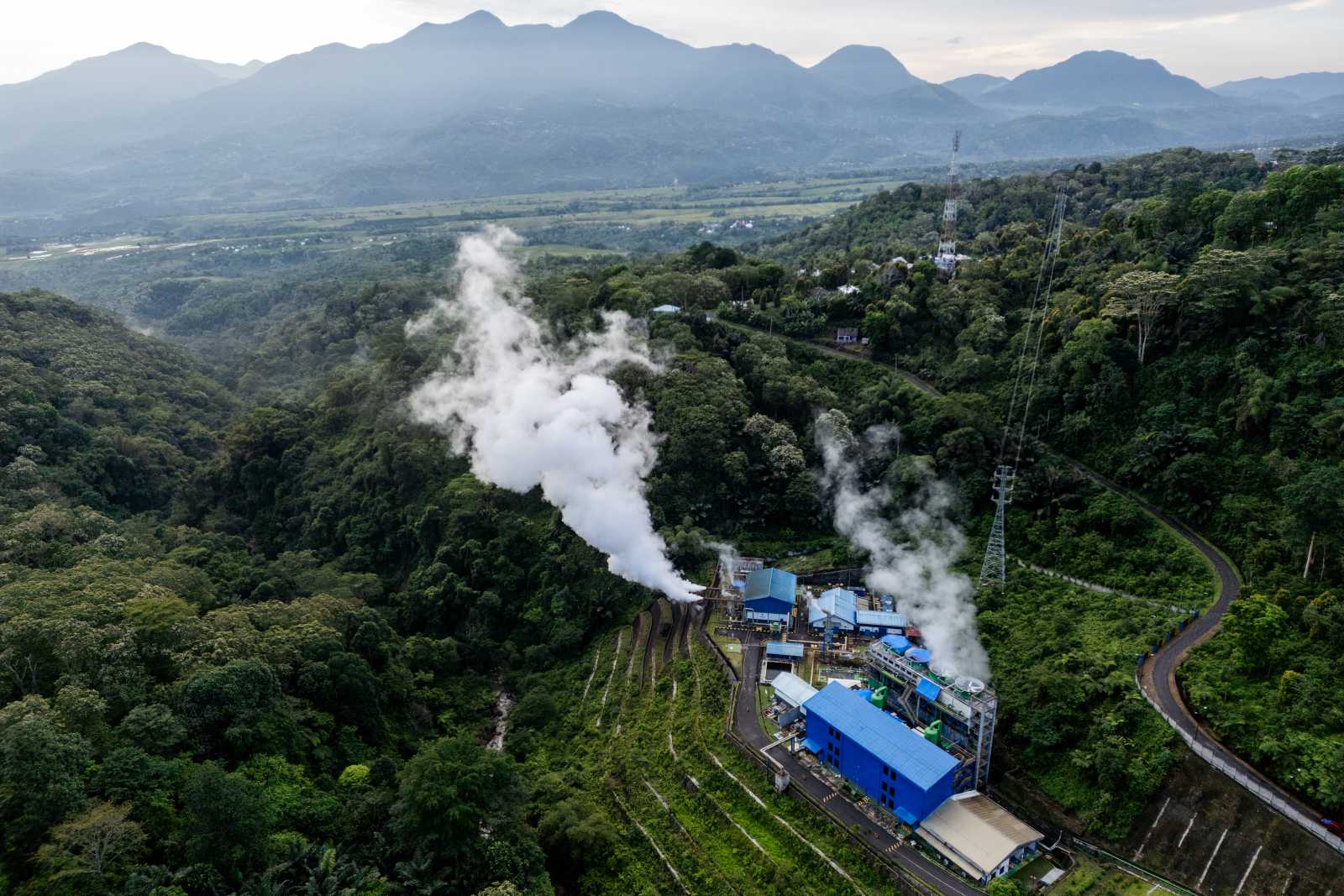
Cities have many faces


Nairobi, Kenya’s capital, has an estimated 5 to 6 million inhabitants. As such it is one of the 10 biggest cities in Africa, growing steadily by around four percent per year.
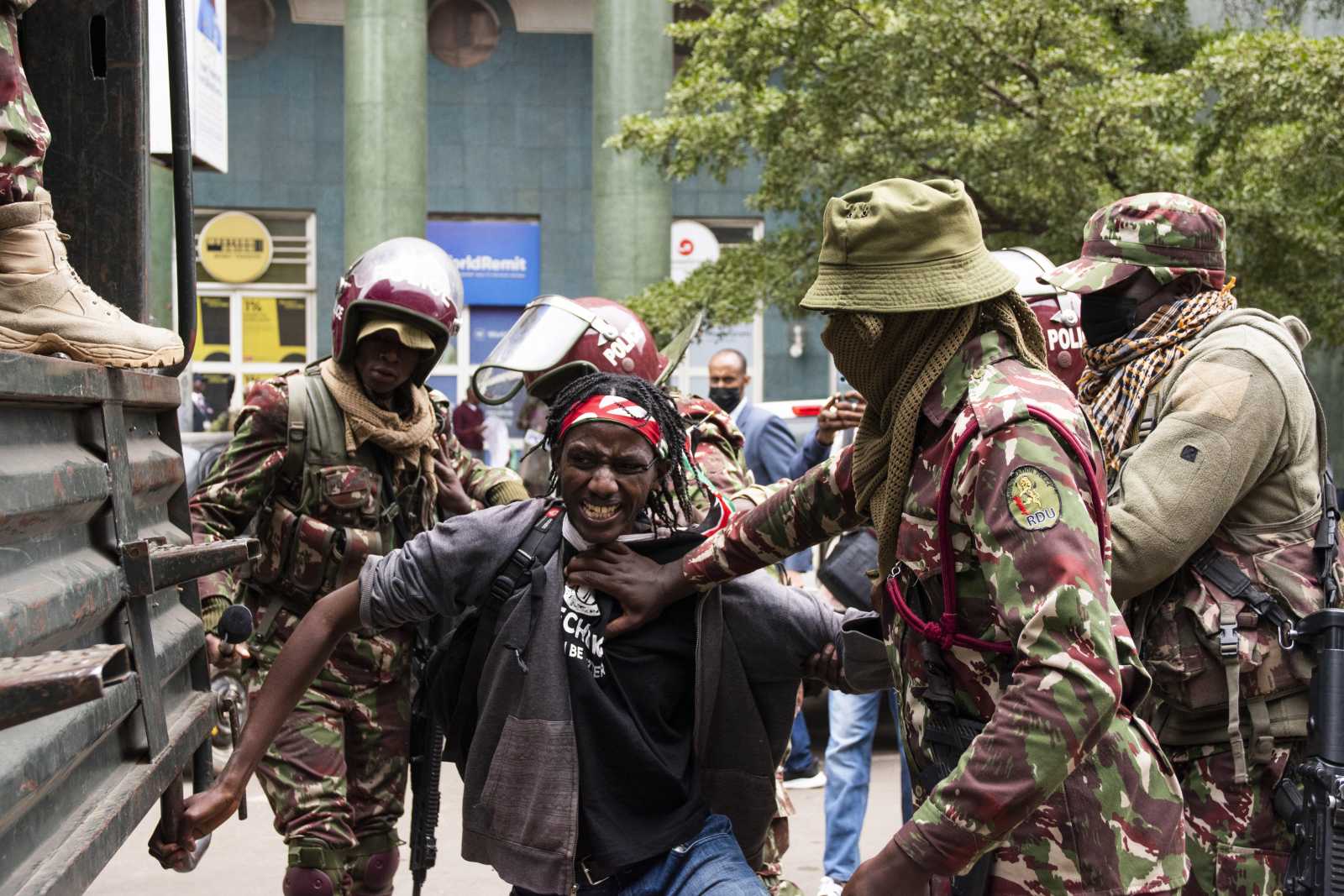
Nairobi also has various nicknames. “Nairobbery” is perhaps the best known, with pickpocketing, burglaries and minor muggings being the order of the day. Anyone flaunting their mobile phone or other valuables too conspicuously is seen as having only themselves to blame – the police can hardly be relied on to chase up the crime and prosecute the offender. The small gated community where I live is protected by barbed wire, electric fencing, a security guard and surveillance cameras. I keep a machete under my bed. Those who live in one of the corrugated iron shacks in Nairobi’s vast sprawling slums have only the machete.
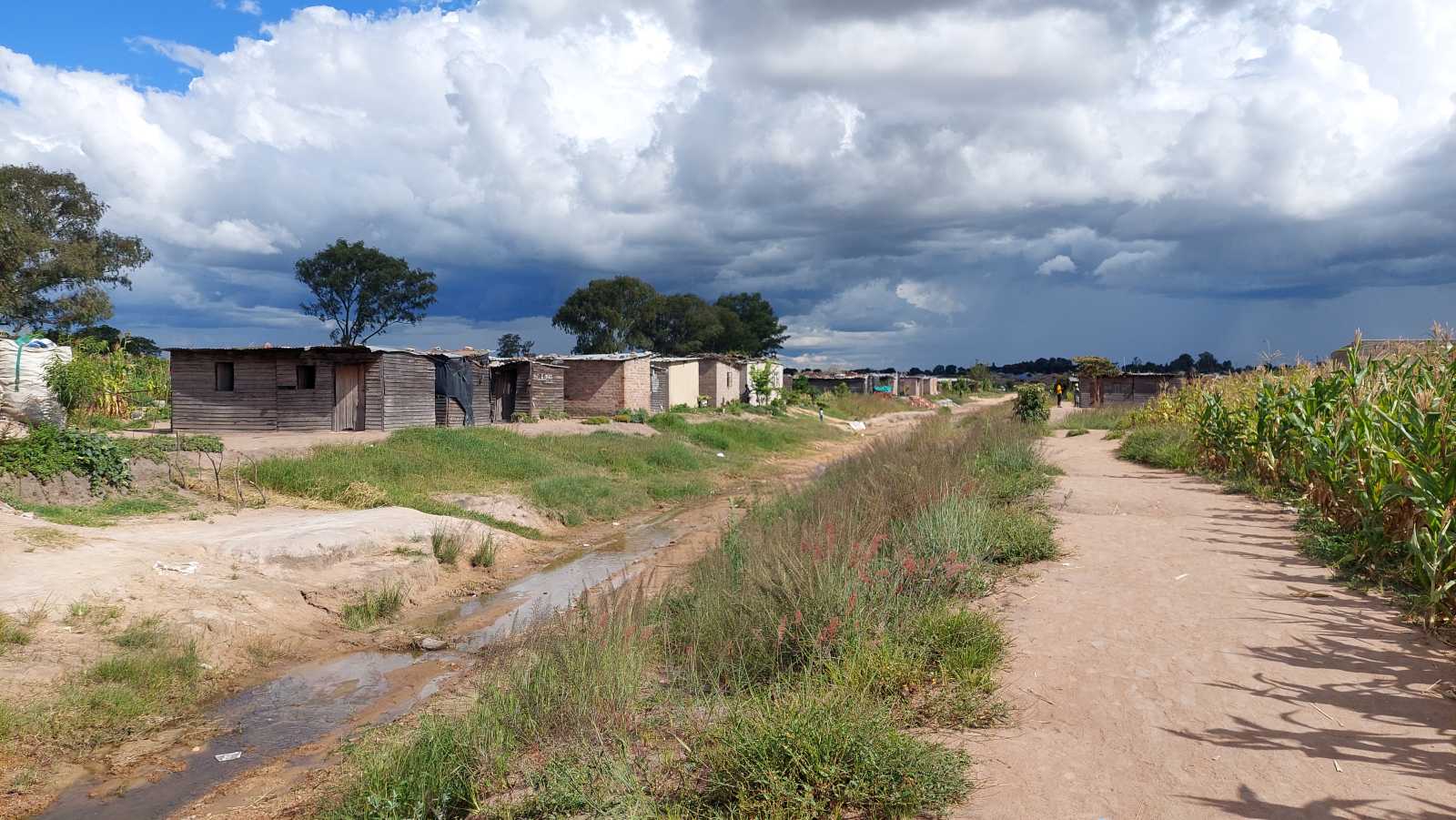
“Silicon Savannah” is a more flattering nickname that Nairobi has earned for its thriving tech scene. Technology is ubiquitous here, with apps used for everything from dealing with the authorities to making payments, buying tickets, ordering a motorbike taxi or locating the nearest minibus in Nairobi’s chaotic public transport system.
The “green city under the sun” is Nairobi’s most appealing nickname. And apt too, as Nairobi is criss-crossed and surrounded by woodland and lush vegetation. However, you have to pay to visit urban forests such as Karura Forest or the Nairobi Arboretum – at one to two dollars, the admission fee is as much as many Nairobians earn in a day. Only Uhuru Park, a large and always overcrowded park featuring a lake and playgrounds in the city centre, is free.
Cool river
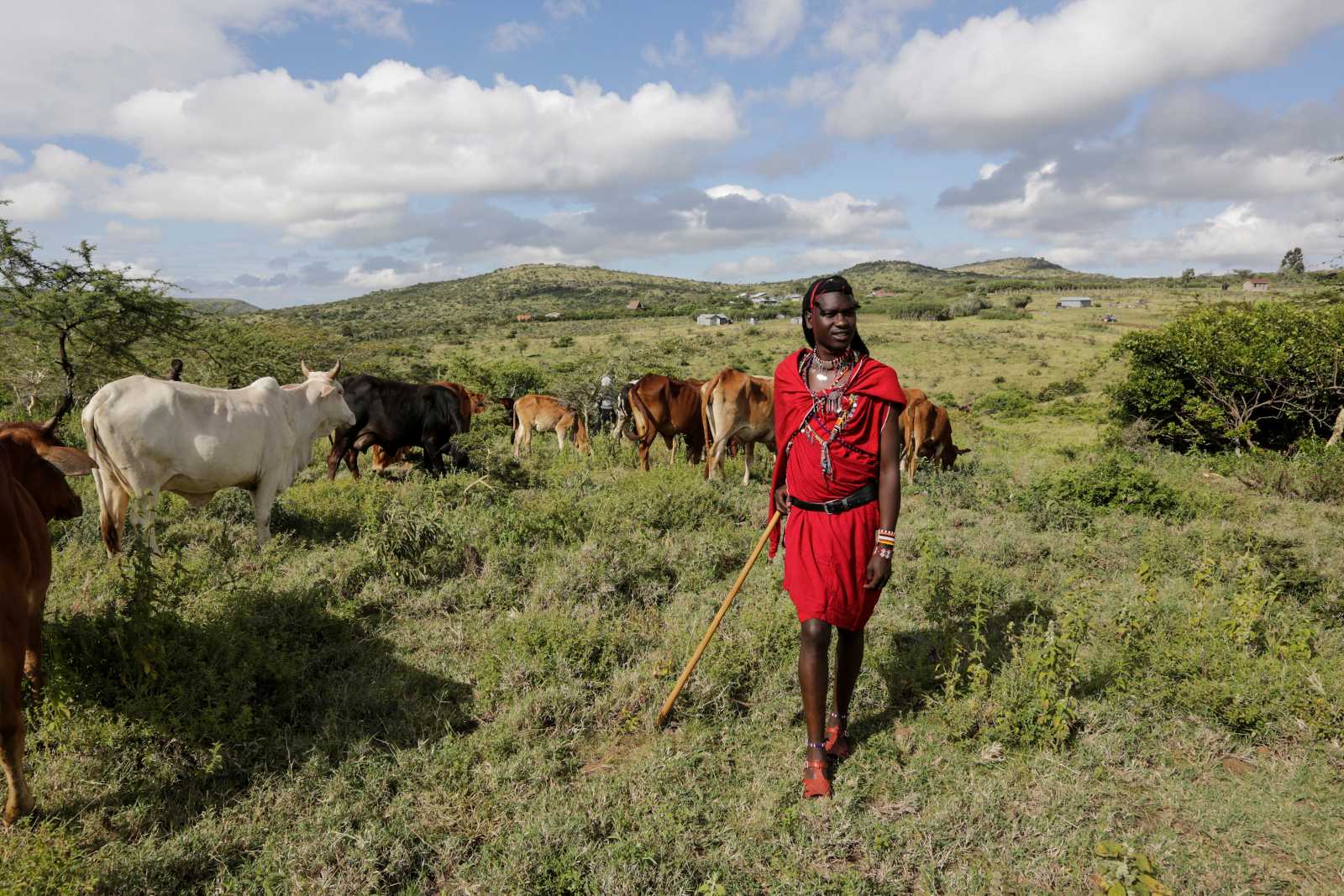
Originally, the name Nairobi comes from the Maa, the language of the Indigenous Maasai. “Engare Nyarobie” means, roughly translated, “cool river”. The water temperature of the Nairobi River, which still flows through the city, will be difficult to measure in some places because of all the rubbish. It’s not only in the water that the city’s waste problem is glaringly obvious – rubbish is everywhere, with refuse only collected regularly in wealthier neighbourhoods. Waste is often just burnt in the street or taken to dumpsites where waste pickers scavenge it for anything of value. Nairobi has some of Africa’s biggest landfill sites, though numerous projects are using new apps, education campaigns and clean-up days to tackle the problem.
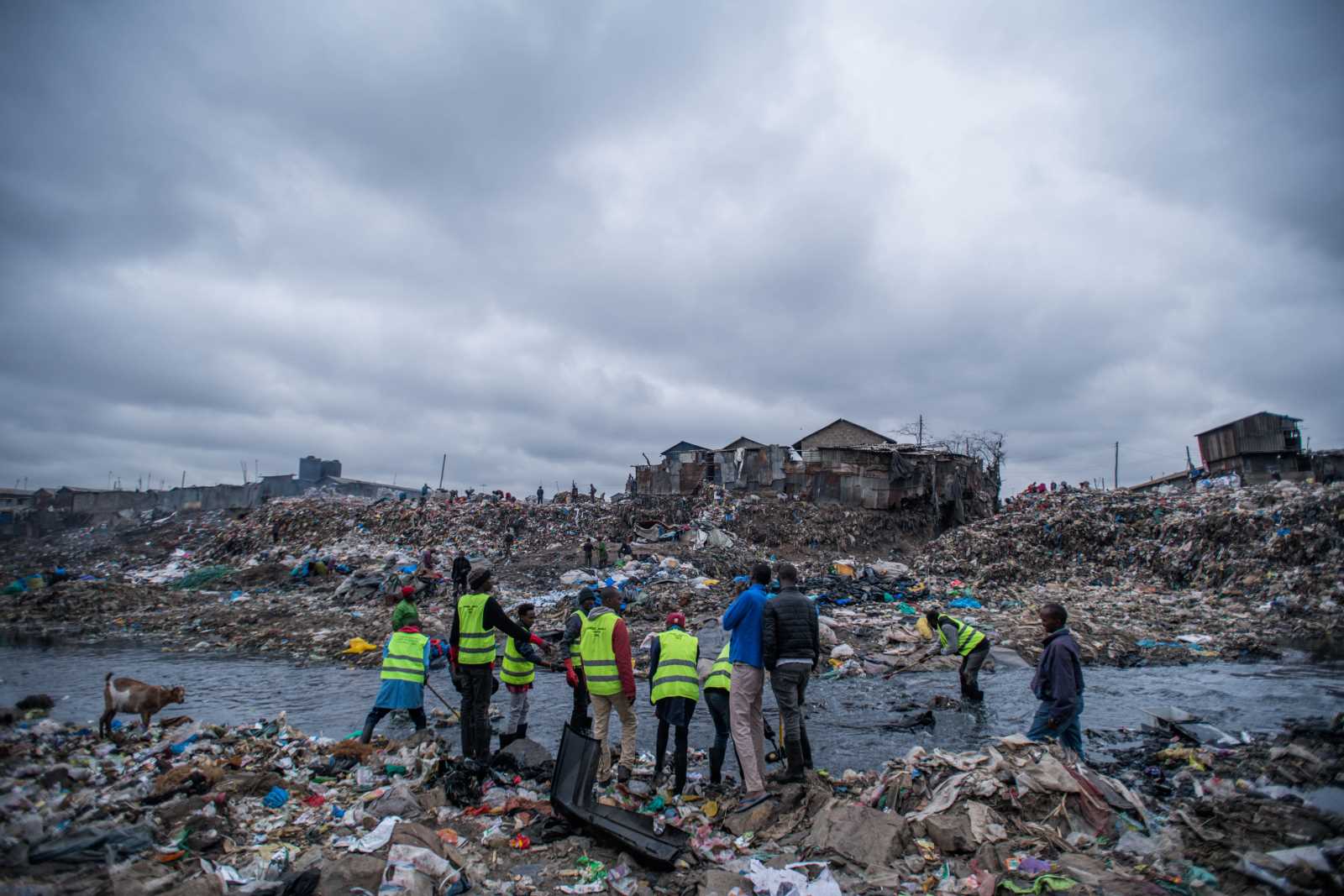
There’s always something happening in a city like Nairobi. However, many areas are drastically neglected. Two years ago, the Nairobi and other rivers burst their banks following heavy rainfall, causing many people to lose their homes – especially in informal settlements. As Sam Olando and Eva Dick argue in their article on our focus topic, the scale of the damage could have been avoided if urban planners more systematically consulted slum residents and involved them in decision making.
Almost half of the world’s population lives in cities. Particularly in view of the advancing climate crisis, life in metropolises such as Nairobi must improve for everyone – not just for those who can afford a comfortable urban lifestyle.
Katharina Wilhelm Otieno belongs to the editorial team of D+C and works partly in Nairobi.
euz.editor@dandc.eu