Climate risks
Nairobi’s floods showed why urban plans need to be made with the poor


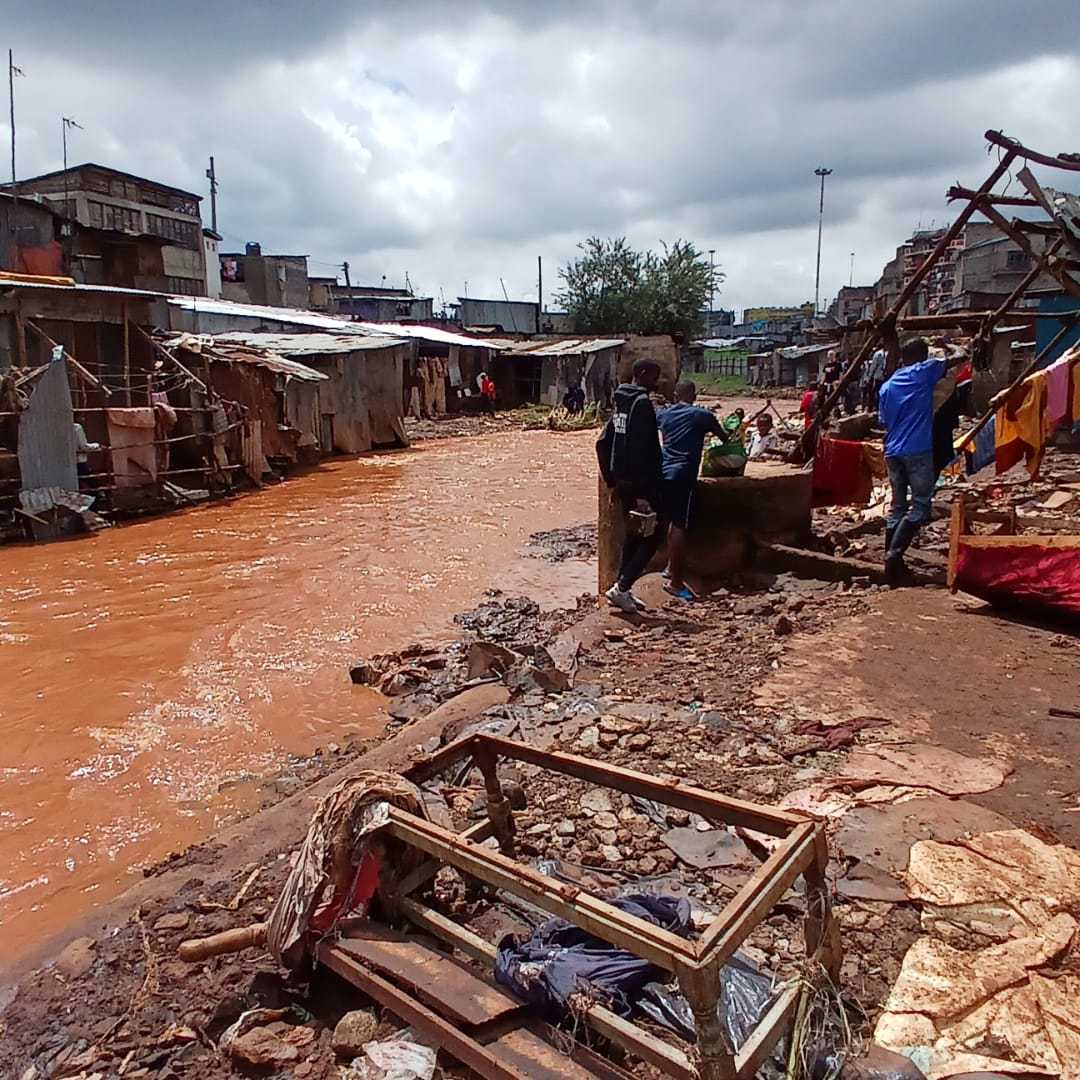
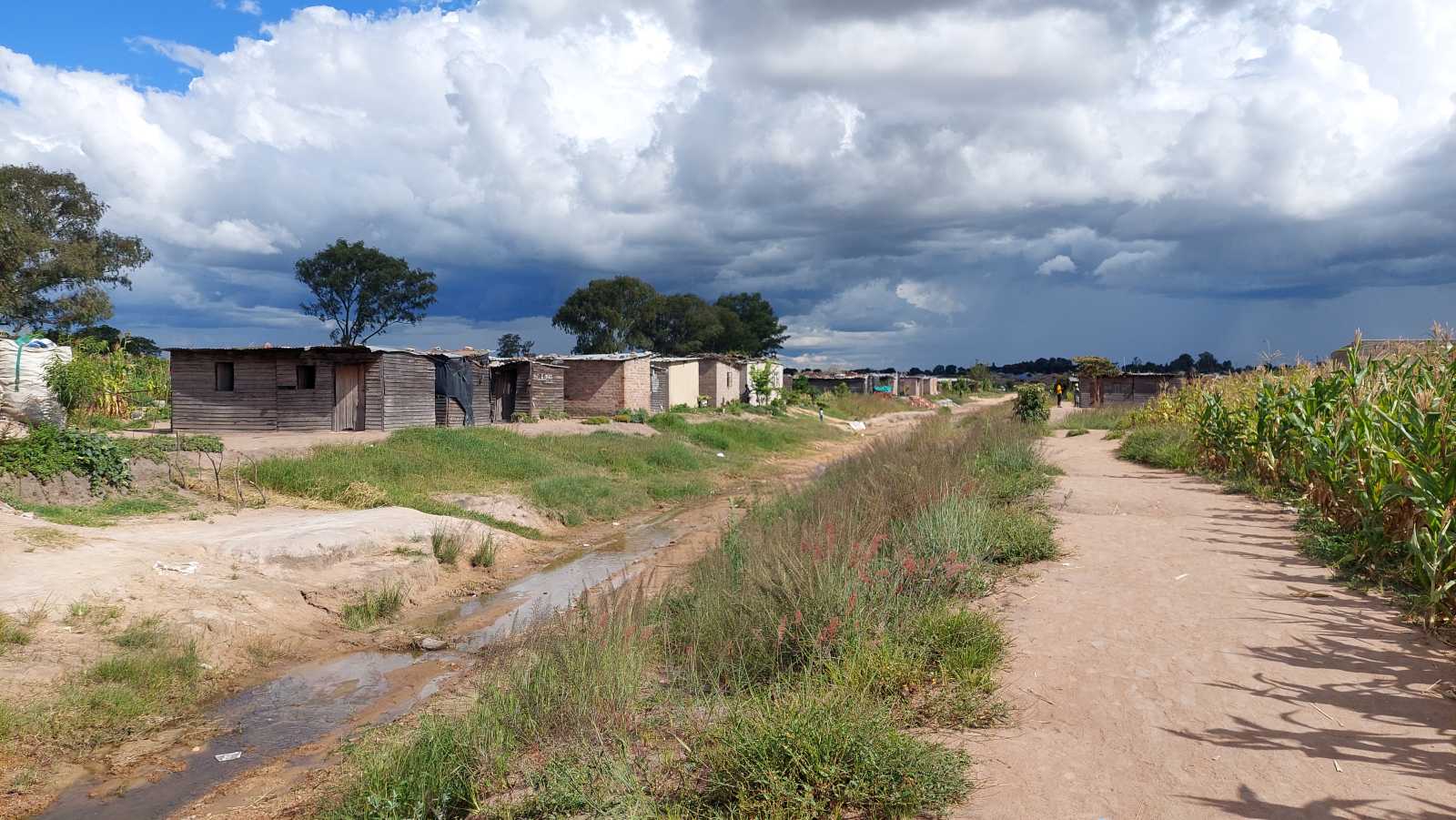
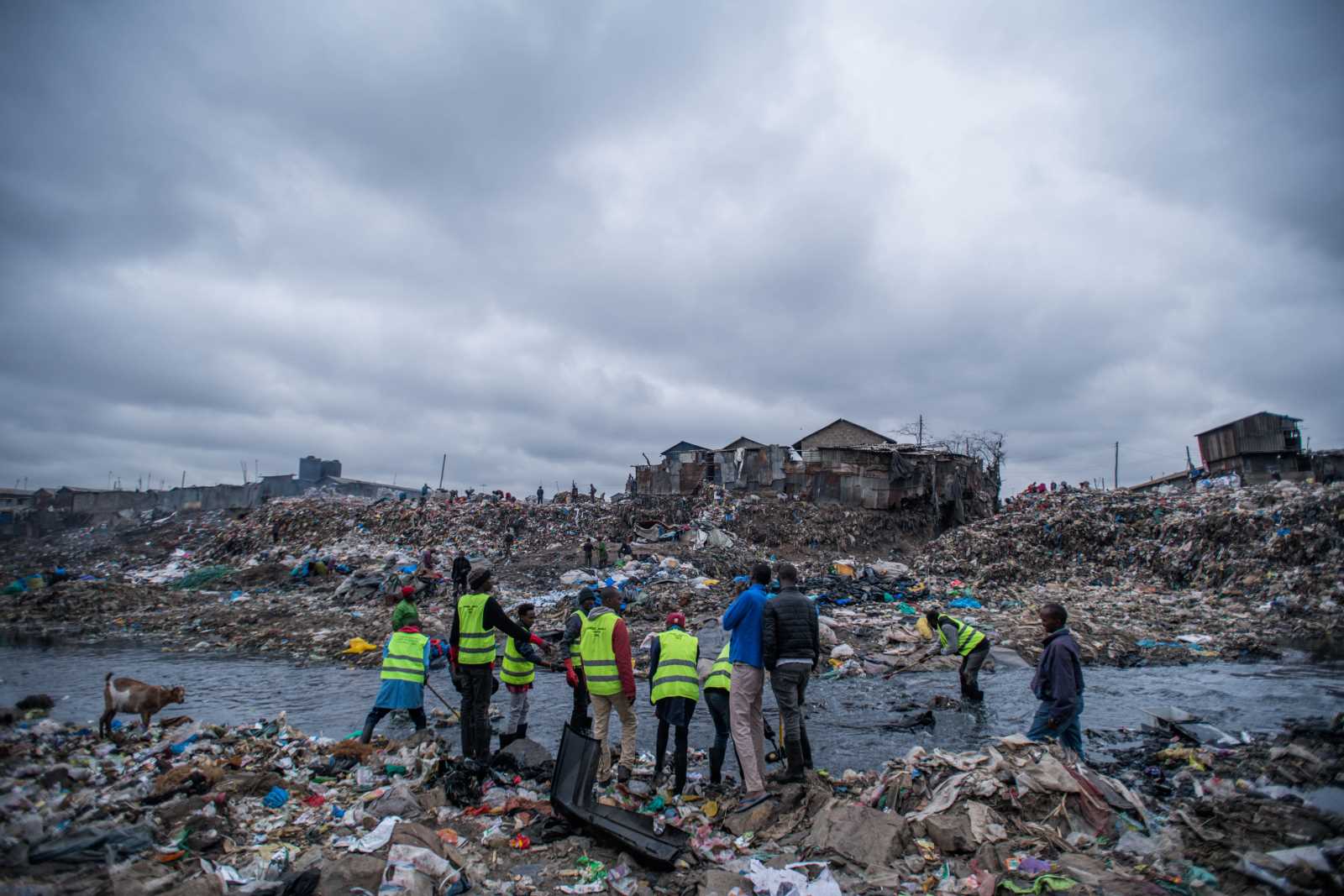
In April 2024, heavy rainfall triggered severe flooding in Kenya. According to the UN, an estimated 267 people lost their lives and around 380,000 were affected. The capital Nairobi and its metropolitan area were among the hardest hit. Rivers such as the Nairobi and Athi overflowed, causing extensive damage to residential areas and urban infrastructure. Those living in informal settlements – on low-lying riverbanks, wetlands or steep slopes – were hit hardest. Thousands were displaced, with women and children disproportionately affected.
At the height of the flooding, Nairobi’s city government announced that residents of informal settlements along riverbanks would be relocated due to safety concerns, environmental risks and existing regulations prohibiting construction within a 60-metre-wide riparian buffer zone. The authorities promised alternative housing and support for those affected. In practice, however, many of these relocations resembled evictions. Police forces were involved, compensation was not provided, and numerous people were left homeless and without a source of income.
The events in Nairobi in 2024 are not an isolated case. Worldwide, and as a consequence of climate change, both sudden and slow-onset extreme weather events are occurring more frequently and with greater intensity. Urban residents living in precarious conditions – particularly those in informal settlements – are among the most exposed to climate risks.

Due to insecure land tenure, they are also disproportionately affected by forced evictions, sometimes under the pretext of climate risk reduction, even when alternative solutions exist in the affected areas. Evictions not only deepen communities’ existing vulnerabilities and undermine their capacity to mitigate or adapt to climate change. They also perpetuate the root causes of vulnerability, including historical social inequalities and politically institutionalised exclusion, as highlighted in a recent study by the German NGO Misereor.
The urban dimension of the climate crisis
The United Nations Human Settlements Programme (UN-Habitat), the UN’s agency for sustainable housing and urban development, has recently released its new strategic plan for the period 2026–2029. The plan acknowledges the increasingly urban dimension of the climate crisis and calls for improved risk assessment and foresight to mitigate its impact on cities and settlements – especially for the urban poor. According to the strategy, secure access to adequate housing and land is essential to protect urban populations from the effects of climate change. It also emphasises the importance of settlement- and community-based approaches to enable context-specific preparedness and response, while safeguarding housing, land and property rights.
In Kenya and beyond, there is emerging evidence of the value of such approaches. The non-profit organisation Pamoja Trust is considered a pioneer in community-led planning. In the past years, it has supported informal settlement communities through area-based enumerations and risk assessments – enabling residents to use this information to influence government improvement plans and emergency responses.
The tools applied include community climate-awareness trainings, focus group discussions on local experiences with climate change and participatory mapping to identify hazard hotspots, critical infrastructure and areas of cultural or environmental importance within each settlement.
In the western Kenyan city of Kisumu, Pamoja Trust has applied such a participatory toolkit to support two informal settlement communities in documenting economic and non-economic losses and damages caused by climate-related hazards. This approach has enabled residents to record not only the loss of household and business assets, but also non-material impacts such as anxiety and trauma resulting from repeated flooding and displacement.
Accordingly, the spatial analysis that Pamoja Trust had conducted over several years in some of Nairobi’s affected informal settlements was crucial in providing insight into the exact number of people living in the flooded areas who were potentially affected by the floods and in need of post-disaster recovery measures.
As many of these communities are not recognised by the government and many residents do not have formal property rights, this information was likely underestimated in official estimates. For example, in the informal settlements of Chieko, Budalangi and Gituamba in the Kasarani district of Nairobi, the community assessment identified approximately 700 residential buildings and an estimated 1417 people living within the 60-metre-wide riparian zone. In terms of critical infrastructure, the assessment identified four schools and nine religious institutions in this area. In contrast, the official satellite-based assessment after the flood identified only about 118 affected buildings for the entire Kasarani area, a mismatch Pamoja Trust was able to point out in an Advisory Opinion to the Nairobi River Commission, the responsible state agency for riverbank redevelopment.
Use data from the ground
As regeneration planning for Nairobi’s riverbank areas gains momentum, Pamoja Trust and its community partners are working to ensure that data from community-led assessments is incorporated into official plans. They are also calling on the government to ensure that flood-affected communities benefit from existing programmes for low-income households, such as the Kenya Slum Upgrading Project (KENSUP) – especially since some of these communities were already identified as KENSUP beneficiaries before the floods.
Experiences from other African cities underline the value of participatory and risk-informed upgrading initiatives. In Freetown, Sierra Leone, for example, improvements in drainage systems, youth-led waste collection and environmental restoration – such as mangrove planting – have enhanced the quality of life in three flood-prone areas.
In Nairobi, it is furthermore important to harmonise existing laws on riparian zones and ensure accountability in the enforcement of clearance orders, including by clarifying (hitherto fragmented) institutional mandates and responsibilities. All this must be done with clear consideration of the fact that there are tensions between environmental remediation and social protection.
UN-Habitat in its new strategic plan posits that “[strengthening] resilience to climate-related hazards through risk-sensitive urban and land-use planning (…) – especially for those in vulnerable situations (…) must be at the core of efforts to adapt to global climate change”. This remains yet to be translated into practice, especially in informal settlement areas. Community-lead approaches show that solutions do exist – and that they have significant potential to strengthen the adaptive capacity of the urban poor.
Links
United Nations Human Settlements Programme (UN-Habitat), 2025: Strategic plan 2026–2029.
Misereor, 2024: Loss and damage in informal urban settlements.
Pamoja Trust, 2025: The concept of participatory social planning for sustainable community
development.
Sam Olando is an urban sociologist and lawyer based in Nairobi. He is executive director of Pamoja Trust, a non-profit organisation that promotes access to land, shelter and basic services for vulnerable groups.
solando@pamojatrust.org
Eva Dick is urban development desk officer at the Africa and Middle East department of the development agency Misereor and associated researcher of the German Institute of Development and Sustainability (IDOS).
eva.dick@misereor.de
This story is part of The 89 Percent Project, an initiative of the global journalism collaboration Covering Climate Now.