Involuntary migration
The harsh fate of Afghan families pushed out of Pakistan


For Sumandar Khan, Sialkot, in northeastern Pakistan, was never a temporary stop. It was home. For more than 20 years, the Afghan citizen lived in the narrow lanes of the Pak Pura neighbourhood, raised eight children, ran a small shoe shop and buried both his parents in the local graveyard. His eldest son earned a living from a shawarma stall a few streets away. The family’s life was shaped by work, school and neighbourhood ties. Pakistan was not a place of refuge for them: it was the only country they knew.
That certainty collapsed when authorities began enforcing tighter measures against undocumented Afghan nationals. Police notices appeared and arrests increased. The message spread quickly through neighbourhoods like Pak Pura: leave on your own or be taken away. For families who had lived quietly for decades, the shift was abrupt and devastating. They had paid rent, sent children to school and contributed to local economies. Overnight, they were labelled outsiders.
When Sumandar Khan’s family began packing, the reality set in. Furniture, appliances and household items were sold at throwaway prices. Buyers knew these families had no leverage. Each sale felt like a small surrender. The final days were marked by silence and unanswered questions. The children struggled to understand why they had to leave. They were born in Pakistan. Their memories were tied to schoolyards, local markets and friends next door. Afghanistan existed only in stories told by their elders.
A few streets away lived Bakhto Khan, an Afghan citizen like Sumandar. Bakhto ran a modest vegetable shop, selling tomatoes, potatoes and fruit to neighbours who had known him for years. His seven sons were all born in Pakistan. All worked wherever work was available, as helpers in workshops, loaders in markets or assistants in small shops.
Bakhto had never imagined that decades of residence could be erased because of a lack of documents. Like many others, he lived quietly, avoided trouble and focused on feeding his family. When enforcement intensified, he closed his shop without notice. His sons left their jobs without explanation. There were no farewells, only hurried packing and fear of arrest.
More than 150,000 Afghans arrested
Across Pakistan, similar scenes are unfolding daily. Afghan families are leaving homes they have known for generations, often under pressure and with little time to prepare. Many are departing from urban centres such as Islamabad, Rawalpindi, Sialkot and Peshawar, where Afghan communities had long blended into city life.
The numbers reveal the scale of the crisis. In 2025, more than 150,000 Afghan nationals were arrested or detained in Pakistan, according to data compiled by the United Nations High Commissioner for Refugees (UNHCR) and the International Organization for Migration (IOM). From 25 to 31 January 2026, more than 1500 Afghan nationals were arrested, most of them in the province of Balochistan and in Islamabad Capital Territory.
Authorities have repeatedly cited security concerns, pointing to cross-border militancy and attacks allegedly originating on Afghan soil. Afghan authorities reject these claims, yet civilians in Pakistan are still suffering severe consequences. Their options for legal protection are narrowing: policies that initially focused on undocumented migrants have now expanded to include Afghan Citizen Card holders as well.
Islamabad is framing the deportations as matters of law, security and sovereignty. But on the ground, people are experiencing them as loss and displacement. For families who spent decades contributing to Pakistan’s informal economy, the distinction between documented and undocumented feels detached from their lived experience.
Sumandar Khan’s journey highlights what statistics cannot capture: the fear of a knock on the door at night, the humiliation of selling belongings at a loss or the quiet grief of leaving parents’ graves behind. These experiences unfold away from cameras and official statements, yet they define the crisis more clearly than any data point.
For families like the Khans, the decision to leave cuts to the core of their identities and sparks fears for their future survival. Afghanistan, though familiar by name, is unfamiliar in reality. Many returnees have no property, no employment prospects and no support networks waiting for them. They arrive in Afghanistan with little more than clothes and memories, entering regions where jobs are scarce and aid is limited.
Children bear a disproportionate burden. Their education is interrupted and their social ties are severed. Often, their first language is Urdu, Pakistan’s national language. Many face an uncertain future in schools where the curriculum, language and culture are unfamiliar. For them, crossing the border is not a return but a forced departure from everything they know. For girls and young women, the flight means the premature end of their education. In Afghanistan, they are only allowed to attend school up to the sixth grade. The human rights situation for women in Afghanistan is generally disastrous.
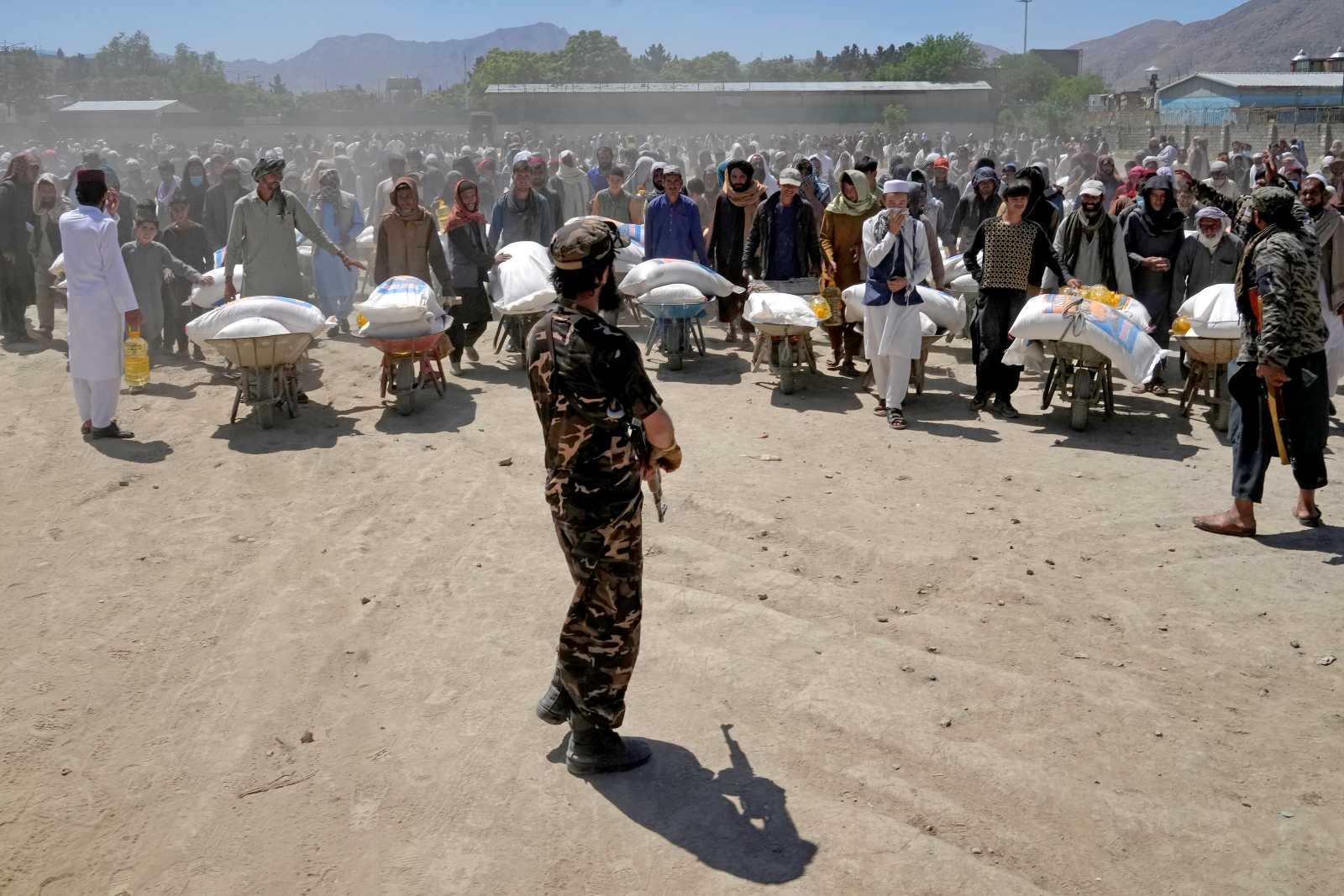
At border crossings such as Torkham and Spin Boldak, the human cost becomes visible. Long lines stretch for hours. Elderly parents sit by the roadside. Mothers carry infants bundled up against the cold. Teenagers stand silently, clutching small bags that hold their entire lives. Some families choose unofficial routes through provinces like Helmand and Paktika, risking violence, landmines and exploitation.
Afghan communities under pressure
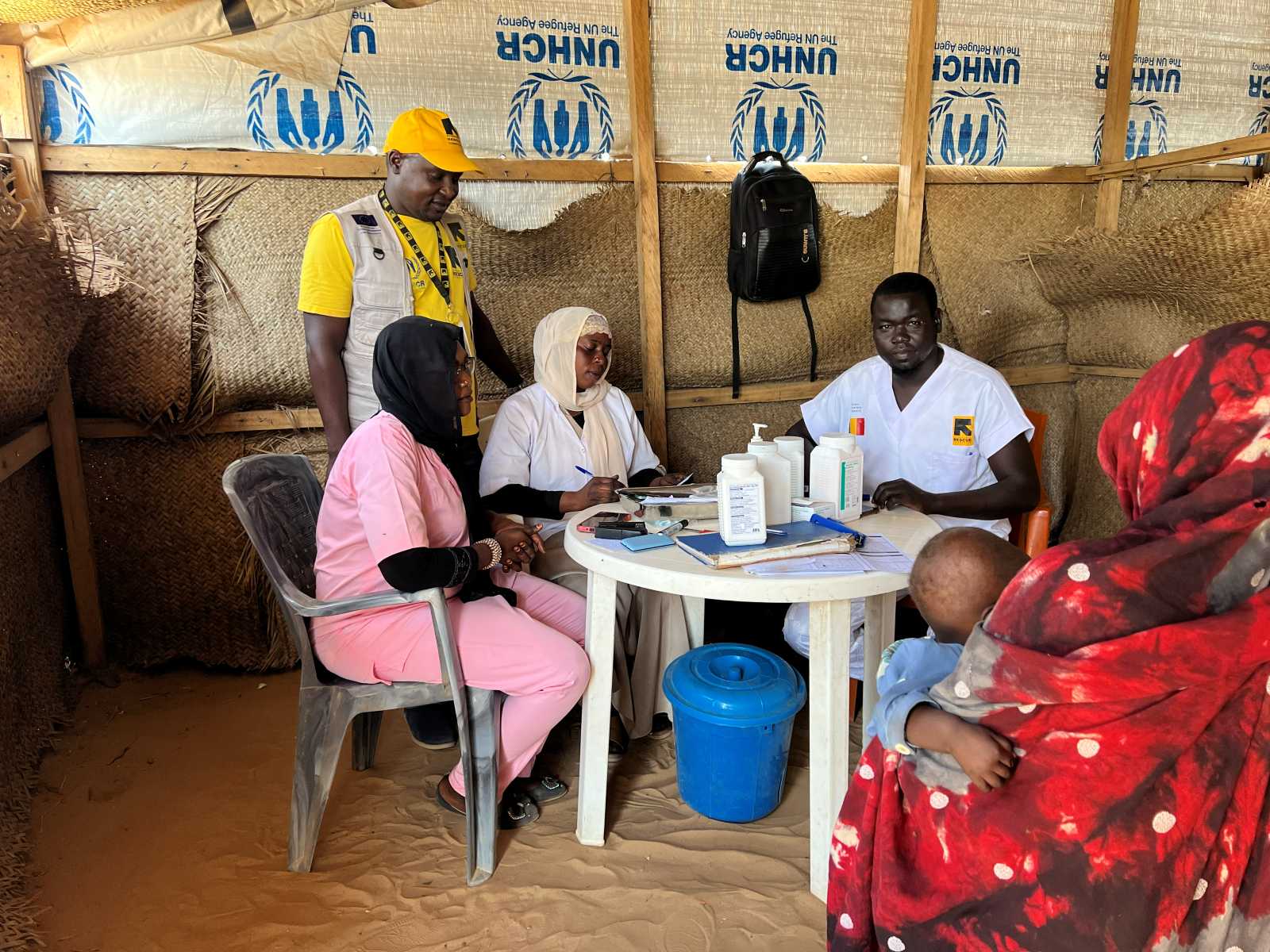
Humanitarian organisations warn that Afghanistan is ill prepared for the scale of returns. The Afghan Red Crescent Society (ARCS) reported record daily arrivals in November 2025, which strained its capacity to provide food, shelter and medical care. Combined with returns from Iran, which has also deported hundreds of thousands of Afghans in recent years, the pressure on local communities has reached a breaking point.
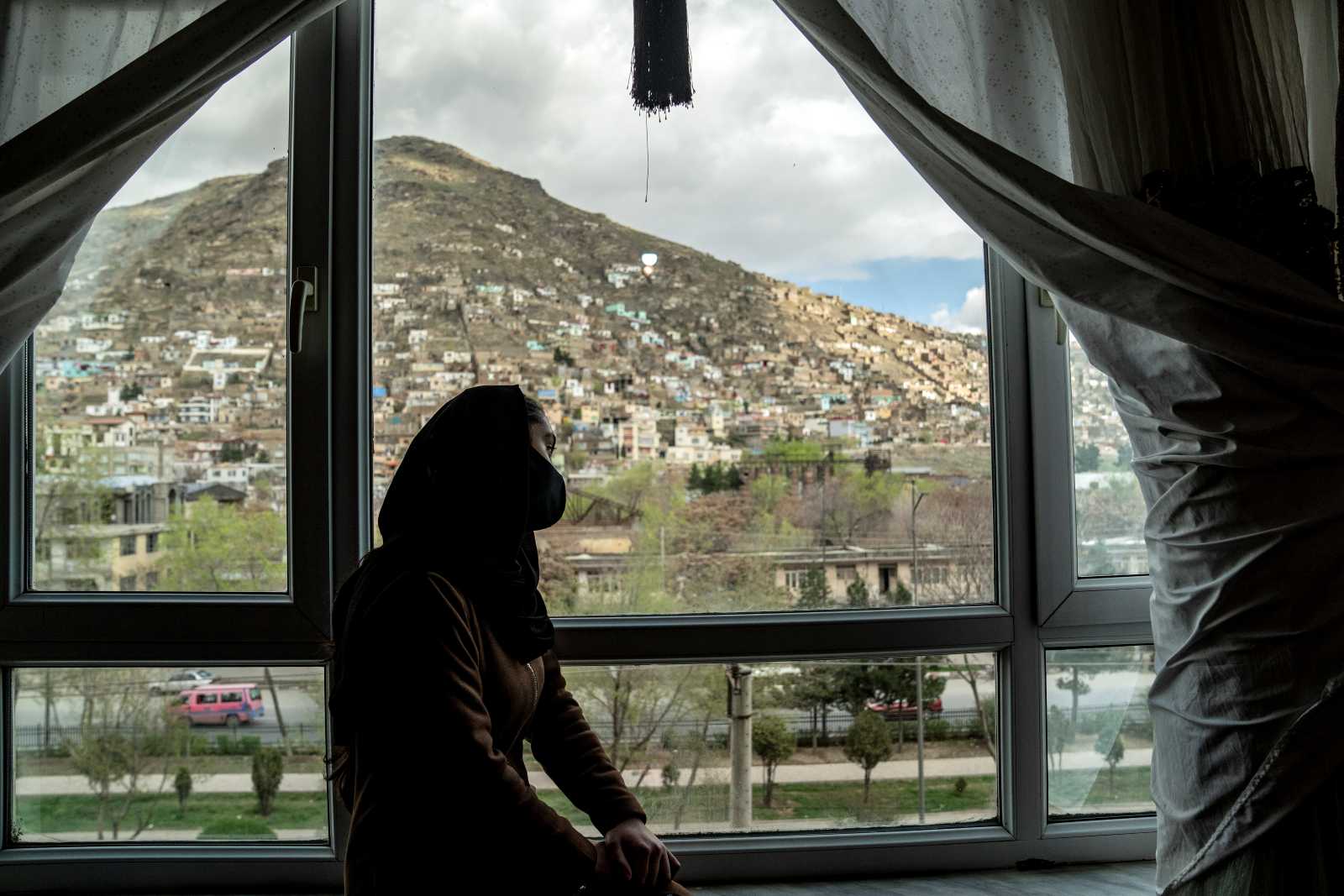
Across Afghanistan, returnees struggle to rebuild in an environment already stretched thin. Housing shortages, limited healthcare and fragile education systems leave families vulnerable. Many feel trapped between two countries, unwelcome in one and unfamiliar in the other.
The displacement of Afghan families from Pakistan is not a temporary disruption but a long-term humanitarian challenge. Balancing security concerns with human obligations remains a test not only for Pakistan but for the international community as well. Support for returnees and protection of children’s rights and dignity will shape how this chapter is remembered.
For Sumandar Khan, Bakhto Khan and many others like them, the road to Afghanistan is more than a journey across a border. It is a passage through loss, memory and forced reinvention. Home, once defined by streets and neighbours, has become an idea they carry with them. The cost of losing it will impact their lives long after the border fades from sight.
Aqsa Younas is an international journalist and social activist based in Pakistan.
aqsayounas666@gmail.com