Education
How Malawi’s football success is opening doors for girls


What should have been a short drive through the Malawian capital of Lilongwe turned into a four-hour victory parade: when Malawi’s women’s national football team, nicknamed the Scorchers, returned from the Women’s Africa Cup of Nations (WAFCON) in Morocco in mid-August, thousands lined the road from Kamuzu International Airport into the city, waving flags, singing and dancing.
The team returned with a silver medal – and something Malawi had never achieved before. At their first WAFCON, the Scorchers reached the final and qualified for the 2027 FIFA Women’s World Cup in Brazil, beating Ghana 2-1 in the quarter-finals before losing 3-0 to Cameroon in the final.
Inspiring the next generation
The team’s success has kept women’s football in the national spotlight and encouraged new investment in the Scorchers, the women’s league and grassroots programmes for girls. It also sparked everyday conversations about what girls can achieve through football: Malawians are taking pride in the team, and young people increasingly regard women’s football as a place where they can dare to dream big.
Margaret “Maggie” Chombo, current head coach of Malawi’s under-20 women’s national team, has spent more than three decades in women’s football. For her, that new sense of possibility is one of the team’s biggest achievements. “When the Scorchers play and succeed, we forget our differences and come together as one nation to support our team,” she says. “Now that the national team has qualified for Brazil, even more young girls are dreaming that they too can one day play on the biggest stage in the world.” Football, she says, is evolving into a way of reaching young people beyond sport in Malawi – including through education.
Skills for life, not just sport
Loveness “Nyaksy” Nyakamera is an example of how far that path can lead. Coming from Nsanje District in southern Malawi, she knows what it means to pursue football from a disadvantaged background. She represented her country and played club football in South Africa before moving into coaching. Her message to girls is simple: “Believe in yourself, work hard, go to school and stay disciplined. Don’t let anyone tell you that because you are a girl or you are from a village you cannot make it.”
Her advice to stay in school matters because, for most girls, football will never lead to a professional contract. Its value also lies elsewhere. Malawi’s Football for Schools programme, introduced in 2022, combines the game with life-skills education. Participants have described learning teamwork, time management, self-confidence, leadership and discipline. Beyond football skills, programmes such as this are designed to support education and personal development, using the game to create safe spaces and teach participants about health and their rights.
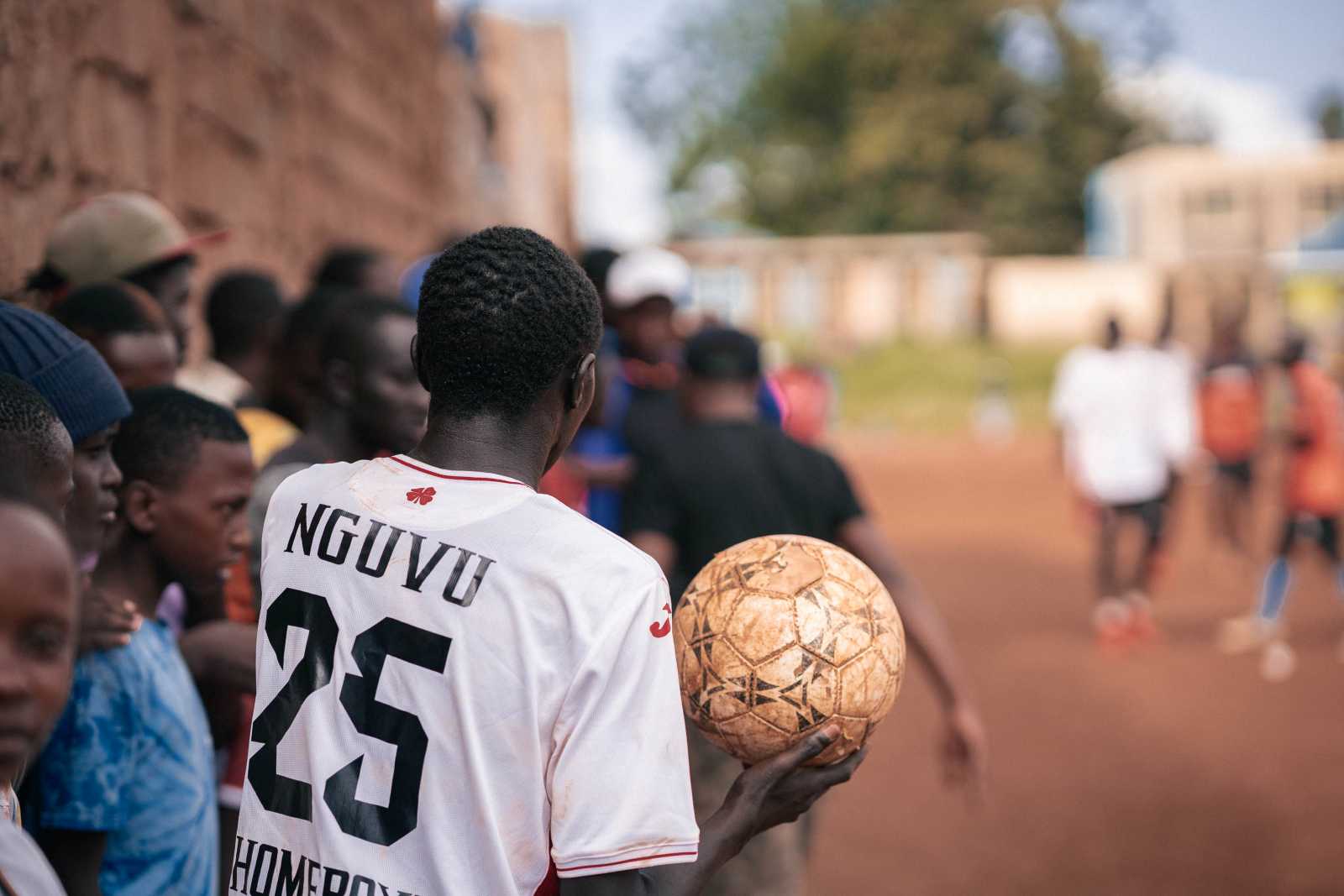
These initiatives are crucial as staying in school remains difficult in Malawi, particularly for girls. A longitudinal study in rural Malawi published this year found girls were more likely than boys to drop out, with poverty, pregnancy and early marriage being the dominant causes of female dropouts. Football alone cannot remove those obstacles. But linked to education and mentoring, it can give girls skills, confidence and networks that remain useful even if they never become professional players.
Benson Kunchezera is a Malawian freelance journalist based in Blantyre.
bkunchezera84@gmail.com