Climate change
When failed harvests turn into debt in Uganda


When Victoria Kiden hears a motorbike approaching her home, she is overcome by fear. “The motorbikes still roll in,” says the mother of six living in Kiryandongo, Uganda. “They come every two days. Before you know it, there is a motorbike in the compound. Just the sound of it makes me so scared.”
The riders are microfinance agents collecting money Kiden borrowed to grow maize. But the crop they were meant to finance has dried up. Kiden’s family was displaced from northern Uganda around 20 years ago during the Lord’s Resistance Army insurgency. After her husband died and relatives took over her ancestral land in Amuru District, she acquired land here in Kiryandongo and began farming to support her children.
Last year, she borrowed 2 million Ugandan shillings, around $ 530, hoping to increase her maize harvest. Drought destroyed most of the crop, but income from produce trading still helped her repay the loan.
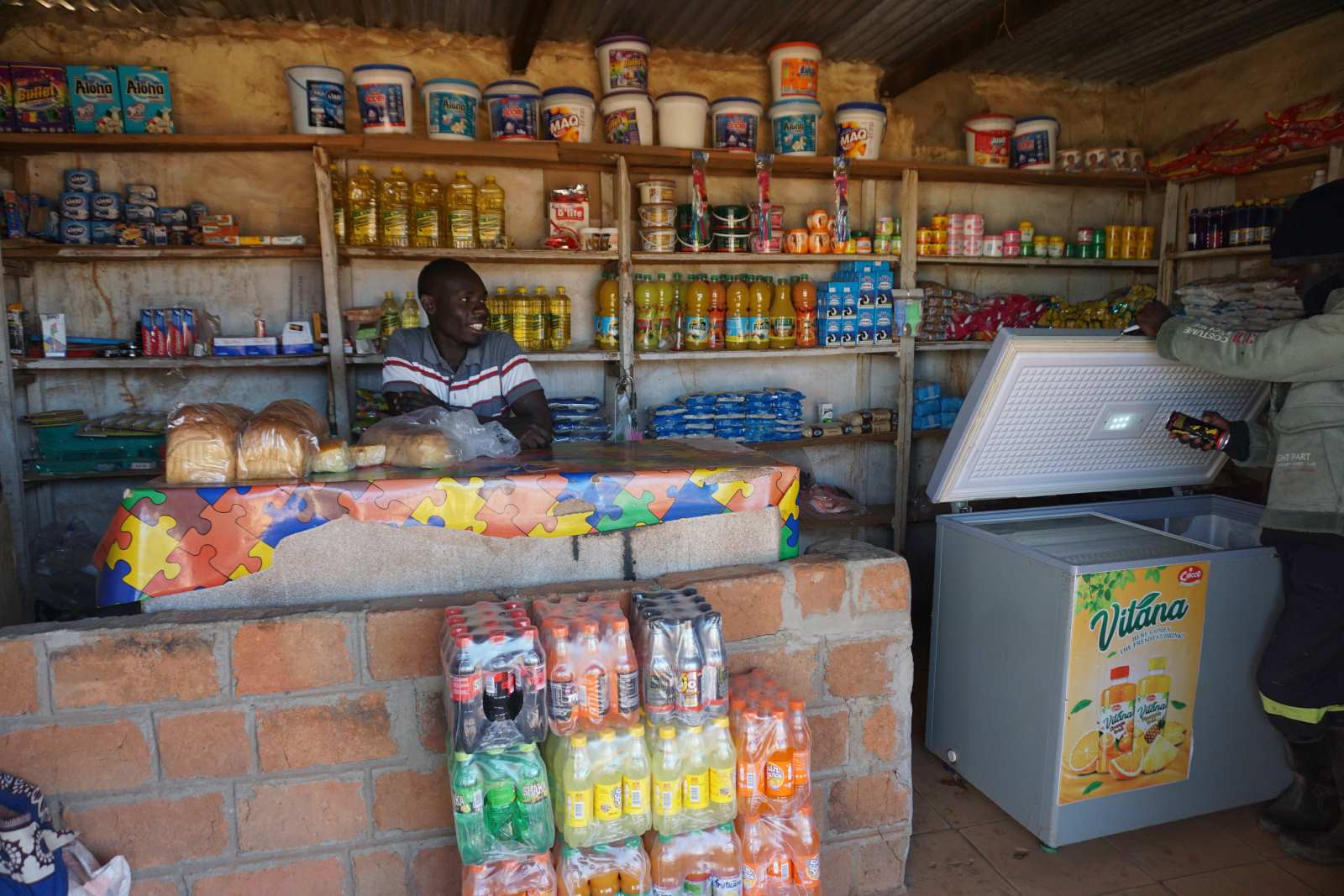
That’s why she tried the same approach again this year, this time borrowing 3 million shillings, about $ 790, after finding a buyer for her maize. “I thought the situation would be different this time,” she says. “But suddenly, I lost all the maize in the ongoing sunshine. As you can see, all my crops are dry.” At first, the dry spell lasted three days. Then two weeks. Then a month. Her produce trade has also suffered because the farmers she buys from are facing the same failed harvests. “I’m a widow, I have children, I look left and right with no hope. What will I do to pay back this money and educate my children this year?” she says.
When crops become debt
Many farmers are experiencing the same hardships as Victoria Kiden. More than 95 % of Uganda’s crop area is rain-fed, making farming highly vulnerable to changing rainfall patterns. That’s why, for farming and displacement communities in Uganda, failed seasons can quickly become debt crises. For families already living with the effects of displacement and poverty, another lost harvest can add a new layer of stress. Kiden reports that some borrowers even leave their homes so that lenders can’t find them to get their money back.
A shift in thinking is therefore also taking place among young people as they become increasingly aware of this: in the Madi Okollo settlement, Taban Jerry says seeing families struggle has changed the way he thinks about farming. “Watching my parents and neighbours hide from loan agents, and hearing the community talk about the changing weather patterns and failed seasons, is discouraging,” he says. “If I had to choose, I would not want my parents to go for an agricultural loan. It’s too risky.”
This pressure is also reflected in the demand for psychosocial support, as Robinson Ojwok points out. He is a social worker at the Rhino Camp Refugee Settlement, where he works for TPO Uganda, a civil-society organisation dedicated to improving mental health. He says that his organisation deals with several new cases of stress- and depression-related conditions every day, often linked to displacement, climate-driven food insecurity and aggressive loan terms. Refugees are forced to deposit vital identity cards as collateral, for example. “When we get these cases, we offer them counselling support or refer them to other partner organisations within the refugee community,” Ojwok says.
Planting against uncertainty
Some farmers are trying to reduce the risk themselves. Smallholder farmer Otika Eve, for example, no longer plants her entire field at once. After years of losses and trial and error, she has changed the way she uses her three hectares of land. “I employ phase planting,” she says. “I plant in phases with gaps of three weeks.” If one planting fails, another may survive. “This is the only way I have managed to get food and seeds,” she says.
Cinderella Ayebare is a Uganda-based journalist focused on climate change, refugees, gender, human rights and peacebuilding. ayebarecindy22@gmail.com
This story is part of The 89 Percent Project, an initiative of the global journalism collaboration Covering Climate Now.