Poverty
Nigeria’s forgotten Almajiri children


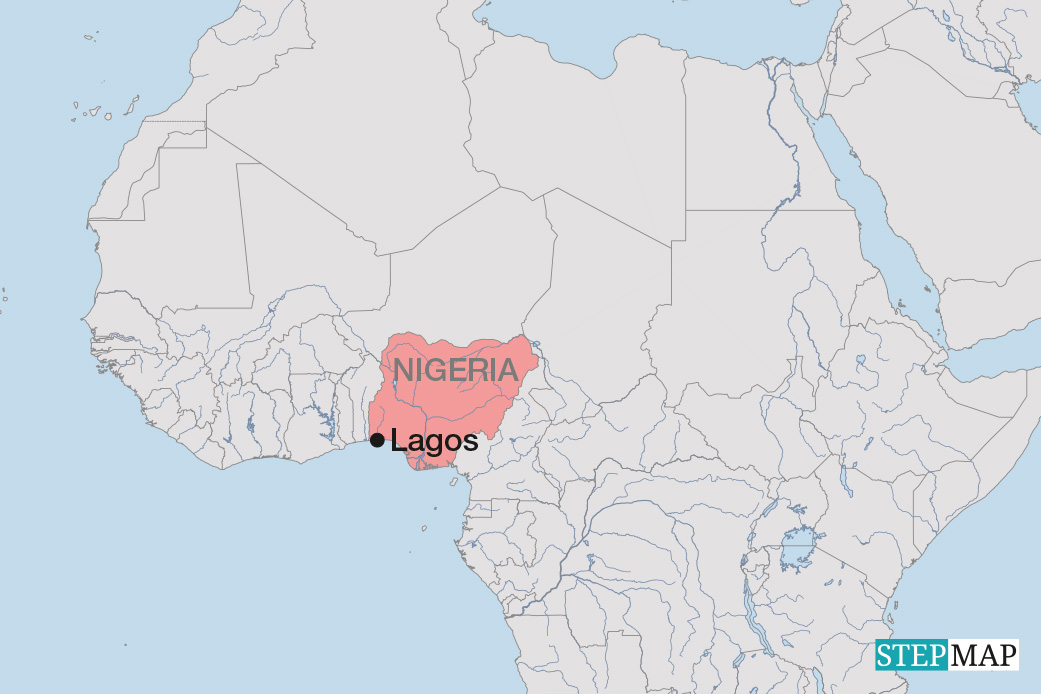
At dawn in Kano, a city in northern Nigeria with more than 2 million residents, 12-year-old Musa Abba drags his frail body on worn crutches. His begging bowl clinks with a few coins. Nigeria’s Almajiri system used to promise Quranic education and community support to children like him – perhaps he would never have ended up on the streets. Yet today, UNICEF estimates that 18.3 million Nigerian children are currently out of school, many forced into street begging without protection, healthcare or formal education. Therefore, Nigeria is the country with one of the highest numbers of out-of-school children globally.
Almajiri, the centuries-old Islamic educational tradition in northern Nigeria was originally rooted in strong community values. Children lived with Quranic teachers who provided food, shelter and respect. But urbanisation, economic decline and weak institutions have eroded this foundation. Families facing hardship send their children away, and overstretched communities can no longer fill the gap. What once nurtured scholars now leaves many children at society’s margins. Disabled children face even higher risks: they cannot compete physically and become easy targets for trafficking, punishment and abuse. At the same time, they are overrepresented in street-begging circles.
Behind the statistics are voices like Musa’s: “People sometimes hit me or call me names,” he says. Amina Abubaka, a child who is hearing impaired, shares what it’s like for her in everyday life: “I just want people to see me, to respect me.” Their stories reflect how children like them are systematically excluded from education and social services, making it nearly impossible to break the cycles of poverty.
The roots of that exploitation run deep. Experts point to poverty, insufficient integration of Quranic schooling into the formal education system and inconsistent government policies. Attempts to reform the system frequently falter because funding is unstable and implementation fragmented.
Innovation nevertheless offers hope. UNICEF-supported pilot programmes in the cities of Kaduna and Sokoto created “Almajiri Model Schools,” integrating Quranic and formal education with life skills, vocational options, trained teachers and access for people with disabilities. Muhammed Lawal, a child attending the Izala Almajiri school in Kaduna, says: “I feel safer and more confident. We learn the Quran and reading and writing.” Khadijat Shuahib, programme manager at the Almajiri Child Rights Initiative adds: “These schools change perceptions about children with disabilities, showing they can learn and contribute.” According to him, the programme already shows improved attendance and reduced street begging.
Non-traditional approaches are helpful too. Surajdeen Olaniyi Abdulwahab, state coordinator at the Almajiri Child Rights Initiative, uses sports to reduce street begging. On Wednesdays, children would usually seek “Kudin Laraba” on streets, which means “money for Wednesday”, a weekly fee Almajiri students should pay each Wednesday to their Mallam, an Islamic scholar. Instead, they play football, receive meals and small tokens.
The World Bank emphasises inclusion of persons with disabilities as key to education and poverty reduction, a view mirrored in Nigeria’s legal frameworks such as the Discrimination Against Persons with Disabilities (Prohibition) Act and the National Policy on Inclusive Education. But reform requires consistent funding, accountability – and a shift in public attitudes.
Recognising the rights of children with disabilities is vital to transforming them from invisible to invaluable. Their stories challenge society to rethink education, strengthen protection systems and invest in futures too long neglected.
Sarafadeen Olalekan Oyeleke is a professional amputee football player, coach, writer and disability-sports educator based in Ilorin, Kwara State, Nigeria.
rhassmako@googlemail.com