International humanitarian system
The UN’s plan for humanitarian action in times of dwindling funds


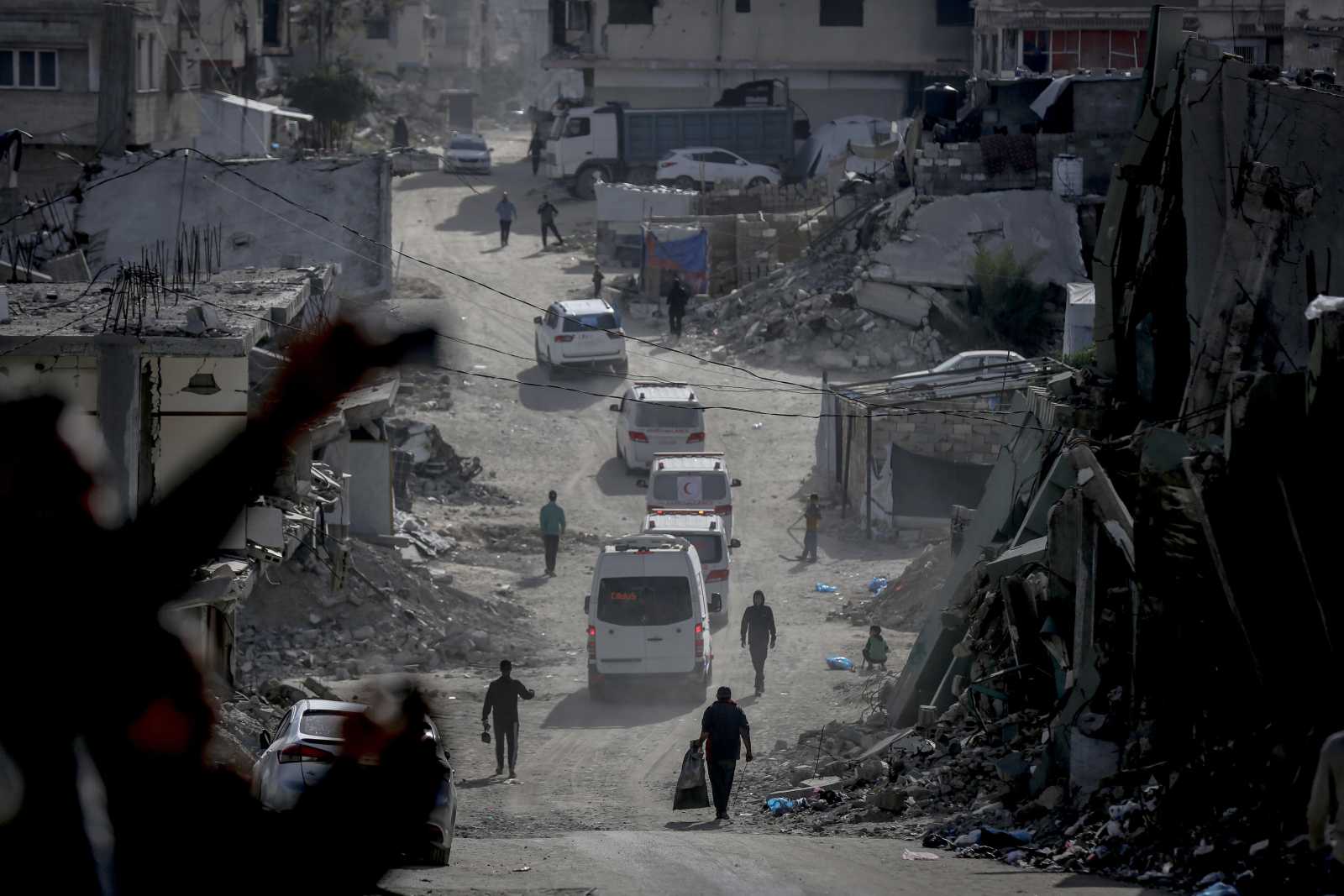
Two trends have increasingly constrained the international humanitarian system. First, needs have risen sharply. Intensifying violence and the accelerating climate crisis have driven the number of people requiring humanitarian assistance from 77.9 million in 2015 to 305 million in 2025, according to the Global Humanitarian Overview, the UN’s annual assessment of global humanitarian needs and how best to respond to them.
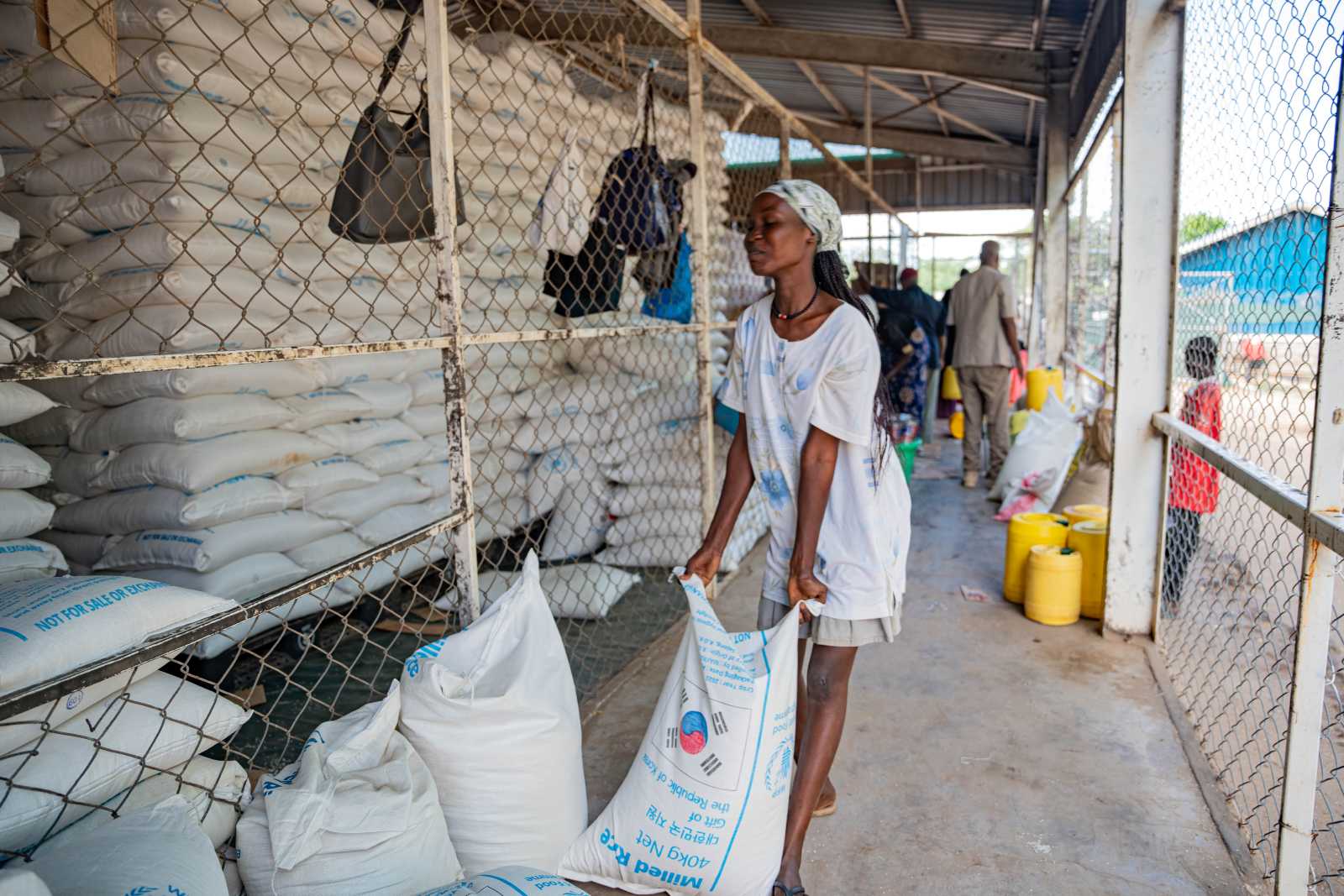
Second, funding has persistently lagged behind these needs. Although humanitarian financing increased until 2022, it consistently remained far below what was required. In 2024, funding from public donors fell by 10 %, one of the largest percentage drops and the largest absolute decline on record at that time. As a result, many actors were forced to scale back or suspend programmes.
Since then, the crisis has deepened. In 2024, the US still accounted for roughly 40 % of global humanitarian funding, but under President Donald Trump, spending on humanitarian assistance fell by about 75 % in 2025. Trump also closed the US Agency for International Development (USAID), the principal government agency responsible for administering foreign aid. These moves seem to have set a concerning precedent. Across many capitals, defence spending was prioritised while official development assistance (ODA), including humanitarian funding, was reduced.
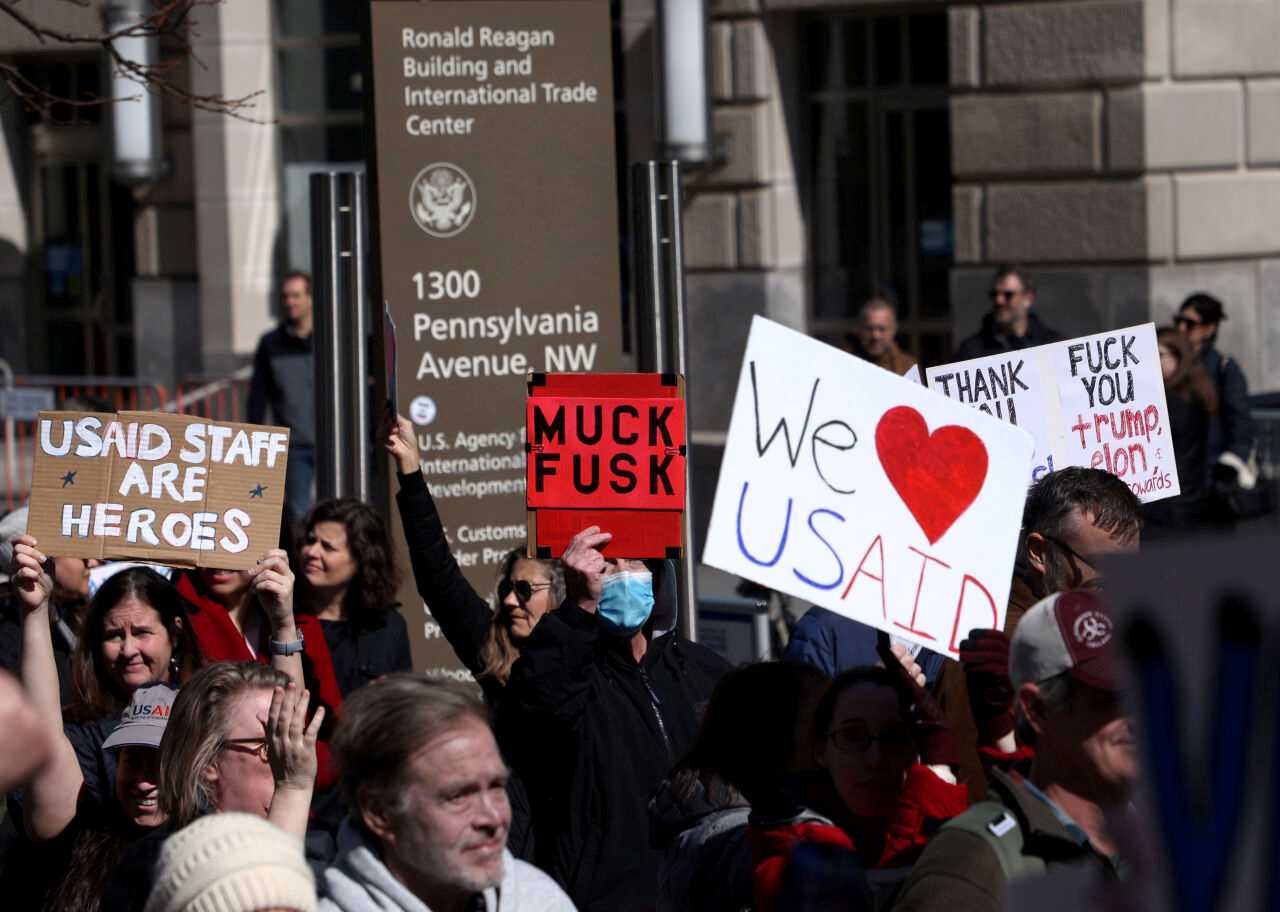
Germany, which in recent years had been a major pillar of humanitarian financing, cut its respective budget by 53 %. Similar reductions were implemented by the UK and other donors, compounding the global shortfall. The results could be devastating: a startling report published in The Lancet estimates that the US funding cuts alone could result in over 14 million additional deaths by 2030.
The international humanitarian system has also been facing a set of structural challenges, including how to manage power relations between different groups of actors. Local and national actors (LNAs), for example, are indispensable to effective humanitarian action: they understand the local context, speak local languages and are embedded within affected communities. Yet they remain structurally marginalised within the international aid architecture and have limited access to funding and decision-making authority. Despite the long-standing consensus on the need to strengthen local leadership and financing, progress has been slow. This marginalisation persists in part because prevailing funding and compliance systems favour UN agencies and other international actors. Complex bureaucratic requirements and risk-averse donor practices disadvantage local organisations.
The Humanitarian Reset
In response to these pressures, Tom Fletcher, the UN Under-Secretary-General for Humanitarian Affairs and Emergency Response Coordinator (ERC), announced the Humanitarian Reset initiative in February 2025. Citing a “profound crisis of legitimacy, morale and funding”, Fletcher urged the humanitarian community to shift power to local humanitarian leaders, improve flexibility and efficiency and prioritise urgent life-saving measures. Throughout the year, various workstreams were established to tackle the reforms while safeguarding humanitarian principles and operational space. Most of these workstreams have yet to produce concrete results, but there have been a few notable exceptions.
Among them is the “hyper-prioritised” Global Humanitarian Overview (GHO), which re-prioritised and drastically reduced the number of people eligible to receive humanitarian assistance. While presented as a pragmatic response to funding constraints, this approach has been criticised as creating a new, even lower baseline and as giving the impression that the humanitarian system has been operating on the basis of inflated figures.
Awarding more funds to local and national actors
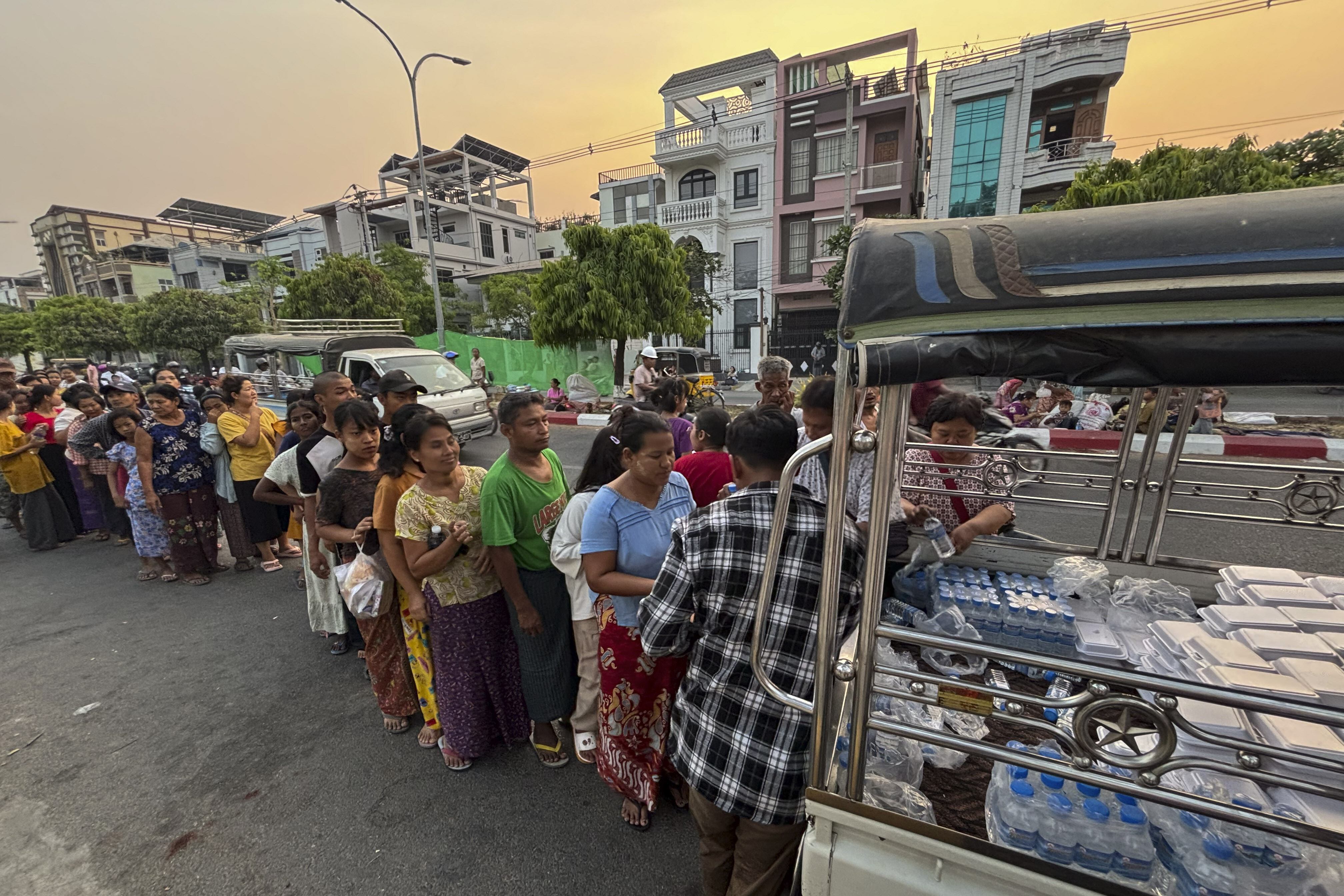
Moreover, the workstream that has arguably received the most attention is the renewed emphasis on pooled funds, including but not limited to the Country-Based Pooled Funds (CBPFs) of the United Nations Office for the Coordination of Humanitarian Affairs (OCHA). Pooled funds aggregate resources at the country or regional level and allocate them to implementing actors. Under the Reset, the ERC proposes that, going forward, 50 % of the global humanitarian budget should be channelled through pooled funds, and up to 70 % of these funds should be awarded to LNAs. If realised, this would mark a fundamental shift in humanitarian financing. To be transformative rather than symbolic, pooled funds must deliver quickly and be flexible, transparent, anticipatory and genuinely accessible to local actors.
Furthermore, managing an abrupt and significant increase in the volume of funding for LNAs should initially build on structures of mutual support, allowing for capacity and risk sharing as well as accountability – roles that international NGOs and other partners are ready to offer. Moreover, CBPF reform alone will not be sufficient; complementary funding models at country level will be required to ensure that humanitarian assistance is delivered flexibly and in ways that are well suited to the local context.
Parallel to the Humanitarian Reset, UN Secretary-General António Guterres is leading a broader, system-wide reform of the United Nations: the UN80 Initiative. While the Humanitarian Reset focuses specifically on humanitarian action, UN80 covers the UN system as a whole, aiming to make it more agile, integrated and capable of responding to today’s complex global challenges amid tightening resources.
Anticipating instead of reacting
Enhancing the decision-making power and financing of LNAs is not only a matter of equity and justice but also key to creating a more efficient and effective system. Yet meaningful localisation requires those actors currently holding disproportionate influence to relinquish some control. This remains one of the core tensions of the Humanitarian Reset, which to date has largely been shaped by UN-led structures. Opportunities for systematic engagement by NGOs, especially local and national ones as well as by donors, have been limited, even though they will be decisive for the system’s future. Broader, more inclusive participation is therefore critical if the Reset is to deliver lasting change.
At the same time, the current reform should be used to move the system from a predominantly reactive model towards a more anticipatory one. Humanitarian crises are becoming increasingly predictable, and evidence shows the (cost-)effectiveness of mitigating the impacts of predicted shocks before they fully unfold. Anticipatory action saves lives and livelihoods and strengthens resilience, making it a more dignified form of assistance. Mainstreaming anticipatory approaches that are locally led and grounded in local knowledge is therefore central to a future-fit humanitarian system.
Welthungerhilfe, one of Germany’s largest private aid agencies, appreciates the opportunity to reform the humanitarian system that the Humanitarian Reset provides. As a champion of anticipatory action and localisation approaches, we advocate for a system that is locally led, people-centred and anticipatory wherever possible. Therefore, we argue that a fair, effective and efficient humanitarian system can only be achieved on the basis of inclusive consultations and decision-making that meaningfully involves all relevant stakeholders.
Ultimately, however, reform alone cannot close the funding gap. Even with efficiency gains, a system that was already underfunded cannot meet rising needs with shrinking resources. If humanitarian action is to remain principled and effective, significantly increased, predictable and multi-year funding is essential.
Sources
OCHA, 2025: The Humanitarian Reset
OCHA, 2024: Global Humanitarian Overview 2025
OCHA, 2025: Global Humanitarian Overview 2026.
Welthungerhilfe, 2025: The Humanitarian Reset
Martin Ohms is a Junior Expert for Humanitarian Action at Welthungerhilfe.
martin.ohms@welthungerhilfe.de
Jessica Kühnle is an advisor on advocacy and communications for anticipatory humanitarian action at Welthungerhilfe.
jessica.kuehnle@welthungerhilfe.de
Matthias Amling is the Deputy Humanitarian Director at Welthungerhilfe.
matthias.amling@welthungerhilfe.de