Violence against women
“A new masculinity should allow relationships based on respect”


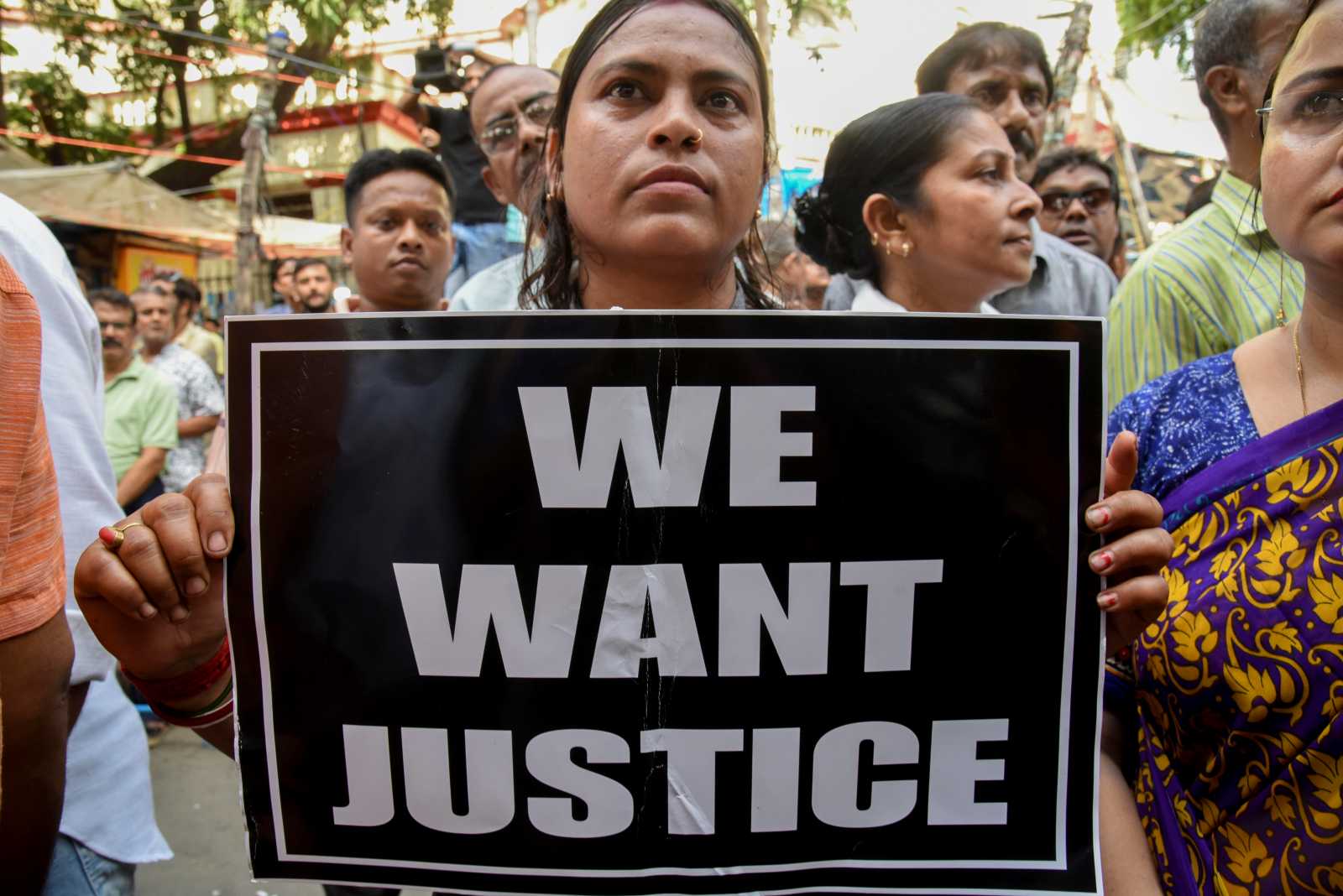
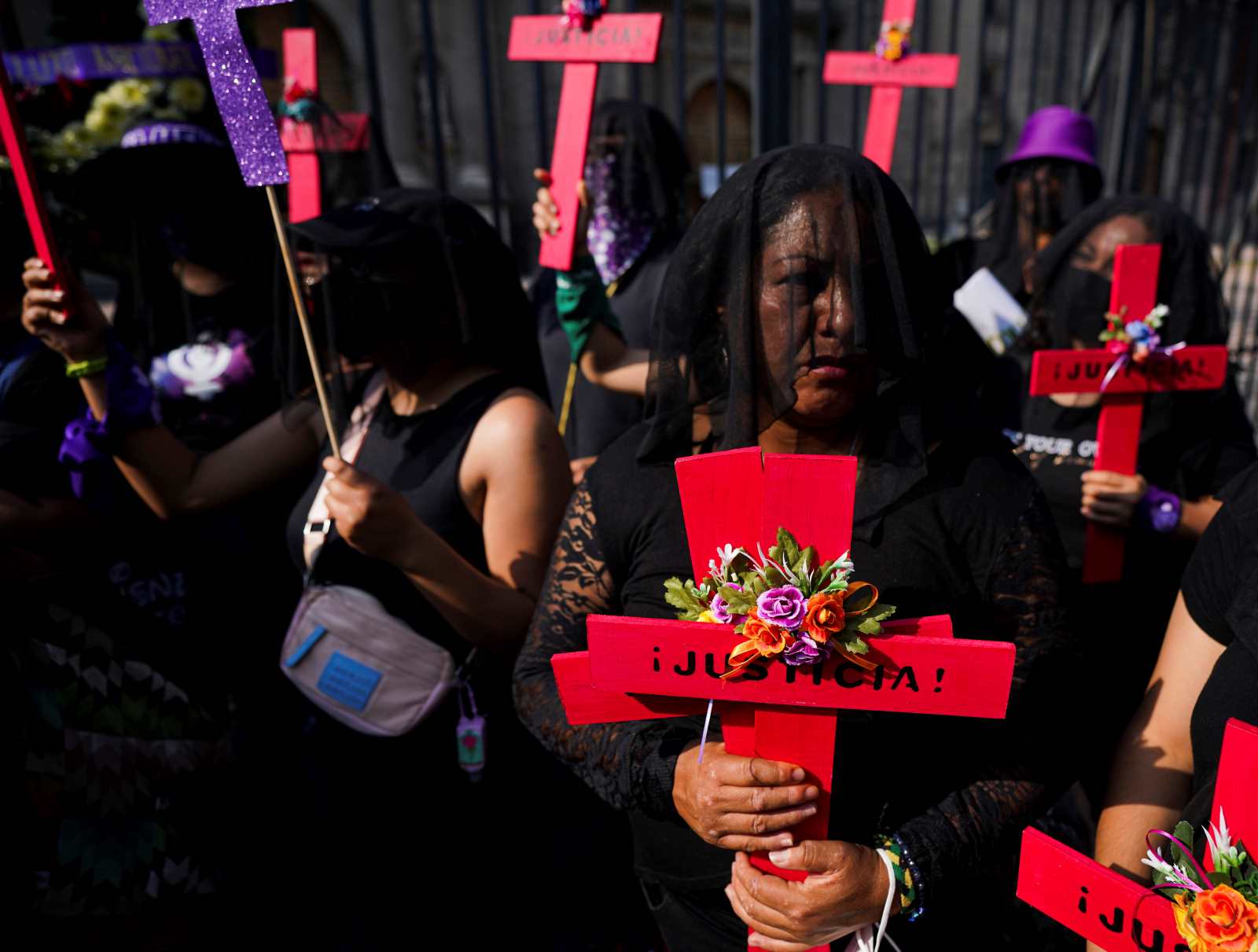
Ms Noya, you run the Centro Juana Azurduy (CJA) in Sucre, where you campaign in particular against violence against women. This is a massive problem: according to UNFPA, one in three women aged between 15 and 49 in Bolivia has already experienced gender-based violence. What part do perceptions of gender roles play in this?
Women have the right to a life without violence. However, our society fails to grant them this right because relationships between men and women in Bolivia are totally unbalanced: we see relationships characterised by oppression and subjugation. This is the result of gender stereotypes defining male and female identity. These are rooted in the patriarchal and colonial system of oppression.
So, what does characterise male and female identity in our society?
Female identity is based on subordination and an emotional, material and economic dependence on men. By contrast, male identity is associated with the idea of being a leader upon whom others depend, a leader who takes decisions and has power. This historic construct is hundreds of years old, even if it has changed over time.
What has changed?
Women nowadays are no longer the property of men. They can take their own political and economic decisions and also have access to spheres of power. Nonetheless, they are still dependent in so many ways – including emotionally, economically and politically. Until women have complete autonomy over their lives, their bodies and their decisions, we will remain stuck in this structure of inequality.
What should men do in this context?
From a feminist perspective, we believe it will be very difficult to bring about genuine change in gender relationships unless male identity is deconstructed and men adopt this transformation process for themselves. That’s why we talk about creating a new masculinity that is not suppressive, aggressive or violent – and not defined by the feeling of having power over women. This power is so far-reaching that it poses a threat to the female psyche and to women’s lives. A new masculinity should allow relationships based on gender equality and respect, relationships that are free from violence.
The CJA has been working towards this goal for a long time. In all these years, have you noted any changes to the image of masculinity in Bolivian society?
Though there have been changes in some cases, it’s very difficult to achieve sweeping societal change. But yes, our work is bearing fruit. Because we work with male offenders, we are in a good position to measure the impact. We cooperate with regional law-enforcement agencies: they send us men who have been charged with committing violence against women. They then undergo a course of psychotherapy at our centre.
Why therapy?
Legally speaking, a man accused of domestic violence can have his trial or sentence suspended under certain conditions. One of these conditions is a course of psychotherapy. The goal is for offenders to learn to control their anger. They are encouraged to understand that their violent behaviour is part of the hegemonic masculinity construct. They are supposed to acknowledge that they are offenders because they are men and because they believe that women are inferior. We teach them that they need to change this mindset in order to be able to have more healthy relationships.
That’s an ambitious goal. How do you proceed?
The course of therapy comprises ten group sessions and ten individual sessions with each participant. A test is conducted both before and after the process to determine the extent to which the men understand the problem and are willing to admit their violent attitudes. It’s hard to gauge any far-reaching changes because behavioural shifts only become evident over time. However, what we can say is that one hundred percent of the men do acknowledge at the end of their therapy that they exhibit macho behaviour and that some of them are prepared to change this.
The therapy offered to offenders is just one part of CJA’s work. Your overriding objective is to reduce discrimination against women. How do these two elements fit together?
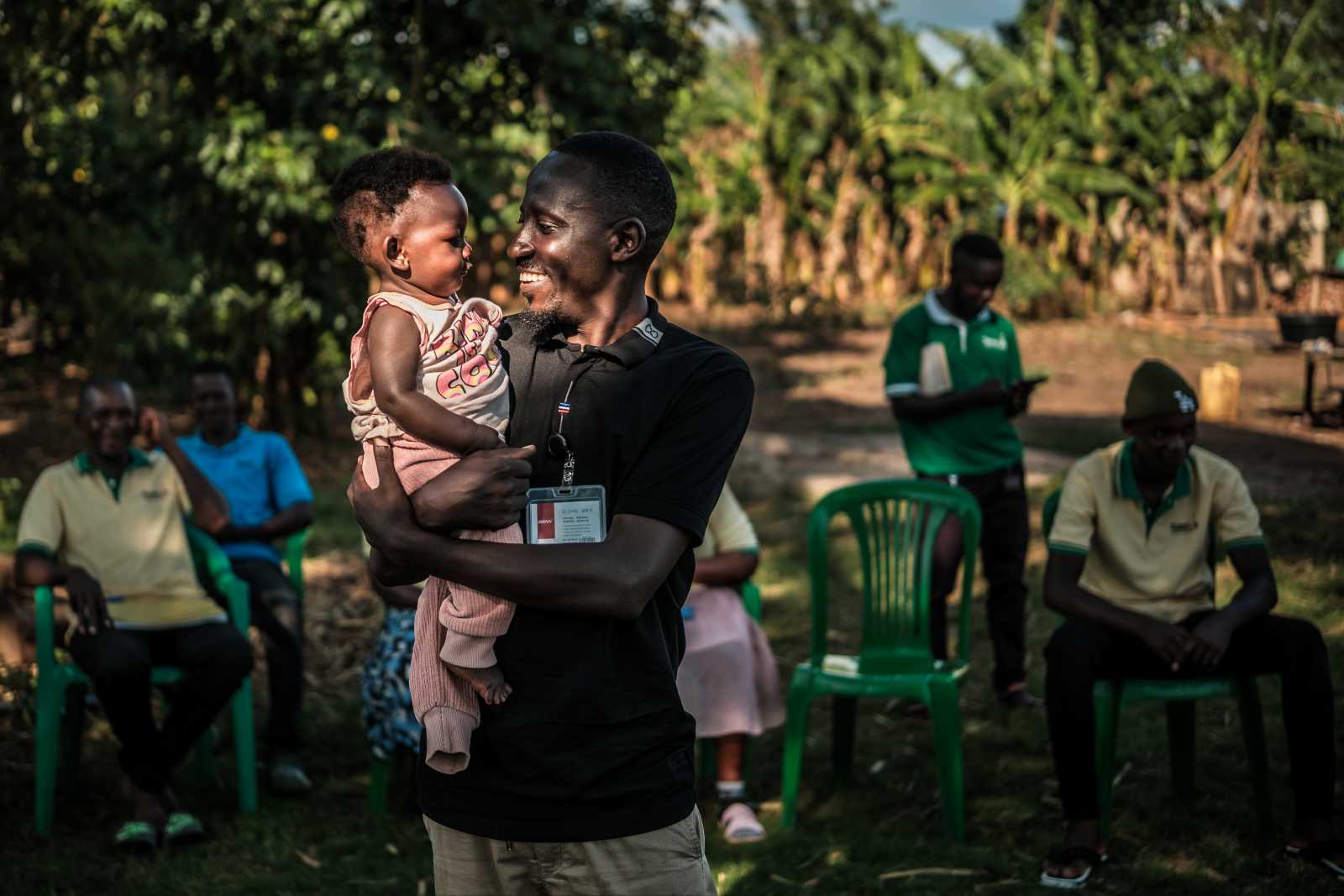
We believe that overcoming patriarchy means dismantling the mental, social, cultural and institutional structures that perpetuate the power of men over women. It’s not only about changing laws or discourse. It’s about making changes in daily life, in family relationships and in mindsets that are deeply rooted in society. All of us were socialised in a patriarchal system, so men and women alike must challenge and unlearn macho behaviours and values.
As well as rejecting patriarchy, you also believe decolonisation is important. How are the two related?
The patriarchy didn’t come out of nowhere: it came with colonisation. It imposed on us a view of the world in which white Western males were superior. When we talk of decolonisation, we mean returning to our own cultures, languages and ways of life – and to the relationship forms that existed among Indigenous Peoples before colonisation. Those societies were based for example on the principle of male-female complementarity, not of subordination. When working with violent offenders, we address the issues of depatriarchalisation and decolonisation in parallel. Men must understand that they have no inherent claim to their power and privileges, that these are in fact social constructs that can and must be changed. This will serve to liberate not only women but also men. The new masculinity will enable them to become more humane and sensitive and free themselves of the compulsion to be violent and dominant. Once they realise the extent to which machismo dictates their lives, this will open up the possibility for genuine change.
Martha Noya runs the women’s rights organisation Centro Juana Azurduy in Sucre, Bolivia.
Centro Juana Azurduy – Empoderar para despatriarcalizar
Betty Rosa Choque is a Bolivian journalist.
Facebook